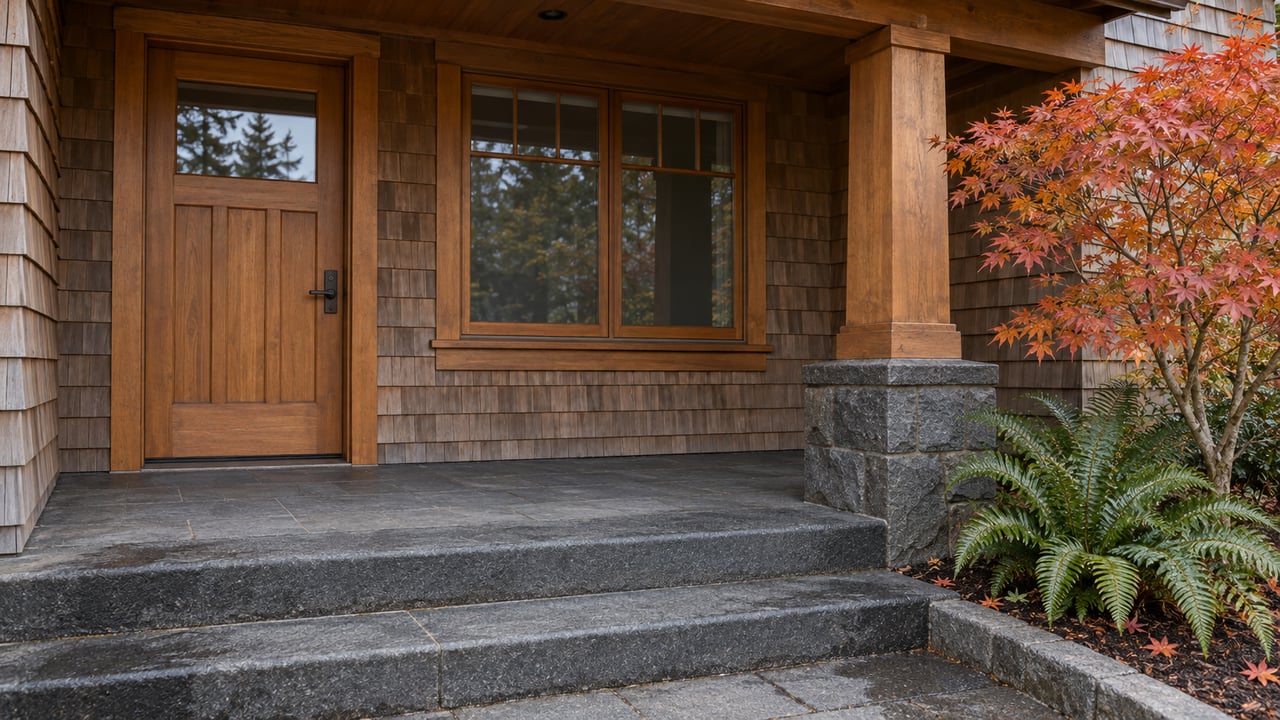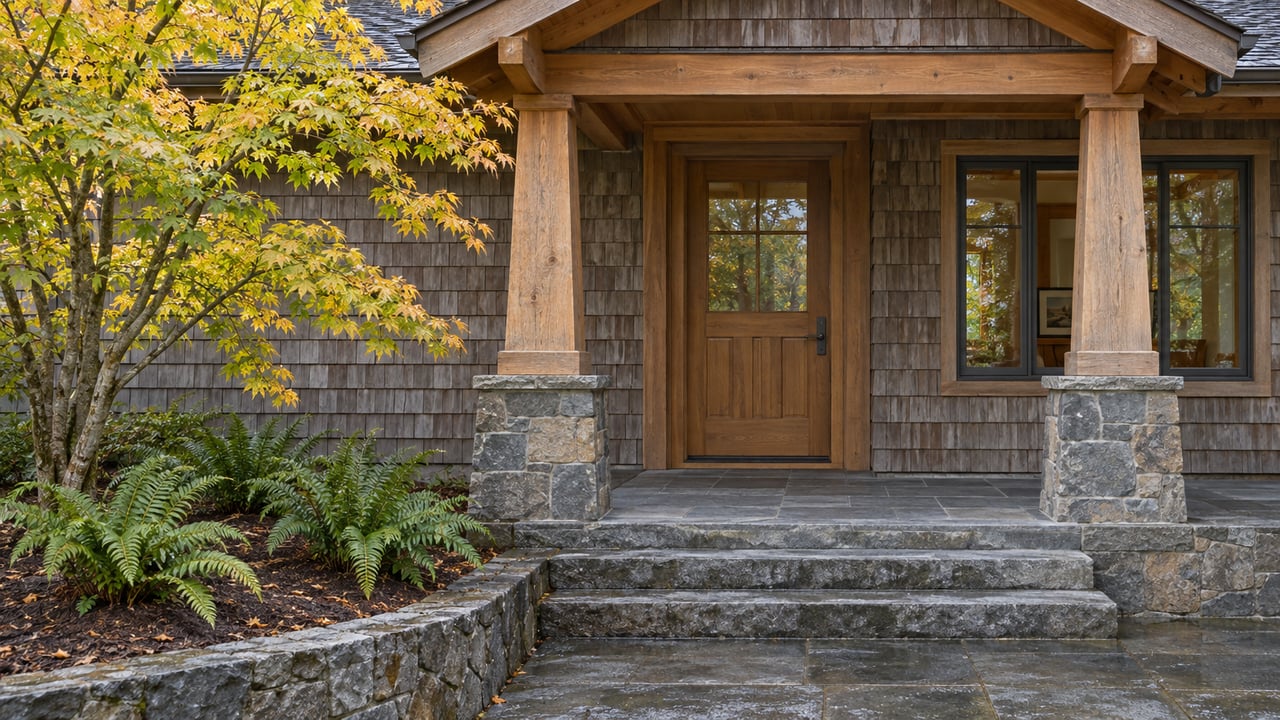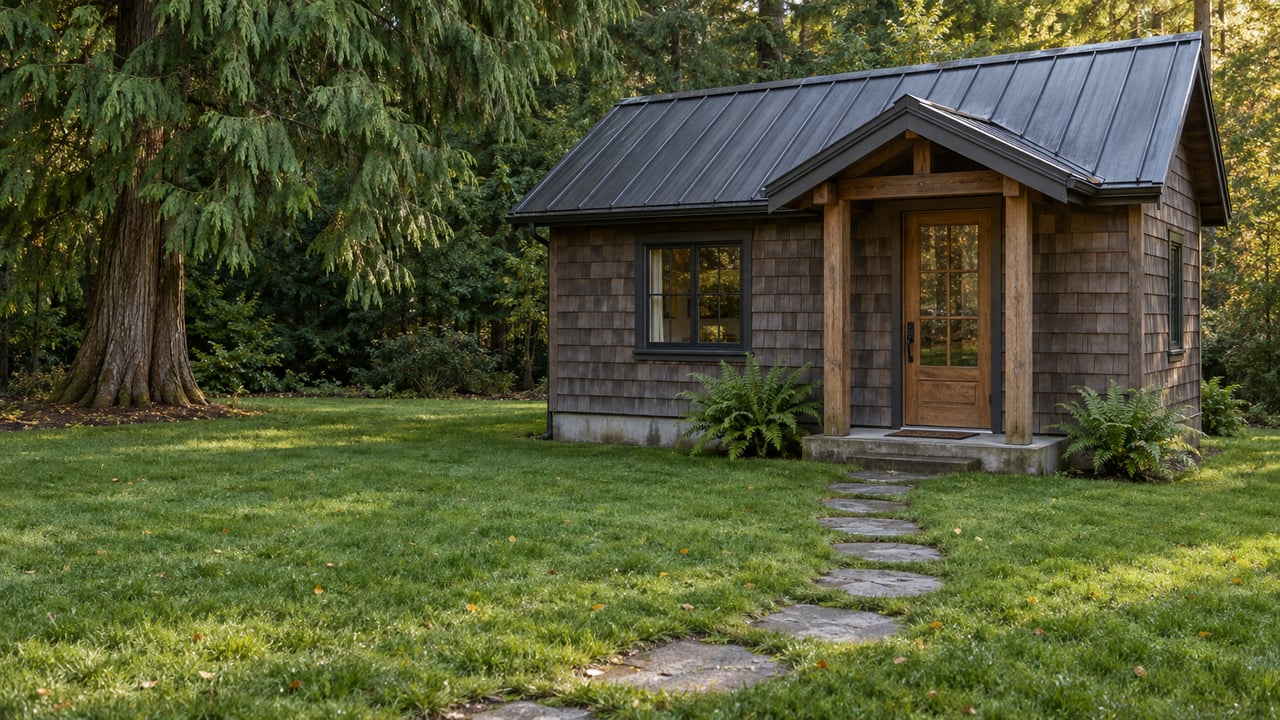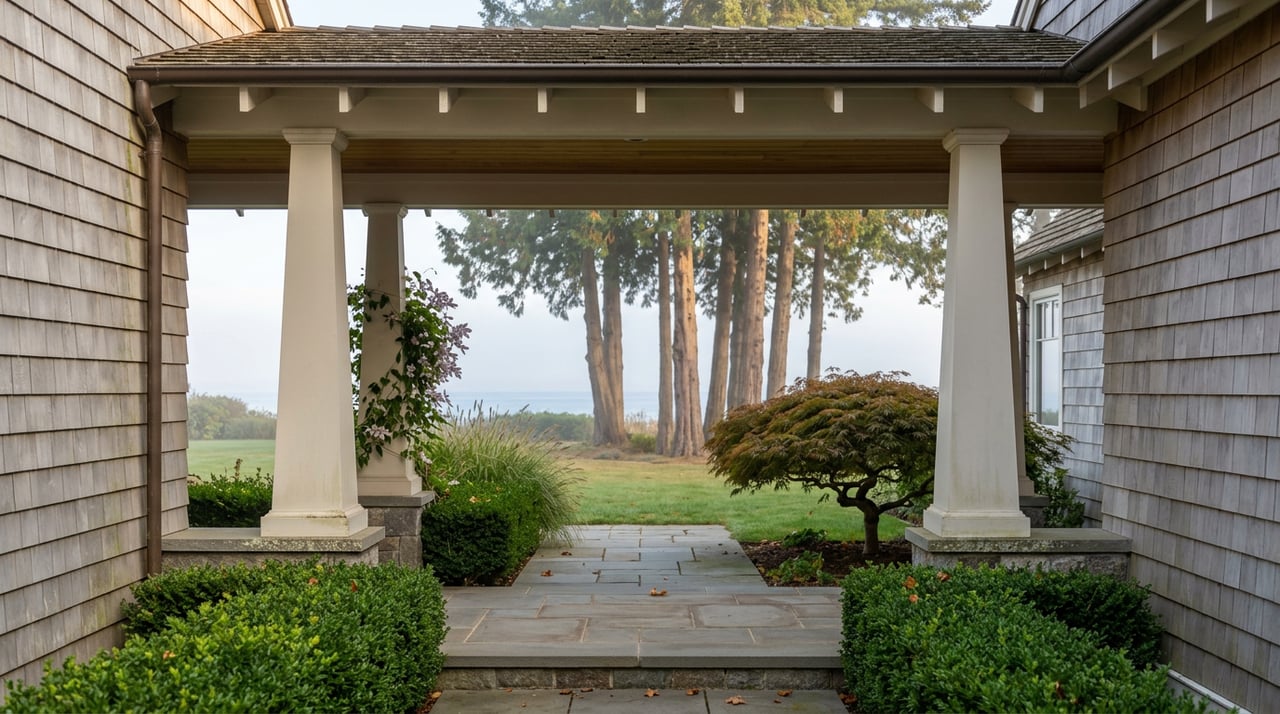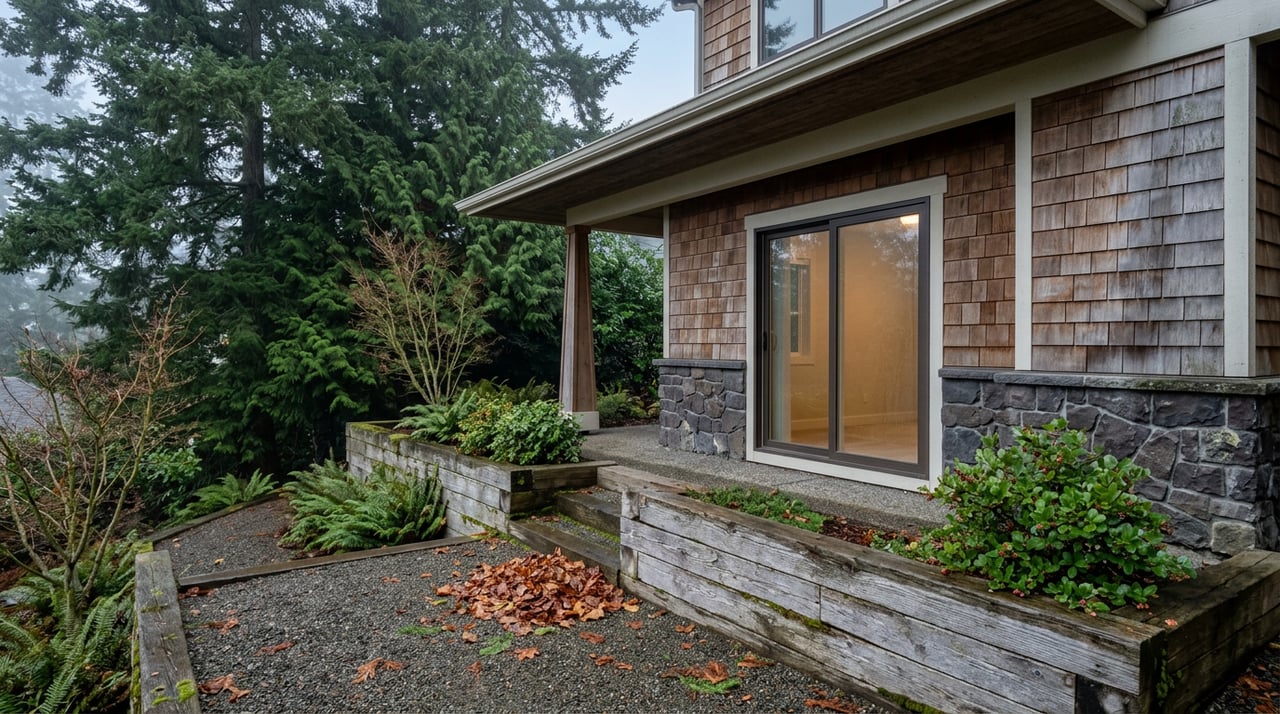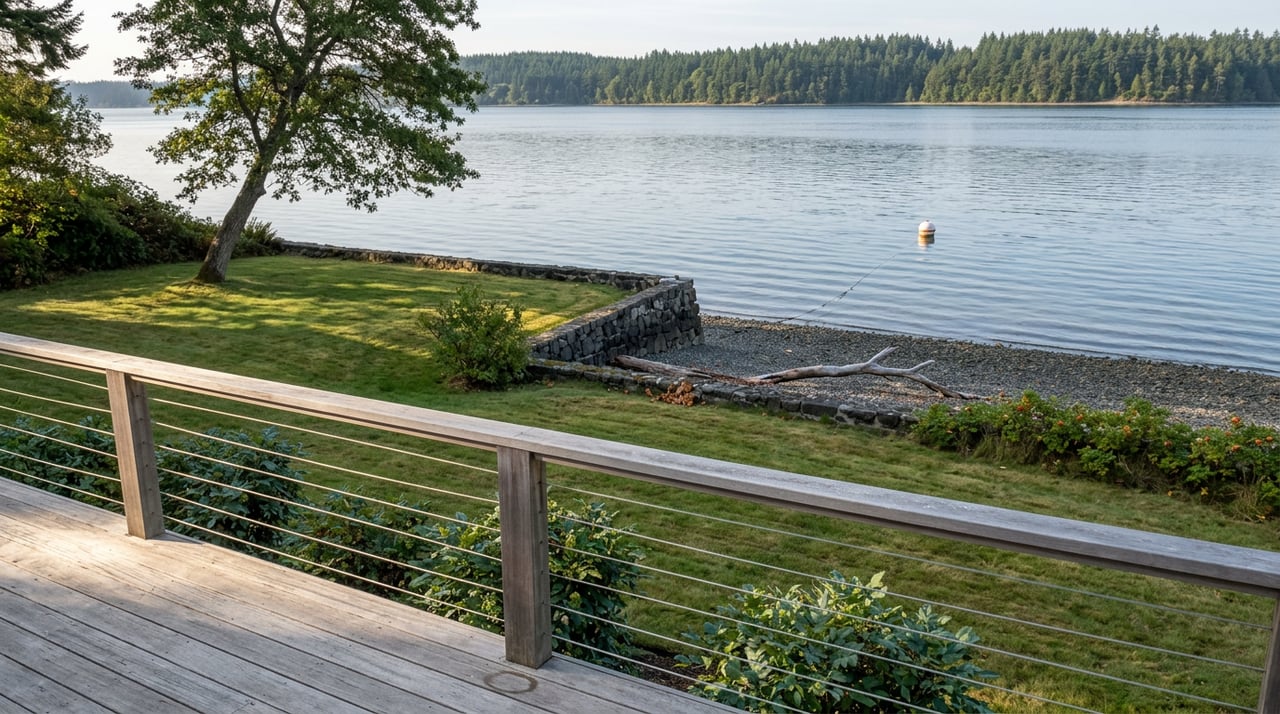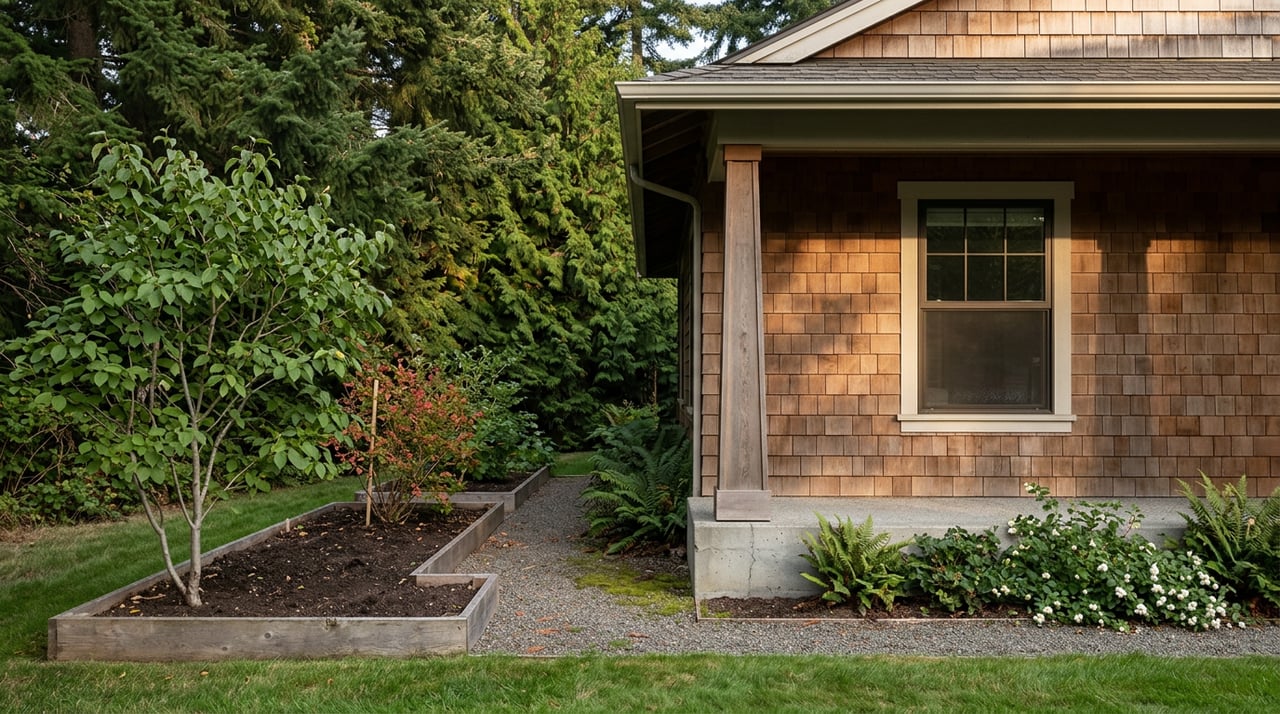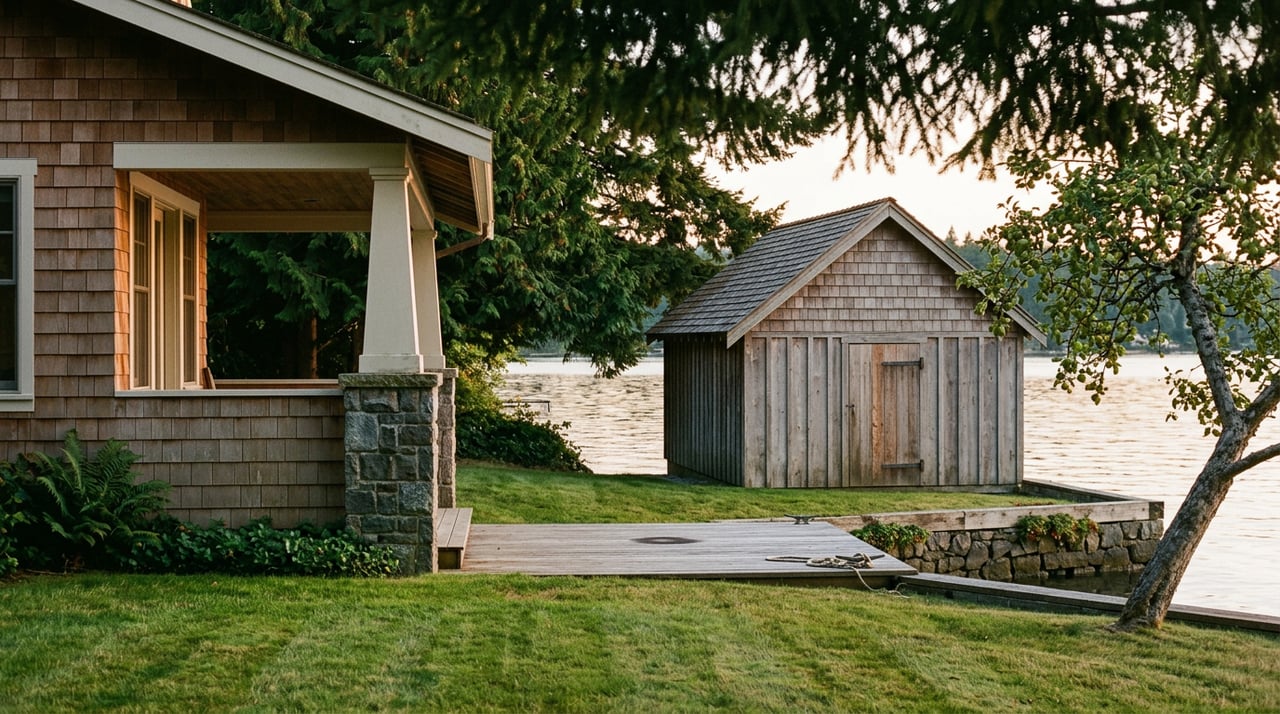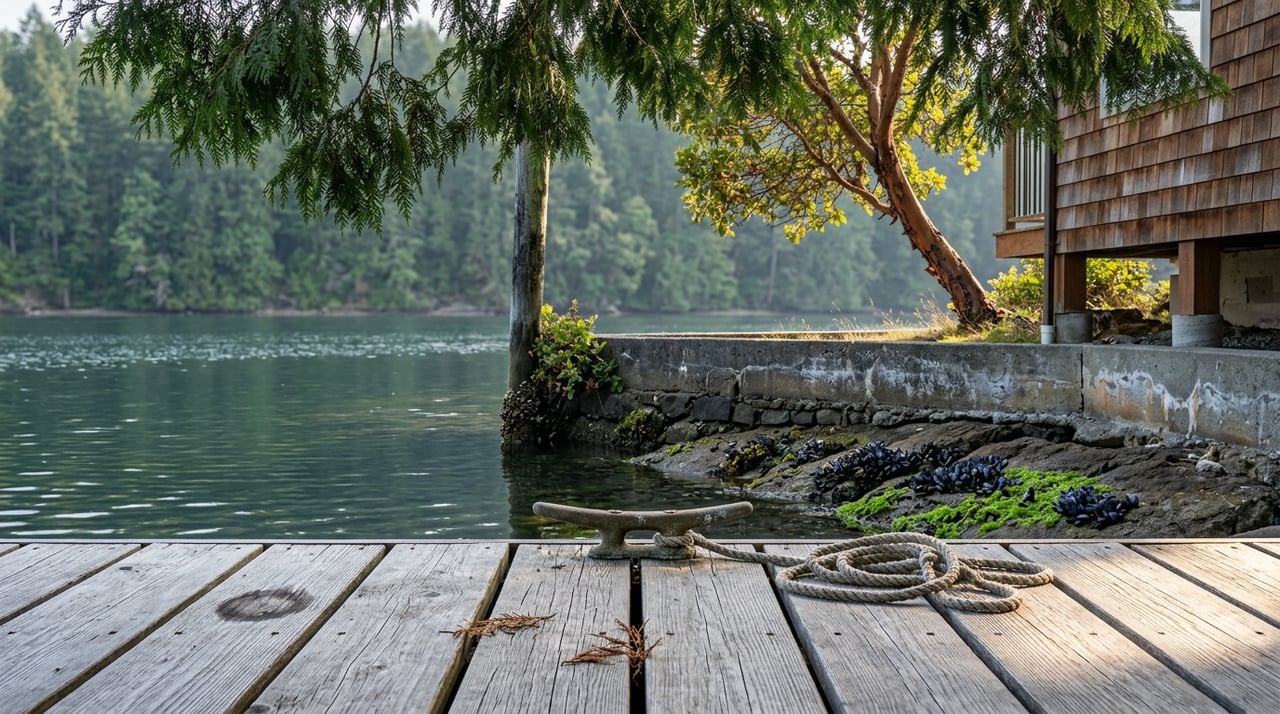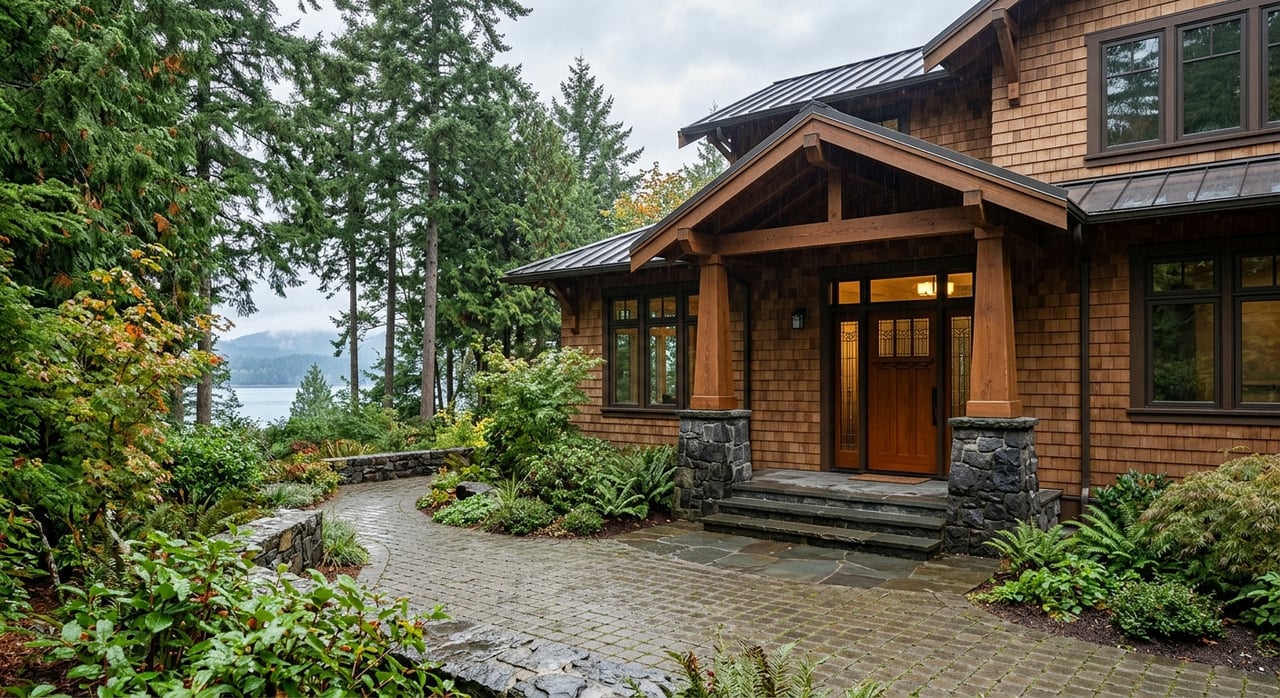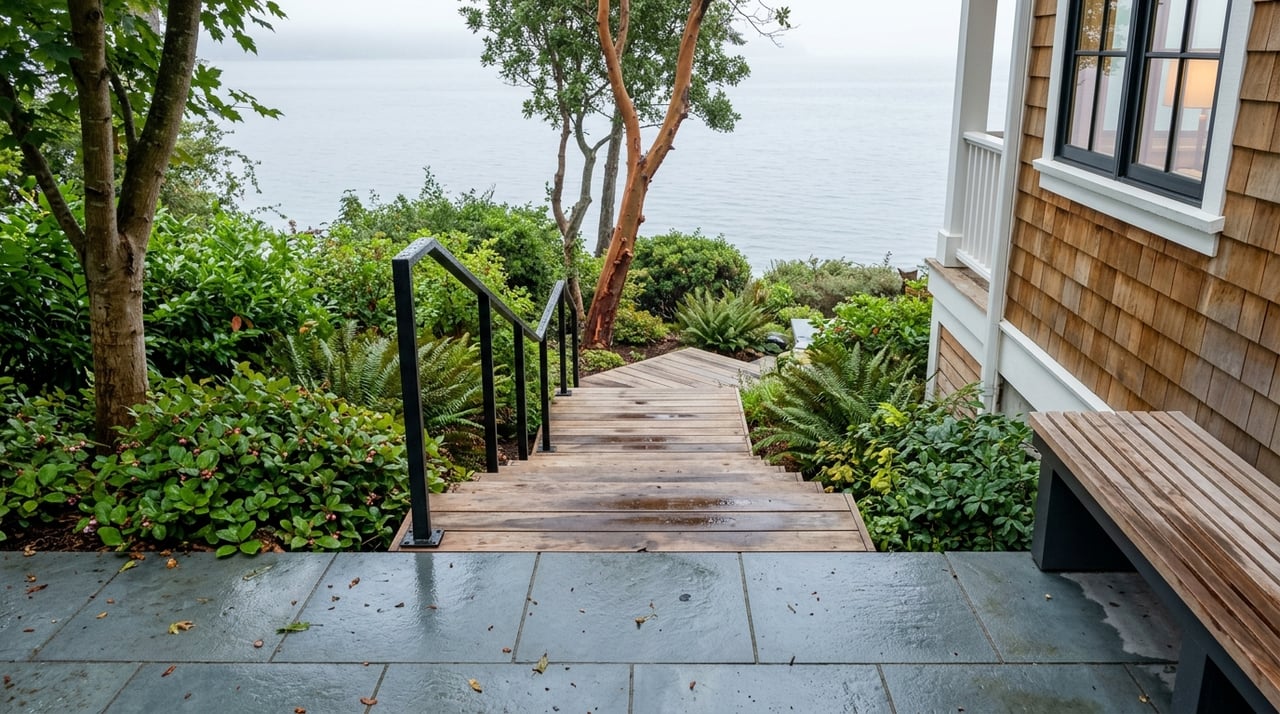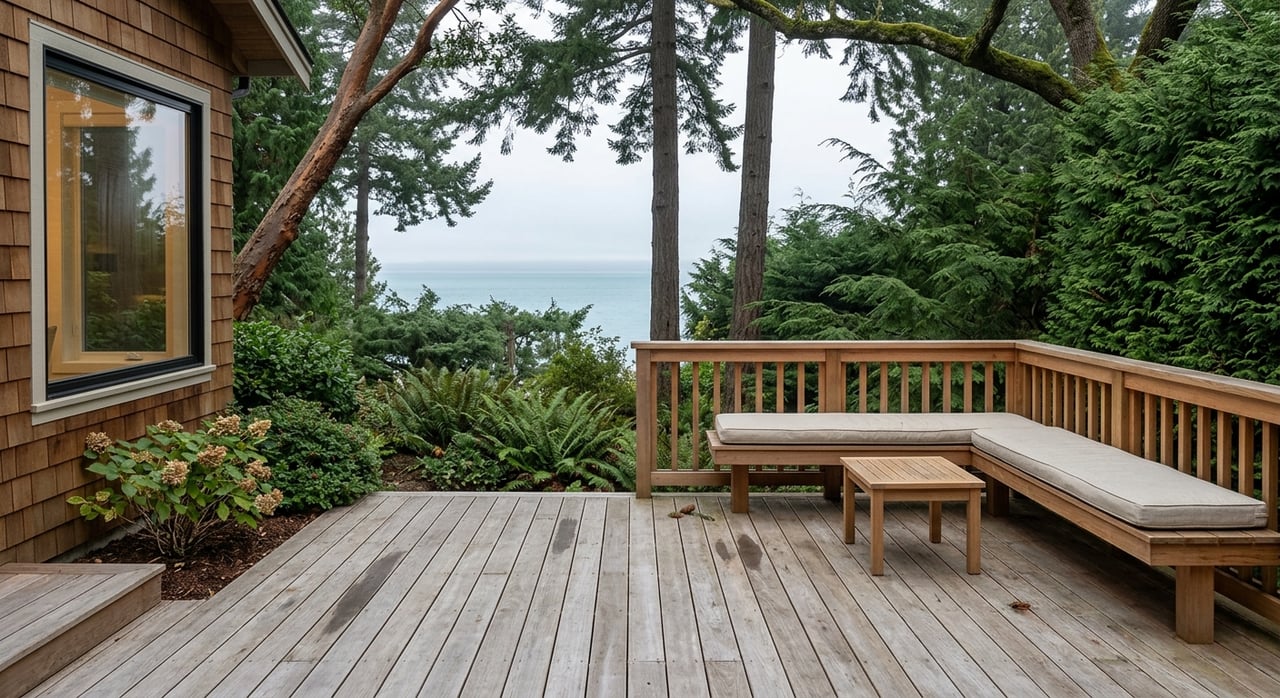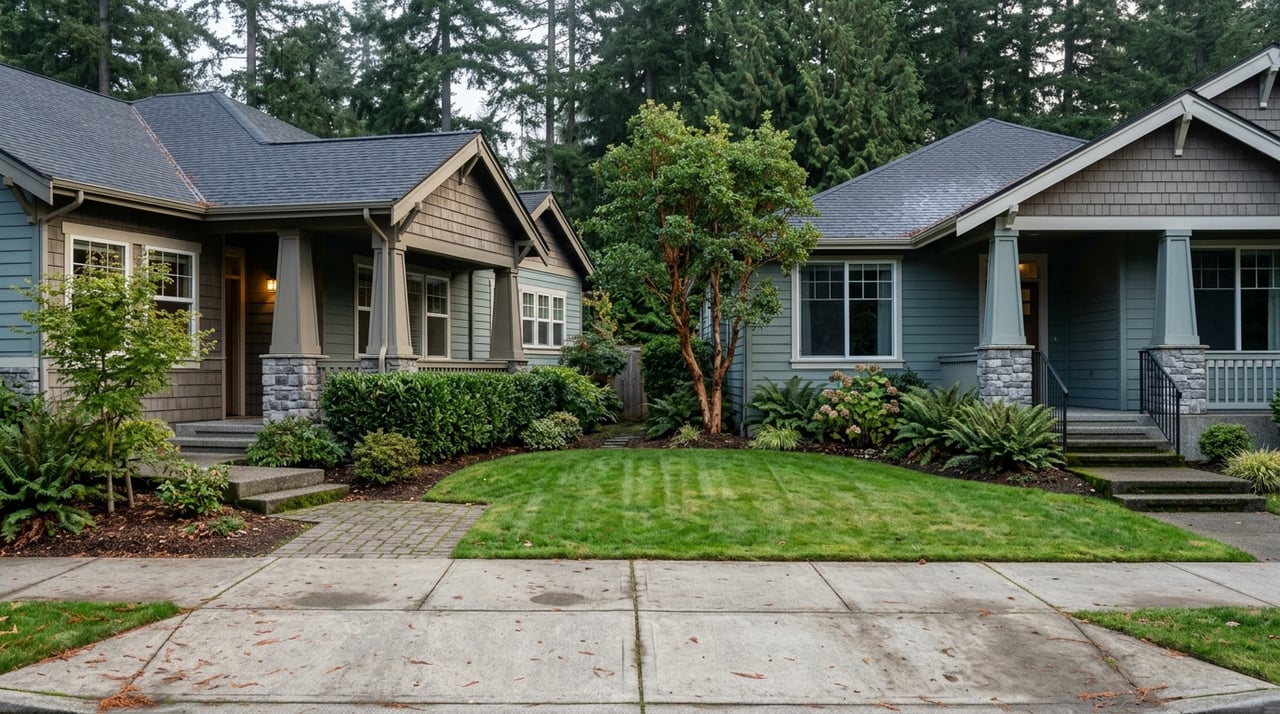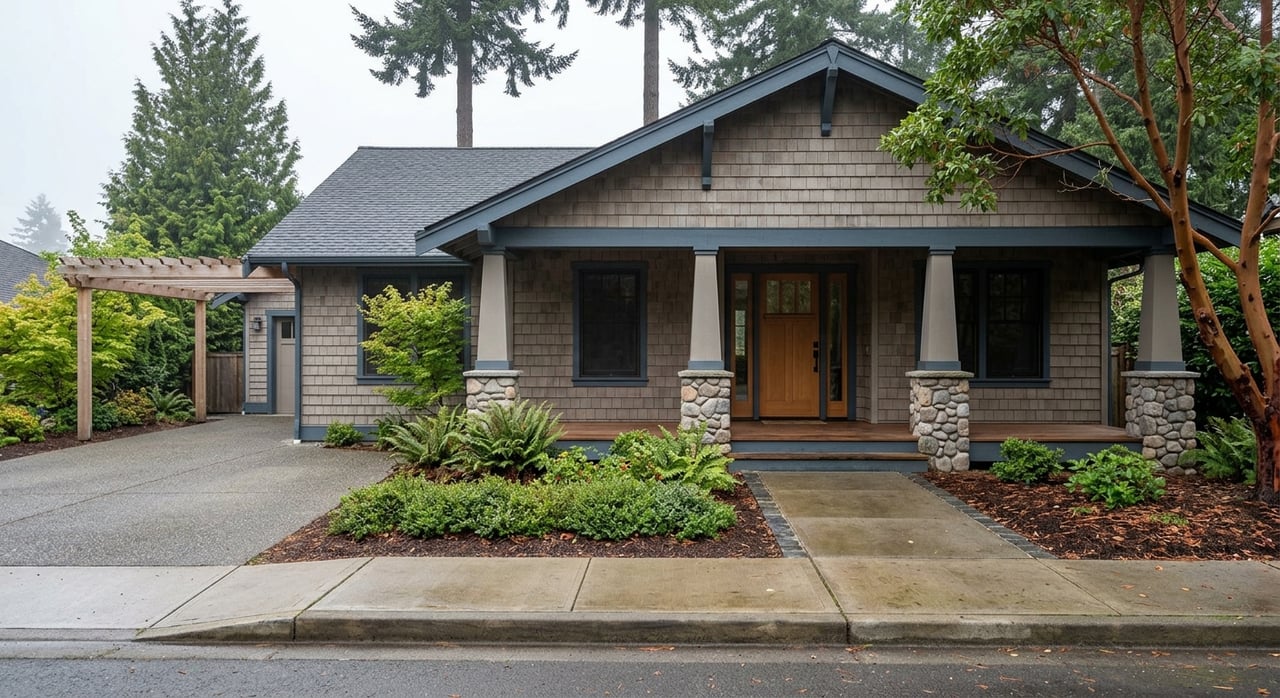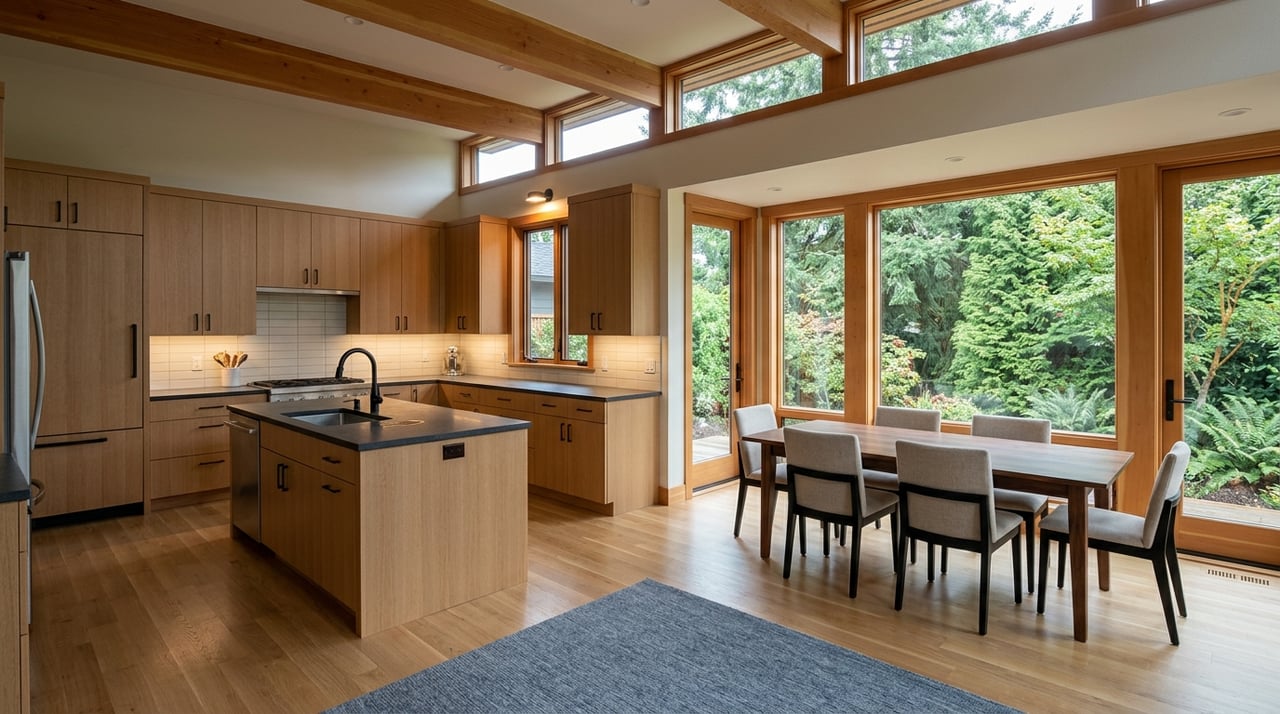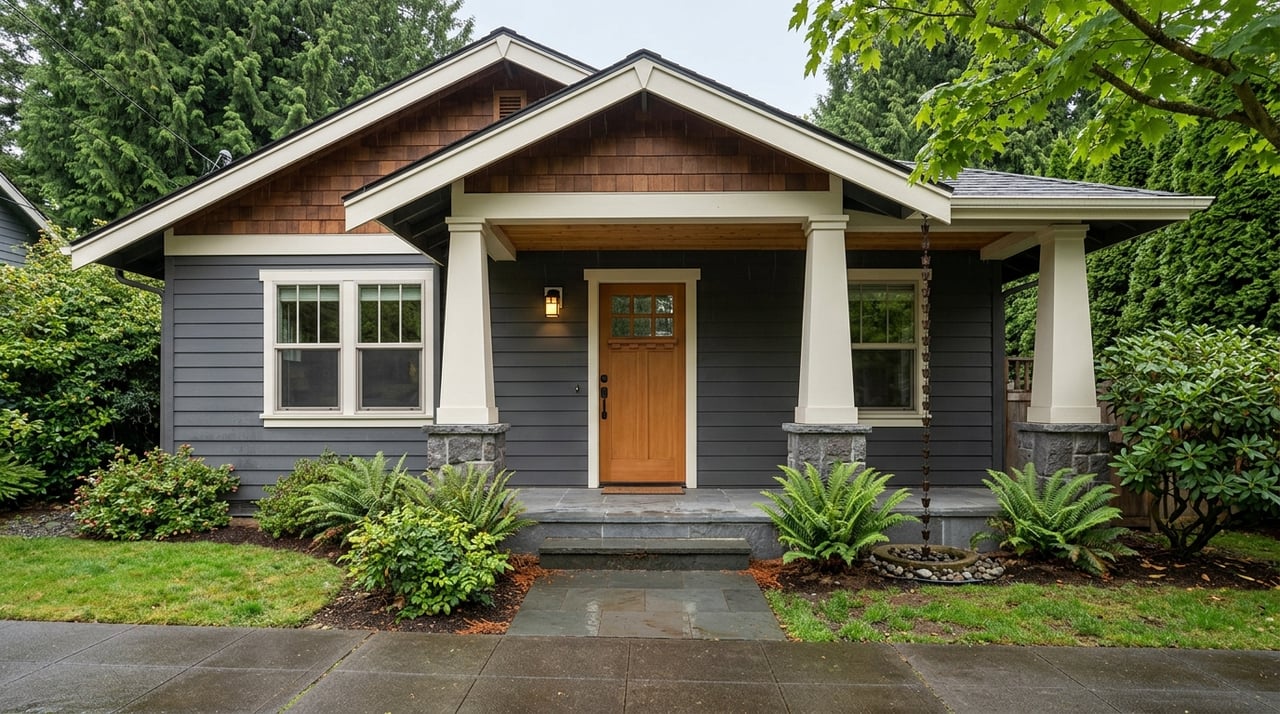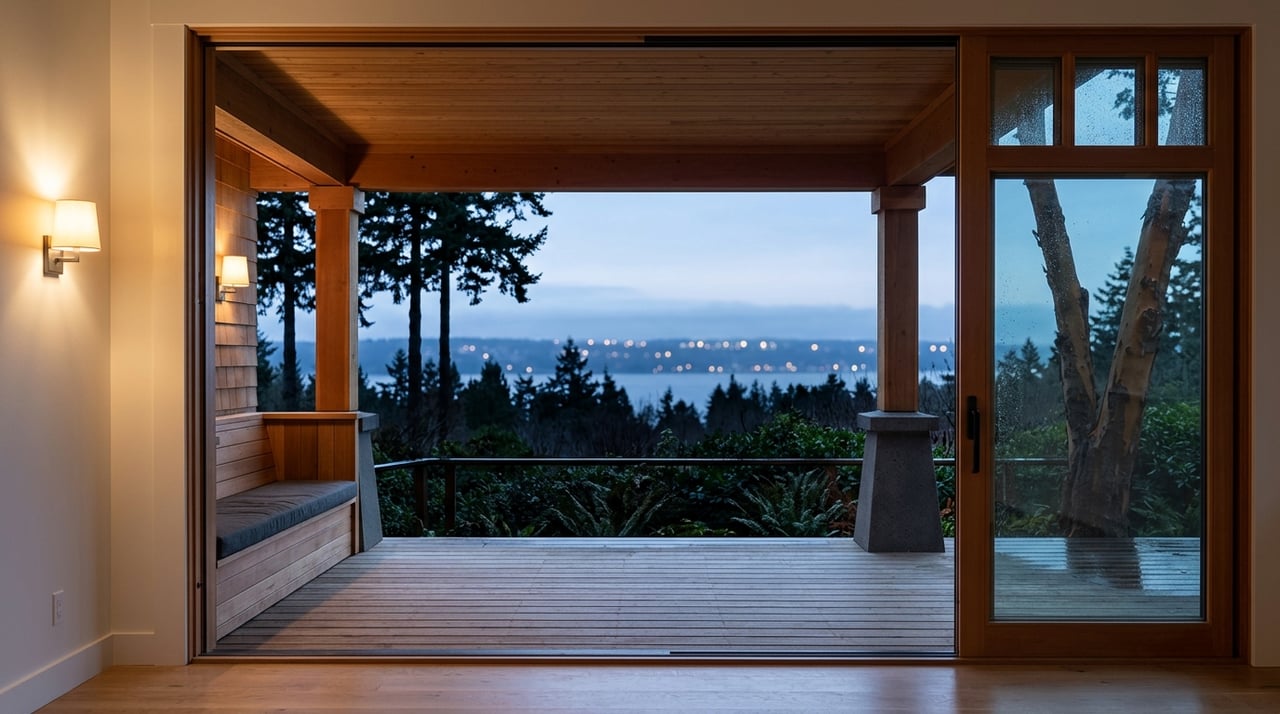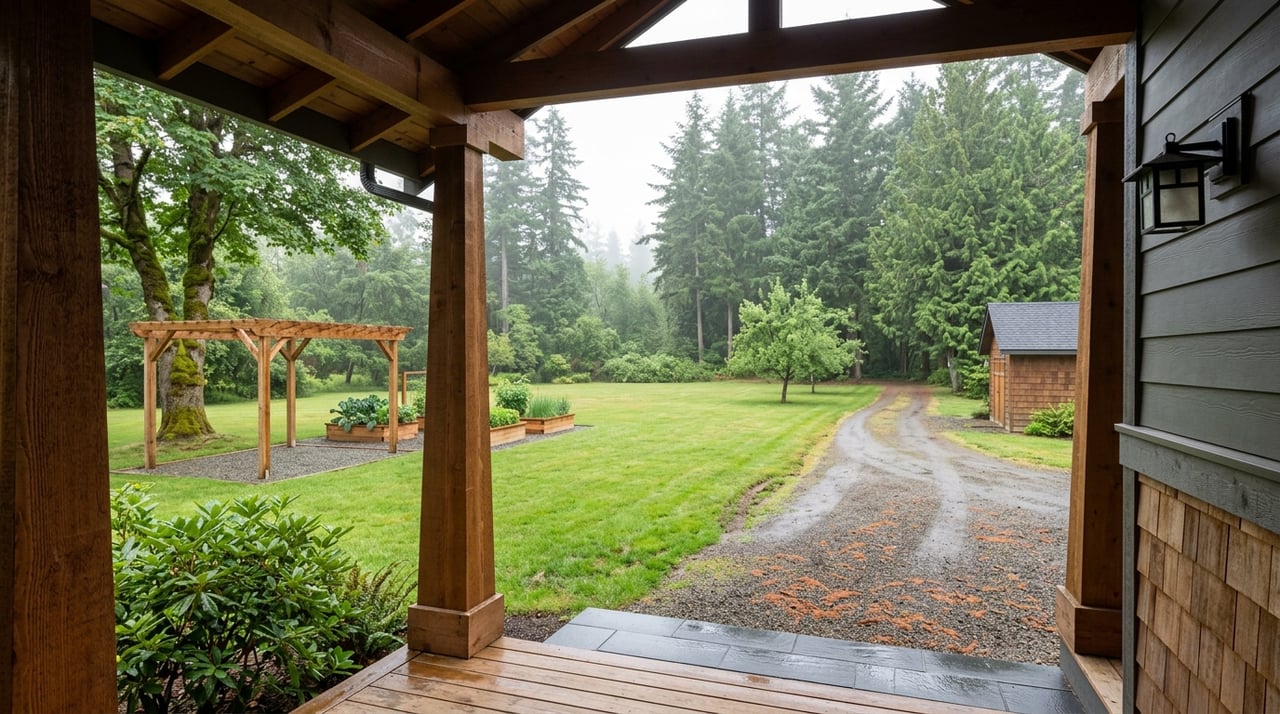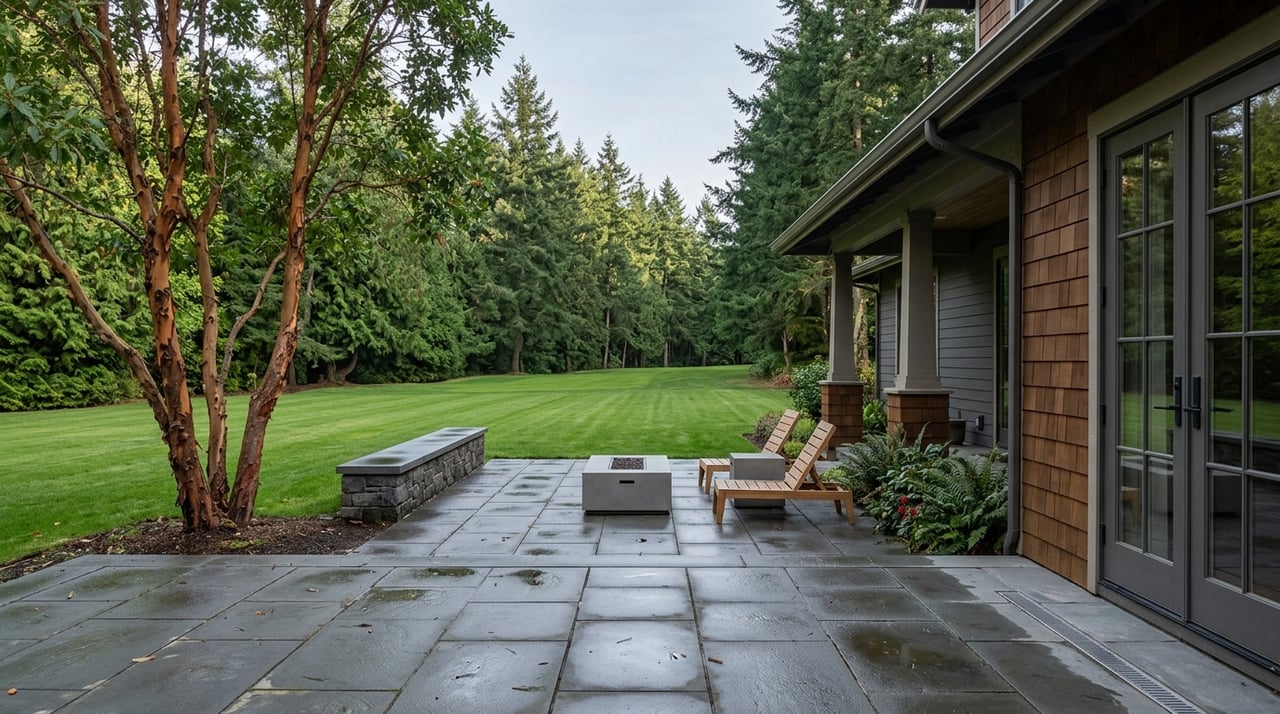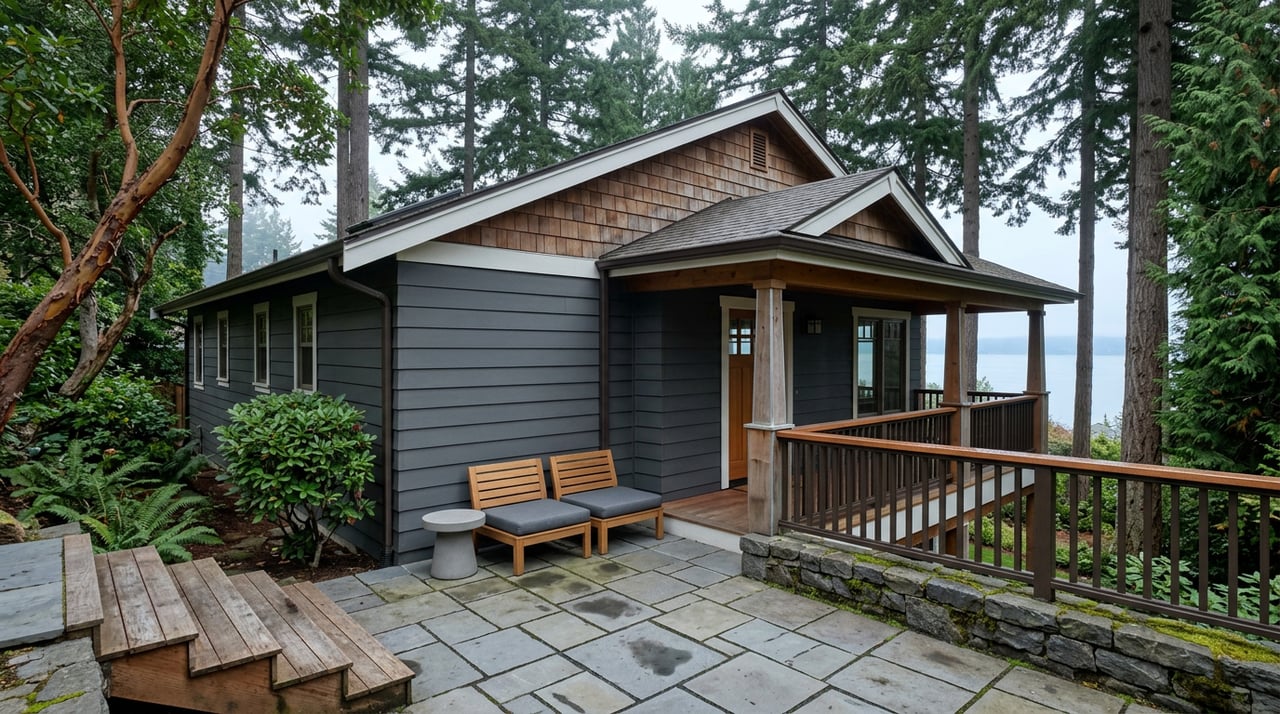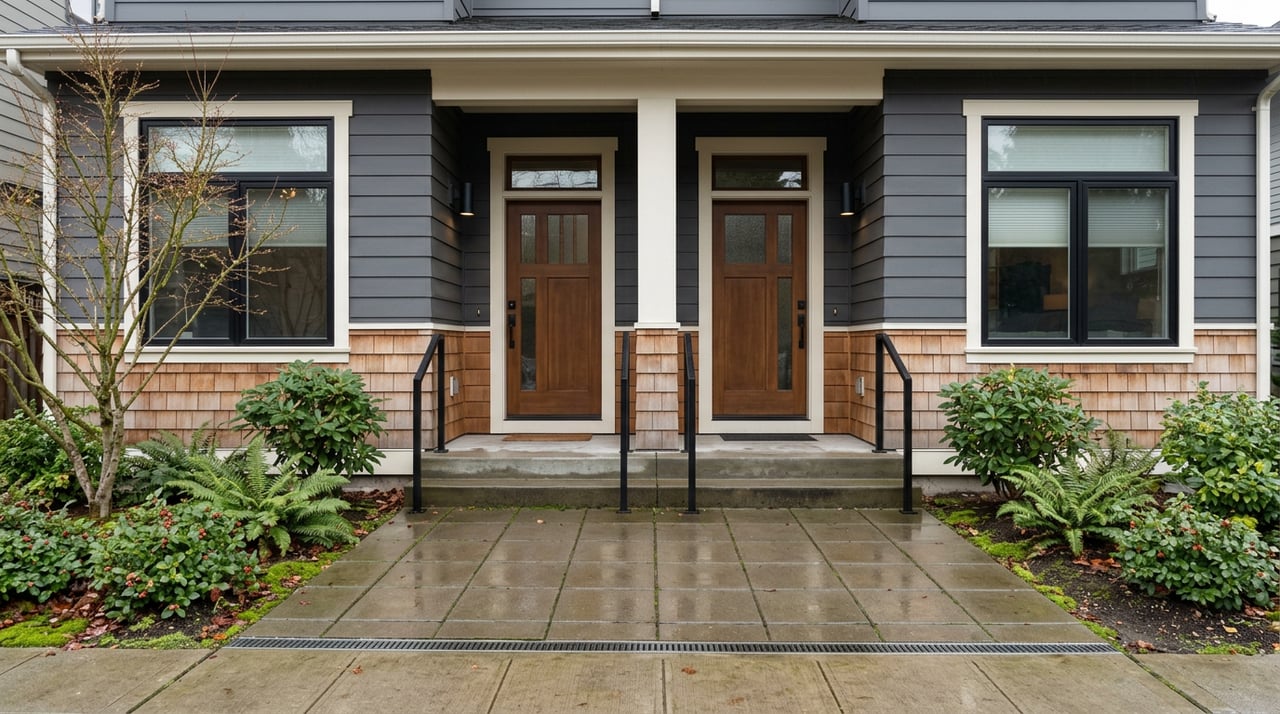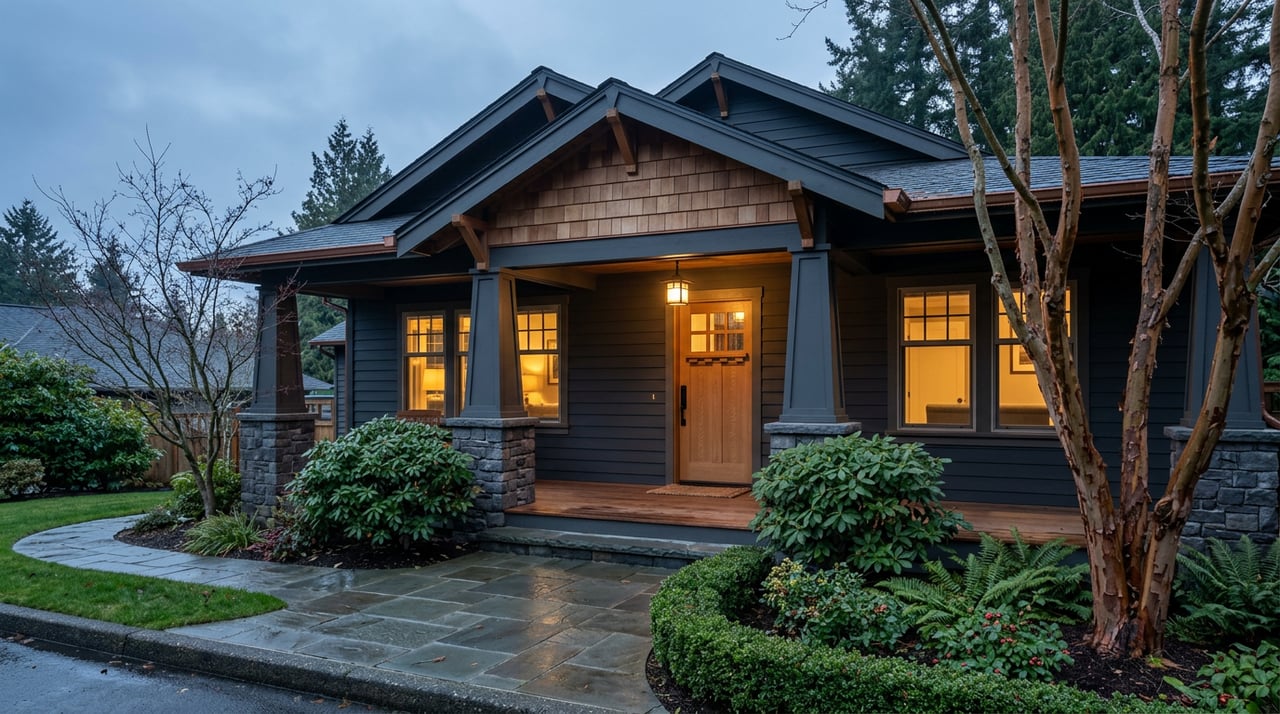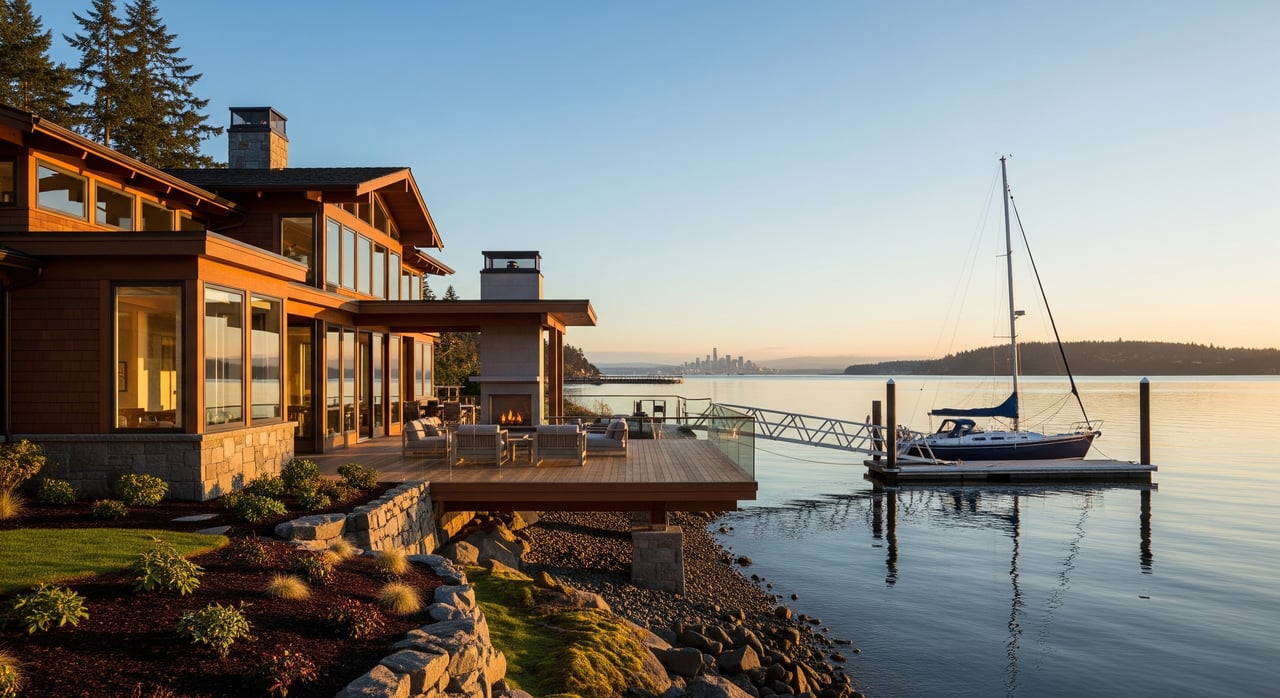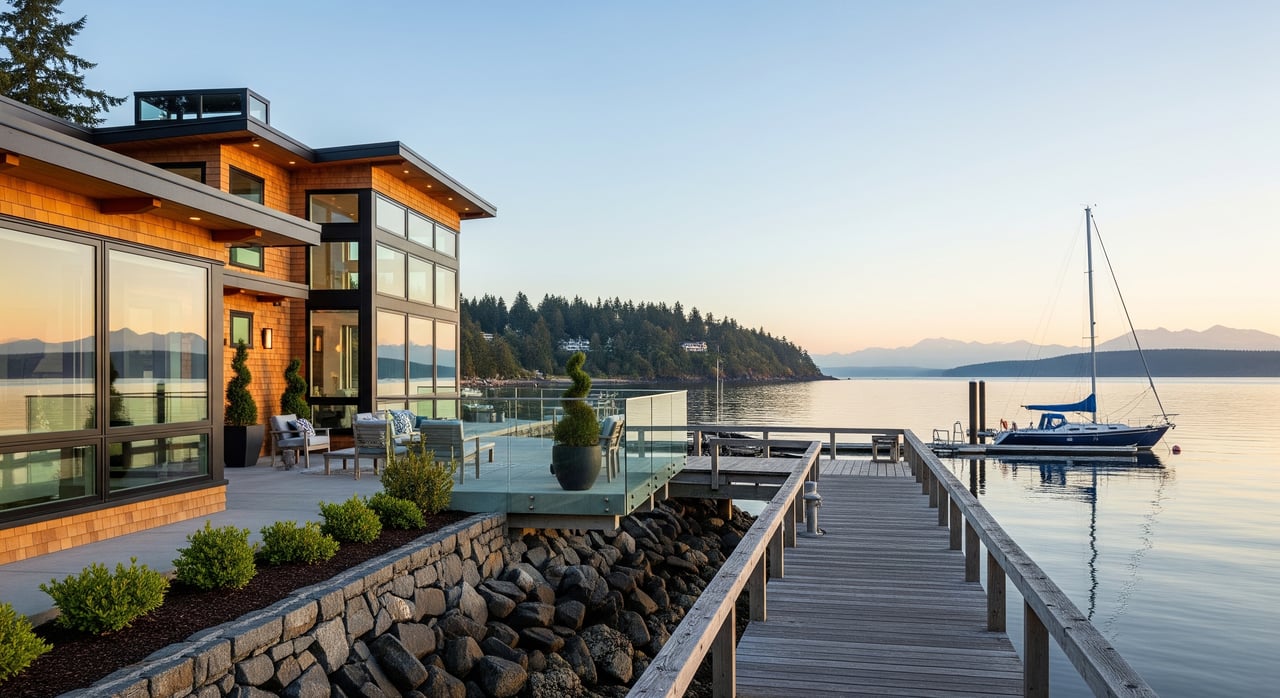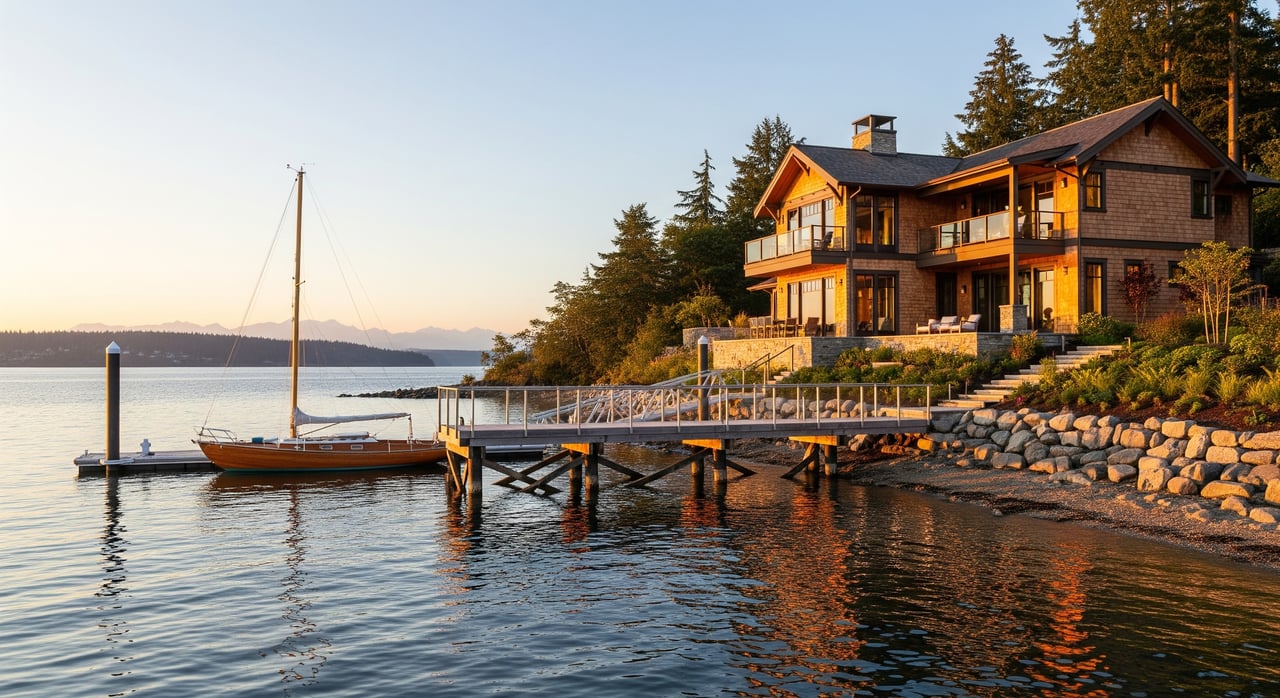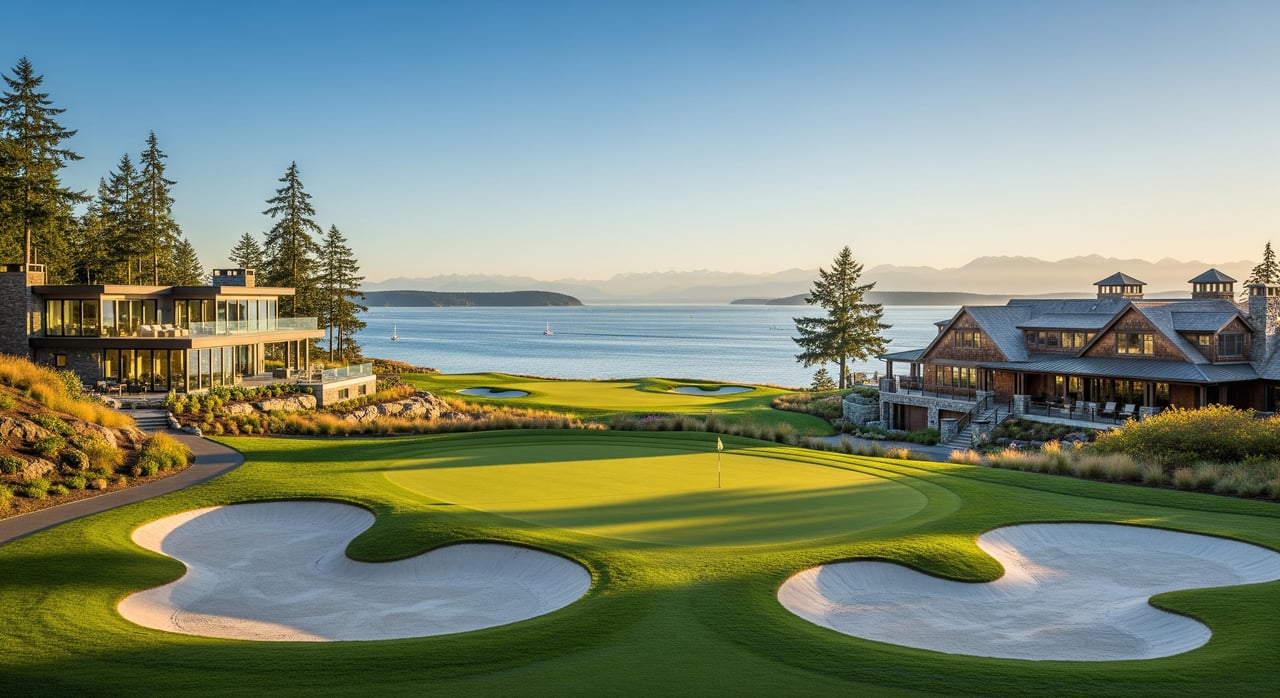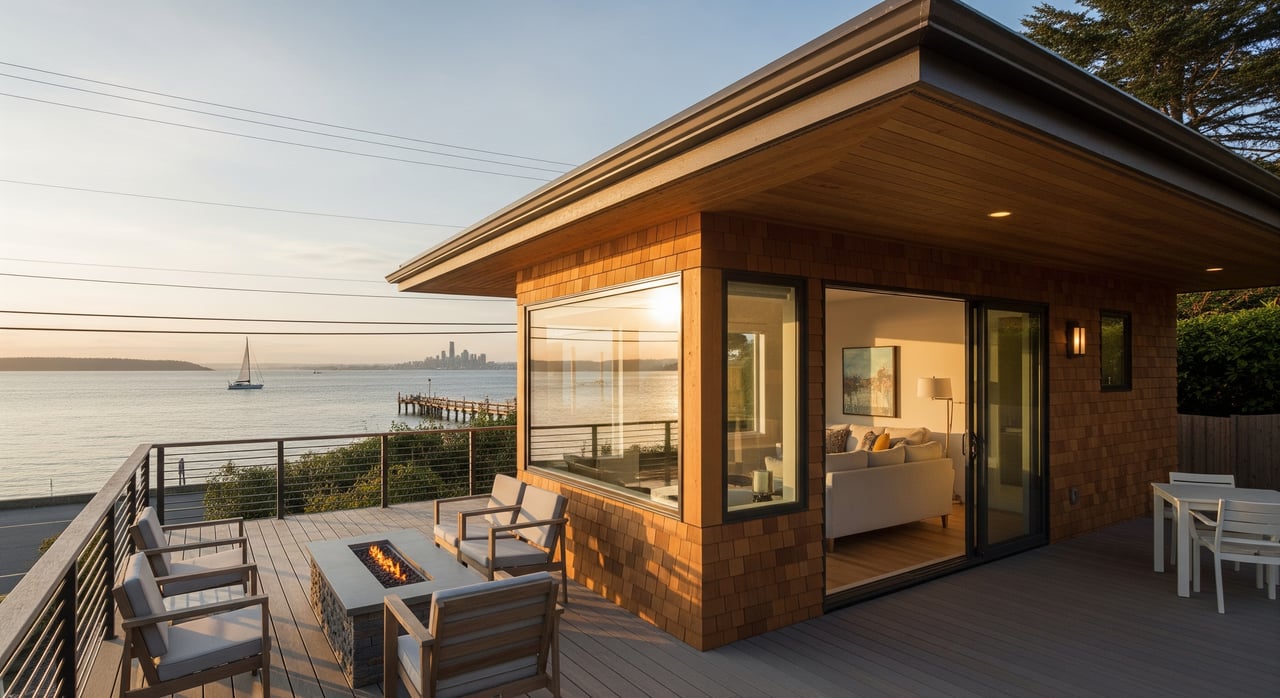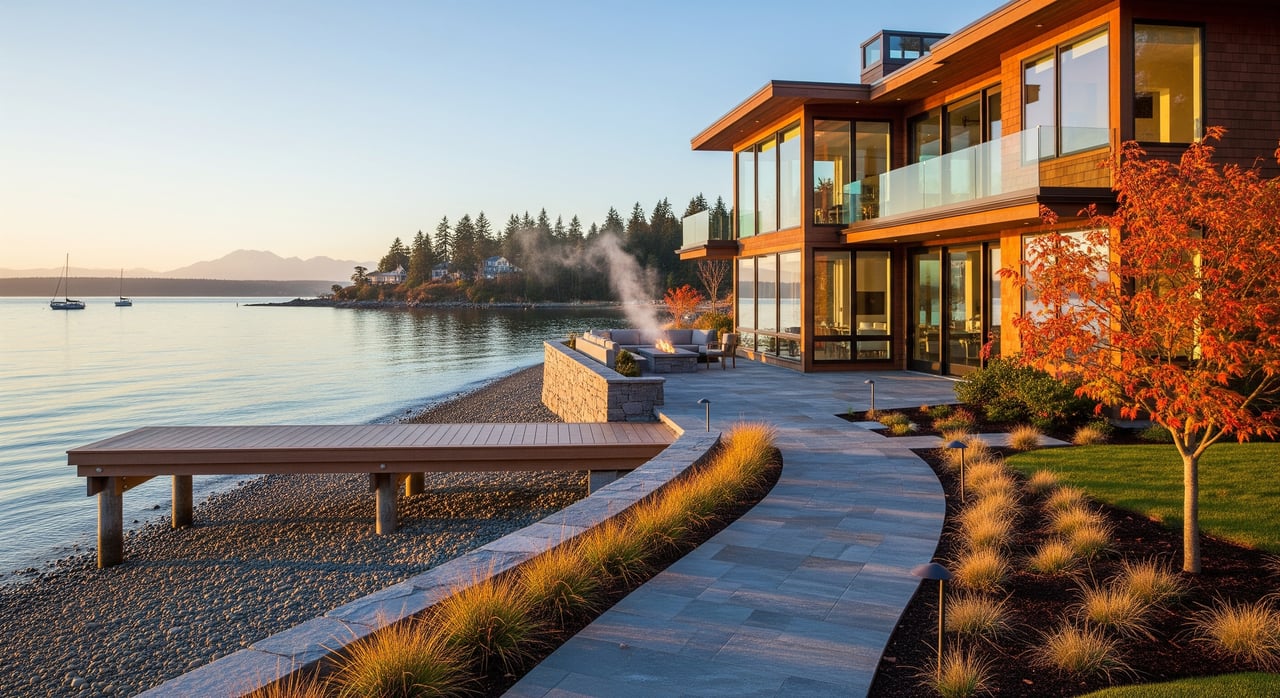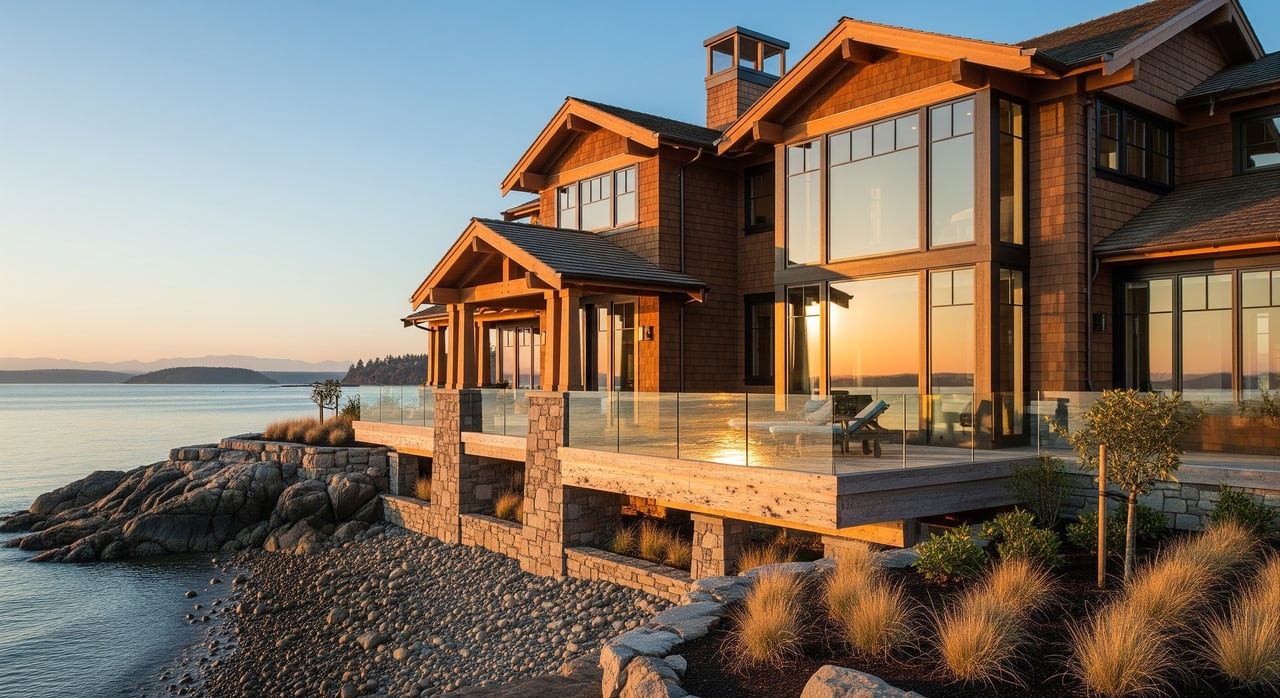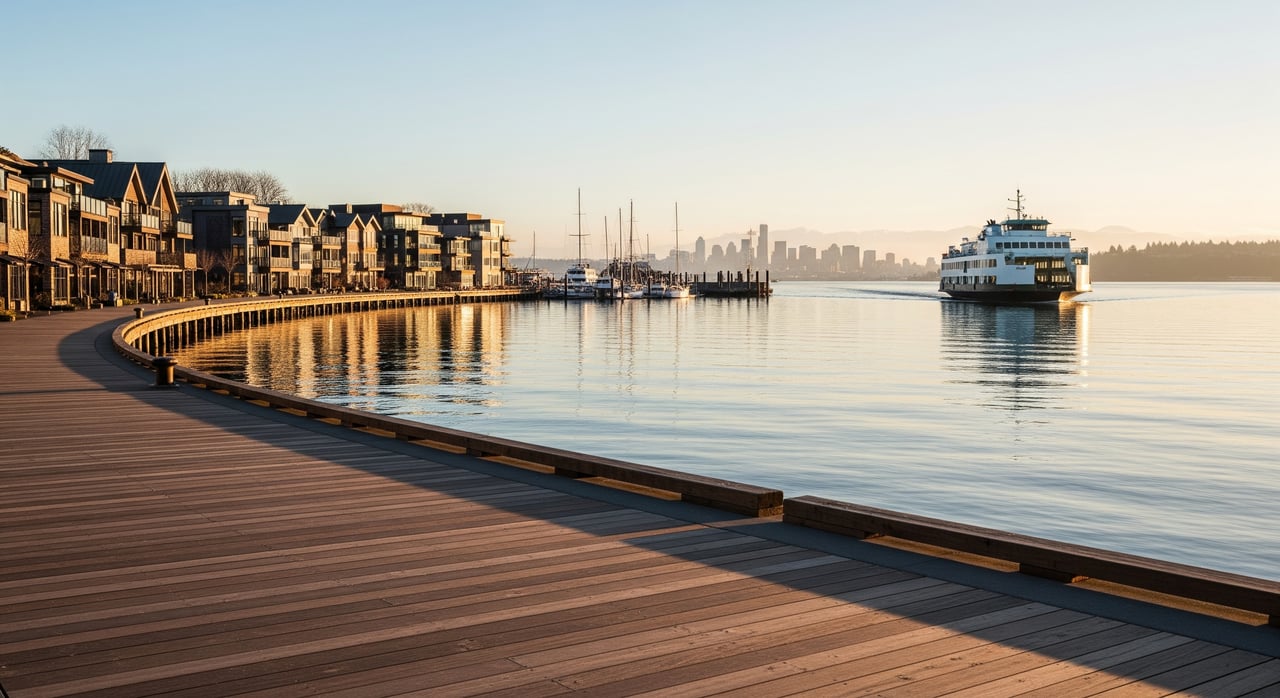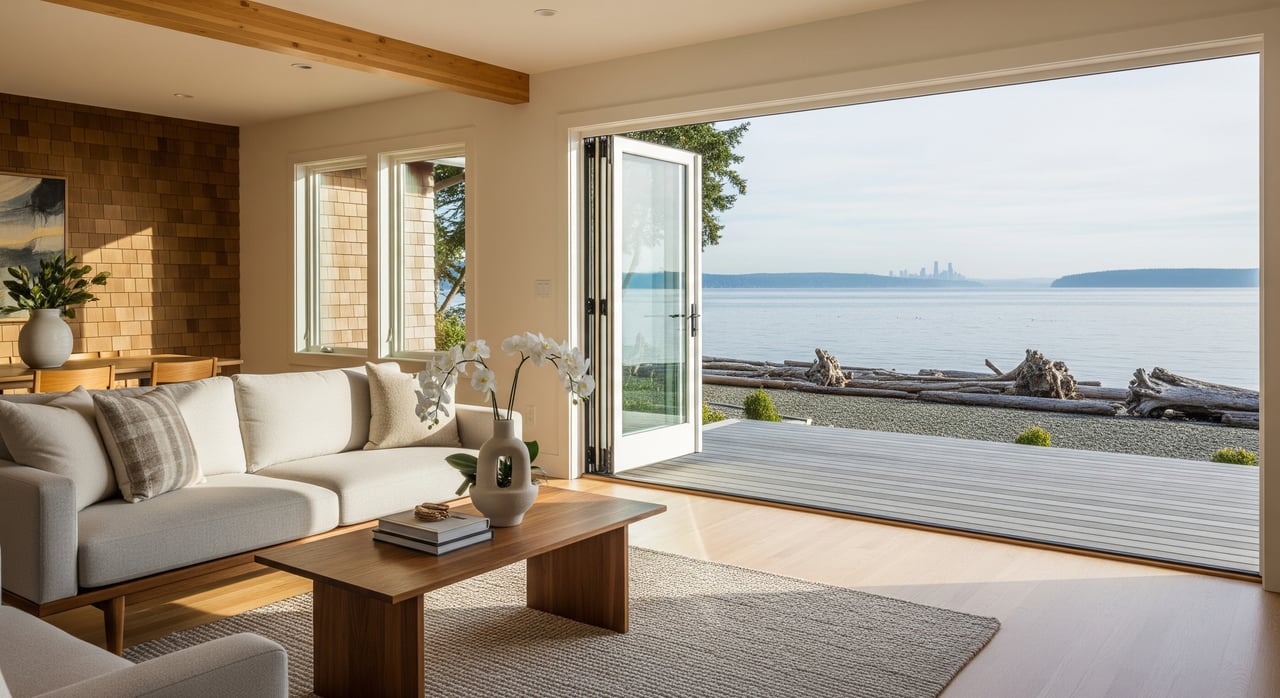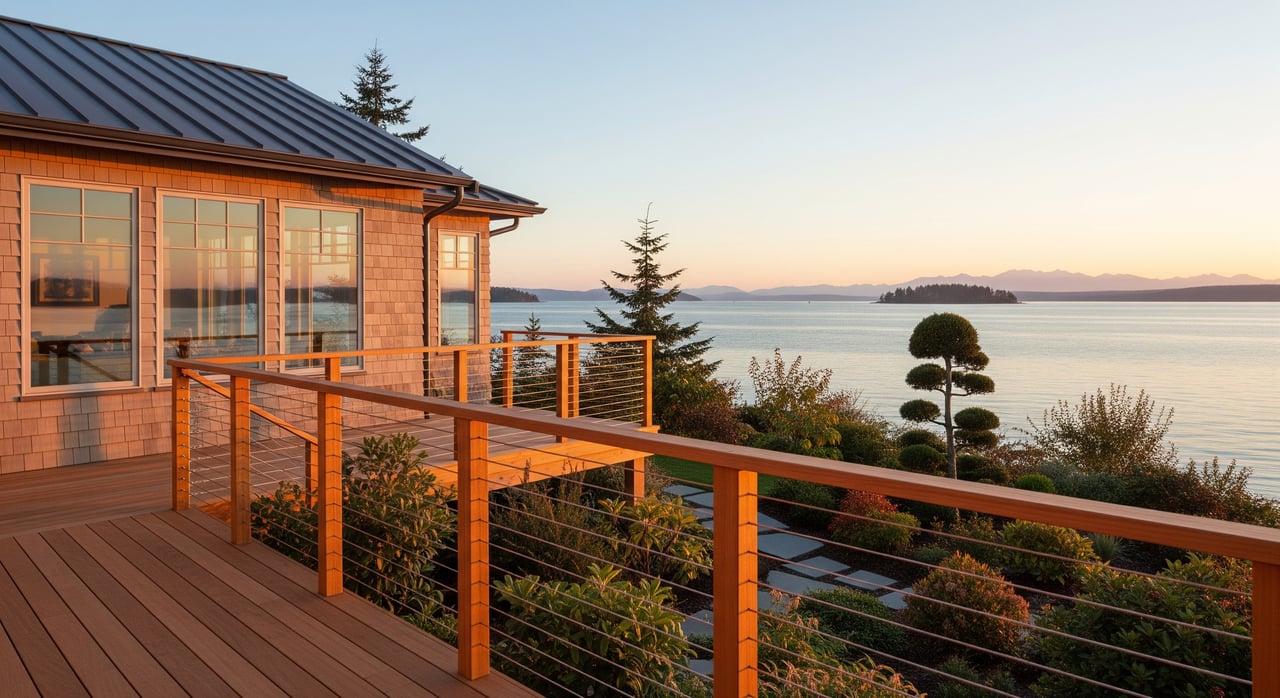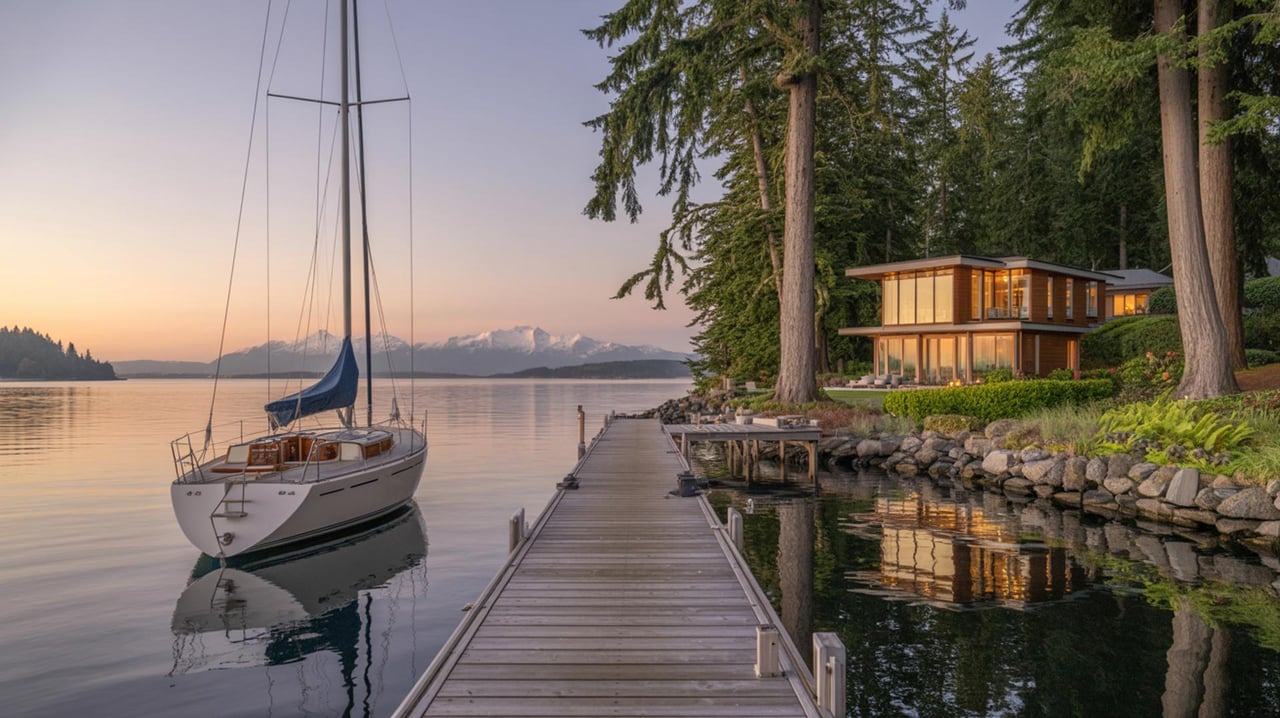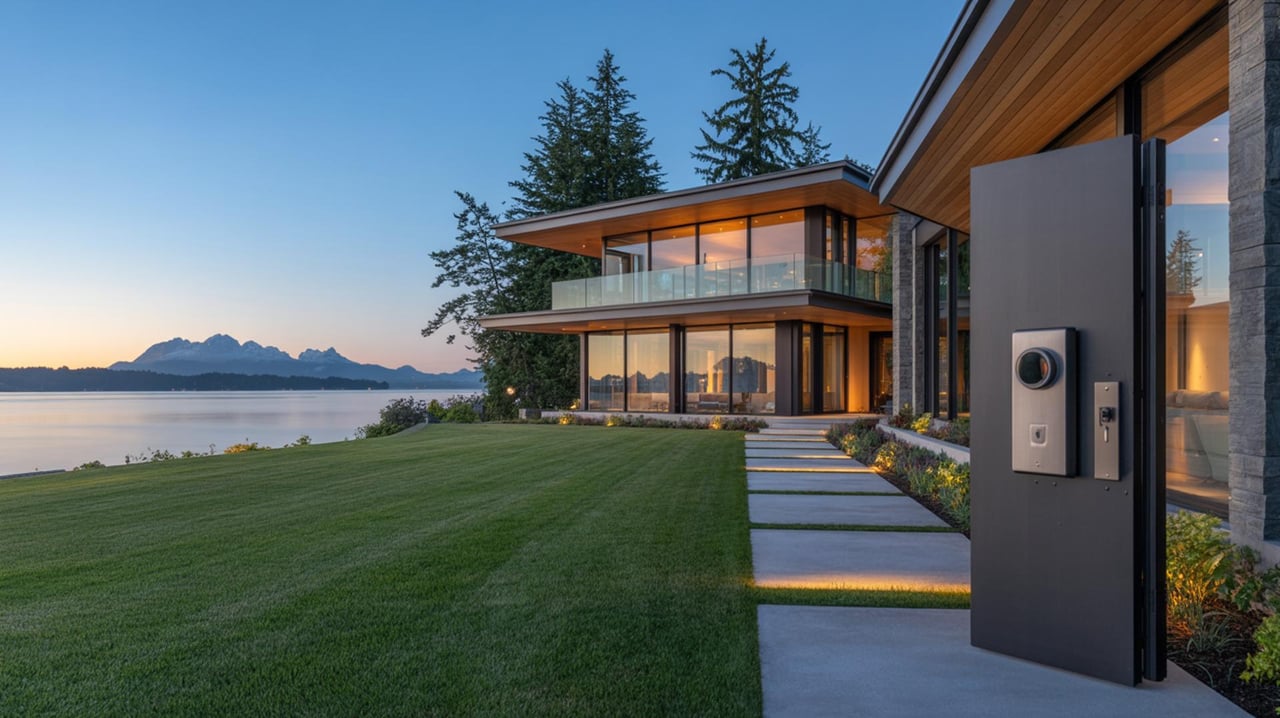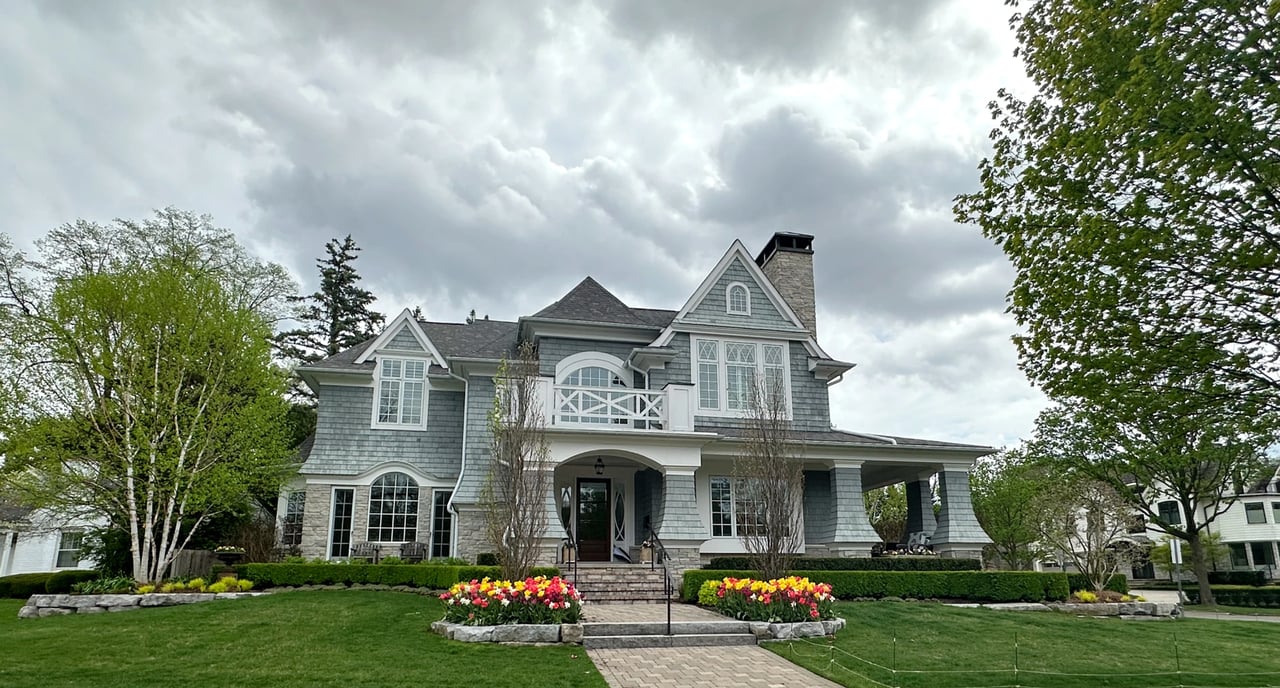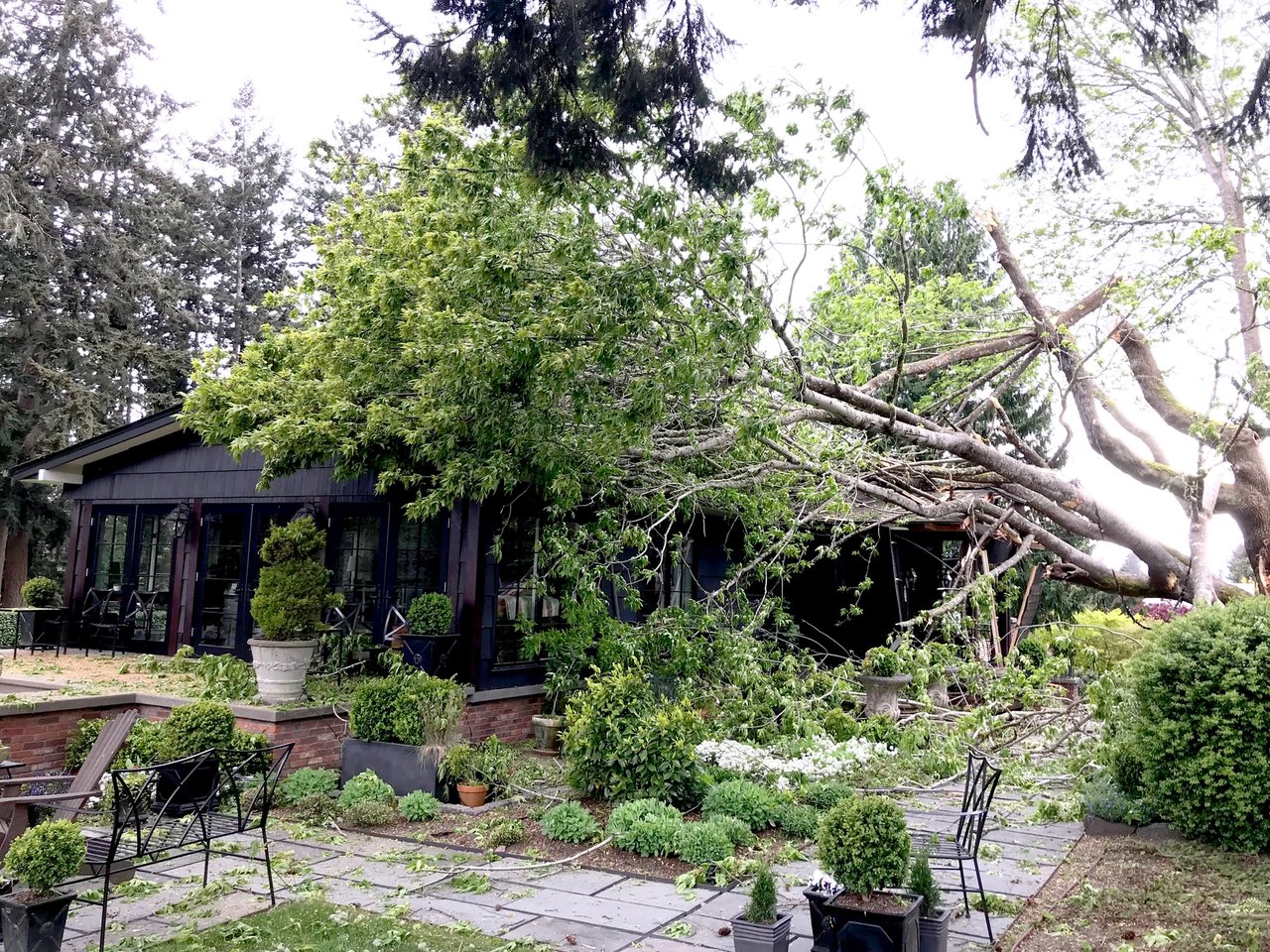
You want the salt air, the sparkle of Eagle Harbor, and an easy hop to the Seattle ferry. The question is whether a condo near the marina or a single-family house by the shoreline fits you best. Both options deliver the Bainbridge lifestyle, but they differ in cost, maintenance, risk, and daily rhythms. This guide walks you through the real tradeoffs, the rules and risks that matter on the water, and the practical steps to make a confident choice. Let’s dive in.
Eagle Harbor at a glance
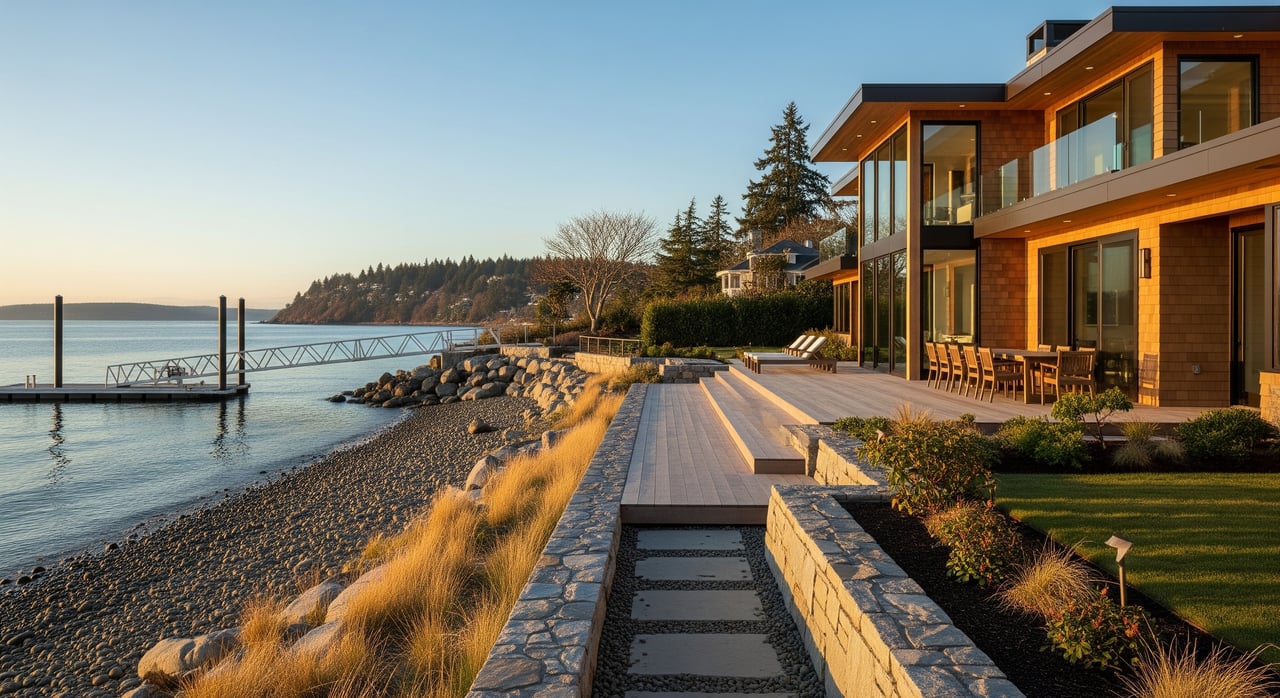
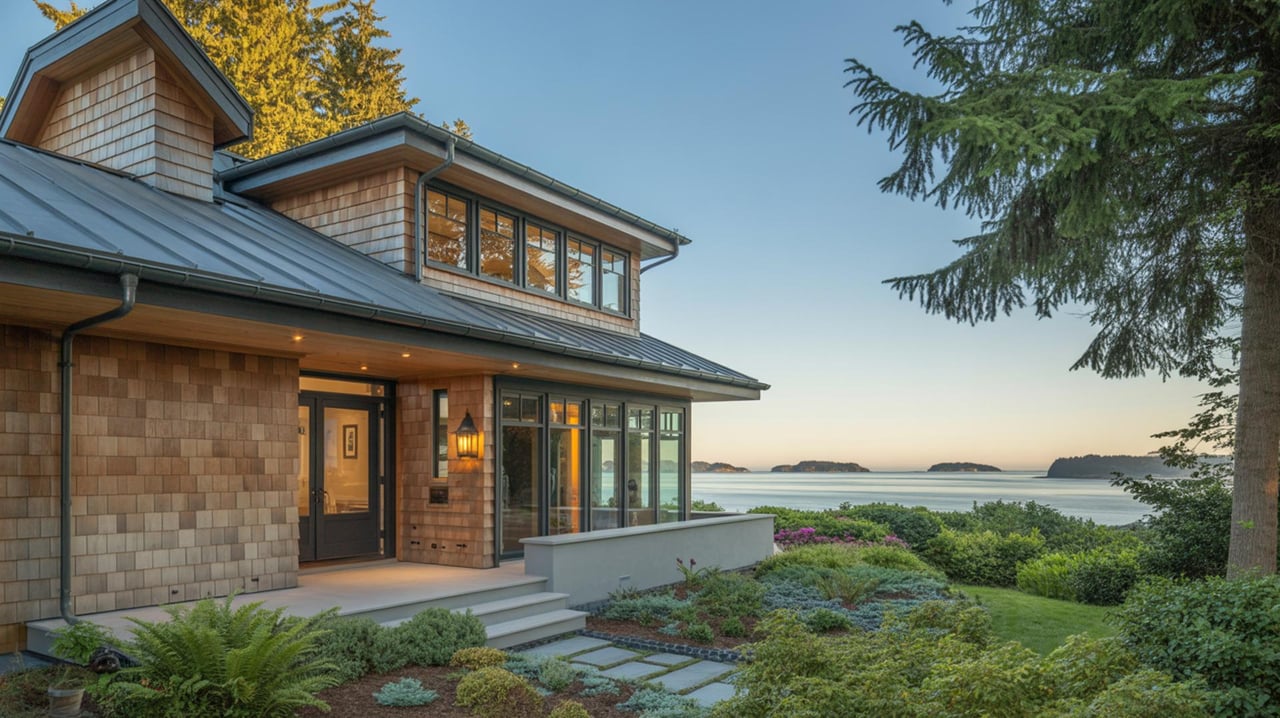
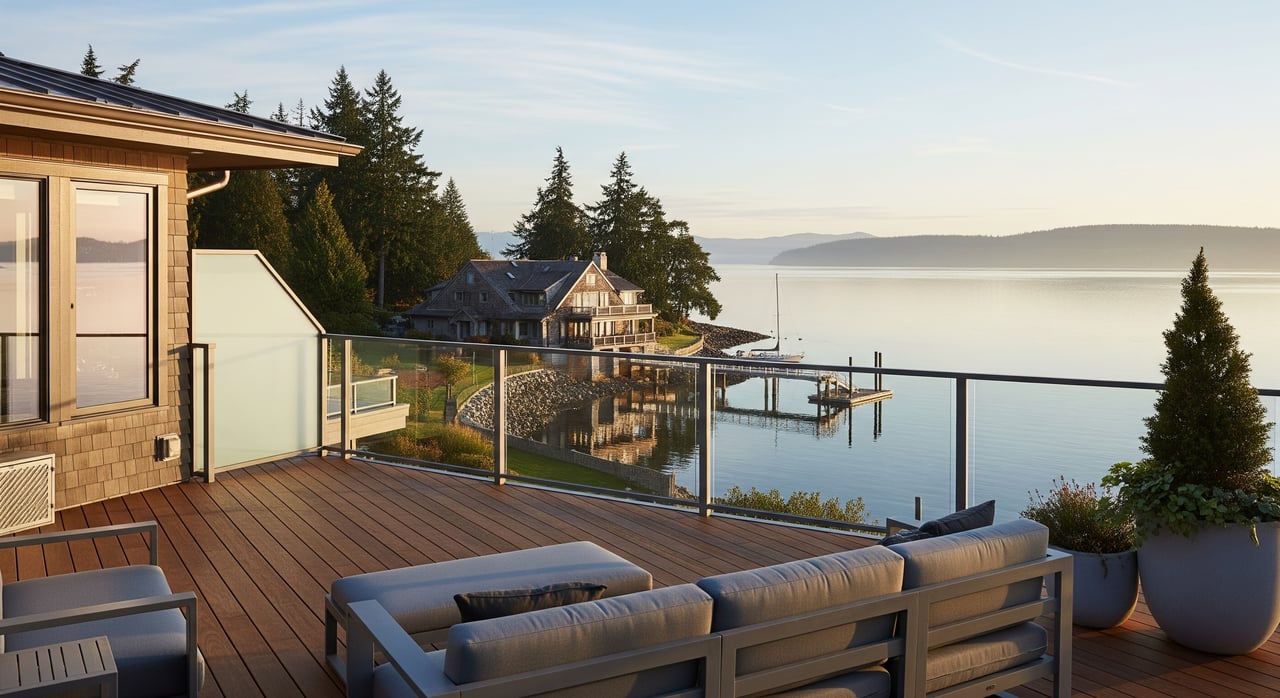
Eagle Harbor sits on the east side of Bainbridge Island in 98110, steps from the ferry terminal and Winslow’s cafes and shops. Homes here range from waterfront and view houses to low-maintenance condos and townhomes tucked near shoreline amenities. Buyers often balance harbor views and access with commute practicality, HOA rules, and the realities of marine exposure.
Condo vs house: quick comparison
| Factor | Condo near Eagle Harbor | House near the water |
|---|---|---|
| Ownership & control | HOA governance, shared decision-making | Full control and responsibility |
| Upfront price patterns | Typically lower entry price per unit; premiums for direct harbor views | Premiums for private shoreline, larger lots, or docks |
| Monthly costs | HOA dues plus HO6 insurance; lower personal exterior maintenance | Owner pays all maintenance, utilities, and insurance |
| Maintenance | Exterior and common areas handled by HOA | You manage roof, siding, landscaping, and any shoreline structures |
| Insurance | Master policy covers structure; owner adds HO6 and loss assessment coverage | Full homeowners policy; separate flood coverage if required |
| Shoreline responsibility | Usually none or shared common-area obligations | Bulkheads, riprap, stairs, and docks are your responsibility |
| Coastal hazards | Building elevation and design may buffer risks | Parcel-specific flood, erosion, and salt exposure risks vary widely |
| Permits & rules | HOA rules plus city and state shoreline regulations for common areas | Direct compliance with city/state shoreline permits for any work |
| Privacy | Moderate; neighbors and shared walls | Higher privacy depending on lot size and orientation |
| Views & access | Strong views possible; access may be shared or limited | Potential for private access and long views, parcel dependent |
| Noise & activity | Building orientation can buffer ferry and marina activity | Water-level sites may experience more boat and ferry noise |
What shapes pricing in 98110
Waterfront and near-water houses often command premiums for privacy, lot size, and private access features. Condos trade at a lower total price point but can reach a high price per square foot when views are exceptional. Inventory for true waterfront can be limited, and days on market vary with condition, access, and shoreline improvements. Seasonal demand can reflect Seattle employment and ferry commute considerations.
Total monthly costs: how they stack up
For condos, your monthly outlay typically includes mortgage, property taxes, HOA dues, and HO6 insurance. HOA dues often cover exterior maintenance, common-area insurance, landscaping, and reserves. Always review the HOA’s reserve study and budget to see if future projects could prompt special assessments.
For houses, your monthly picture includes mortgage, taxes, homeowners insurance, and all maintenance. Near the water, plan for more frequent paint and finish cycles, and budget for deck, roof, and window care accelerated by salt air and moisture. If your parcel has a bulkhead, stairs, or a dock, set aside reserves for inspection, repair, or eventual replacement.
On either path, consider flood, earthquake, and wind-driven water coverage. Condos usually rely on a master policy for the building, while you carry an HO6 policy for interior coverage and loss assessments. Houses rely on your individual policy, and many lenders will require separate flood insurance for homes in designated flood zones. Always obtain local quotes before you decide.
Marine hazards and rules to know
Flood zones and flood insurance
Start by confirming whether a property sits in a designated flood zone and note its Base Flood Elevation. The FEMA Flood Map Service Center is the authoritative resource lenders use to determine flood insurance requirements.
Sea level rise planning
Puget Sound communities are planning for higher high tides and more frequent storm surge over coming decades. Use the NOAA Sea Level Rise Viewer to visualize potential scenarios by timeframe. Projections vary by model and planning horizon, so view a range and consider how elevation and shoreline structures factor into long-term resilience.
Shoreline permits, docks, and armoring
Shoreline changes are highly regulated. Work on bulkheads, riprap, docks, and beach access can require city and state approvals, including permits under the City of Bainbridge Island’s shoreline rules and the Washington Department of Fish & Wildlife’s Hydraulic Project Approval. Start with the City of Bainbridge Island for permit history and submittal steps. Rules exist to protect nearshore habitat, which may limit new armoring or specify how repairs are made.
Ecological considerations
Eelgrass, forage fish spawning areas, and salmon habitat influence what you can build or repair along the shoreline. For regional context and science-driven planning, explore the Puget Sound Partnership. Expect project conditions aimed at protecting habitat.
Maintenance realities near salt water
Salt air and moisture speed up corrosion, paint breakdown, and hidden rot. Expect shorter maintenance cycles for exterior metals, fasteners, and finishes. Ventilation and moisture control in crawlspaces and attics deserve close attention.
Shoreline structures need specialized care. Bulkheads, stairs, and docks should be inspected on a schedule, especially after winter storms. Replacement can be expensive and often requires marine contractors and coordinated permitting. Factor this into your long-term budget and due diligence plan.
For condos, the HOA typically handles exterior upkeep and common-area elements, but you still want to review the reserve study, recent meeting minutes, and any planned projects. For houses, plan for regular inspections of foundations, roofing, flashing, and mechanical systems by professionals familiar with marine exposure.
Financing and insurance differences
Lenders review condos differently than single-family homes. Condo financing may require a project review including owner-occupancy ratios, HOA budget strength, and master policy coverage. For houses, underwriting focuses on the structure and parcel-specific risks like flood or bluff stability.
Insurance needs also diverge. Condo owners carry HO6 policies that cover interior finishes, personal property, and potential loss assessments if an HOA claim exceeds master policy limits. House owners handle full structure coverage, plus separate flood insurance if required by the property’s FEMA designation. In all cases, seek quotes from local brokers experienced with Bainbridge waterfront and near-water properties.
Lifestyle: commute, walkability, and activity
A big draw of Eagle Harbor is proximity to the Bainbridge–Seattle ferry. Weigh your door-to-door transit time, including potential wait times and terminal parking. Winslow’s shops, trails, and restaurants are close by, which can add walkability and convenience.
Activity and sound levels vary by location. Ferry operations and boating traffic create a distinctive working harbor backdrop. Condos sometimes buffer noise through elevation or building orientation, while water-level houses can experience more ambient harbor sounds. Visit at different times of day to calibrate your comfort level.
Buyer checklist for Eagle Harbor
- Confirm FEMA flood zone and review Base Flood Elevation using the FEMA map center.
- Use NOAA’s viewer to understand sea level rise scenarios relevant to your timeframe.
- Order a thorough home inspection with a focus on moisture, roof, flashing, and mechanicals.
- Hire a marine-structure specialist to assess bulkheads, stairs, and docks.
- For bluff or steep parcels, get a geotechnical opinion on stability and drainage.
- Verify shoreline permit history with the City of Bainbridge Island; note any violations or conditions.
- For condos, request the HOA’s reserve study, budgets, bylaws, CC&Rs, minutes, and master insurance policy.
- Confirm utilities, including sewer versus septic, and any stormwater constraints.
- Obtain quotes for homeowners, flood, and earthquake coverage from local brokers.
- Consider ferry commute logistics and visit the property at different times to experience noise and activity.
Seller checklist: set buyers at ease
- Complete Washington seller disclosure forms thoroughly with shoreline details.
- Compile building, shoreline, and mechanical permits; include recent inspections if available.
- For condos, provide the HOA’s reserve study, budgets, master policy, and any special assessment history.
- Document shoreline maintenance and repairs, including contractor details and dates.
- Share flood zone information and, if applicable, elevation certificates or surveys.
- Note utility connections, including sewer versus septic, and any upgrades.
- Highlight walkability to Winslow and ferry convenience to help buyers envision daily life.
- Ask about strategic pre-listing improvements; staging and presentation can lift results.
Which is right for you?
Choose a condo if you want low-maintenance living, predictable monthly costs through HOA planning, and close-in convenience. Choose a house if you value privacy and control, and you are ready to budget for shoreline stewardship and exterior upkeep. Either way, you can enjoy Eagle Harbor’s blend of small-town warmth and Seattle access.
If you want a calm, local perspective tailored to your goals, let’s talk. Connect with McLaughlin & Co. for a clear plan to compare properties, review HOA and permit records, and tour homes that match your budget and comfort with marine exposure.
FAQs
What should I check first when comparing Eagle Harbor condos and houses?
- Start with FEMA flood zone status, HOA reserve strength for condos, and shoreline structure condition for houses, then obtain insurance quotes for each option.
Do near-water condos in Eagle Harbor require flood insurance like houses?
- Lenders base flood insurance needs on the building’s FEMA designation; condos rely on the building’s status and master policy, while houses depend on parcel-specific mapping and elevation.
How do HOA dues compare to house maintenance near the harbor?
- HOA dues centralize exterior and common-area costs, while house owners pay directly for roof, siding, landscaping, and shoreline structures; total outlay depends on the specific property and HOA plan.
What permits are needed to repair a dock or bulkhead on Bainbridge Island?
- Expect city shoreline permits and state approvals such as the WDFW Hydraulic Project Approval, with conditions to protect nearshore habitat.
How will sea level rise affect Eagle Harbor properties over time?
- Projections vary by scenario and timeframe; use NOAA’s viewer to see ranges and plan for elevation, drainage, and shoreline resilience when evaluating a property.
Are Eagle Harbor homes noisy because of the ferry and marina?
- Activity levels vary by location and orientation; visit at different times to gauge ferry operations and boat traffic relative to your tolerance.