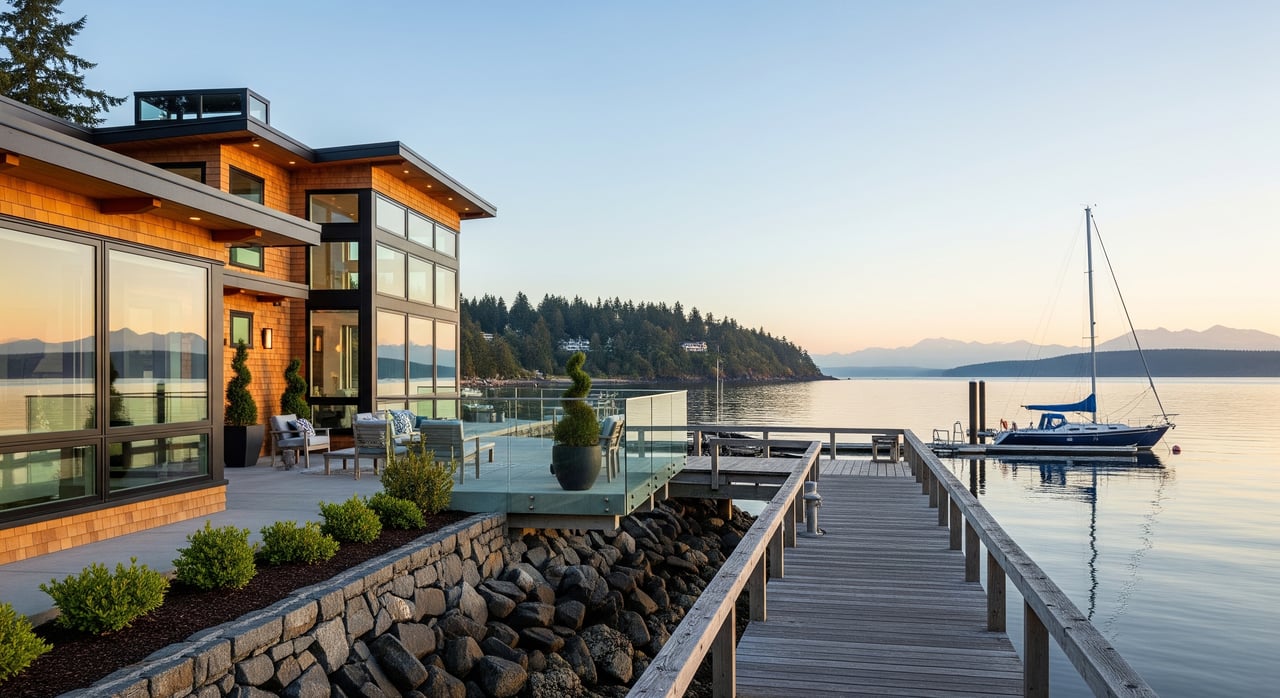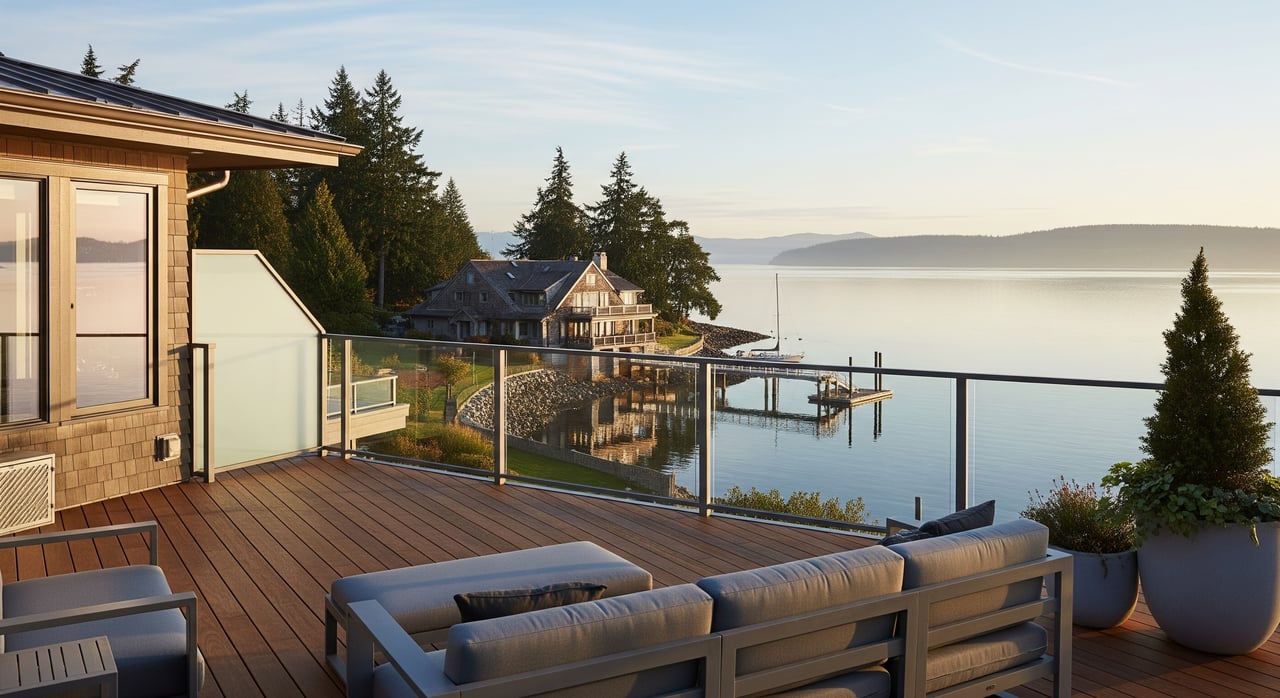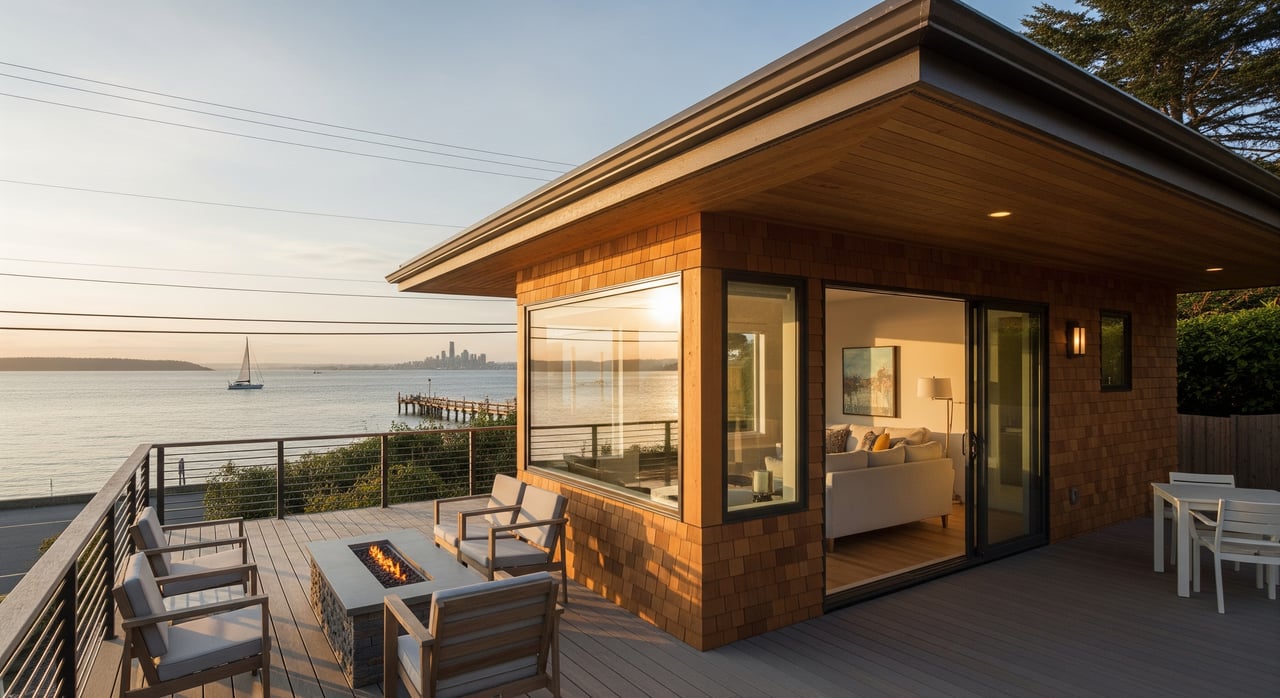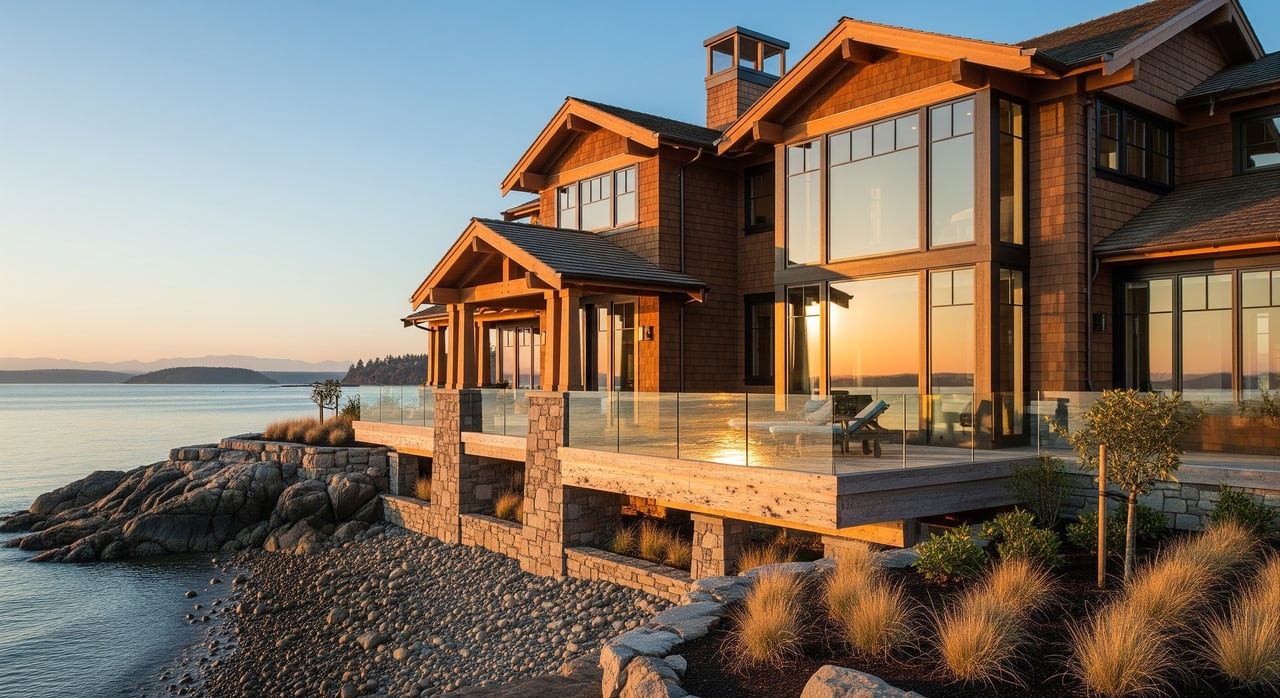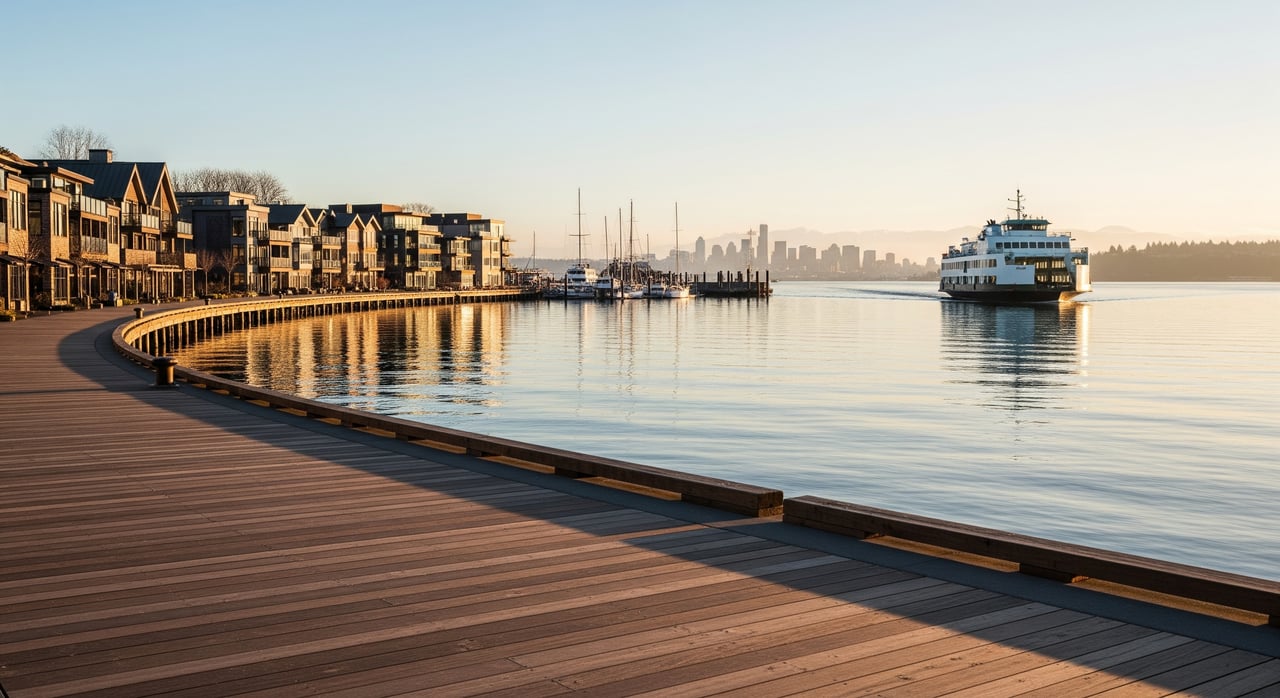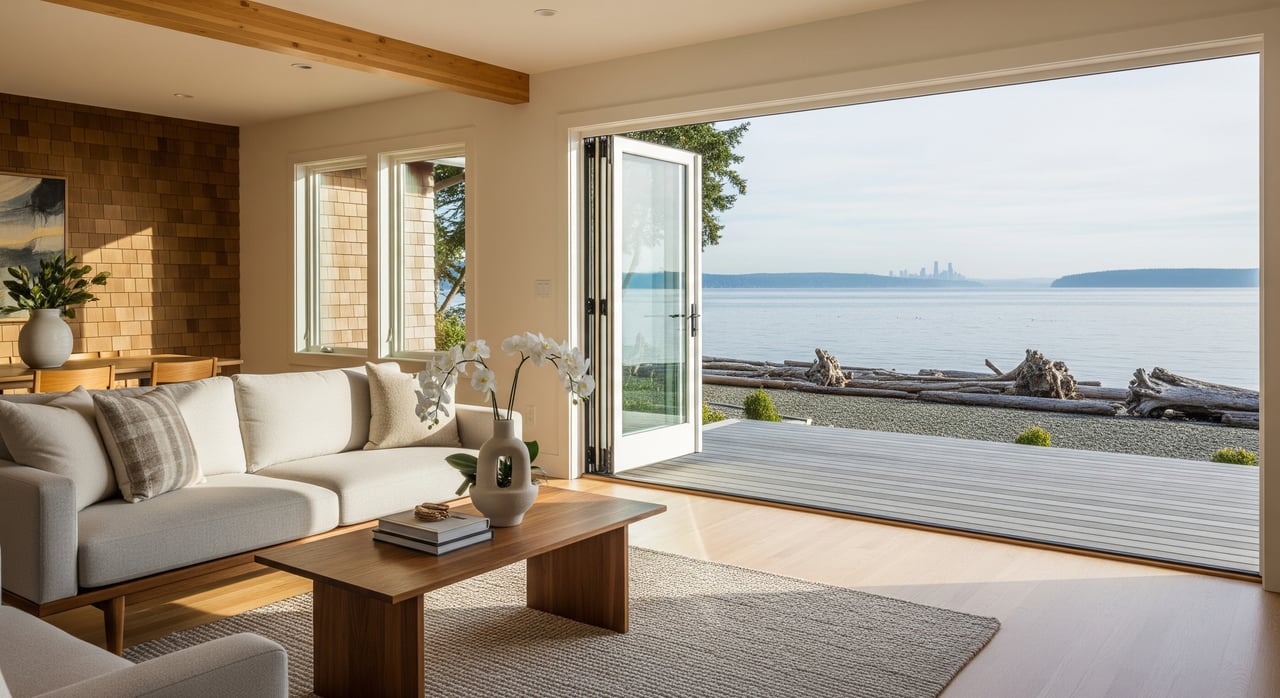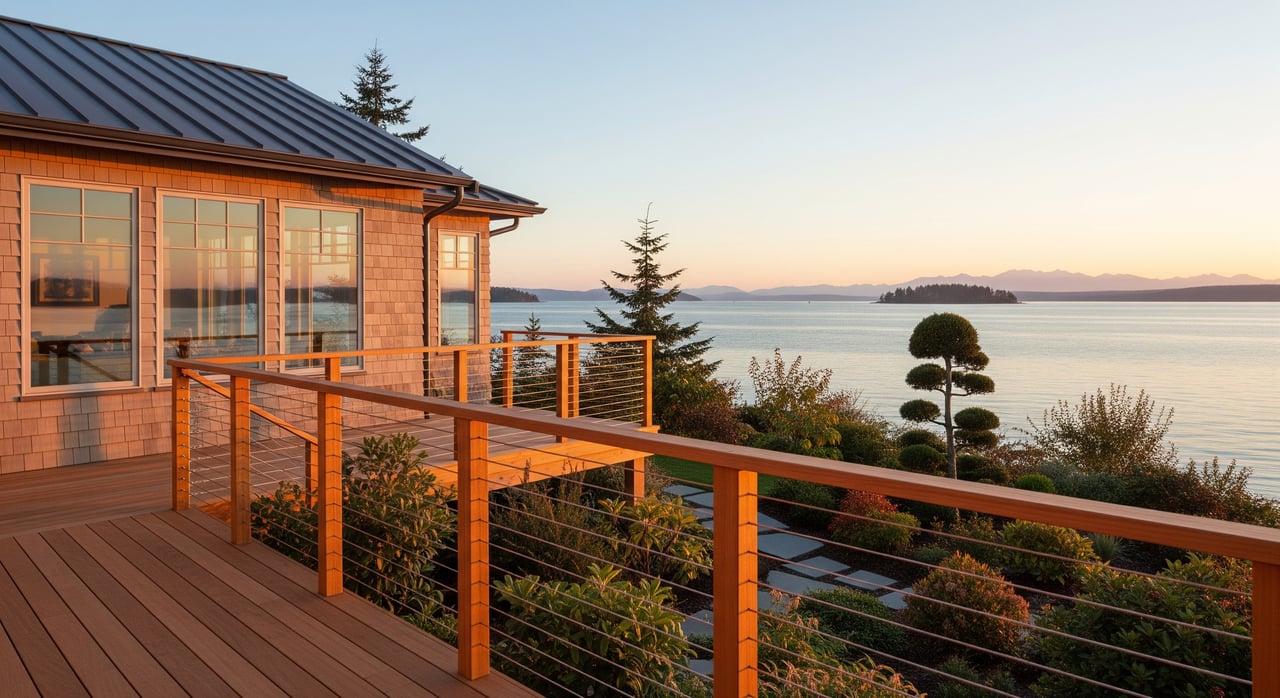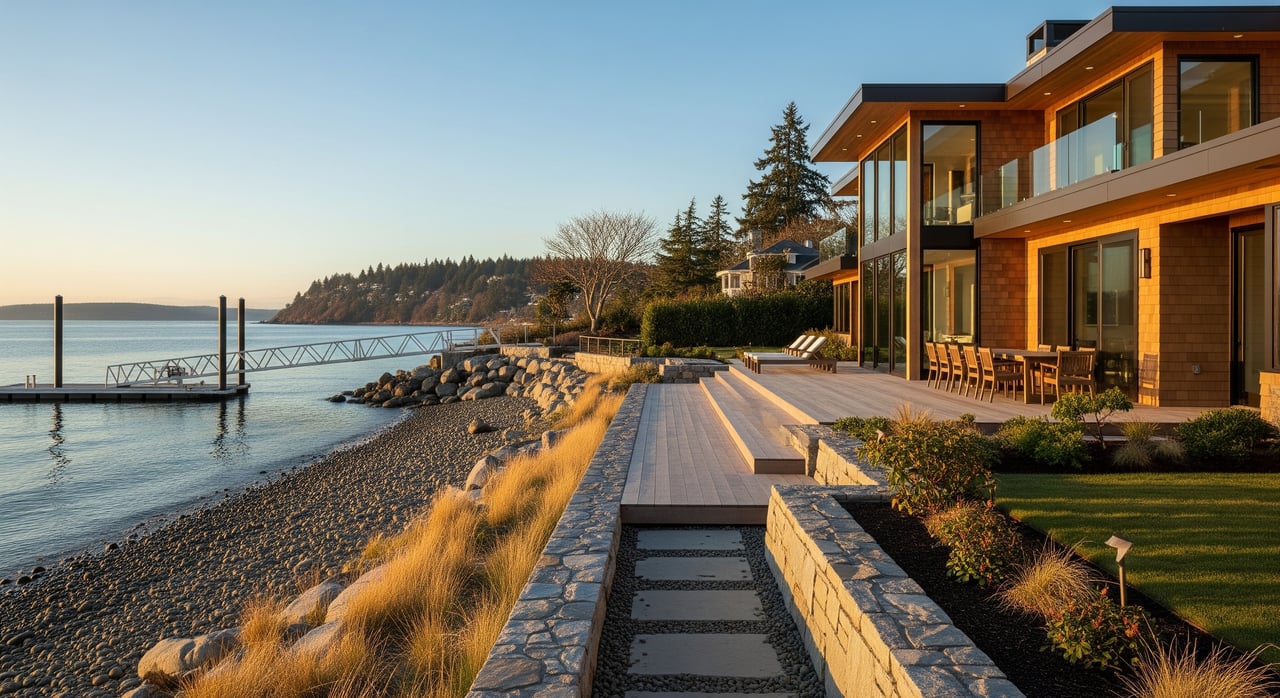
Thinking about selling your Point White waterfront home but unsure where to start? You are not alone. Waterfront listings are special, and the details matter. In this guide, you will see how to prepare, price, present, and promote your property to reach serious buyers and keep your sale on track. Let’s dive in.
Why Point White waterfront needs a plan
Point White sits within ZIP 98110 on Bainbridge Island, where waterfront homes are a specialty segment with limited inventory and strong lifestyle appeal. Buyers often come from the Seattle and King County market, local boaters, and second‑home or retirement buyers. They prioritize views, moorage, privacy, water quality, and proximity to the Bainbridge–Seattle ferry. Listing timing can help. Waterfront shows best from late spring through early fall, though relocations and weekend ferry schedules can drive demand year‑round.
Step 1: Document and prepare the shoreline
Permits and shoreline history
Waterfront work is regulated by Washington’s Shoreline Management Act and the Kitsap County Shoreline Master Program. If you have done bulkhead repairs, dock work, or vegetation changes, gather permits and any approvals. Some docks or floats may involve state‑owned aquatic lands, which can require authorization from the Washington Department of Natural Resources. If you are unsure, plan time to verify what was permitted.
Septic, utilities, flood, and title
Many Point White properties are on septic. Pull local health district records, a recent inspection, and pump‑out history. Check if the property is in a FEMA flood zone and whether an elevation certificate exists. For title, confirm boundaries at the mean high‑water line, any tideland leases, and recorded easements that affect shoreline access or use.
Safety and repair priorities
Address anything that could block offers or insurance. Focus on unstable docks or floats, visible erosion or failing bulkheads, septic issues, roof leaks, and drainage. For large capital items like full dock replacement, many sellers disclose condition and offer credits instead of completing the work before listing.
Step 2: Value the waterfront features
What drives price here
Waterfront value is not one‑size‑fits‑all. Key factors include linear frontage, usable beach area, private dock or moorage type, view quality and orientation, and setback from mean high water. Appraisers and buyers put higher weight on recent sales with similar shoreline and moorage. Expect a smaller set of true comparables and the need for thoughtful adjustments.
Smart pricing approach
We prepare a broker opinion that adjusts for shoreline type, moorage details, dock condition, shoreline stabilization, and view corridors. We also outline known capital items with realistic cost ranges. This helps buyers, appraisers, and lenders understand the price and reduce friction later.
Step 3: Stage the water‑to‑home experience
Sightlines and outdoor living
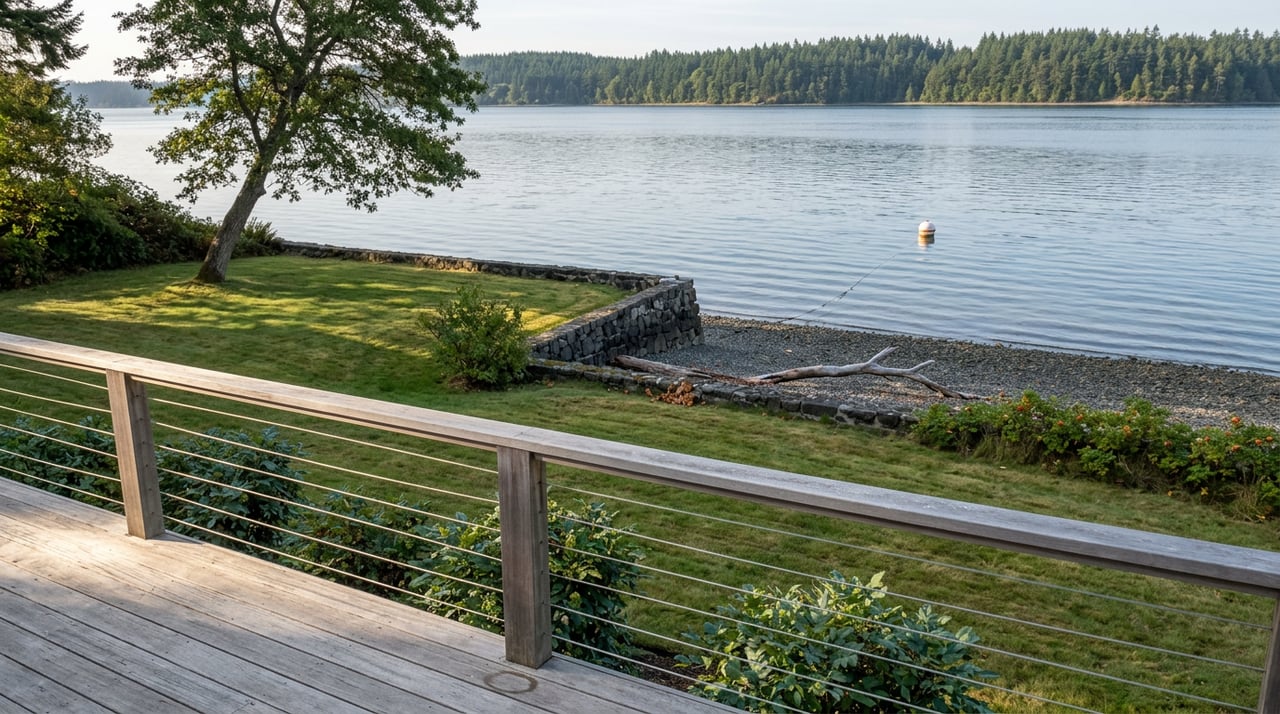
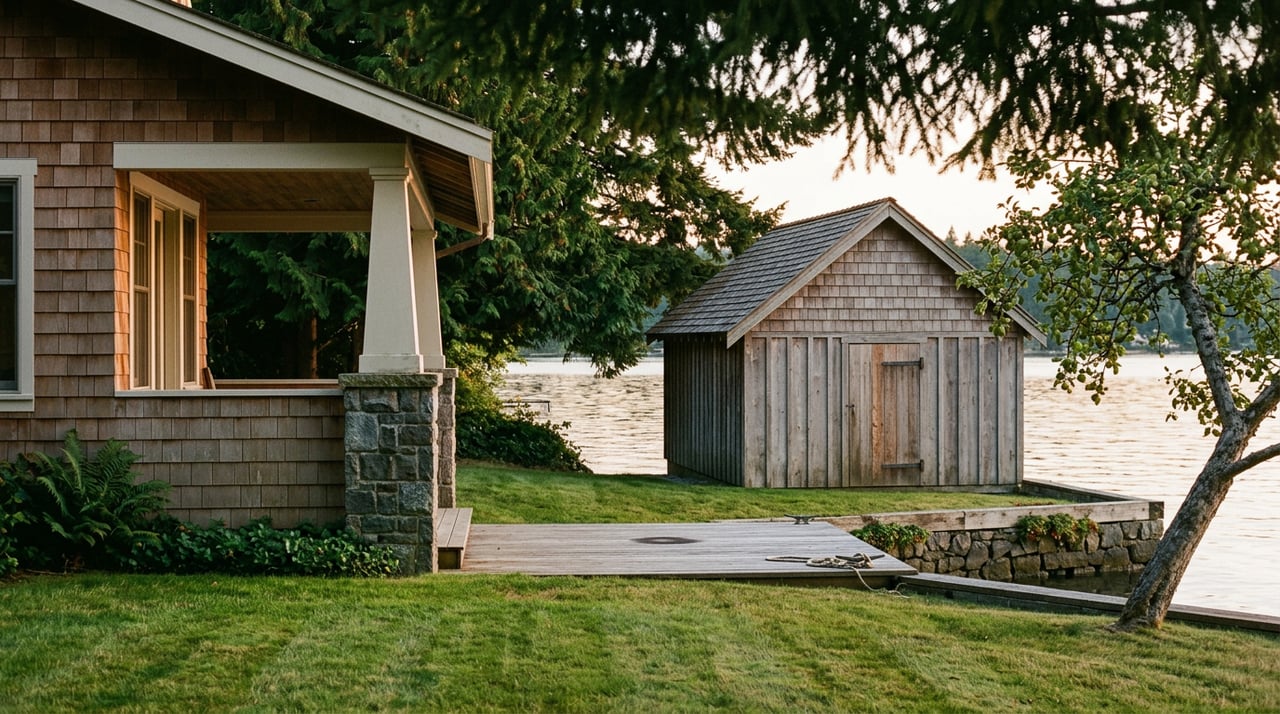
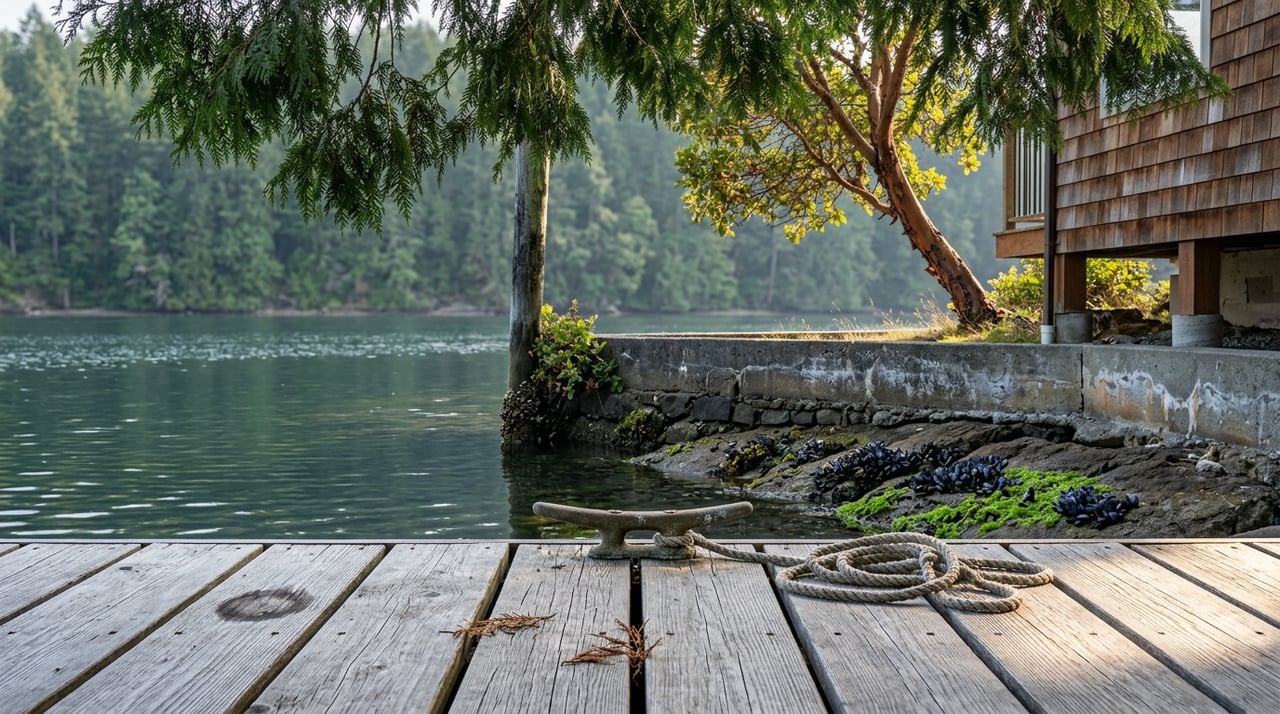
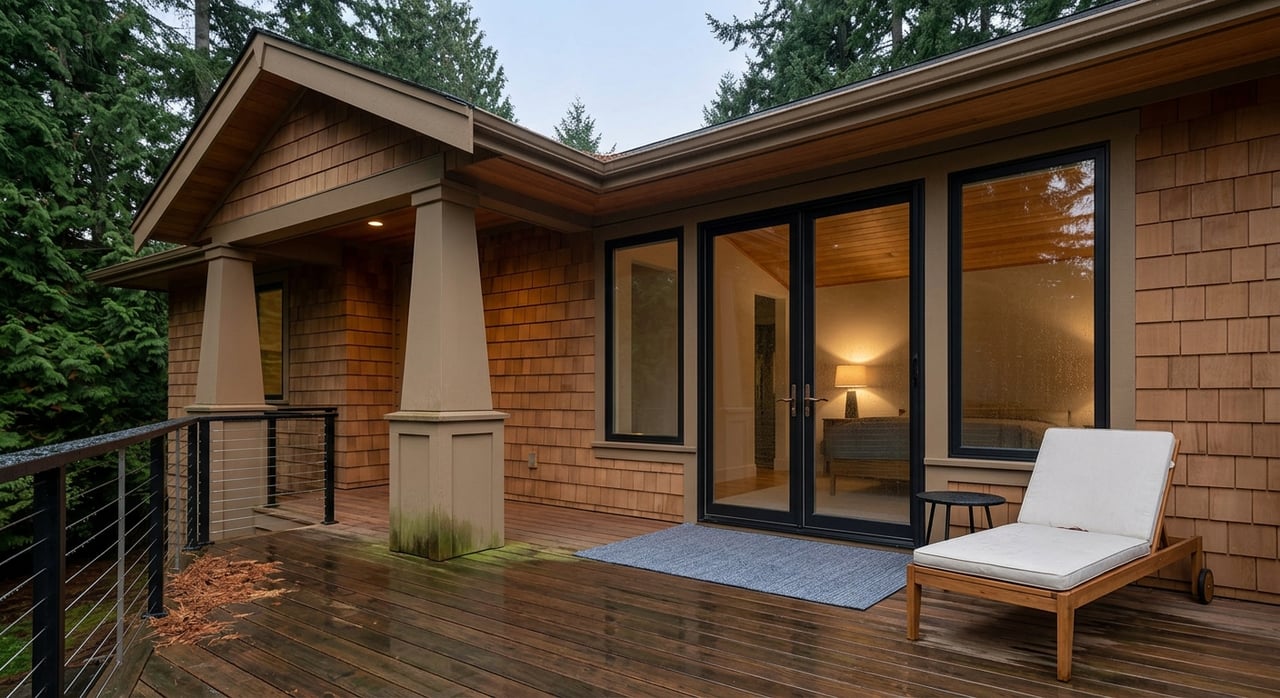
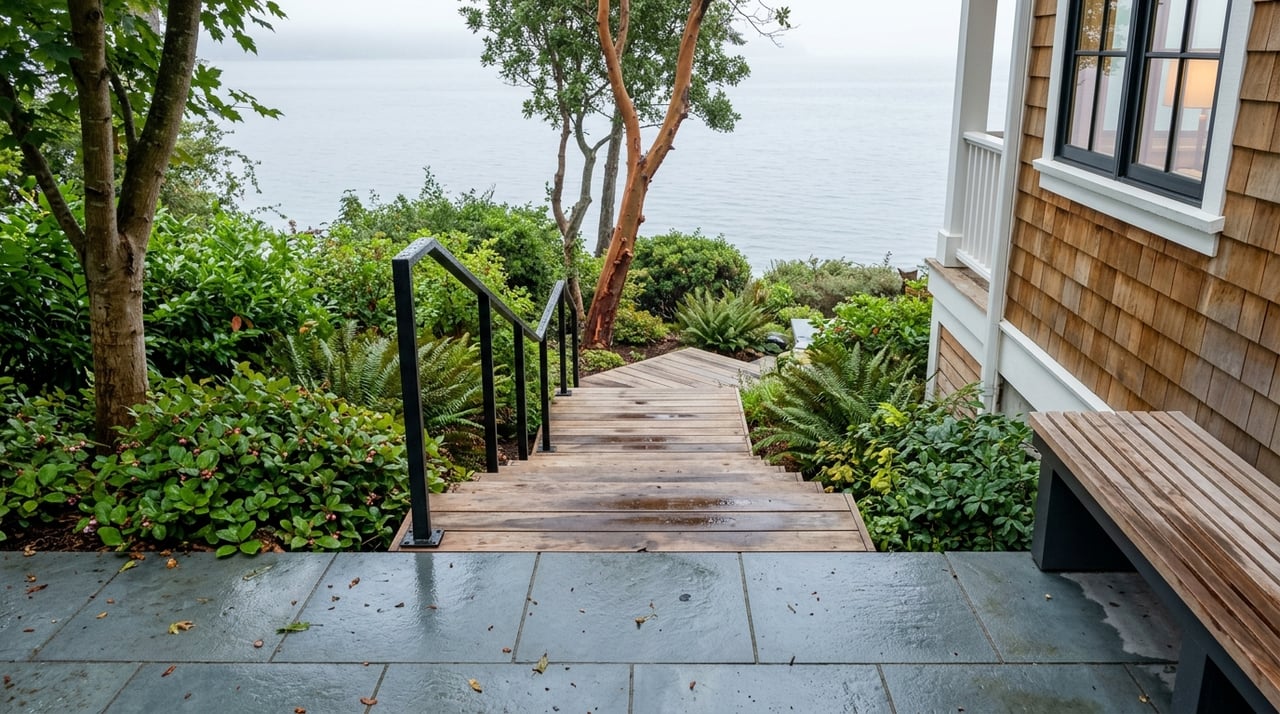
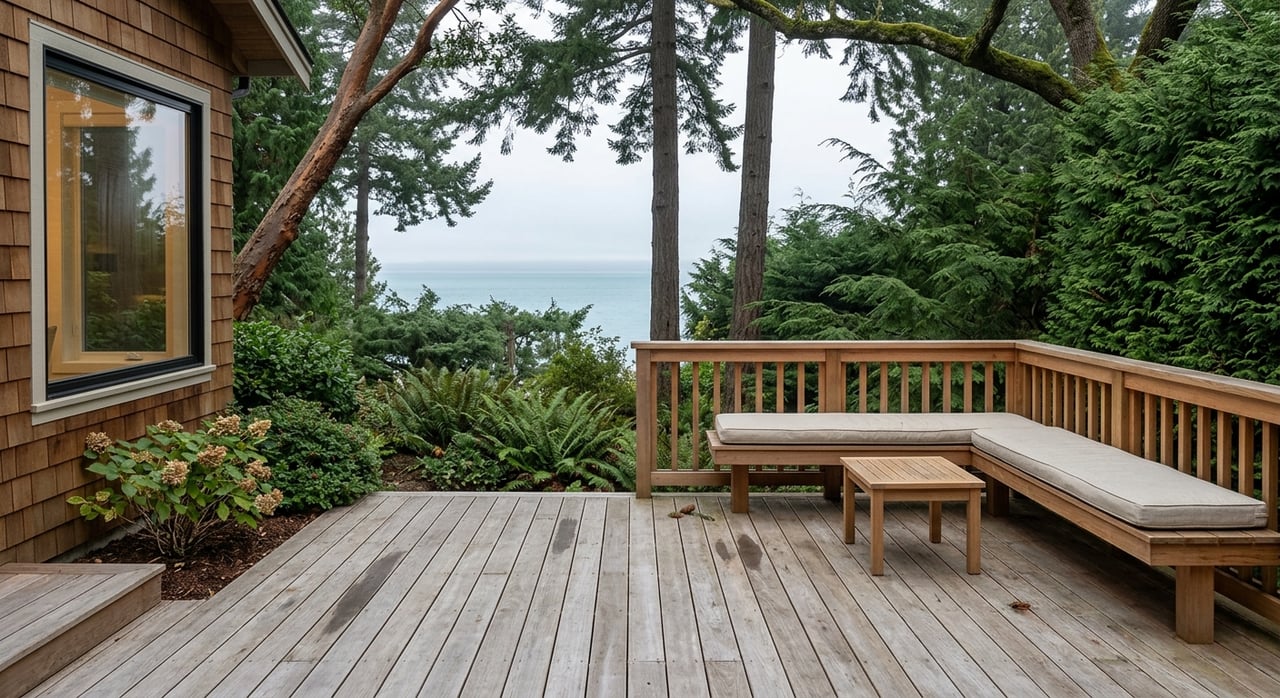
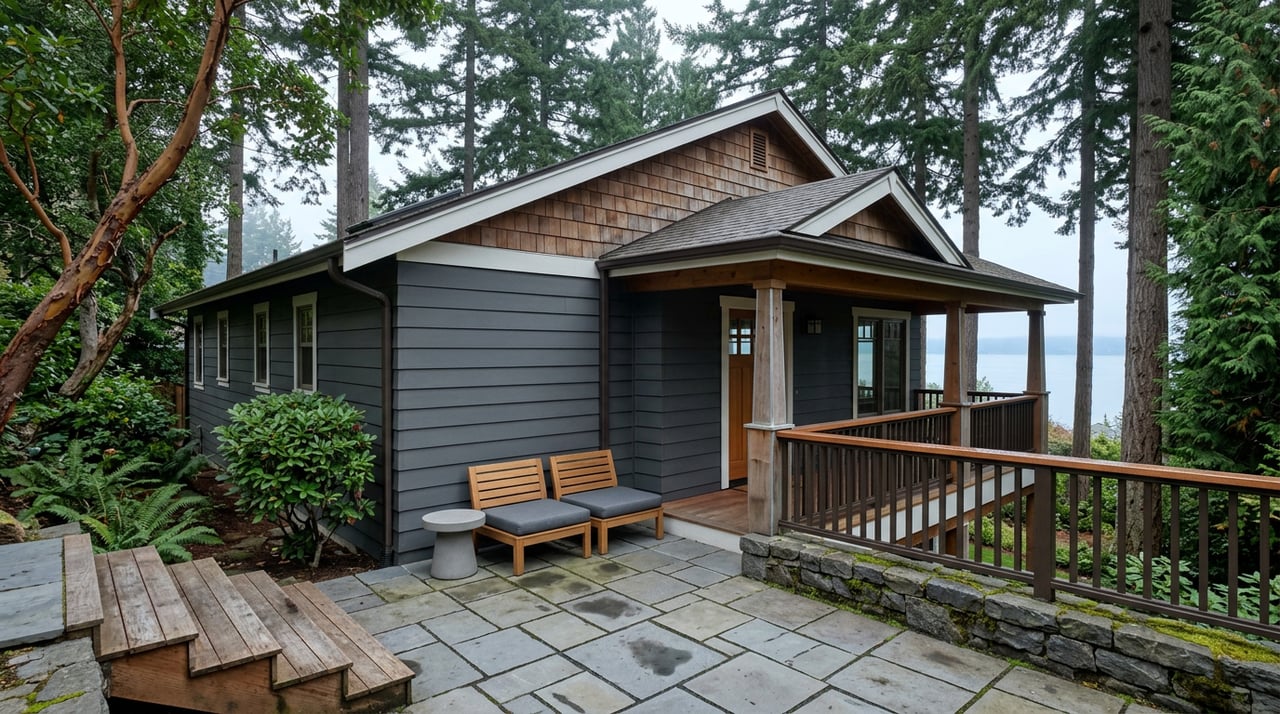
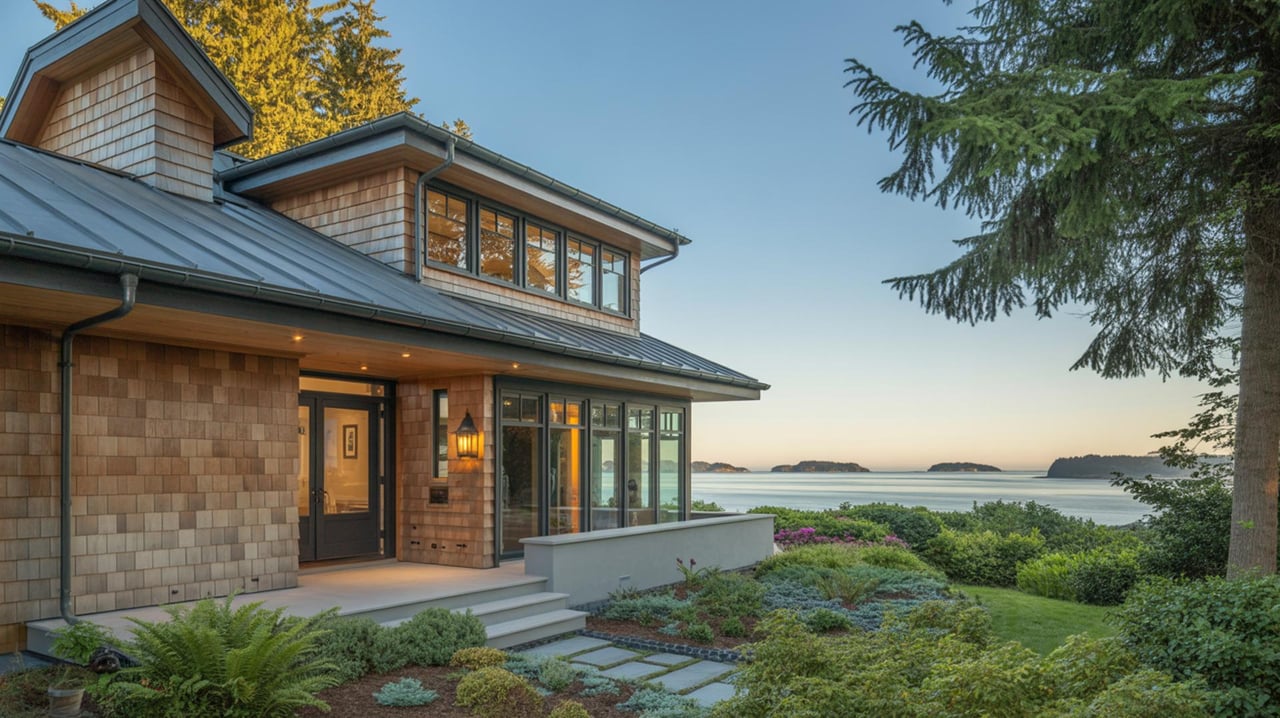
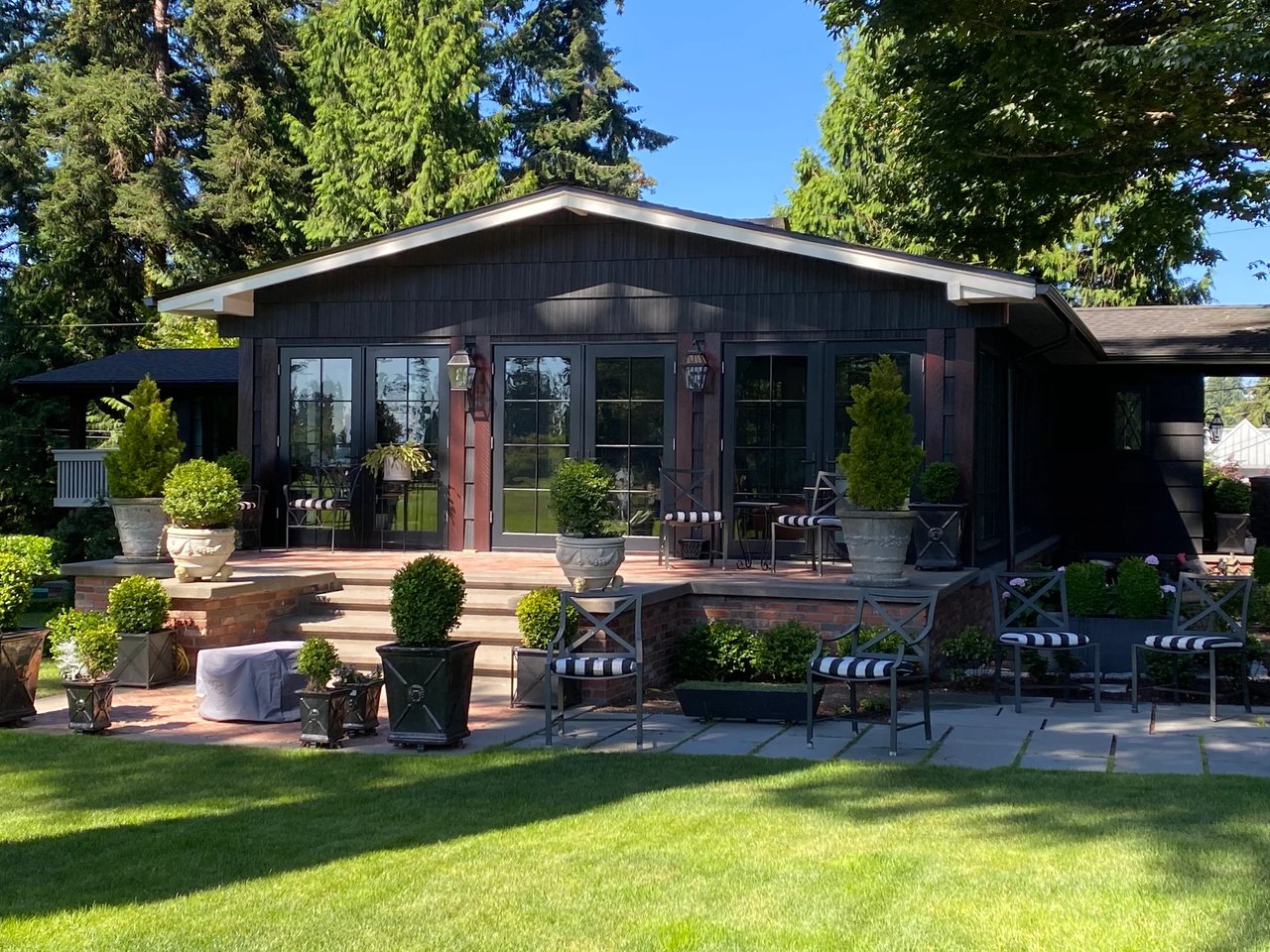
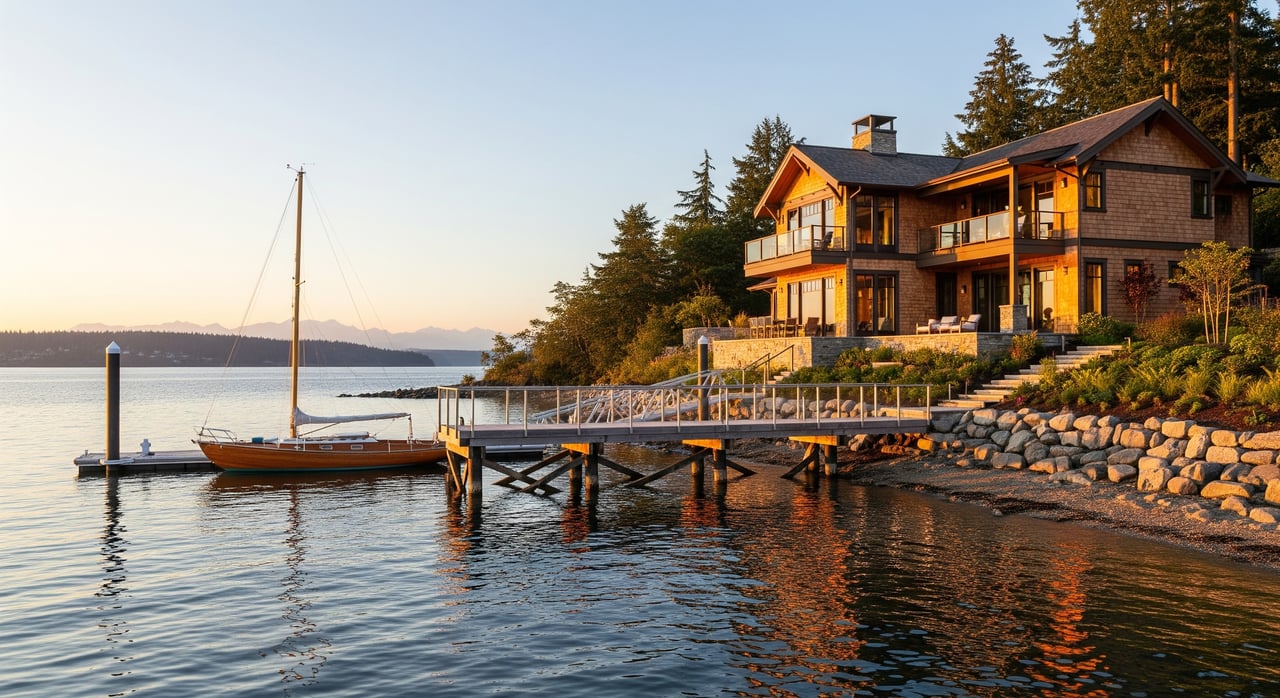
Your goal is a clear, inviting connection from house to shoreline. Maintain native vegetation where appropriate, but open sightlines to the water for photos and showings. Tidy the dock and floats, store gear neatly, and stage decks and patios to highlight outdoor living.
Photography and video plan
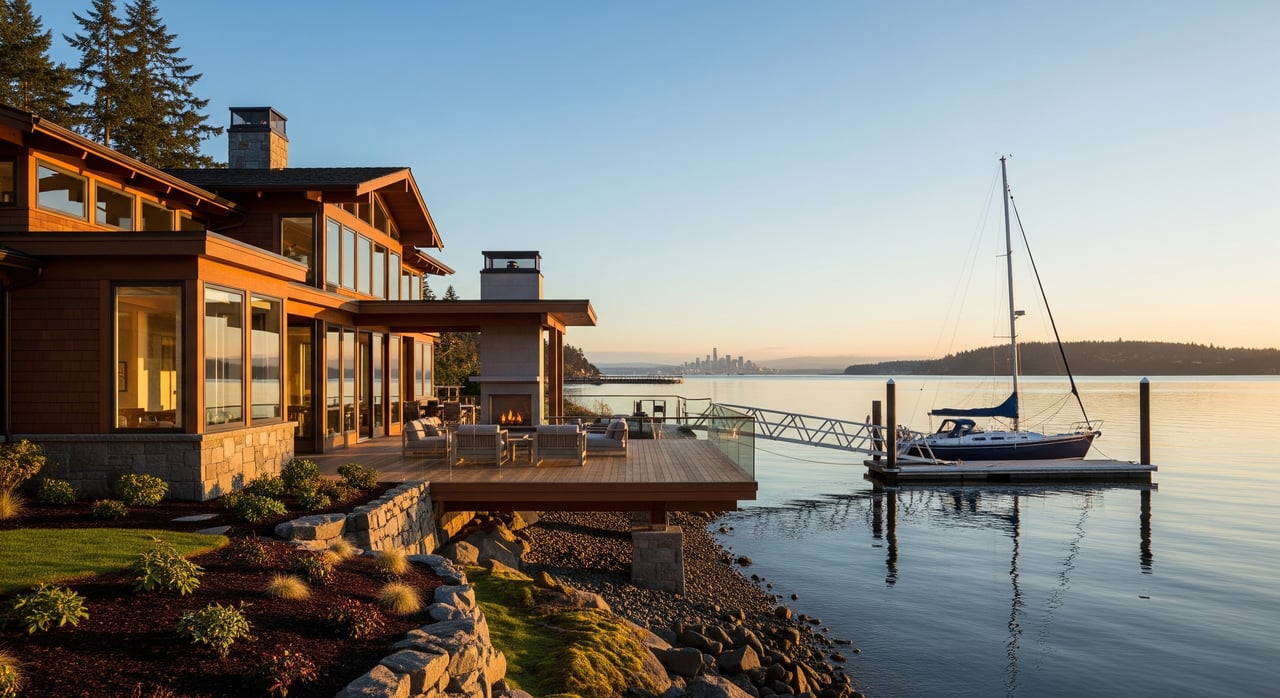
Waterfront buyers shop with their eyes first. We use high‑resolution photography, wide‑angle interiors that showcase view lines, and aerial drone visuals to show shoreline context, sunrise or sunset orientation, and proximity to ferry and marinas. Twilight images add mood and help buyers imagine evenings on the water.
Listing packet and visuals
We prepare a clear visual and document package so buyers can move fast:
- Floor plans and a measured site map with labeled frontage.
- 3D virtual tour and a short shoreline walk‑through video.
- A concise document set: shoreline permits, septic records, dock surveys, flood information, and boundary notes.
Step 4: Target the right buyers
Core messaging checklist
Your listing should highlight factual, waterfront‑specific details up front:
- Water type and shoreline: Puget Sound saltwater, shoreline composition, usable beach notes.
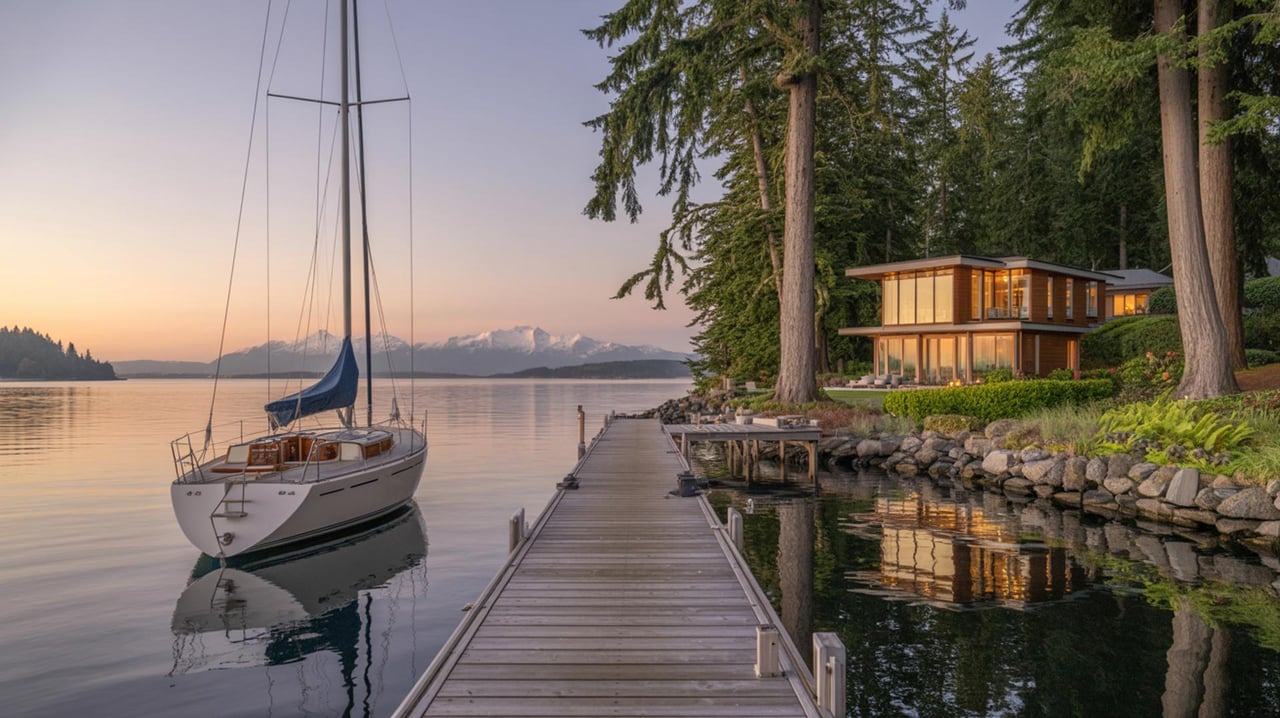
- Moorage specifics: private dock or float, number of slips, current condition, and any known restrictions.
- View orientation and lifestyle: sunrise or sunset aspects, nearby navigational access.
- Transport context: proximity to the Bainbridge–Seattle ferry and local marinas.
Digital reach and syndication
We fully populate specialized fields in the Northwest MLS for shoreline and moorage. We pair professional photos with cinematic video, 3D tour, and floor plan to support remote and Seattle‑area buyers. Targeted social media and display reach focus on King County, boating interest groups, and relocation audiences, with remarketing to keep qualified buyers engaged.
Offline exposure and private previews
We host broker previews and collaborate with agents who work in waterfront, Bainbridge, and Seattle relocation. We place select marketing with regional lifestyle outlets and conduct discreet outreach to marinas, yacht clubs, and boatyards when moorage is a core feature. We schedule open houses and private previews with qualified buyers.
Time showings to tides and light
Tides and lighting change the story of a shoreline home. We plan key showings for favorable tides and golden hour when possible, and include tide notes in agent remarks so buyers arrive at the best time.
Step 5: Lead with transparency
Clear listing summary
Open with the facts buyers care about most: amount of frontage, dock type and condition, tidal characteristics, and any known use limits such as protected habitat or public tidelands. Clarity builds confidence and reduces second‑guessing during negotiations.
Organized document access
Provide a tidy, downloadable packet or in‑person binder with shoreline permits, septic inspection and maintenance history, dock surveys or marine reports, FEMA or elevation information, and title documents relevant to shoreline ownership or easements. Buyers move faster when they have the information.
Step 6: Navigate offers and closing
Common contingencies
Expect due diligence on the dock or moorage, septic systems, and shoreline permitting. Some buyers request a shoreline engineer’s opinion for future work. You can reduce surprises by supplying prior reports and permit history up front.
Financing and appraisal
Lenders may require appraisers with true waterfront comps, which can take extra time. Plan for a slightly longer appraisal window and keep your documentation handy to support valuation.
Negotiation levers
On larger capital items, repair credits or escrow holdbacks may be more practical than full pre‑closing work. Clarify who will handle any final permits for past shoreline work. For shared amenities like a community dock or easements, confirm maintenance obligations in writing.
Title and shoreline ownership
In Puget Sound, private ownership often ends at the mean high‑water line. Confirm tideland status, any leases with the state, and public access rights before listing. Clear answers here protect you during escrow and help buyers feel safe moving forward.
How we support you
You get a steady, full‑service process backed by Bainbridge expertise and Compass tools. We help you gather the right records, set a compelling price, and present the shoreline lifestyle with premium visuals and targeted outreach. If pre‑listing improvements would boost results, you can explore Compass Concierge for select updates and staging support. Throughout, you get clear communication, thoughtful timing around tides and light, and careful negotiation to keep your sale moving.
Ready to talk through your specific shoreline, moorage, and timing? Make time for coffee with McLaughlin & Co. and we will map your plan.
FAQs
When should I list a Point White waterfront home?
- Late spring through early fall offers peak curb appeal and showing activity, but relocations and ferry‑based buyers shop year‑round. Your timing should balance seasonality with your goals.
Do I need to repair my dock before listing in 98110?
- Address safety‑critical issues. For major capital work, many sellers disclose condition and offer credits rather than completing full replacement before market.
How do flood zones affect my sale on Bainbridge Island?
- If your home is in a FEMA flood zone, buyers may ask for elevation certificates and insurance history. Have documents ready and allow time for lender review.
What if my beach includes public tidelands in Kitsap County?
- Ownership often stops at the mean high‑water line. Confirm tideland status, leases, and any access rights so your listing description and disclosures are accurate.
Are environmental habitats like eelgrass a concern for buyers?
- Sensitive habitats can limit new shoreline work. Provide any known studies or permits so buyers understand current conditions and future constraints.
Are short‑term rentals allowed for Point White waterfront homes?
- Rules vary by jurisdiction and any homeowner association. Verify Bainbridge and Kitsap guidelines for your property and disclose known limits early.