
Thinking about offsetting your mortgage with a short-term rental on Bainbridge Island? You’re not alone. With easy ferry access to Seattle and a strong summer tourism season, STRs can look appealing. In this guide, you’ll learn what to verify before you buy, how to model realistic income and costs, and the key risks to plan for. Let’s dive in.
First check: Can you legally host?
City, county, and zoning basics
Before you assume a property can operate as an STR, verify local rules. Bainbridge Island has its own municipal code and planning department, separate from Kitsap County. You need to confirm if the address is inside city limits and whether its zoning allows transient lodging. Rules can include registration, occupancy limits, parking requirements, and nuisance standards.
HOA and condo restrictions
If the home or condo is in an HOA, review CC&Rs, bylaws, and board policies. Many associations restrict or prohibit short-term rentals or require approvals, guest rules, and minimum stays. Ask about pending rule changes so you are not surprised after closing.
Licenses, permits, and lodging taxes
Short-term rentals commonly require a business license and the collection and remittance of lodging and sales taxes in Washington State. Cleaning fees can be taxable depending on the rules. Hosts are typically responsible for registration and for filing with the appropriate tax authority. Build recurring tax and licensing costs into your pro forma.
Safety and inspection requirements
Local rules may require smoke and carbon monoxide detectors, fire extinguishers, safe egress, and posted emergency information. Some jurisdictions use inspections as part of registration. Confirm what applies to your specific property type, including ADUs or detached cottages.
What Bainbridge demand looks like
Seasonality and ferry-driven stays
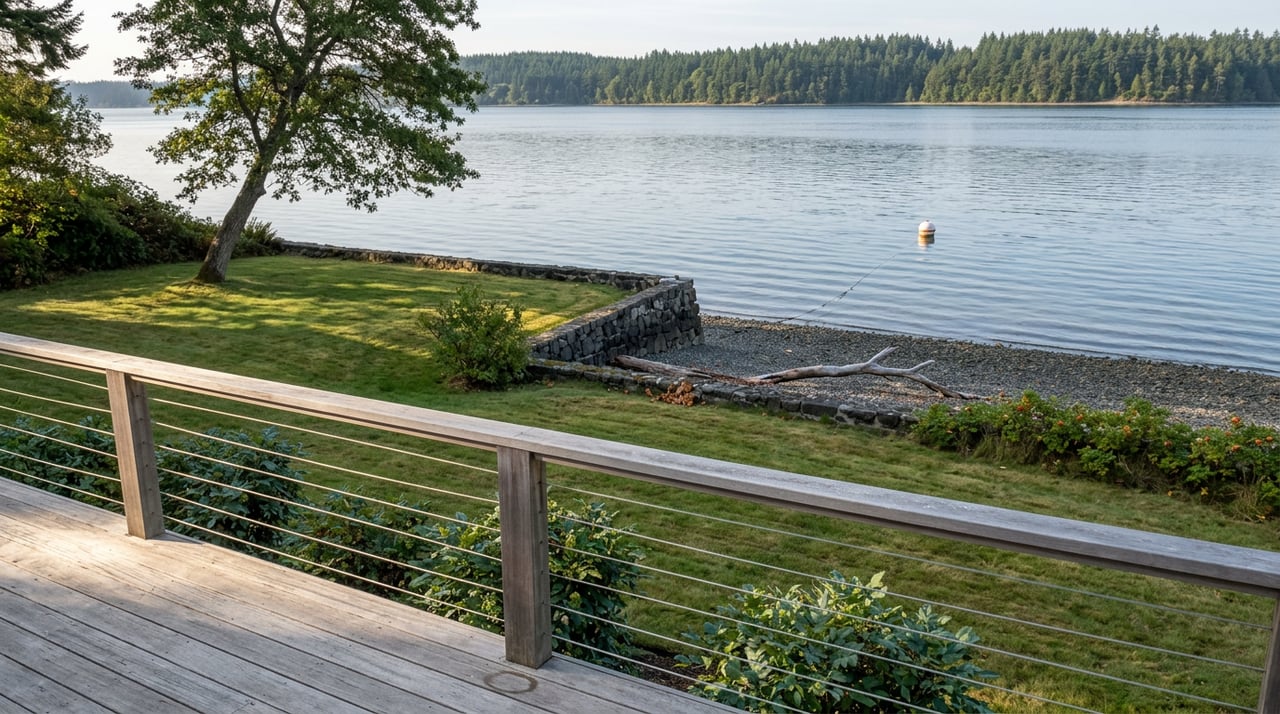
Bainbridge’s proximity to Seattle via ferry, scenic shoreline, and outdoor amenities support strong warm-season demand and busy holiday weekends. Expect seasonality with higher rates and occupancy in summer, and softer demand in the late fall and winter. Local events can move the needle on bookings.
How to estimate rates and occupancy
Use neighborhood-level STR market tools to evaluate average daily rates, occupancy, and seasonality for similar homes. Look at comparable listings and talk to local property managers for practical insight on turnover and guest preferences. If you are buying an active STR, request 12 to 24 months of booking and income detail to verify performance.
Run the numbers
Revenue drivers to watch
Your top line is nightly rate multiplied by occupancy. Fees for extra guests or pets can add modest income. Be conservative in the shoulder and off-season, and test multiple scenarios so you know your breakeven point.
Operating costs you should expect
Plan for platform fees, cleaning and turnover, utilities and internet, landscaping, routine maintenance, supplies, and property management if you hire it. Professional management commonly charges a percentage of booking revenue. Include lodging tax remittance and any local licensing or inspection fees as ongoing expenses.
Profit scenarios to model
Model at least three cases: peak-season occupancy, shoulder-season average, and a conservative low-occupancy scenario. Compare cash flow with and without a property manager. Add reserves for unexpected repairs like roofs or septic systems. If the seller is marketing “projected income,” verify it against actual booking calendars, statements, and tax filings.
Financing and lender expectations
Primary vs. investment loans
Financing terms depend on use. Some lenders finance STRs as investment properties and may require higher down payments or a debt-service coverage analysis. If you plan to live in the home and rent a portion short term, lenders will treat that differently than a pure investment. If you need STR income to qualify, expect documentation and underwriting adjustments for vacancy.
Condos and warrantability
Condominiums with significant STR activity may be considered non-warrantable by some lenders, which can limit financing options. Ask lenders early how they view the building and what they require. FHA, VA, and other programs have specific occupancy and investment rules.
Insurance and risk management
A standard homeowner policy often excludes or limits coverage for short-term rentals. Get quotes for a short-term rental endorsement, a landlord policy, or commercial host coverage that includes guest liability and loss of income. Do not rely solely on platform protections. Reduce risk with guest screening, clear house rules, documented safety checks, and maintained life-safety devices.
Neighborhood impacts and rule changes
Short-term rentals can increase parking pressure, noise, and trash if not well managed. Because of these concerns and housing supply debates, many communities refine STR rules over time. Build regulatory risk into your plan. Compliance failures can lead to fines, back taxes, or loss of the right to operate.
Your due-diligence checklist
- Confirm the property’s jurisdiction. Is it inside Bainbridge Island city limits or only under Kitsap County? Identify the exact zoning and whether STRs are permitted or limited.
- Ask for any existing STR registration or permit. Verify transferability, renewal requirements, and any inspection records.
- Review HOA documents. Read CC&Rs, bylaws, policies, and meeting minutes. Request a written statement on STR rules and any changes in progress.
- Verify licensing and tax obligations. Understand business license needs, lodging and sales tax, and how cleaning fees are treated.
- Gather operating records for existing STRs. Request at least 12 months of P&L or tax returns, booking calendars, utility bills, cleaning invoices, maintenance logs, and property management agreements.
- Model financial scenarios. Build high, base, and low occupancy cases with realistic ADRs, full operating costs, and reserves.
- Check financing options. Talk with lenders about primary versus investment use, condo warrantability, and documentation if using STR income.
- Obtain insurance quotes. Confirm coverage for transient guests, liability, property damage, and income loss.
- Inspect for safety compliance. Smoke and CO detectors, fire extinguishers, egress, and posted emergency information should be in place and maintained.
- Test neighborhood fit. Visit during weekends and evenings to evaluate parking, access, and noise at typical turnover times.
- Plan your exit. Consider how future rule changes or HOA policies could affect resale and marketability.
How we help you move forward
If an STR is part of your Bainbridge plan, you deserve clear, local guidance. As your buyer representatives, we help you identify properties that fit your lifestyle and goals, coordinate a diligence timeline, and negotiate with confidence while you consult directly with planning staff, lenders, tax advisors, and insurers. Ready to talk through a property or a plan? Connect with McLaughlin & Co. and let’s make a smart, low-stress decision together.
FAQs
Can you run an STR on Bainbridge Island?
- It depends on city rules, zoning, and any HOA restrictions for the specific property. Verify each layer before you buy.
Are permits or registrations required for Bainbridge STRs?
- Many jurisdictions require them. Confirm current requirements with the City of Bainbridge Island and follow all application and inspection steps.
How much could a Bainbridge STR earn each year?
- Earnings vary by location, seasonality, property type, and management. Use neighborhood STR data and verify any seller claims with booking and income records.
What taxes apply to short-term rentals in Washington?
- Hosts are commonly responsible for lodging and sales taxes, and for registering to collect and remit them. Cleaning fees may also be taxable.
Will my homeowner insurance cover guest stays?
- Often not. Ask for STR-specific coverage that includes liability and property damage, and do not rely only on platform protections.
Can STR rules change after I close?
- Yes. Regulations evolve, so plan for compliance costs and the possibility of tighter limits that can affect revenue or operations.