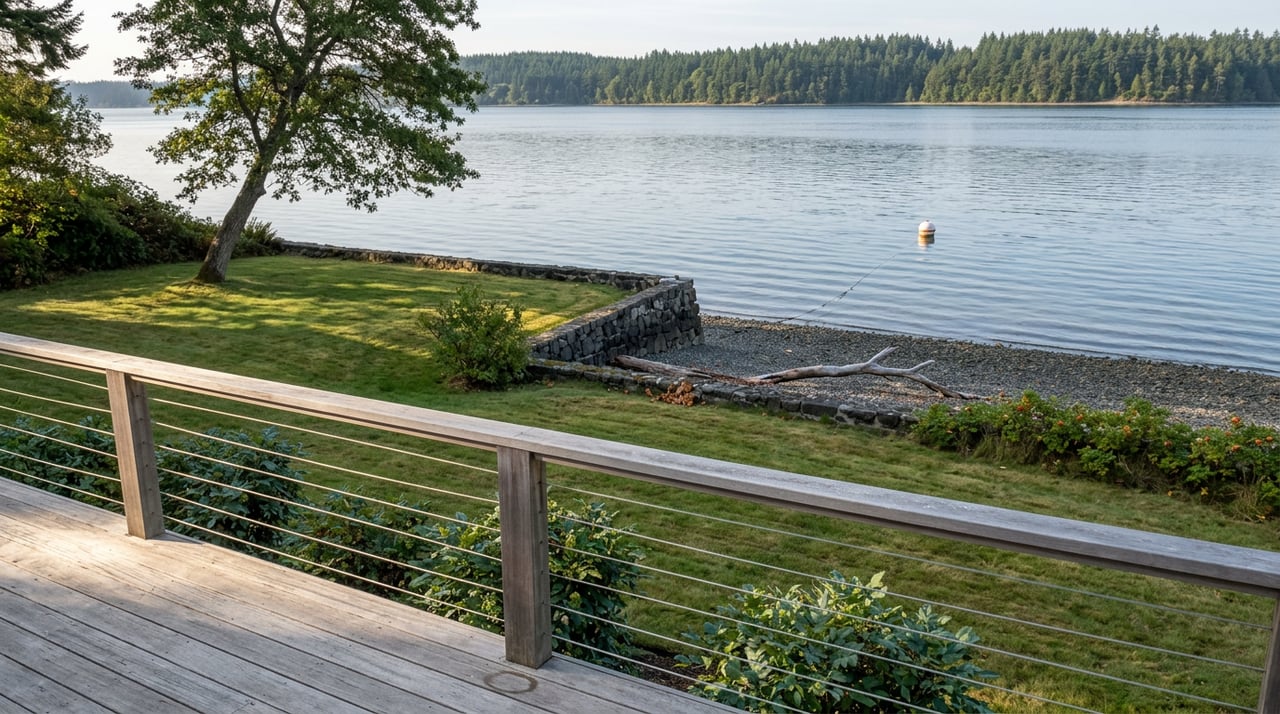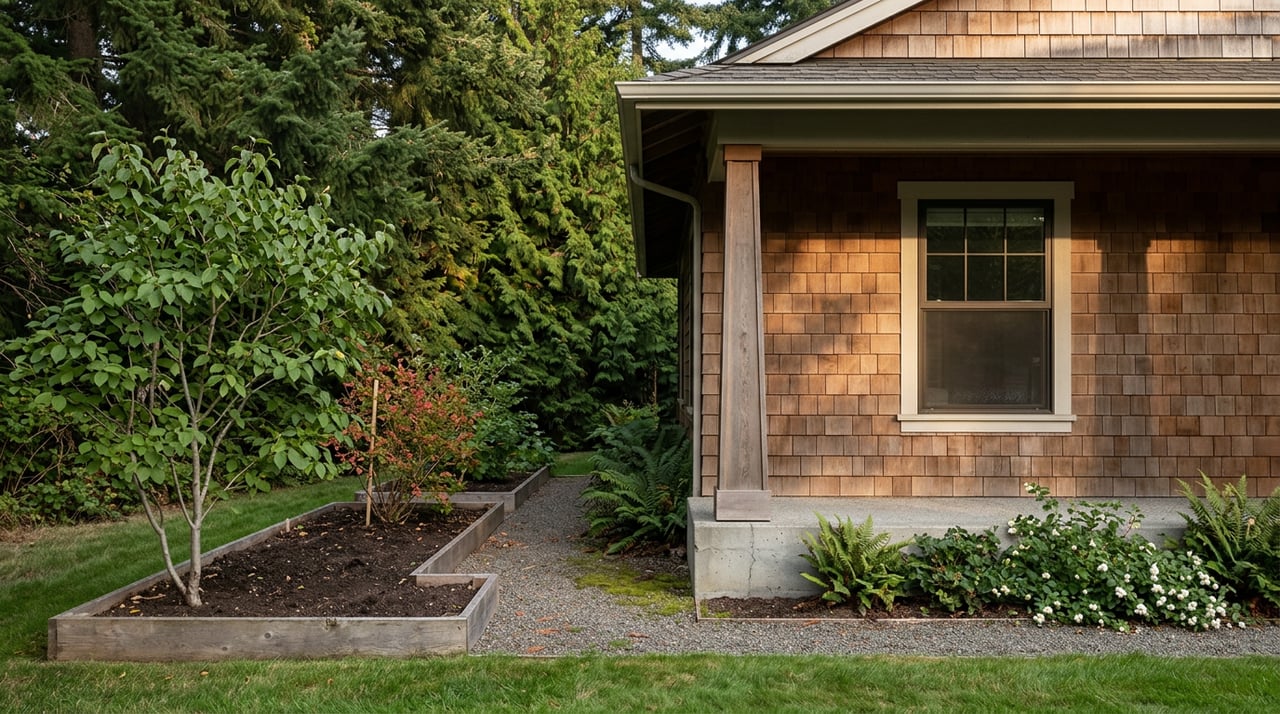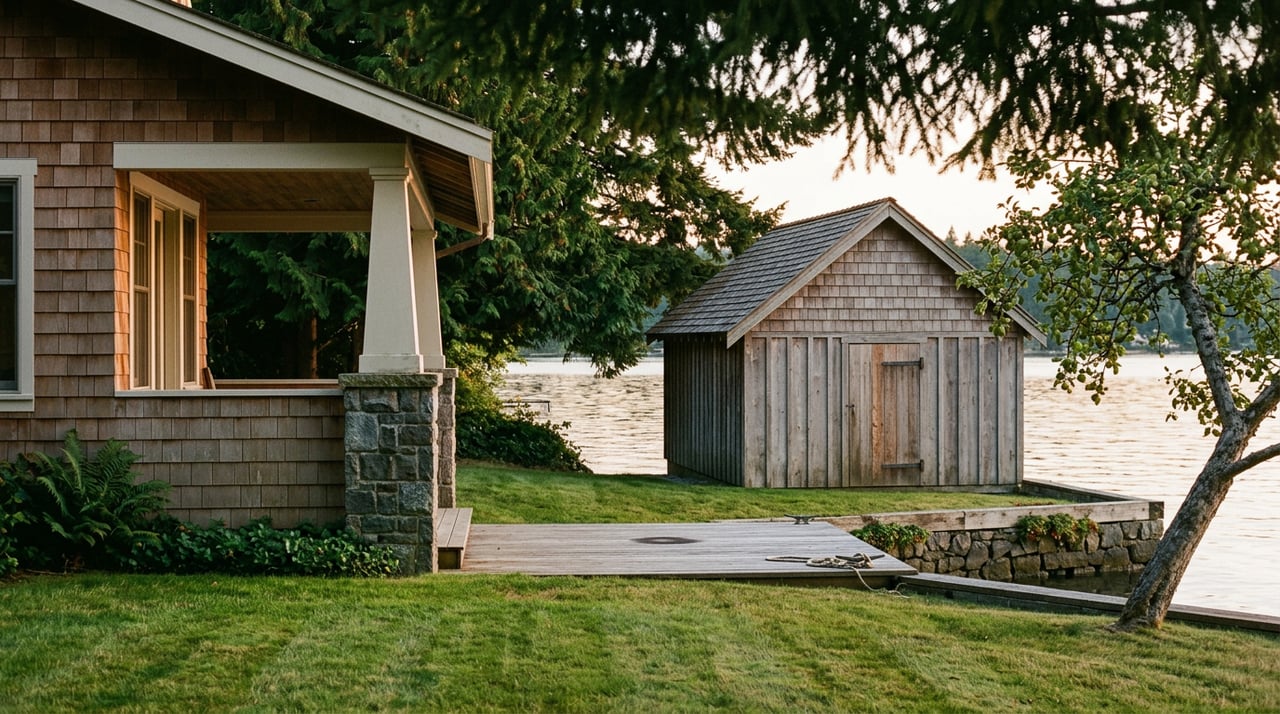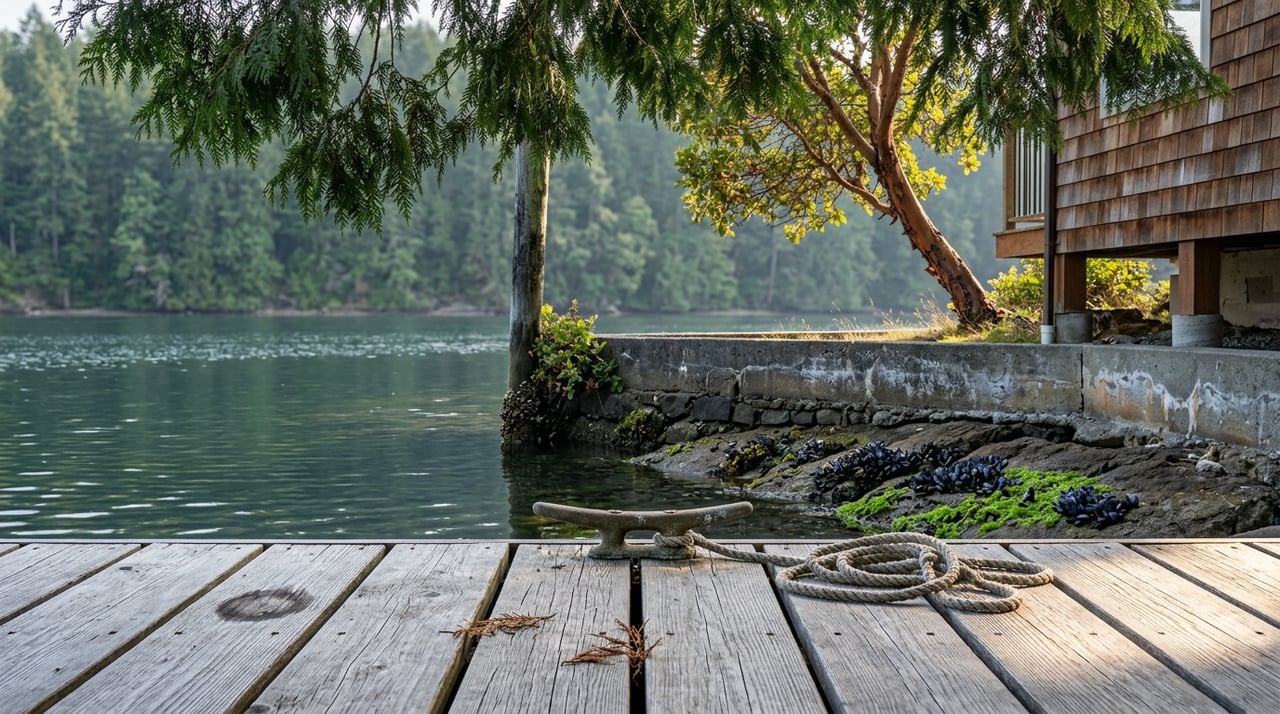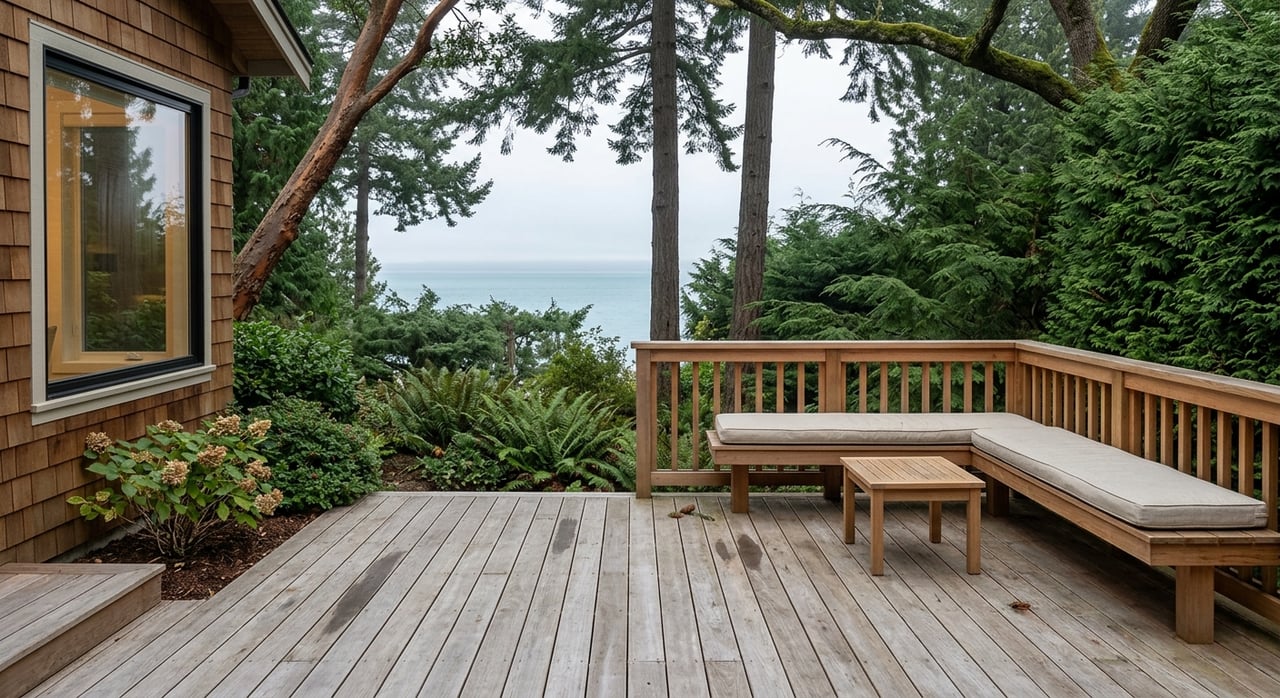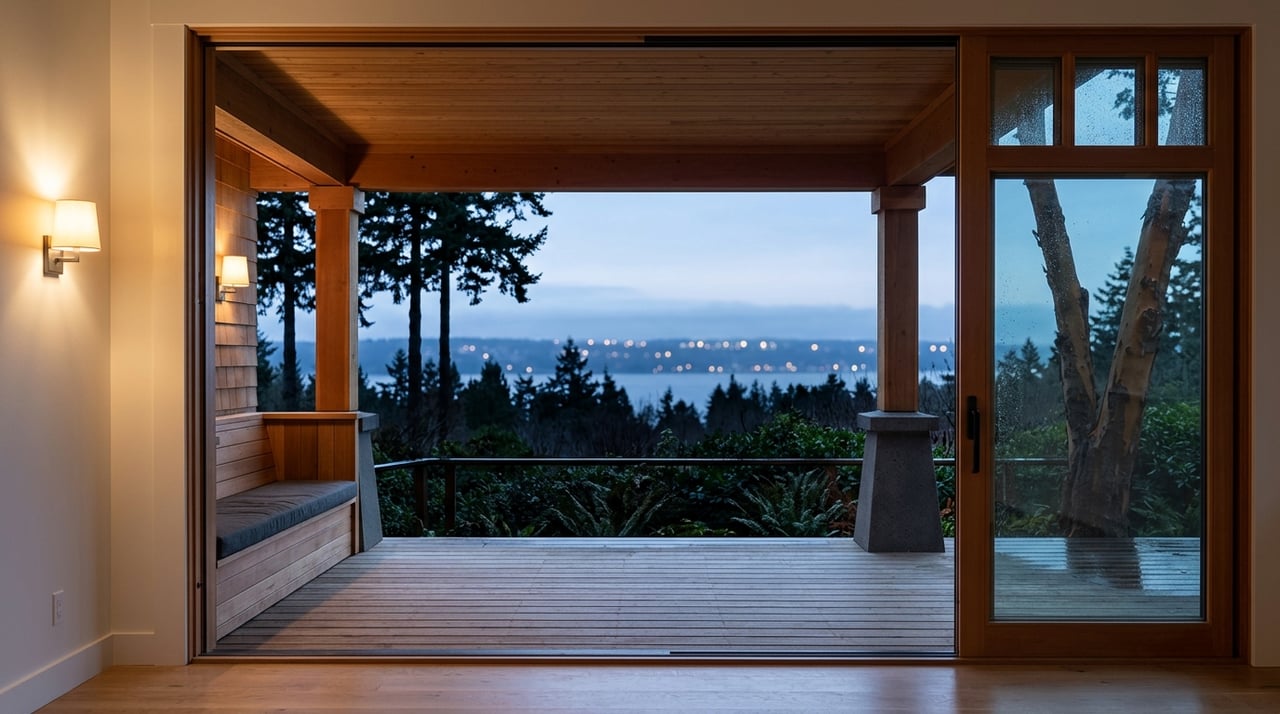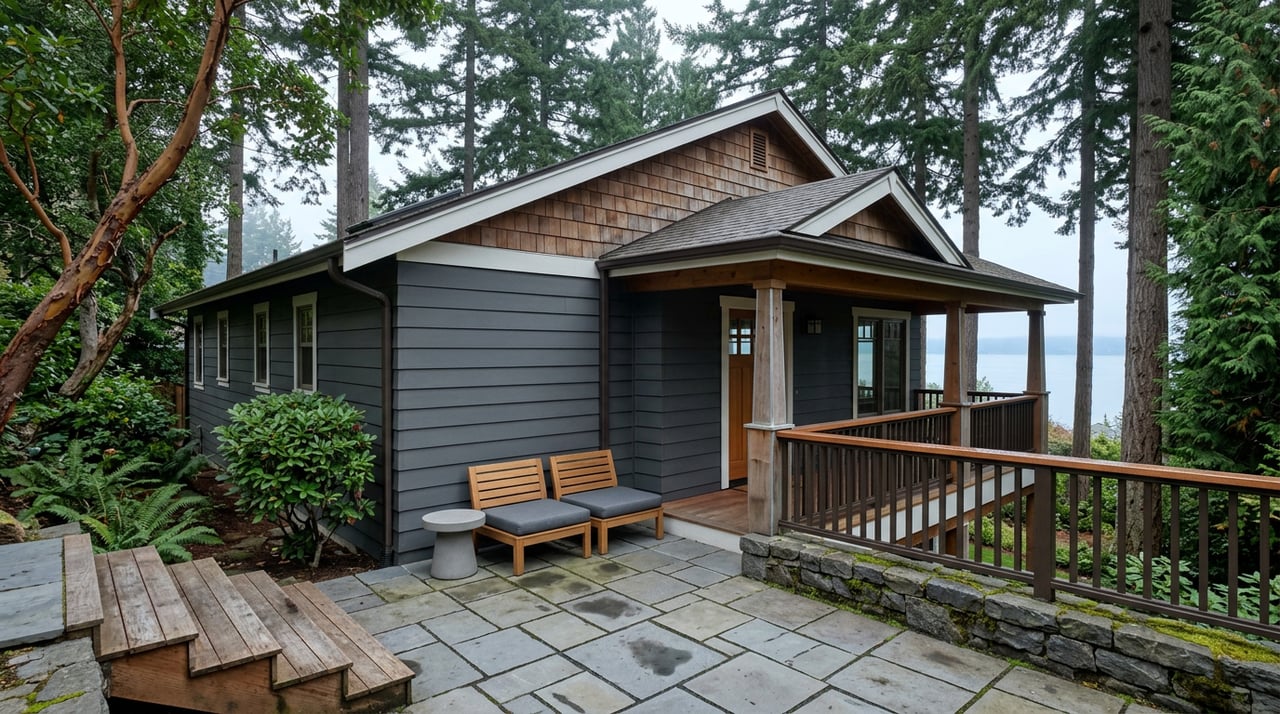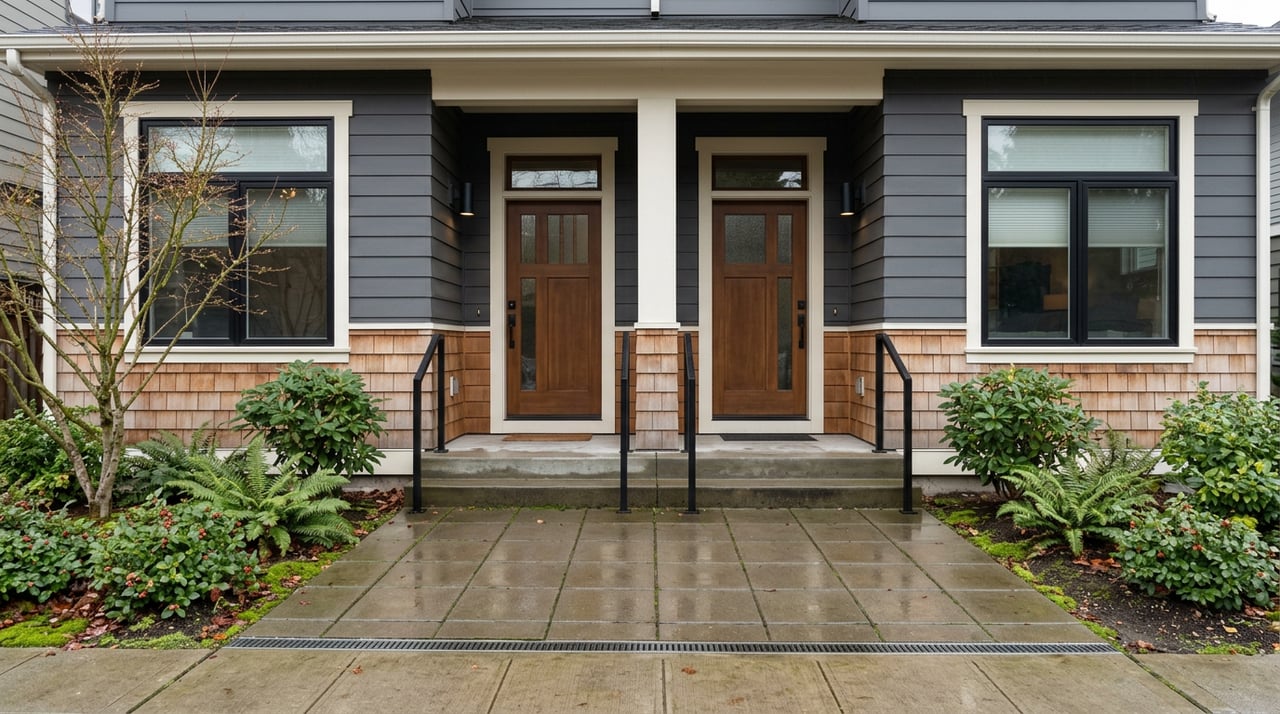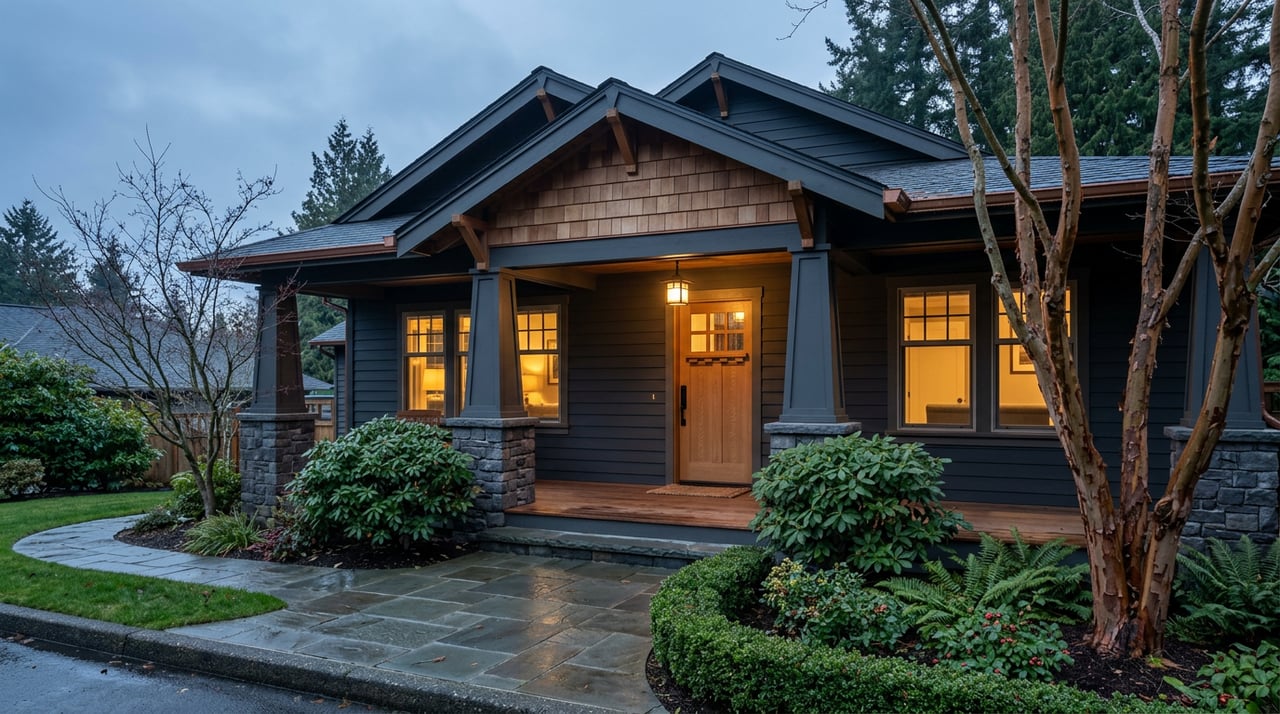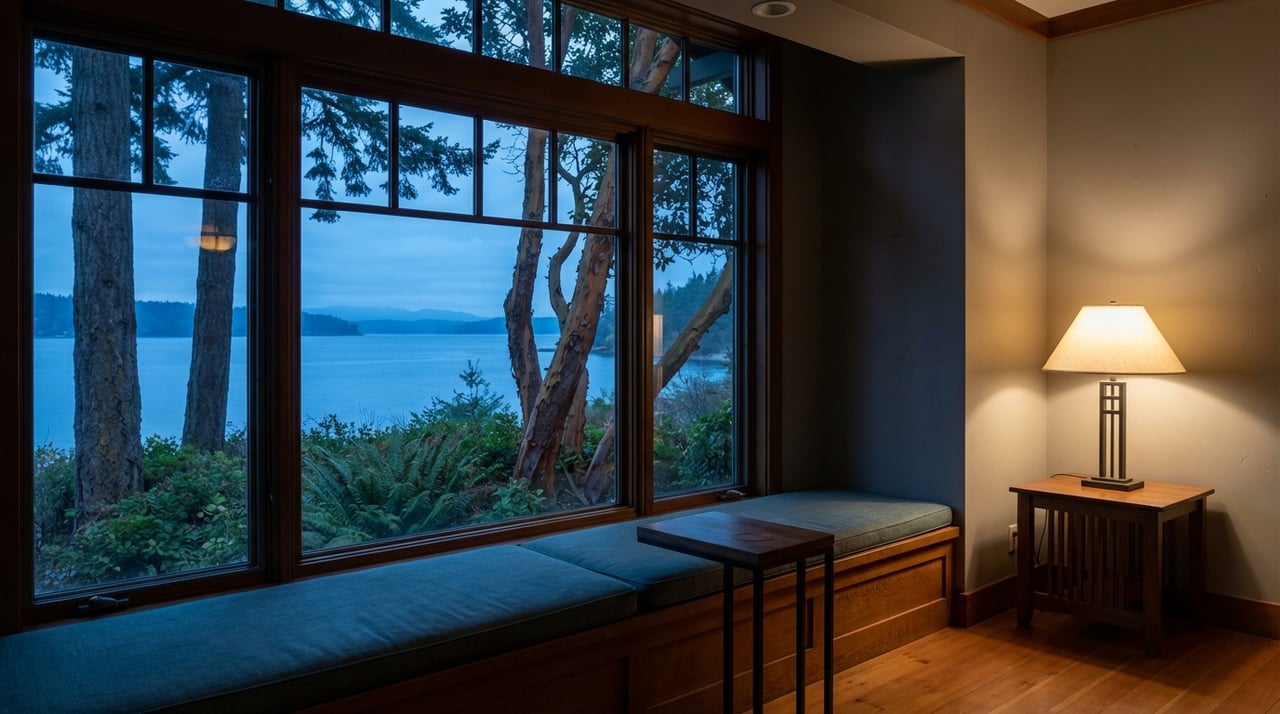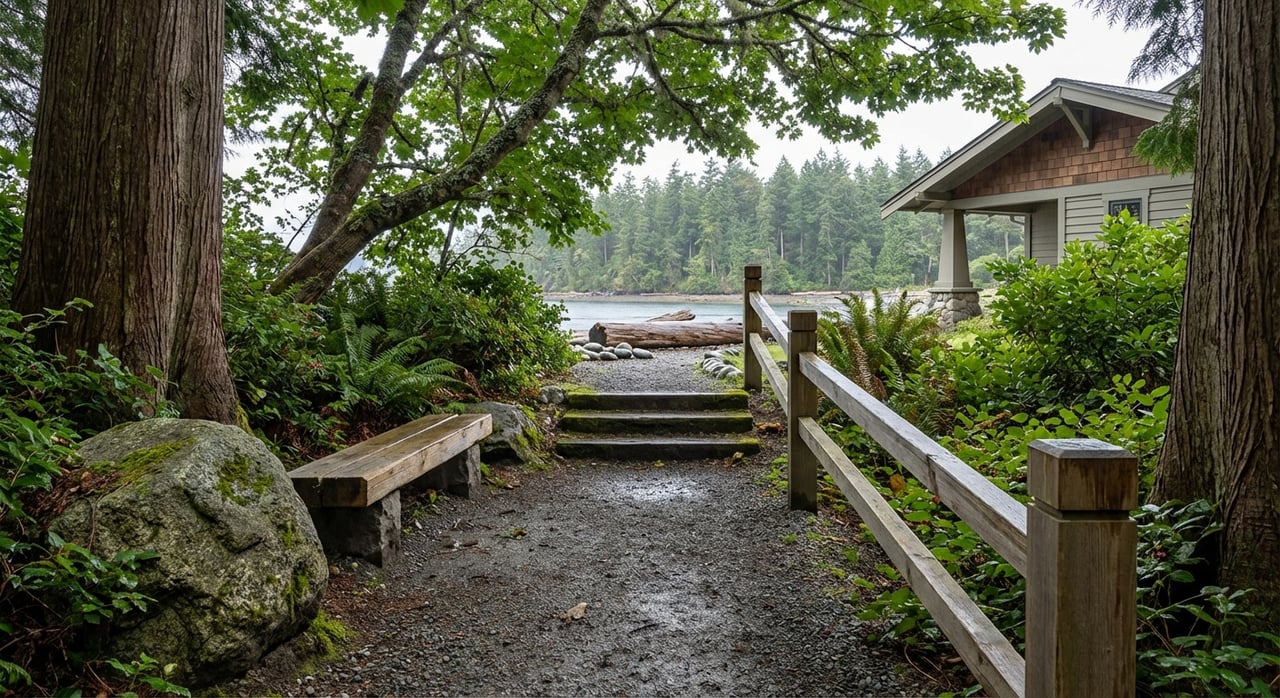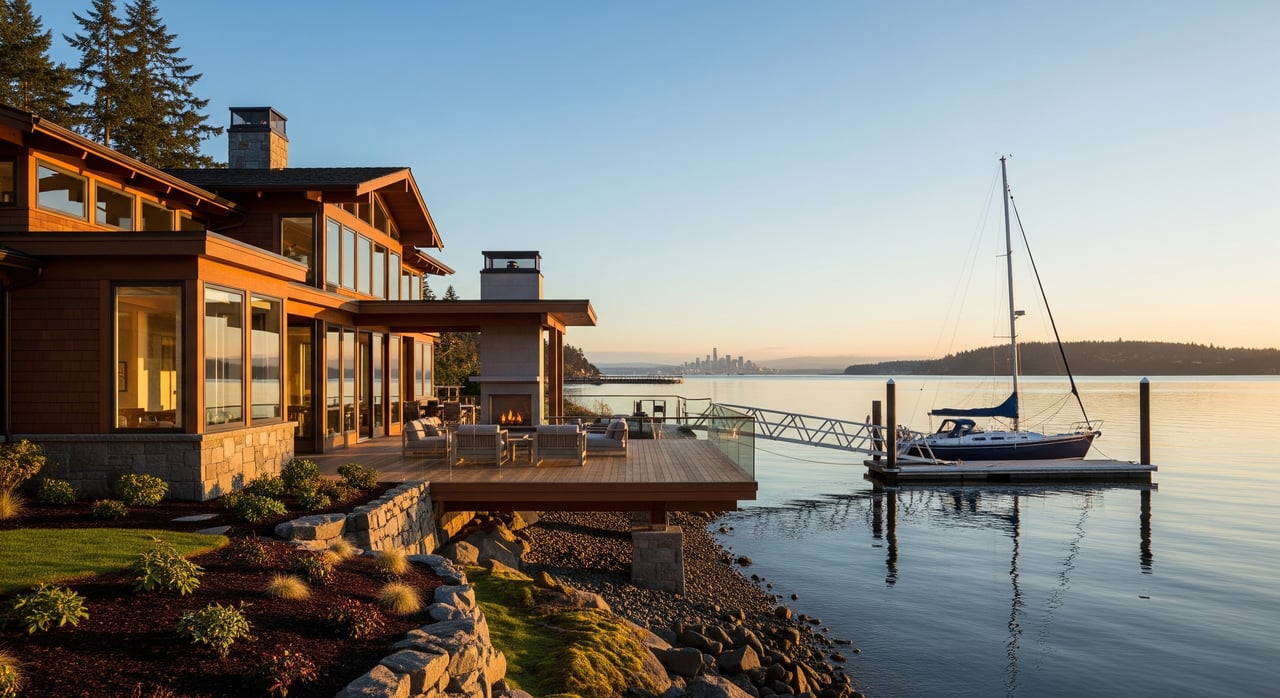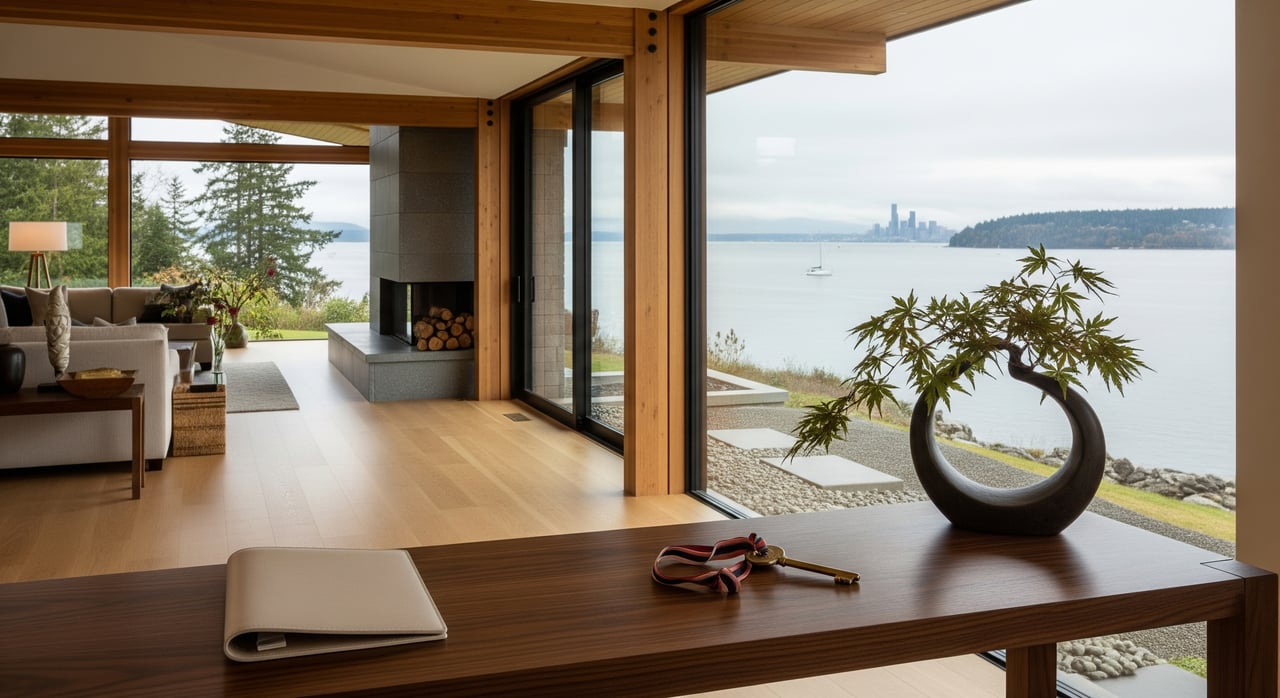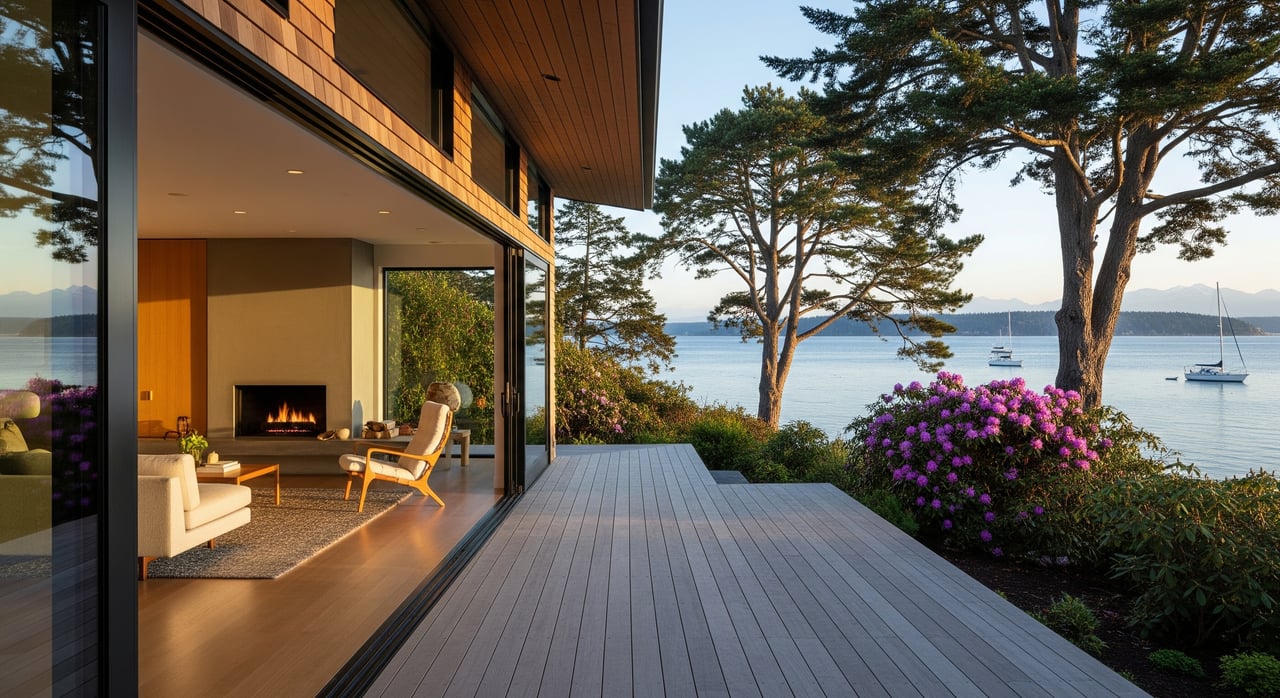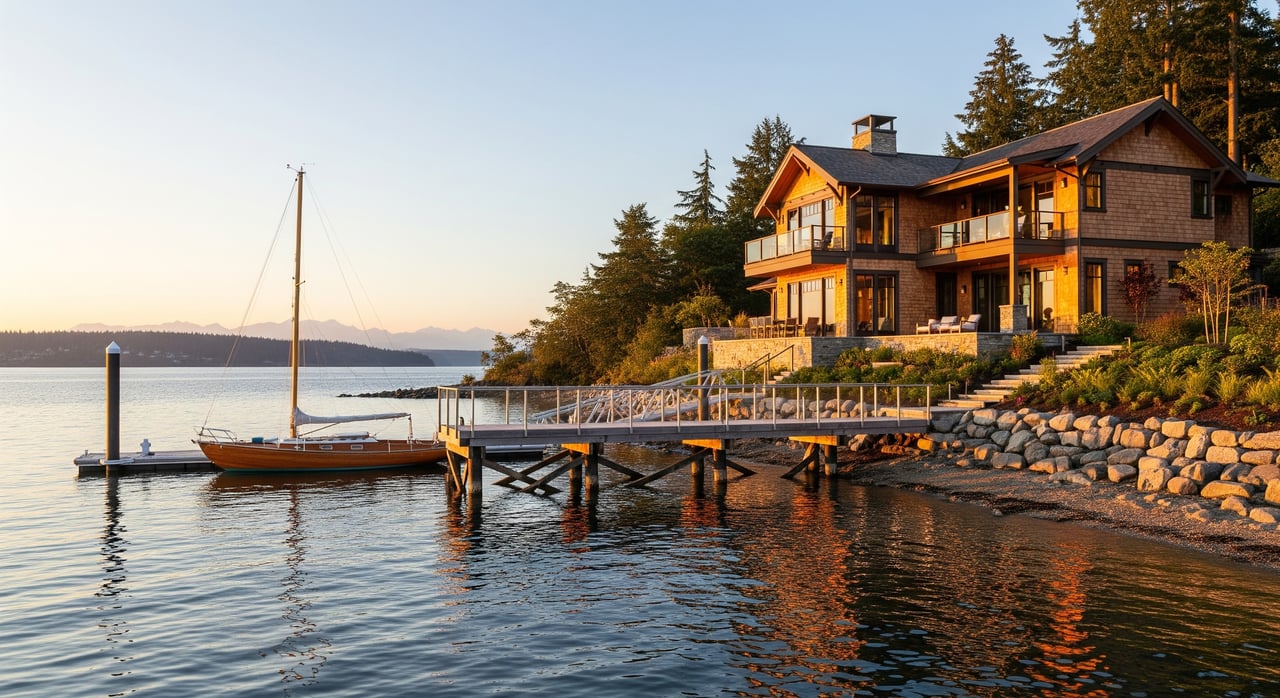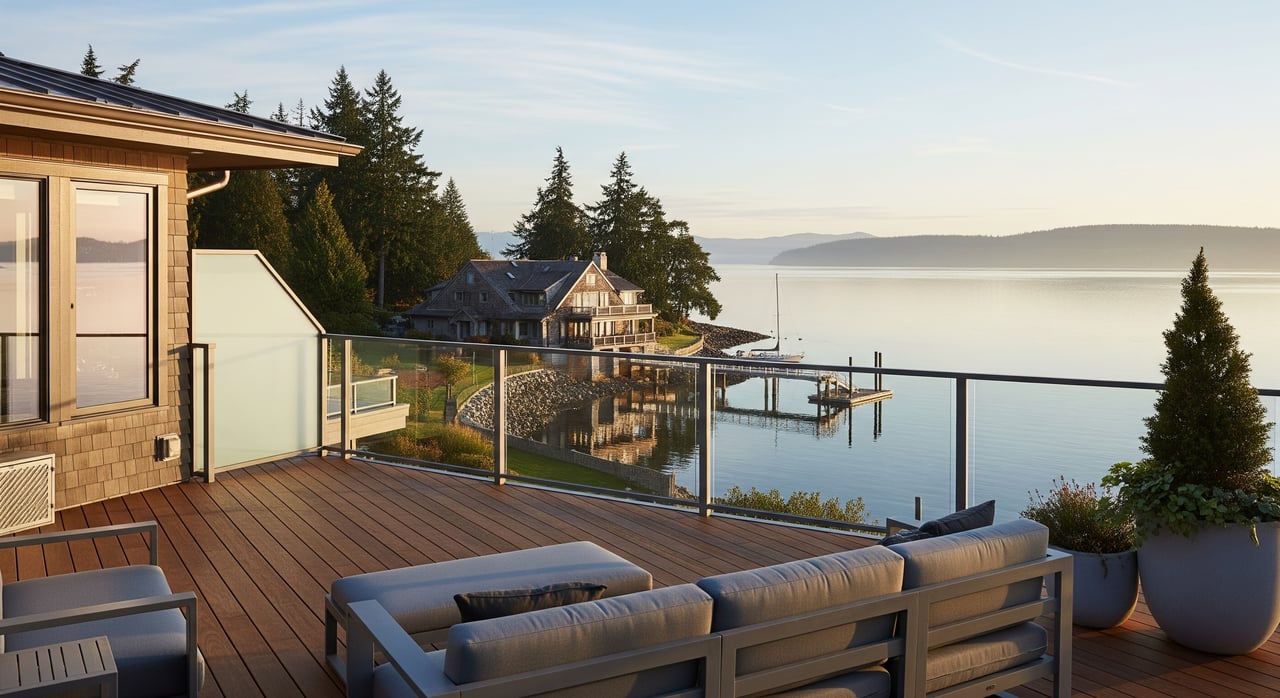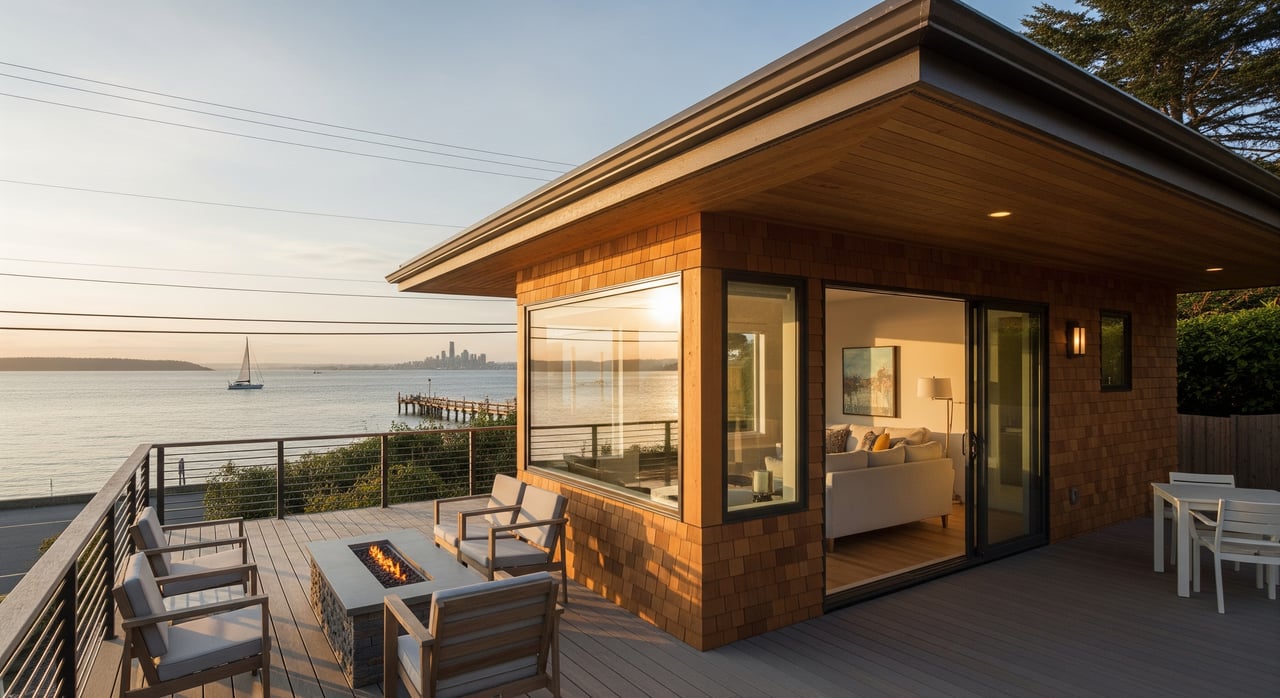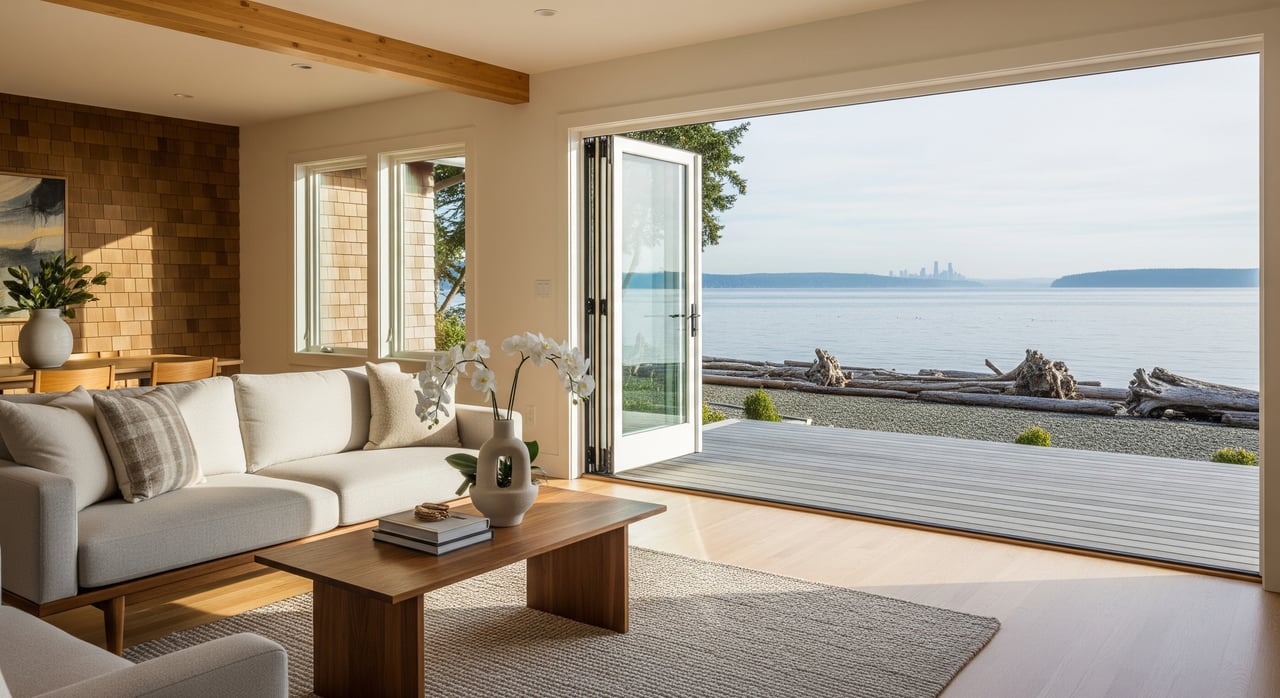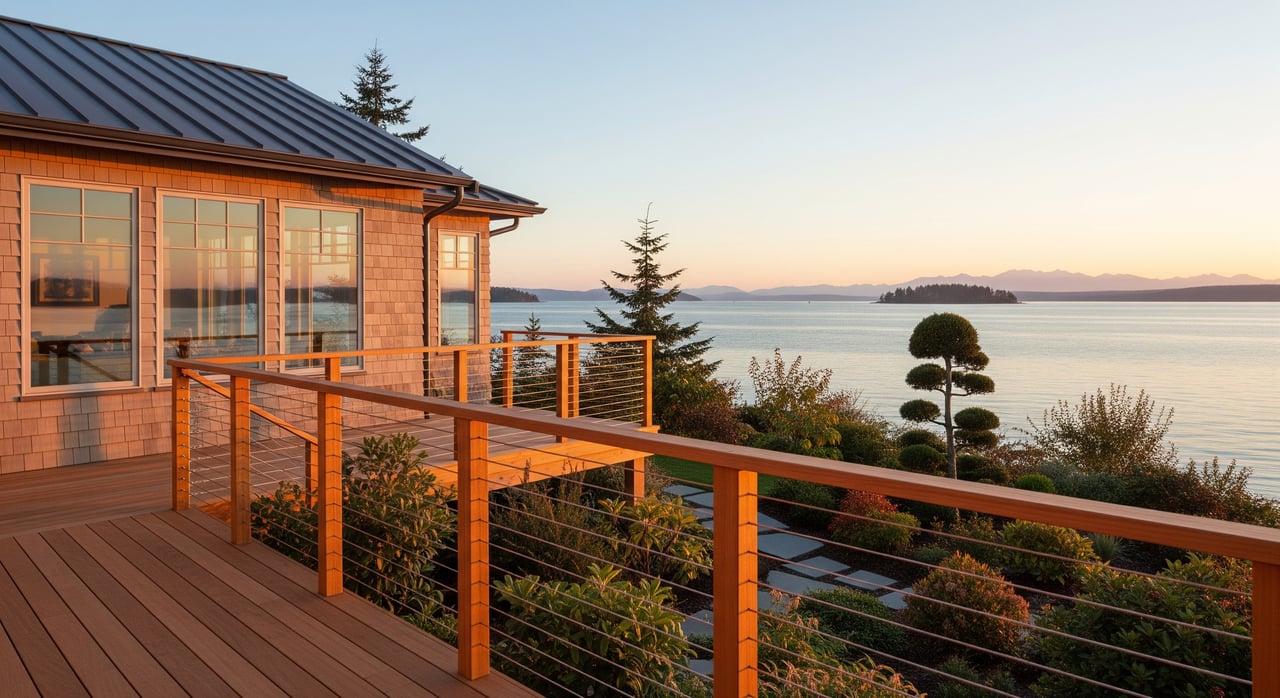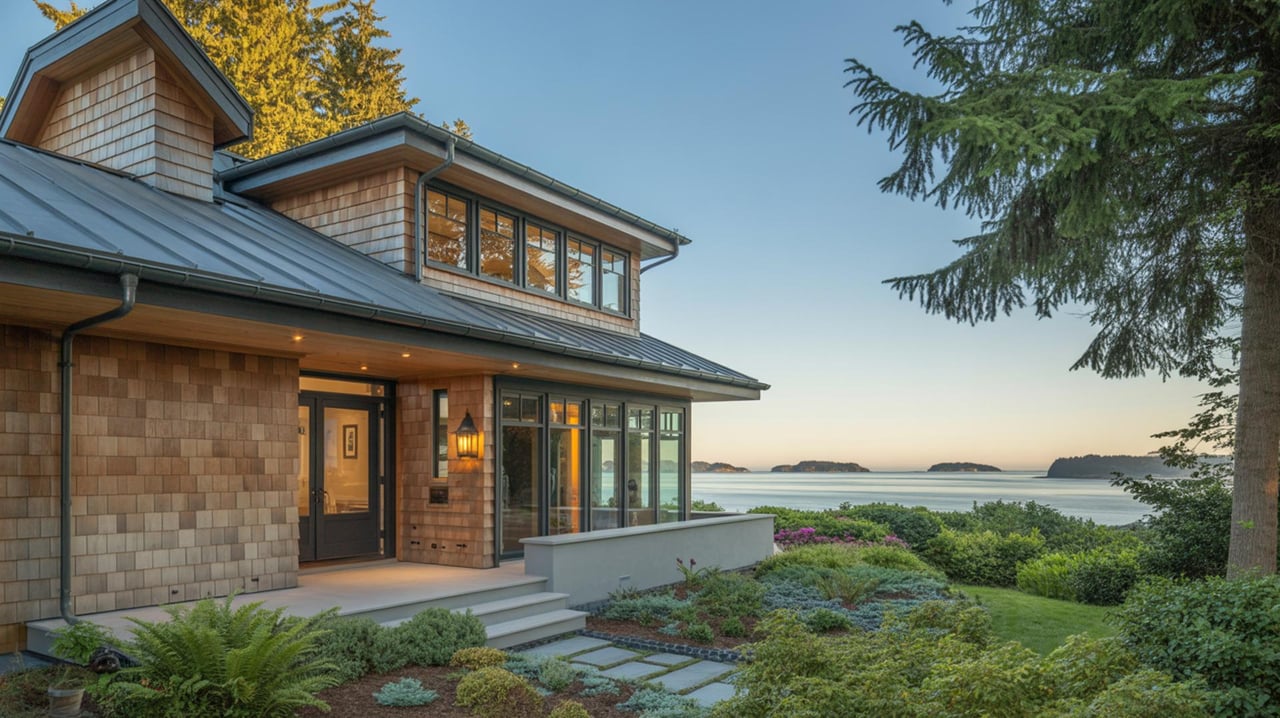
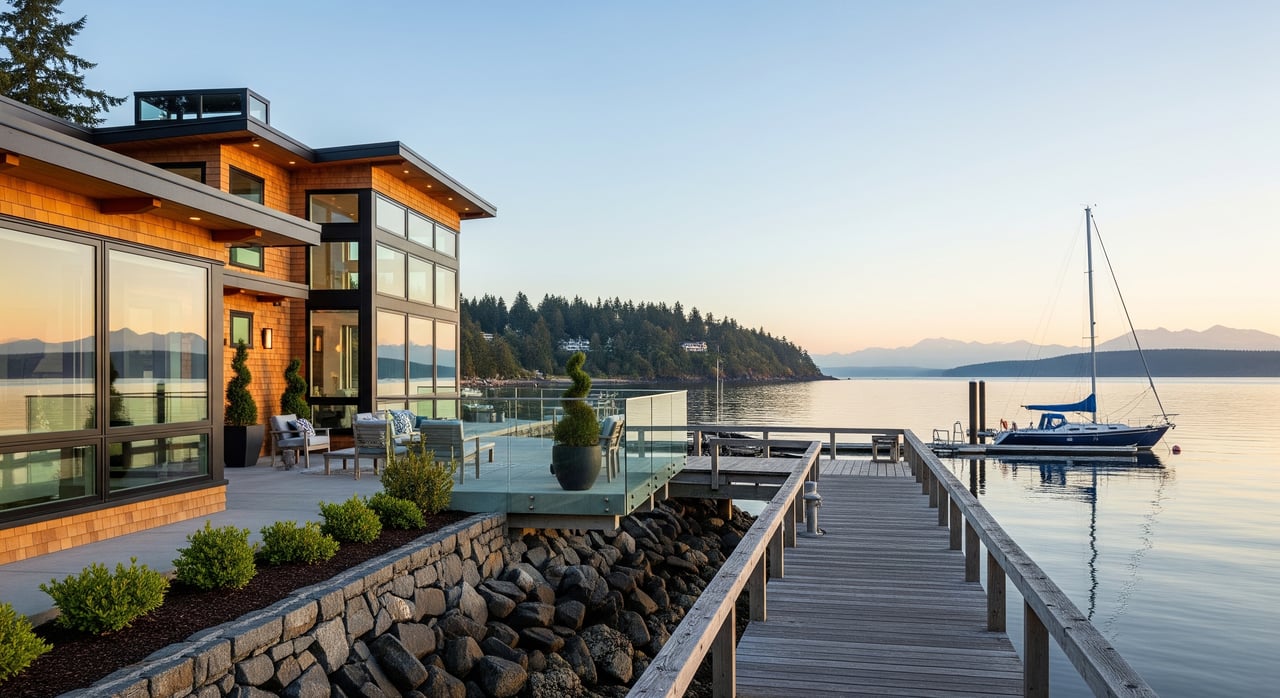
Are you picturing coffee on the deck while ferries glide through Rich Passage and the tide shifts below you? If Point White is on your shortlist, you are not alone. The south end of Bainbridge Island offers big views, close contact with the water, and a daily rhythm shaped by marine traffic and weather. In this guide, you will learn what waterfront living here really feels like, how to weigh low‑bank versus bluff lots, what to check with docks and permits, and how to plan your commute and costs. Let’s dive in.
Why Point White draws buyers
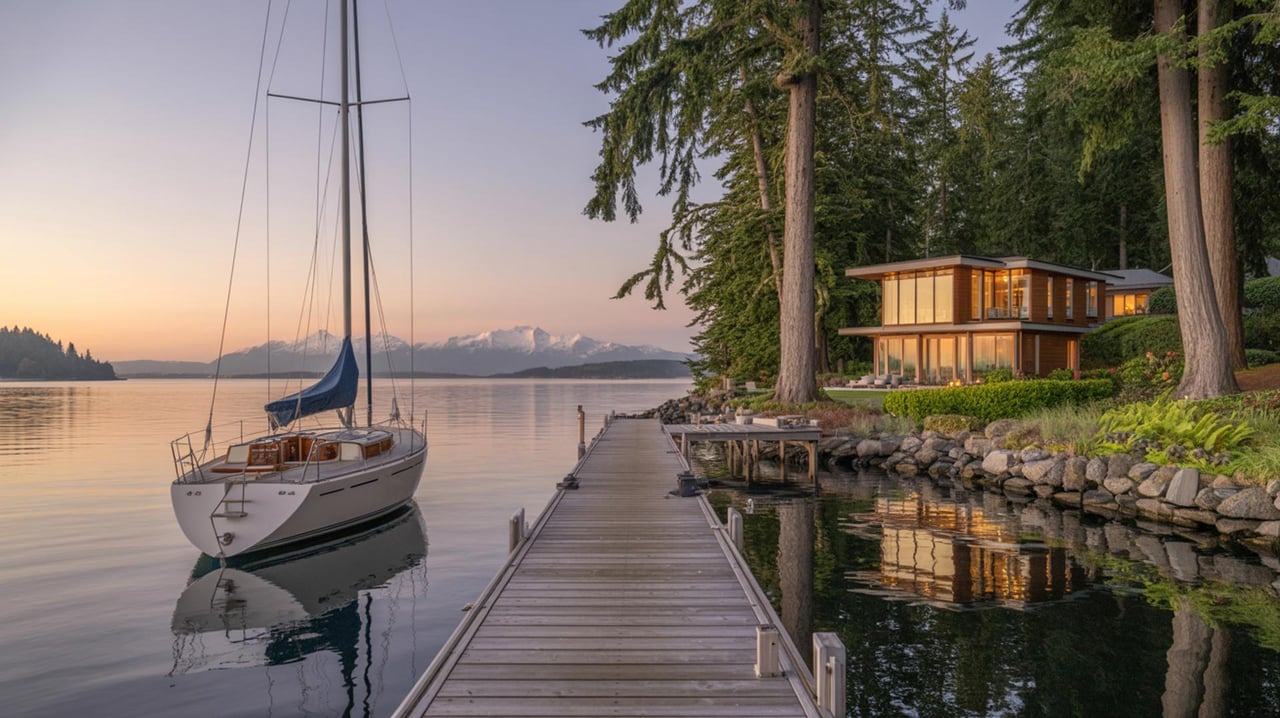
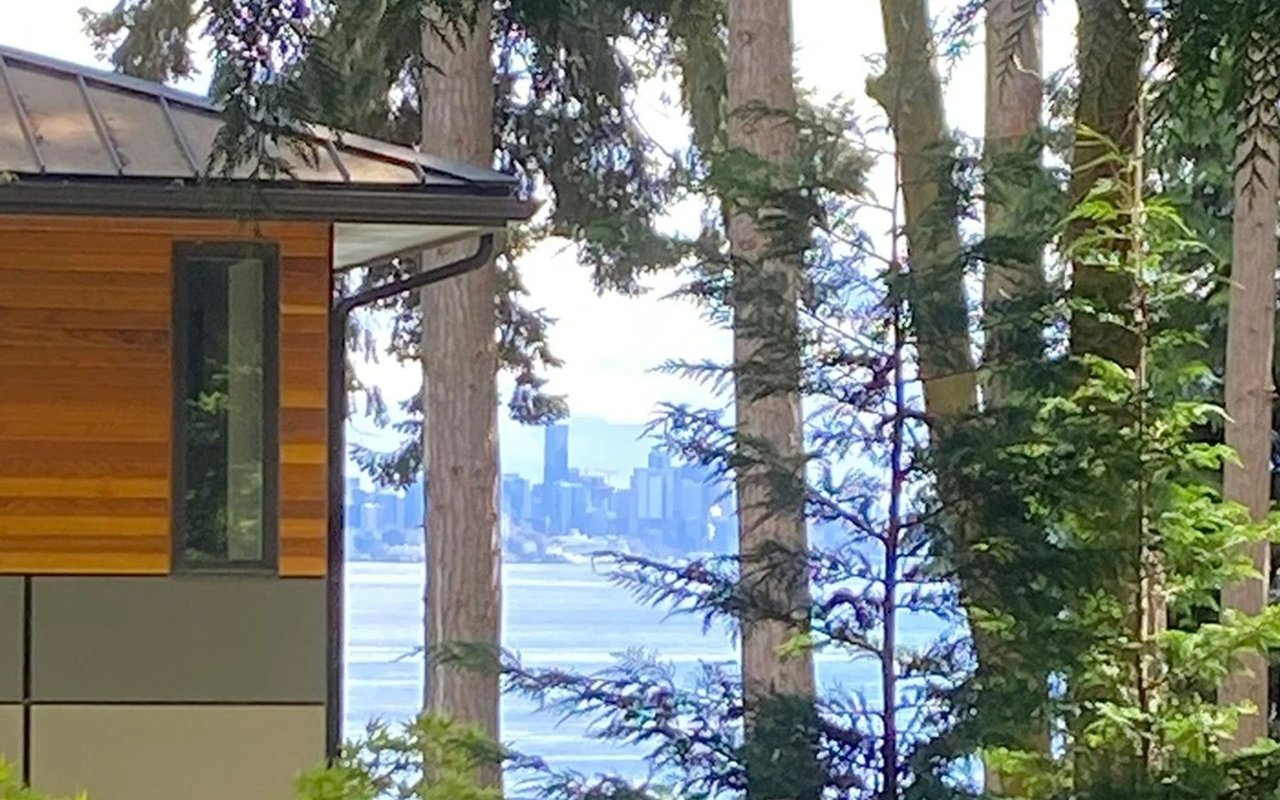
Point White sits along Rich Passage and Puget Sound, so you get active water views and changing light from tide and weather. You will see and hear recreational boats, commercial vessels, and Washington State Ferries. Nighttime lights and periodic wakes are part of the setting.
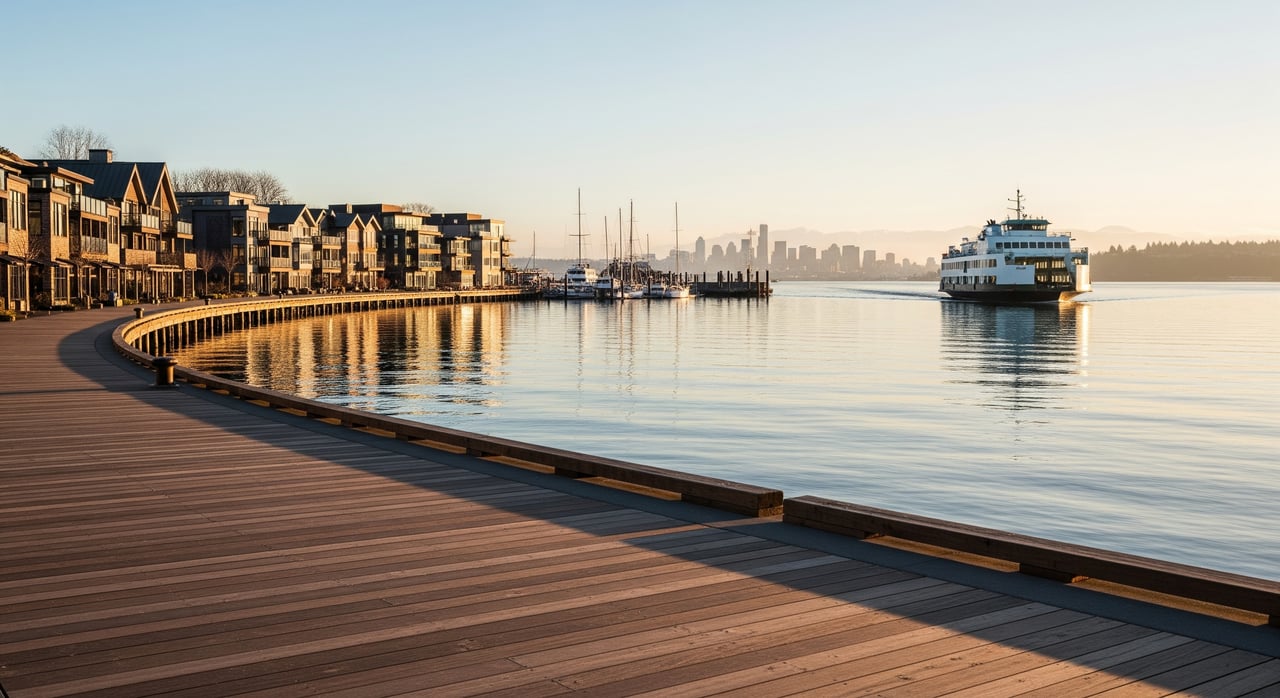
If you commute, the Bainbridge to Seattle ferry crossing is about 35 minutes. Plan for the drive from the south end to the terminal and for vehicle lines at peak times. Many buyers do a test run door to dock and dock to office, both directions.
Local services and groceries are centered in Winslow. From the south end, expect short drives for most errands. Second‑home owners often stock up less often and plan projects around the seasons.
Waterfront vs. water‑view on Point White
Waterfront here is not one-size-fits-all. Lot type and shoreline shape set the tone for daily use, privacy, and upkeep. Water‑view homes on the bluff side may trade direct access for bigger panoramas and less exposure.
Low‑bank lots: easy access, higher exposure
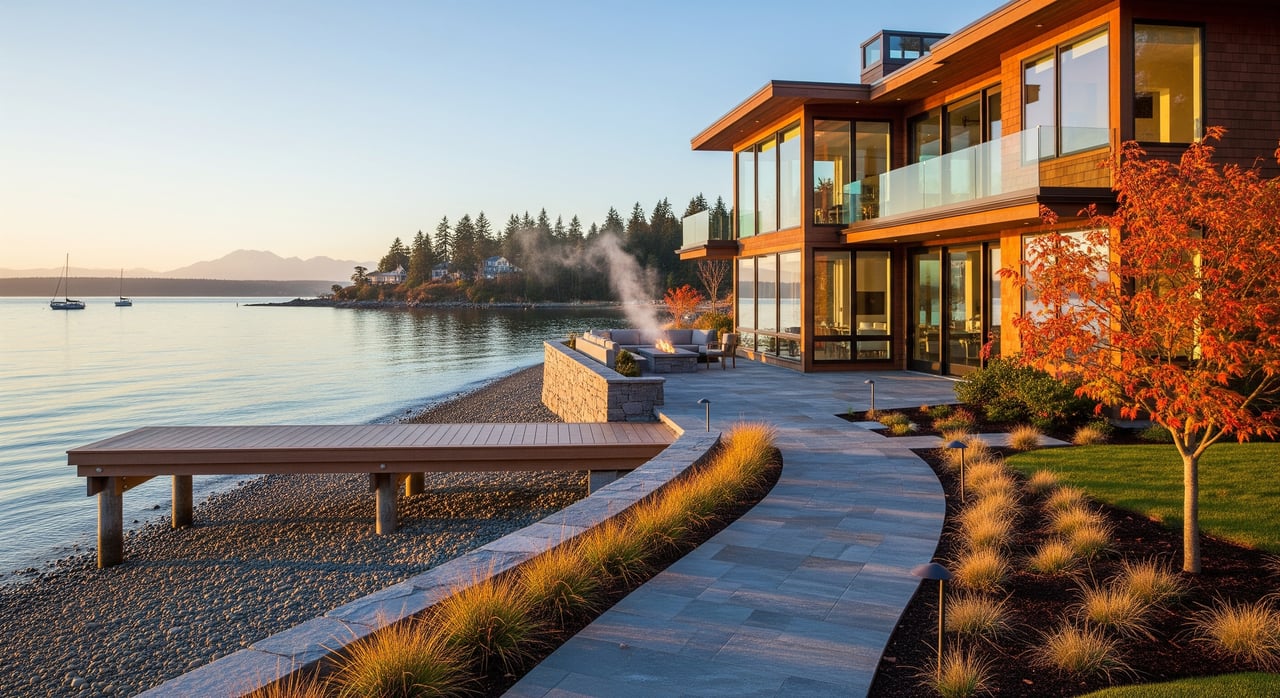
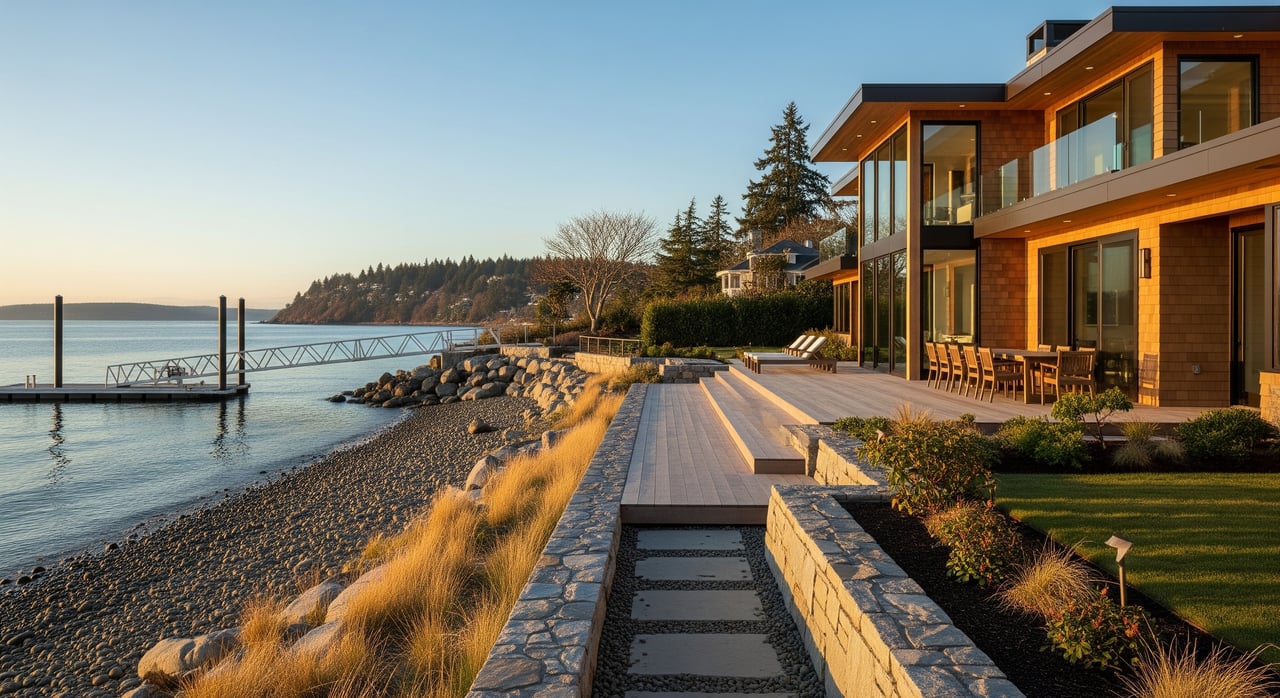
Low‑bank or flat lots offer the classic walk‑out experience. They are great for quick launching of kayaks or paddleboards and for beach time at lower tides. Because they sit closer to tide influence, they can face higher erosion risk and more wave runup in storms.
These sites often have standard foundations and simpler access for gear and guests. Plan for careful review of bulkheads or older shoreline armoring if present, since rules for repair or replacement are strict.
Bluff and steep‑bank sites: sweeping views, careful checks
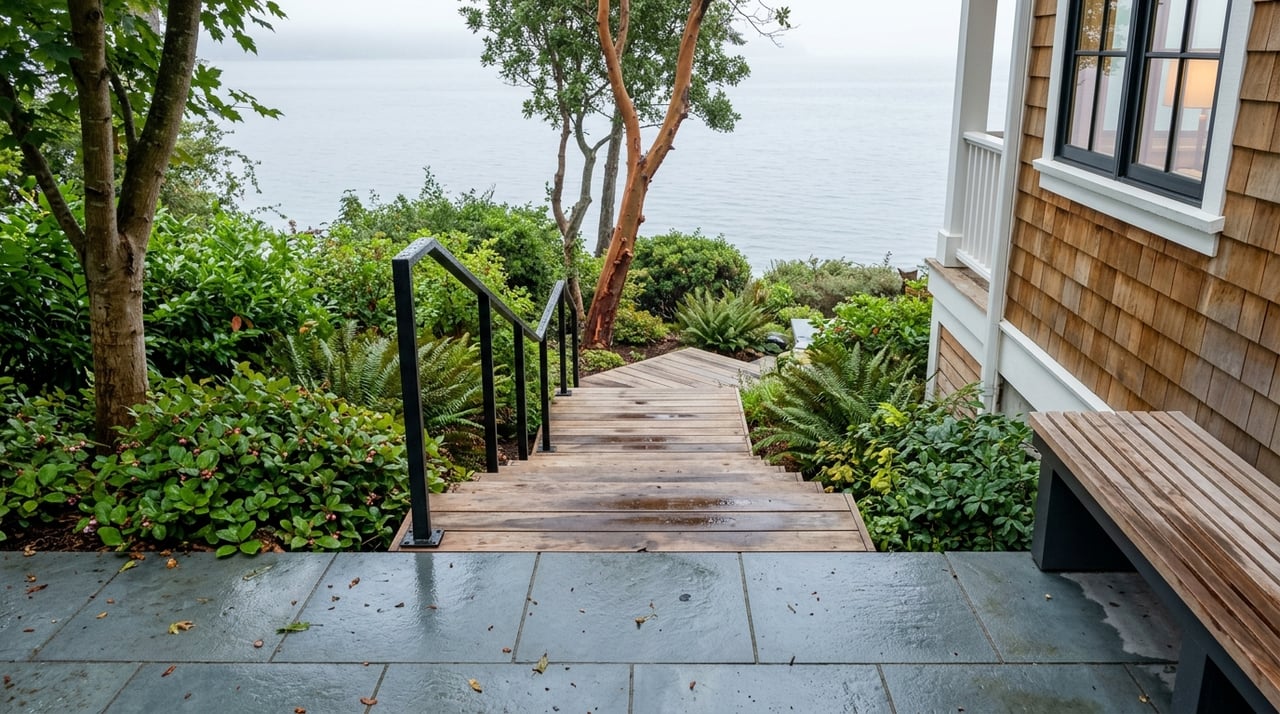
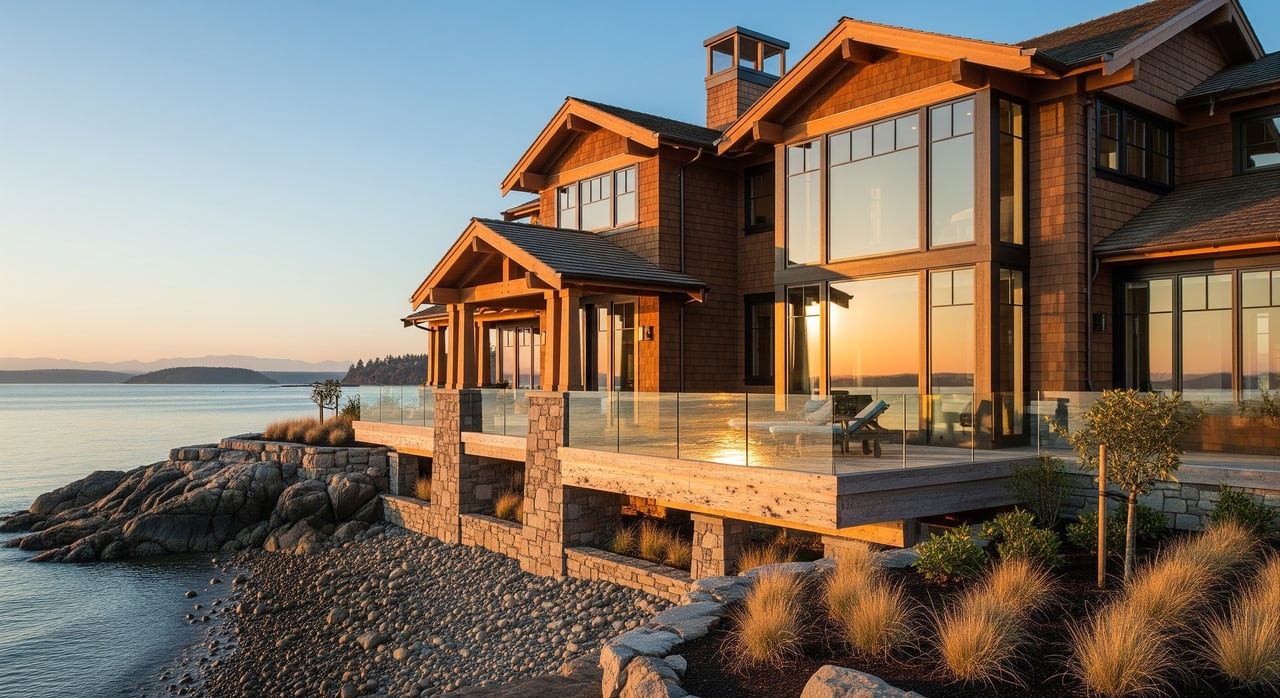
Elevated sites deliver wide views and a strong sense of privacy. Some have stairs or shared access paths to the beach. Others have no direct access.
On these lots, slope stability is a key issue. Ask for past geotechnical reports and look for signs of slumping or prior repairs. Foundations may be engineered, and you will want to understand setback limits and how the shoreline and bluff may change over time.
Pocket coves and rocky sections: character and nuance
Pocket beaches and rocky outcrops add visual interest and can offer more shelter from wind or wake. They can also complicate boat moorage and dock design. Tidal range and near‑shore depth matter a lot if you plan to keep a boat.
Daily life: sights, sounds, and seasons
You will notice morning and evening light, changing sky and water color, and wildlife like marine birds and seals. Ferries and working boats bring predictable movement and some engine noise.
Summer brings more small‑boat activity and time on the beach. Winter is quieter but more dramatic, with wind, rain, and higher maintenance needs. Full‑time residents plan for storm prep and steady upkeep of exteriors, gutters, and landscaping.
Physical risks to check early
Waterfront beauty comes with real physical factors. Build these checks into your first review of any property:
- Erosion and bluff stability. Ask for any geotechnical or slope reports and scan aerial photos for shoreline change. Look for evidence of past slumps, repairs, or drainage modifications.
- Flooding and wave runup. Confirm the FEMA flood zone and request an elevation certificate if available. This can affect insurance, design, and lender review.
- Shoreline armoring. Older bulkheads and seawalls are common. They are tightly regulated, and replacement may be limited or require mitigation.
- Tidal range and intertidal conditions. Tides control how and when you can launch small craft and can affect dock design and use.
- Storm exposure and salt spray. Plan for more frequent paint, metal, and window maintenance. Landscaping near the shore may need salt‑tolerant choices.
- Utilities and connectivity. Confirm sewer versus septic, public water versus well, and the status of high‑speed internet and power routing.
Docks and moorage: what to know
Not every waterfront property has a dock, and not every dock is the same. Treat moorage as its own due diligence track.
- Existence versus legal status. Confirm permit records for any dock or float. Some structures may extend over state aquatic lands, which can involve leases and additional approvals.
- Boat size and depth. Near‑shore depth, tidal range, and channel conditions limit boat size and access windows. This can affect how you use or improve a dock.
- Maintenance and inspections. Budget for regular inspections and repairs to floats, pilings, and hardware. In‑water work windows and environmental protections can set the schedule.
Rules and permitting in shoreline areas
Shoreline work is governed by multiple layers. The City of Bainbridge Island administers a Shoreline Master Program and critical area rules. The Washington State Department of Ecology provides statewide guidance, and the Department of Natural Resources manages leases for structures on state‑owned aquatic lands. The Kitsap Public Health District oversees septic systems and permits.
Common situations that need permits include new docks or dock expansions, significant dock repairs, and shoreline armoring work. Many policies prefer softer stabilization or restoration, and replacement of hard structures can be limited. Steep slopes, wetlands, and fish and wildlife buffers can trigger setbacks, mitigation, or variances.
Expect months for shoreline permits, especially if state reviews apply. Costs can include permit fees, studies, mitigation, and possible lease payments to the state for aquatic lands use.
Market and financing realities
Waterfront and strong water‑view properties on Bainbridge Island typically command a premium over inland homes. Inventory is often limited, so well‑located parcels can draw competition.
Appraisals rely on subjective factors like view quality, privacy, access, and moorage. Lenders may require larger down payments, and they often look closely at septic status, bulkhead condition, and flood elevation. Mortgage insurance and underwriting rules for waterfront can add steps.
Insurance and carrying costs can be higher than inland. Flood insurance may be required if a home is in a mapped high‑risk zone, and private flood policies can be options in some cases. Plan for ongoing exterior maintenance, dock and bulkhead care, and higher assessed values that affect property taxes.
If you are buying a second home, plan for winterization, remote monitoring, and the right contractor support. Local property managers with marine experience can be helpful.
A smart due diligence plan
Save time and surprises by following a structured checklist. Many of these items can be ordered in parallel during your feasibility period.
- Confirm boundaries and tideland status with county records and plats.
- Identify FEMA flood zone and request an elevation certificate if available.
- Gather all shoreline, dock, and bulkhead permits and history of shoreline work.
- Order an independent marine inspection for any dock or float.
- Commission a geotechnical review for bluff or steep‑slope lots.
- Verify sewer versus septic with the health district and obtain septic inspection records if applicable.
- Review zoning, shoreline designation, and any HOA or easement documents that affect use or access.
- Test the full commute to and from the Bainbridge ferry during peak times if you plan to commute.
- Start lender conversations early and ask about waterfront requirements and appraisal considerations.
Which features matter most for you
Your priorities shape your shortlist. Here are common buyer profiles and what to emphasize.
- Daily commuter. Focus on drive time to the Winslow ferry terminal, reliable year‑round access, and sound attenuation in the home. Insulation and systems that perform in storm season matter.
- Second‑home and recreation buyer. Favor easy beach access, lower‑exposure sites, and practical moorage options. Distance to services helps with provisioning.
- Investor or rental‑minded buyer. Verify local rental rules, access, and insurance impacts. If you plan upgrades like a dock or shoreline changes, expect longer timelines and permit steps.
How McLaughlin & Co. helps you buy well
Waterfront on Bainbridge is local by nature. Rules, risks, and even commute times can change street by street. You deserve a calm, experienced team that has closed a wide range of island transactions and understands shoreline nuance.
Here is how we guide you:
- Neighborhood‑level insight. We translate Point White’s micro‑pockets, from low‑bank stretches to bluff sections with broad views.
- Waterfront due diligence. We coordinate marine and geotechnical inspections, pull permit histories, and spot red flags early.
- Relocation and commute support. We help you time the full door‑to‑door ferry commute and set up the right routines.
- Lender and vendor network. We introduce lenders and local specialists who have closed waterfront loans and completed shoreline work.
- Steady, relationship‑first service. We keep the process focused and low‑stress, from first tours through appraisal and closing.
If Point White feels like your place, let’s talk about the short list, timing, and a clear plan to buy with confidence. Make time for coffee and connect with McLaughlin & Co..
FAQs
How long is the Bainbridge–Seattle ferry crossing for Point White commuters?
- The scheduled crossing is about 35 minutes, but you should test your full door‑to‑dock and dock‑to‑office timing, including peak‑hour vehicle lines.
What permits are needed to repair a bulkhead or build a dock on Bainbridge Island?
- Shoreline work typically requires local shoreline permits and may need state review; docks that extend over state aquatic lands can require a lease or authorization, and timelines often run months.
Are Point White waterfront homes in flood zones, and will I need flood insurance?
- It varies by property; check FEMA flood maps and ask for an elevation certificate if available, since high‑risk zones can trigger flood insurance requirements.
What should I verify about an existing dock or moorage before I buy?
- Confirm permit numbers, any state aquatic lands lease, past repair records, and a current marine inspection so you understand legal status, condition, and use limits.
How do low‑bank and bluff lots compare for access and maintenance?
- Low‑bank lots offer easier beach access but can face higher erosion and wave exposure; bluff sites deliver big views and privacy but require slope stability review and may have limited beach access.
What ongoing costs are unique to Point White waterfront ownership?
- Budget for exterior upkeep from salt and wind, dock and bulkhead maintenance, possible flood insurance, and typically higher assessed values that influence property taxes.