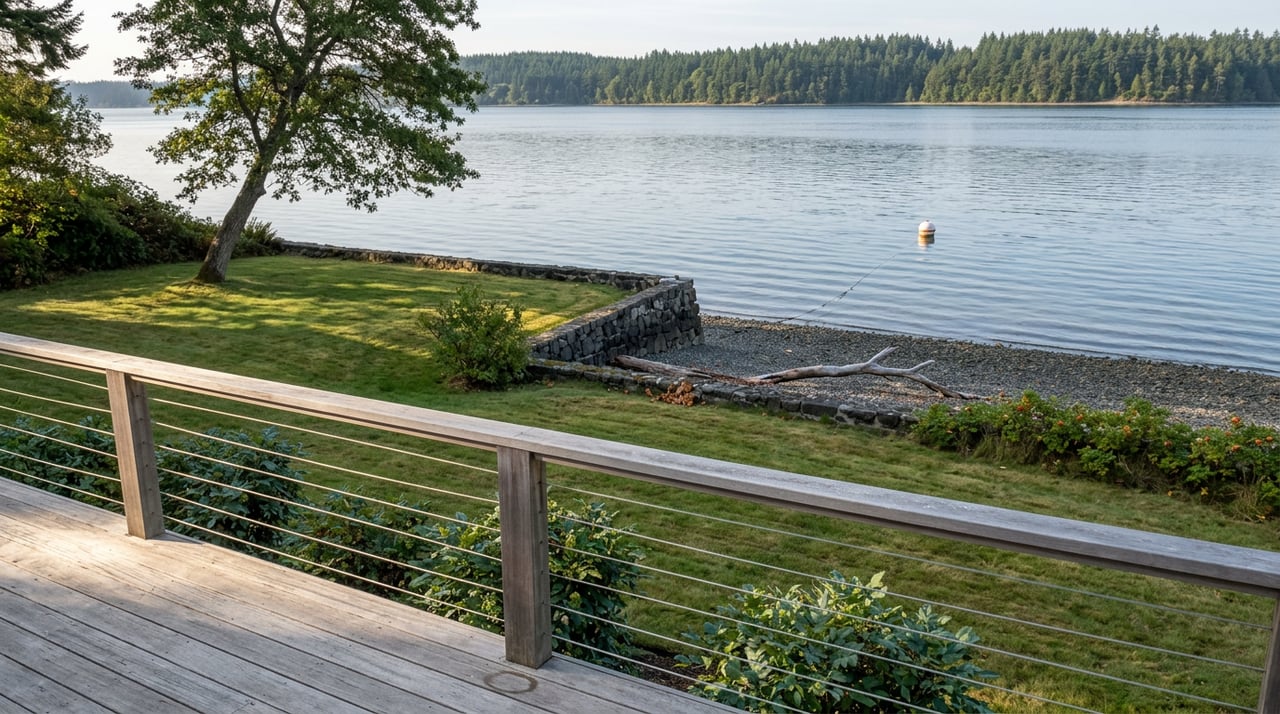

Are you choosing between two golf-course neighborhoods and wondering which one feels more like home? It is a good question if you value fairways outside your window, quick rounds after work, or a built-in social scene. You want a clear picture of lifestyle, ongoing costs, commute rhythm, and resale potential before you buy. In this guide, you will compare the core lifestyle traits of Wing Point and Meadowmeer, learn which questions to ask, and walk away with a simple plan to move forward with confidence. Let’s dive in.
Wing Point vs Meadowmeer at a glance
If you love golf and a close-knit neighborhood setting, both areas can work well. The better fit usually comes down to a few practical factors:
- Club access and culture: How membership works, what programs matter to you, and how active the social calendar feels.
- Housing and HOA: Home style and lot feel, CCRs, fees, and any special assessments that affect your total monthly cost.
- Commute and daily rhythm: Proximity to the ferry and services, plus how the area feels during peak commute windows.
- Noise, privacy, and maintenance: What living along a course means day to day, from early tee times to course care.
- Resale and demand: How buyer interest in golf-community homes supports long-term value.
Community vibe profiles
Wing Point vibe
Wing Point often appeals to buyers who want a golf-forward lifestyle with quick access to island amenities. You may find an active club calendar, lessons and leagues, and a neighborhood that feels established. Homes near the course can enjoy green views and a sense of privacy, with the trade-off of occasional golfer traffic near fairways and paths. If you like being near the action and value a polished club experience, keep Wing Point on your short list.
Meadowmeer vibe
Meadowmeer tends to draw buyers who enjoy a relaxed golf setting and a neighborhood feel. You can find a mix of home styles and easy access to outdoor recreation beyond golf. For many buyers, the appeal is a straightforward, lived-in community with a comfortable pace. If you want a friendly place to settle in, with golf as part of your week rather than the entire plan, you may prefer Meadowmeer.
Golf access and membership explained
Membership models can vary and can change over time. Before you decide, confirm details directly with each club.
What to confirm at each club
- Club status: Private, semi-private, or public access policies.
- Membership types: Full golf, junior, associate, or social options.
- Joining costs: One-time initiation, whether refundable or not.
- Ongoing dues: Monthly or annual, and what each tier includes.
- Playing costs: Cart, range, guest fees, and any minimums for food and beverage.
- Programs: Leagues, tournaments, juniors, lessons, and social events.
- Waitlist status: Whether there is a waitlist, deposit amounts, and timeline.
- Transfer rules: If you sell, whether memberships transfer and how that affects buyers.
Typical cost categories to plan for
- Initiation fee and taxes
- Monthly or annual dues
- Cart, range, and storage if applicable
- Guest fees and lesson fees
- Food and beverage minimums
- Occasional capital or special assessments
Build your total monthly number with a simple worksheet so you can compare apples to apples across both communities.
Housing and HOA essentials
Home types and lot feel
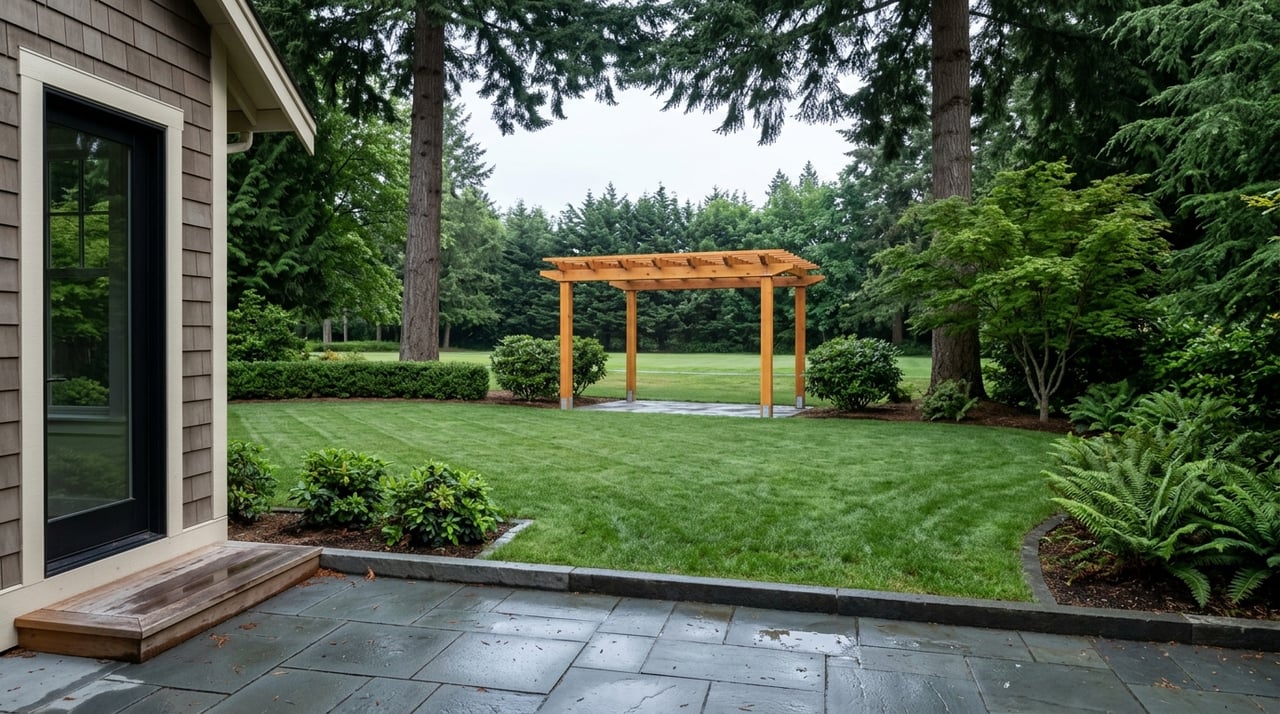
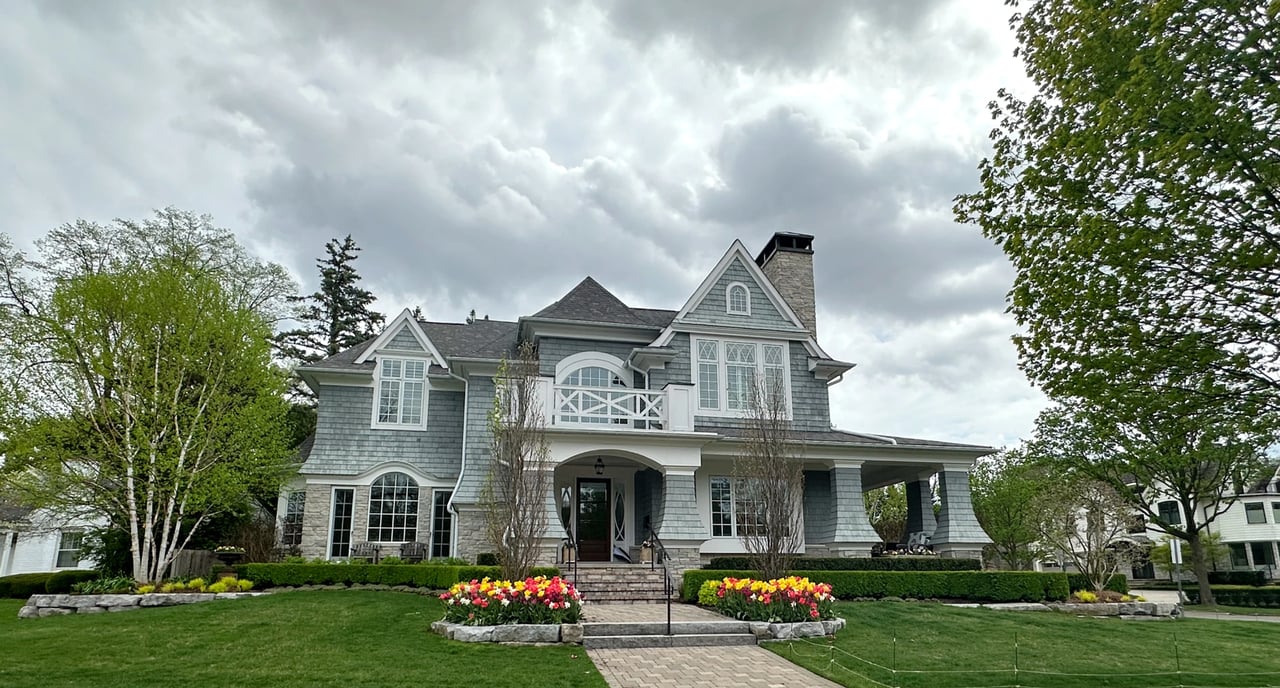
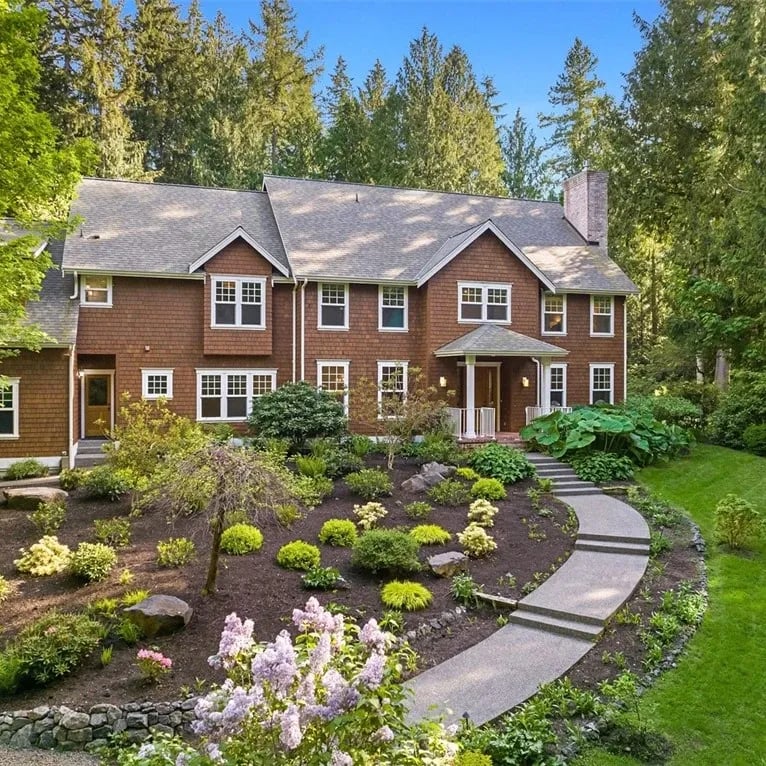
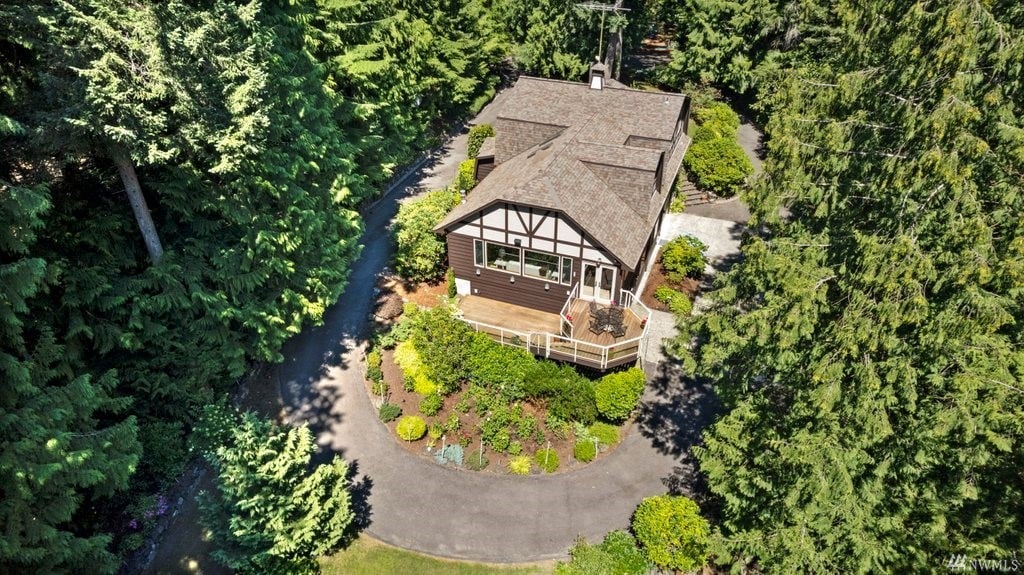
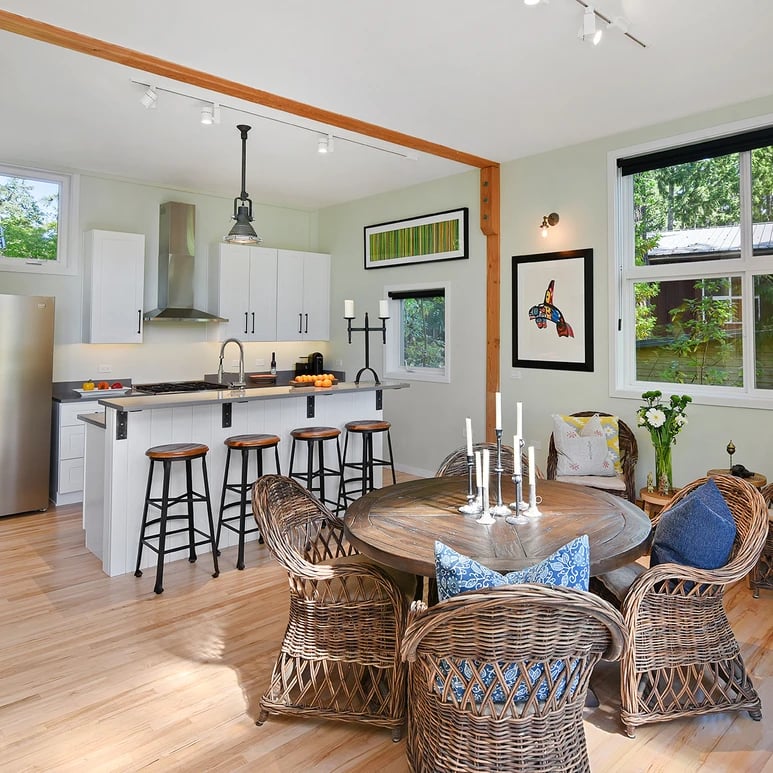
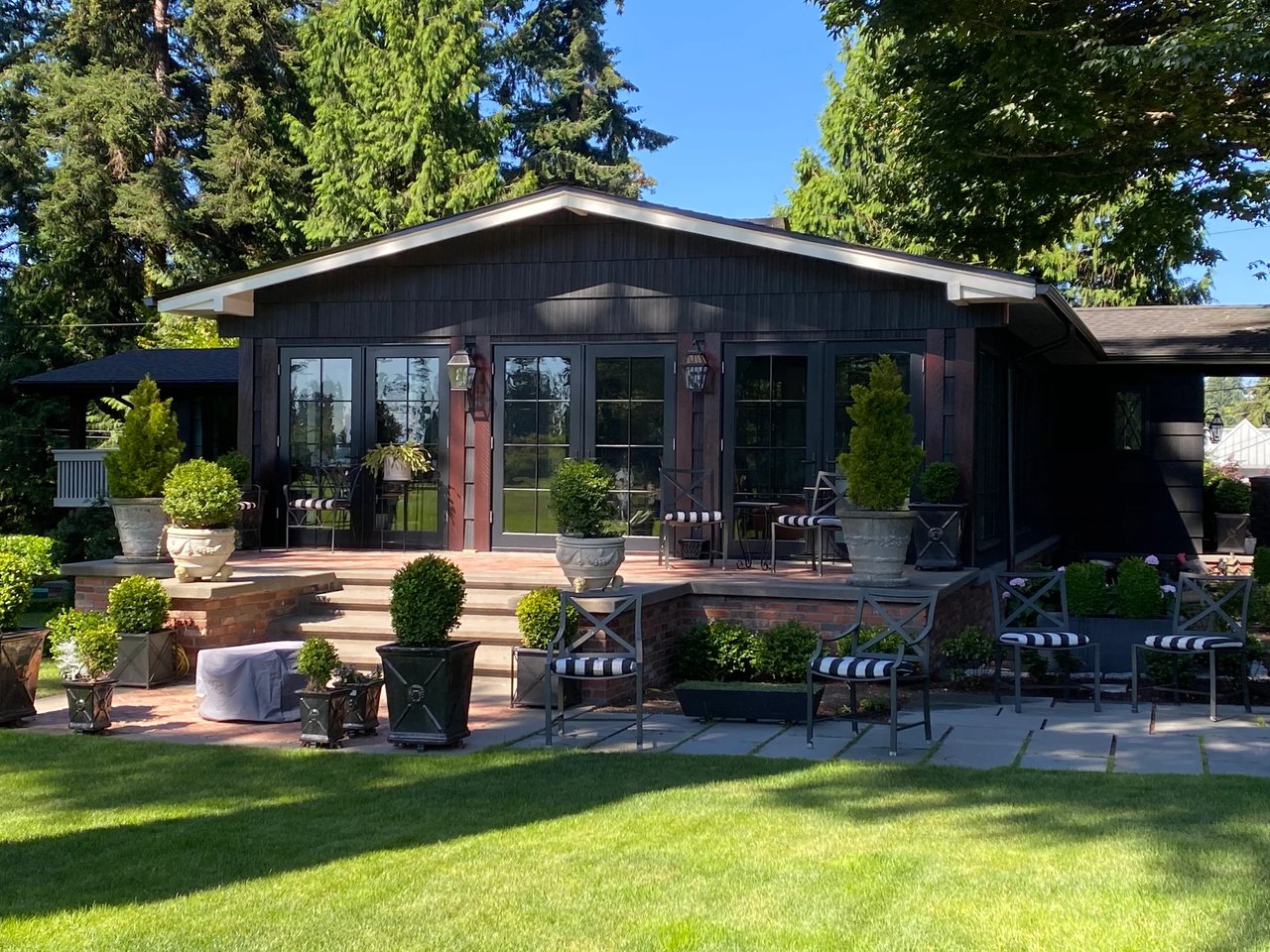
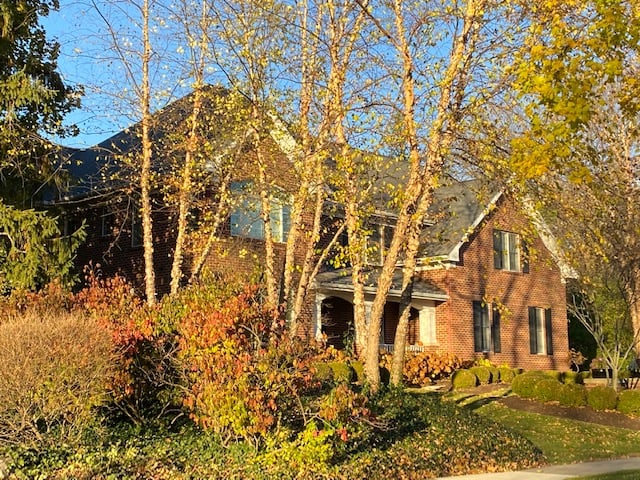
Golf-community homes vary in age, size, and architecture. You may see established homes with updates alongside newer builds. Lots near fairways can feel open and green, while interior lots can offer more shelter and quiet. Ask your agent for a pinned map of each property in relation to tees, greens, and cart paths so you understand privacy and noise trade-offs.
HOA and CCRs: what to ask
- HOA fee amount and what it covers, such as roads, landscaping, or common areas.
- CCR highlights: Exterior guidelines, fencing rules, lighting, and parking.
- Short-term rentals: Whether they are allowed and any minimum stay requirements.
- Architectural review: Process, timelines, and fees for remodels.
- Utilities: Septic or sewer service, and any system inspections on file.
- Recent or planned projects: Road work, landscaping upgrades, or other improvements that could mean assessments.
Maintenance and course-adjacent living
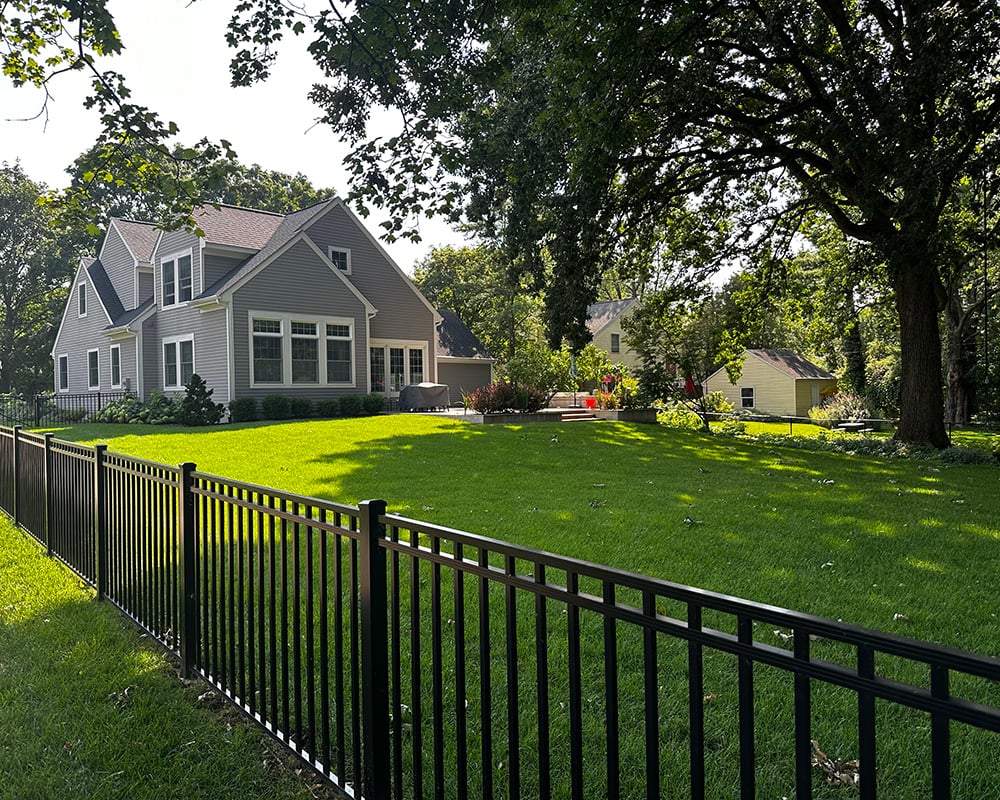
Course maintenance keeps fairways healthy and playable. That can mean early-morning equipment noise or seasonal activity close to course-side homes. Many buyers love the greenbelt feel and seasonal views. Walk the property at different times of day, listen for course activity, and note screens, landscaping, or fencing that help with privacy.
Location, commute, and daily rhythm
Ferry and transit overview
Part of the charm of island living is the ferry connection to Seattle and other Kitsap hubs. If you commute, plan your route and schedule during typical morning and evening windows. Check current schedules and consider park-and-ride or transit options if you prefer not to drive daily. Even if you work from home, proximity to the ferry can matter for client meetings or weekend trips.
Access to services and parks
You will want easy access to groceries, healthcare, dining, and parks. When you tour, time your errands and note drive times to everyday services. Also look for trails, playgrounds, and water access that fit your routine. The right micro-location can save you time every week.
Resale, demand, and long-term fit
Golf-community homes often attract a steady pool of buyers who value the lifestyle and open space. That demand can support pricing compared to non-golf neighborhoods nearby. The details matter though. Membership rules, HOA stability, and property condition can influence days on market and sale-to-list results. Ask your agent for a current 6 to 12 month MLS snapshot for each area so you can compare pricing trends and inventory before you write an offer.
Who each community tends to fit
You might lean Wing Point if
- You want a polished, golf-focused environment with an active club calendar.
- You value quick access to island amenities and a consistent neighborhood feel.
- You plan to play often and want programs or lessons close to home.
You might lean Meadowmeer if
- You prefer a relaxed, approachable golf setting with a friendly pace.
- You want a mix of home styles and a more casual neighborhood feel.
- You value outdoor options beyond golf as part of your weekly routine.
Both areas can work well for commuters, remote workers, and downsizers. The best choice is the one that simplifies your daily life and supports your long-term plans.
Smart touring checklist
Use this quick list while you tour homes in both communities:
- Walk the lot line and note tee boxes, greens, and cart paths.
- Visit at two times of day to gauge noise, light, and activity.
- Ask for the HOA budget, reserves, CCRs, and minutes from the past year.
- Confirm club membership availability, costs, and program options in writing.
- Request a 6 to 12 month MLS report for pricing, inventory, and days on market.
- Verify utilities, including septic or sewer status and any required inspections.
- Ask about recent improvements or assessments at the club and HOA level.
- Review insurance needs with your broker, especially if near water or critical areas.
- Map your commute, errands, schools, and parks to test your weekly rhythm.
How to choose with confidence
Start by ranking your top three priorities, such as golf frequency, commute simplicity, and overall monthly cost. Then tour one or two homes in each community with those priorities in mind. Compare membership details side by side, review HOA documents, and look at recent neighborhood sales. If the home, the club, and the daily rhythm all work for you, you are close to the right answer.
When you are ready, we can help you match properties and membership options to your goals, negotiate details that matter, and line up the right inspections. If you plan to sell before you buy, we can also help you prepare your home strategically with staging guidance and pre-listing improvements through Compass Concierge.
Ready to talk through Wing Point and Meadowmeer and see what is available now? Reach out to McLaughlin & Co. for a calm, clear plan.
FAQs
Are memberships required to buy a home in these areas?
- Membership requirements can vary by club and can change over time. Confirm whether membership is optional or required for homeowners, and ask for current membership documents in writing.
What total monthly costs should I expect in a golf community?
- Plan for mortgage and taxes, HOA fees, club dues, and any capital or special assessments, plus cart, range, and guest fees if you play often.
How do I evaluate commute from a golf-course neighborhood?
- Test your route during typical hours, include ferry timing if you commute to Seattle, and consider alternatives like park-and-ride or partial remote days.
Will living along a fairway affect privacy and noise?
- Course-side homes can enjoy open views and green space, with possible early maintenance noise and occasional golfer traffic. Visit at different times of day to gauge fit.
Do HOA rules limit remodeling or rentals?
- Many HOAs have CCRs that guide exterior changes and may restrict short-term rentals. Ask for the current CCRs, architectural review steps, and rental policies before you write an offer.
How do golf-club policies affect resale value?
- Strong membership demand, clear transfer rules, and stable dues can support resale. Required memberships or frequent assessments can narrow the buyer pool. Review current policies and recent sales to understand impact.