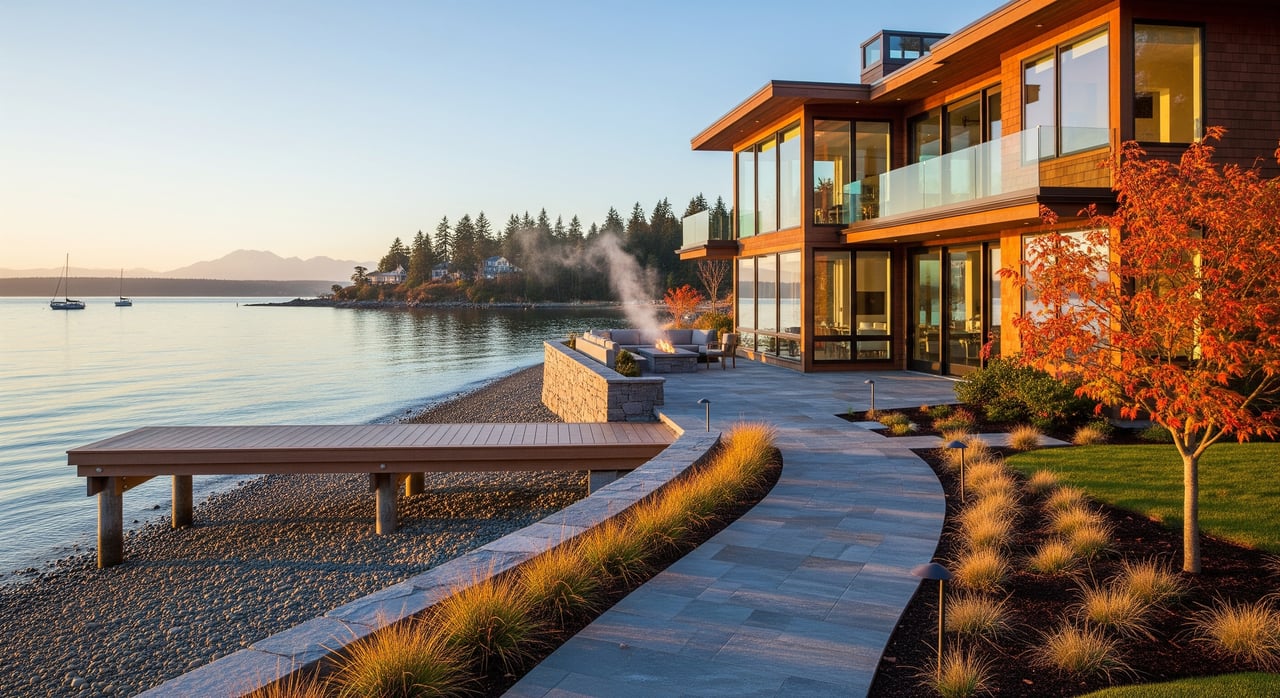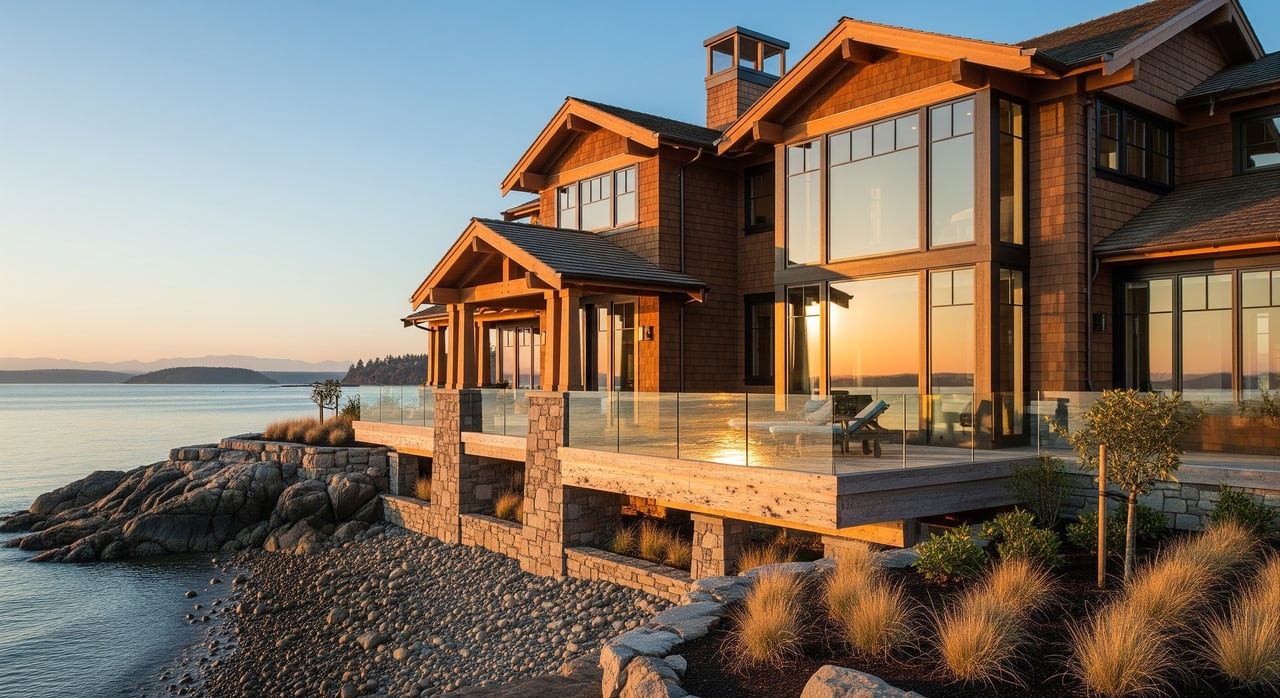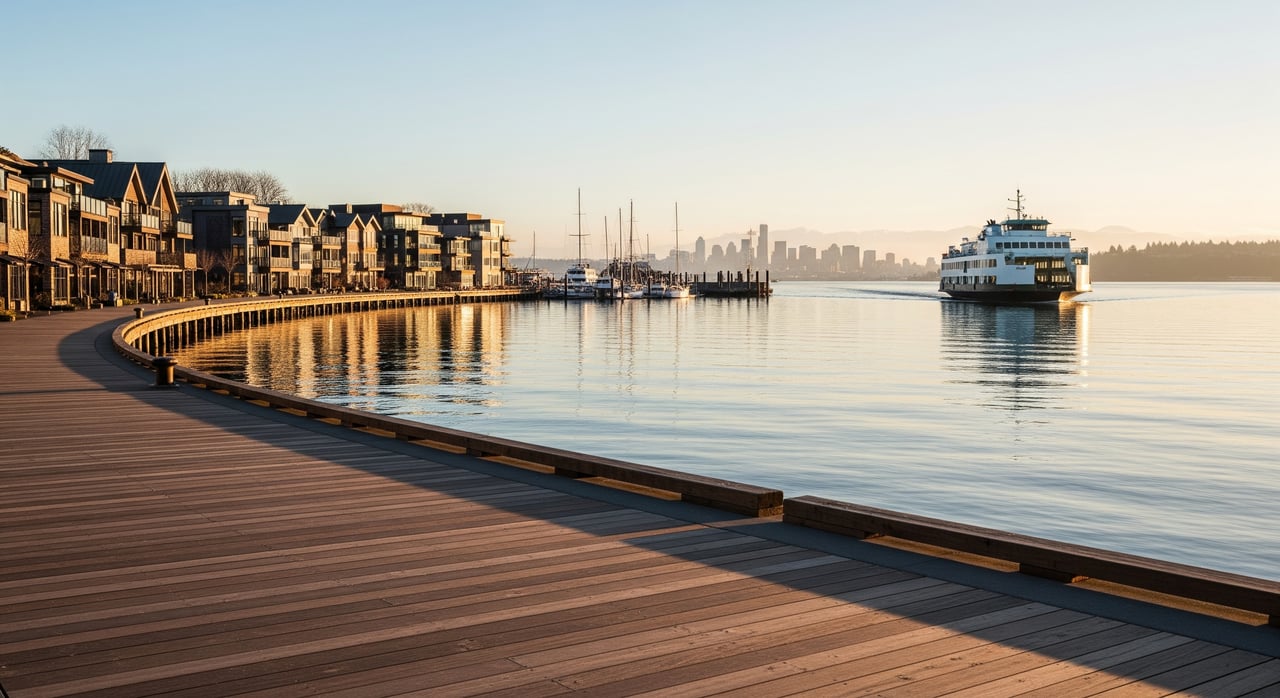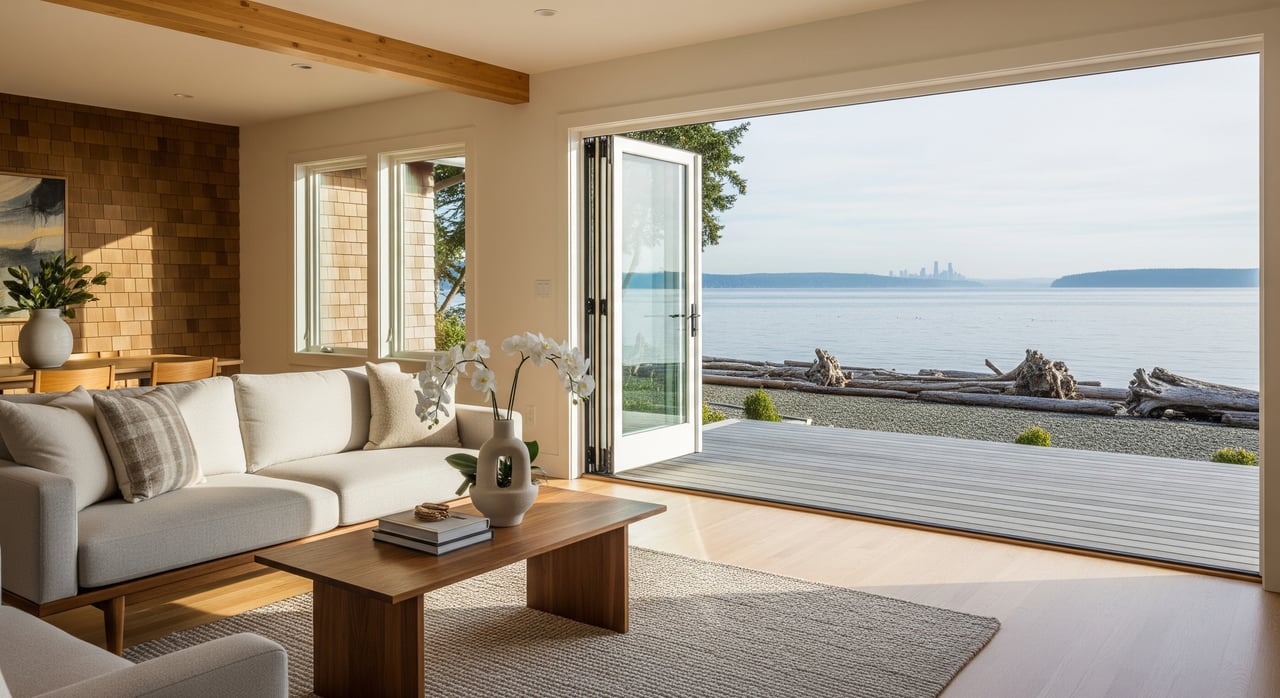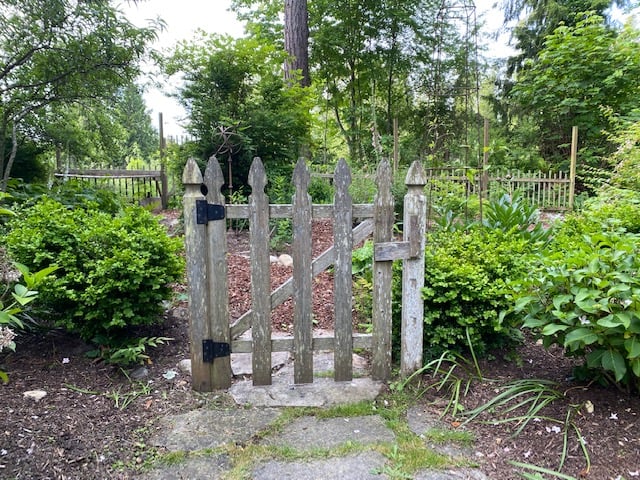
If you are looking for a Bainbridge Island area with a true village feel, Rolling Bay stands out right away. Instead of a busy downtown setting, you will find a compact neighborhood center where coffee, errands, local shops, and nearby coastal scenery shape daily life. For buyers and sellers alike, understanding that rhythm can help you see what makes this corner of the island distinct. Let’s dive in.
What Rolling Bay Feels Like
Rolling Bay is on the northeast side of Bainbridge Island and is recognized by the city as one of the island’s neighborhood centers. In the city’s planning framework, these centers are meant to support small-scale retail, services, civic uses, housing, and mixed-use development outside of Winslow. That means Rolling Bay is best understood as a village-scale hub, not a dense commercial district.
The city’s land-use language describes Rolling Bay Center as a cluster of primarily retail and civic uses. That matches the experience on the ground. You are not coming here for blocks of storefronts. You are coming for a quieter, local pattern of living where everyday stops are close at hand.
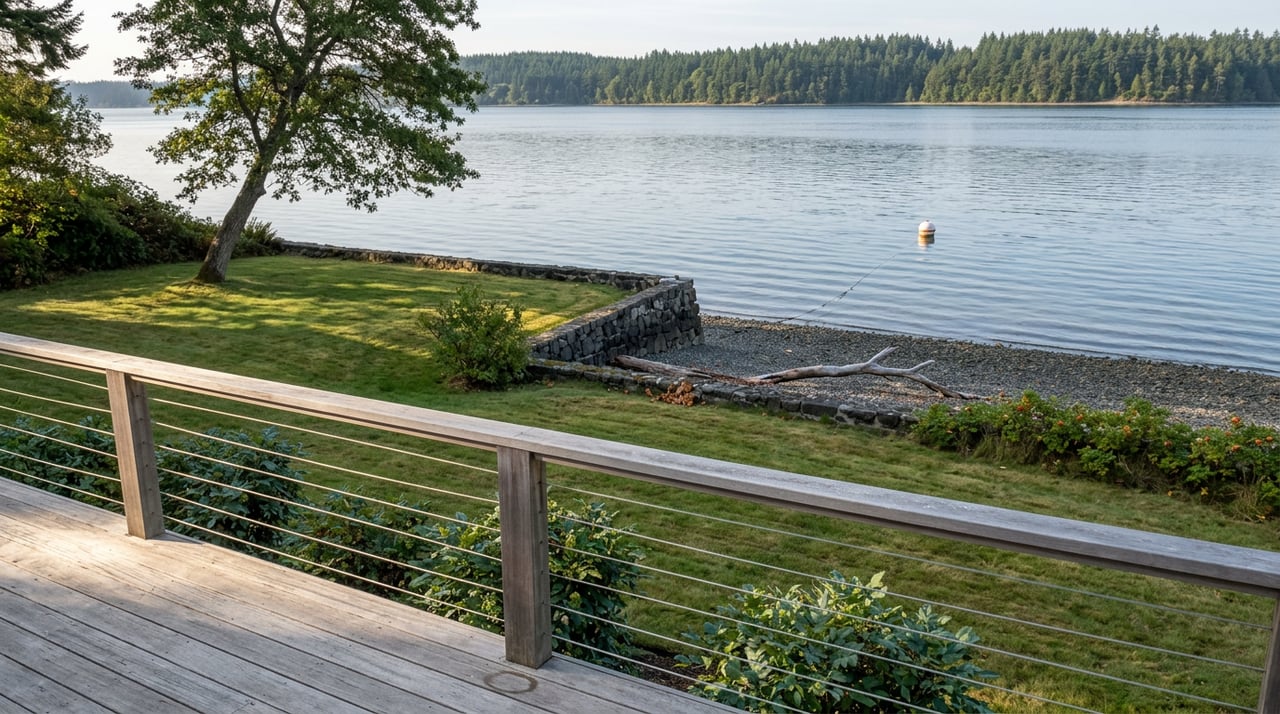
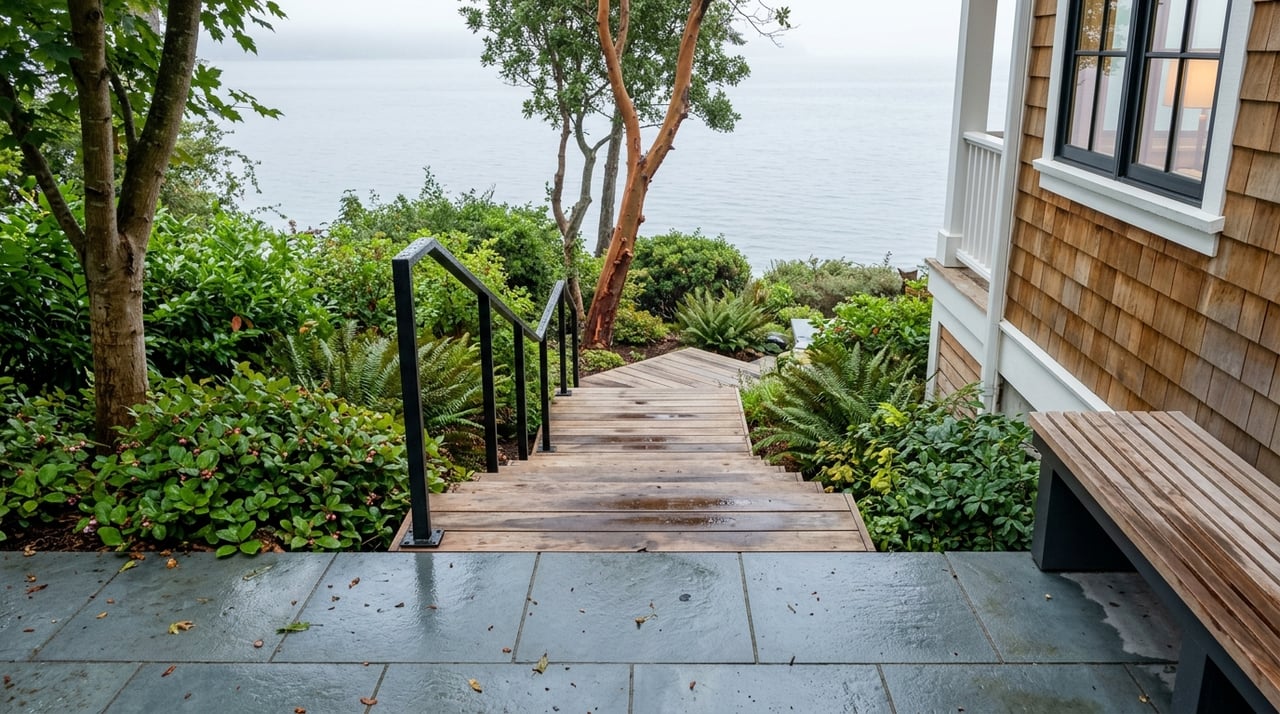
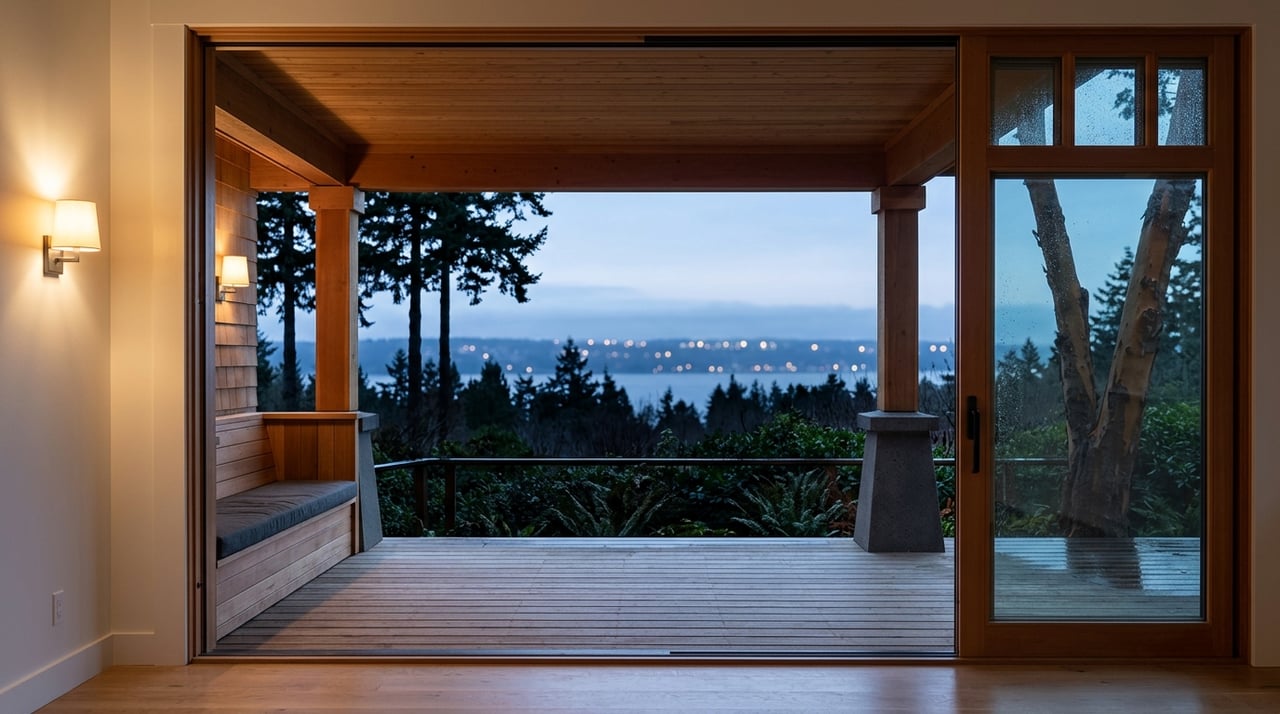
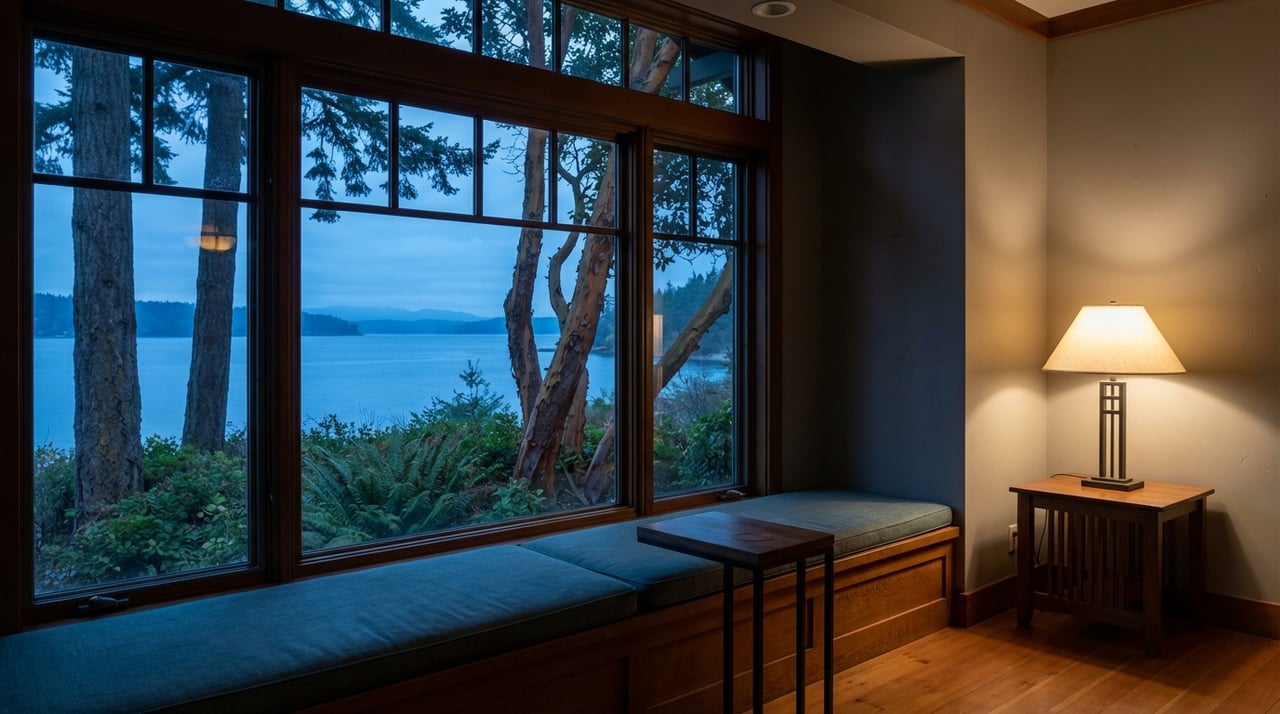
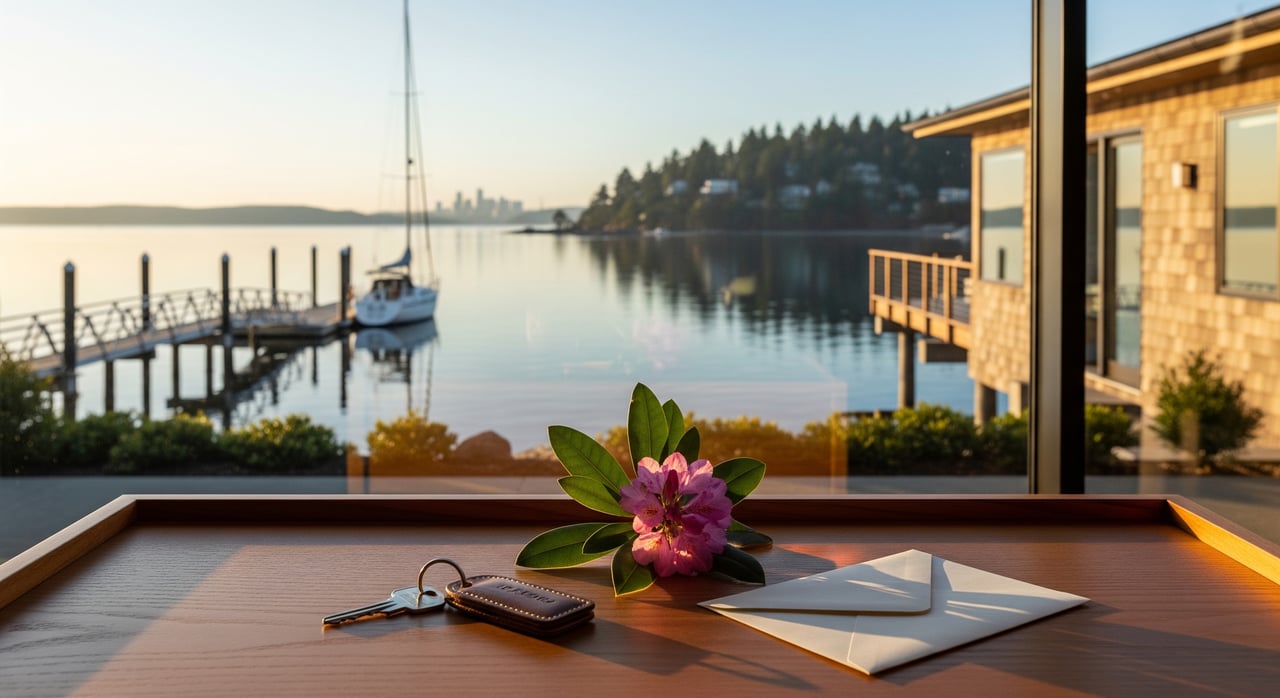
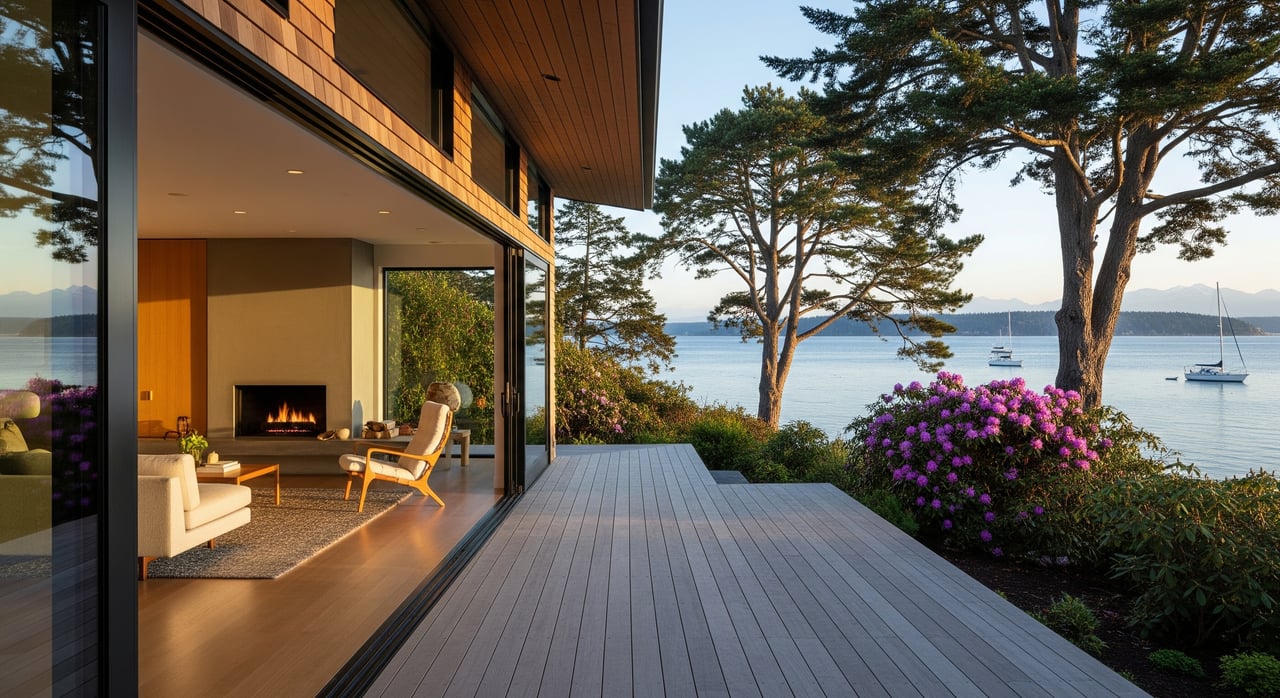
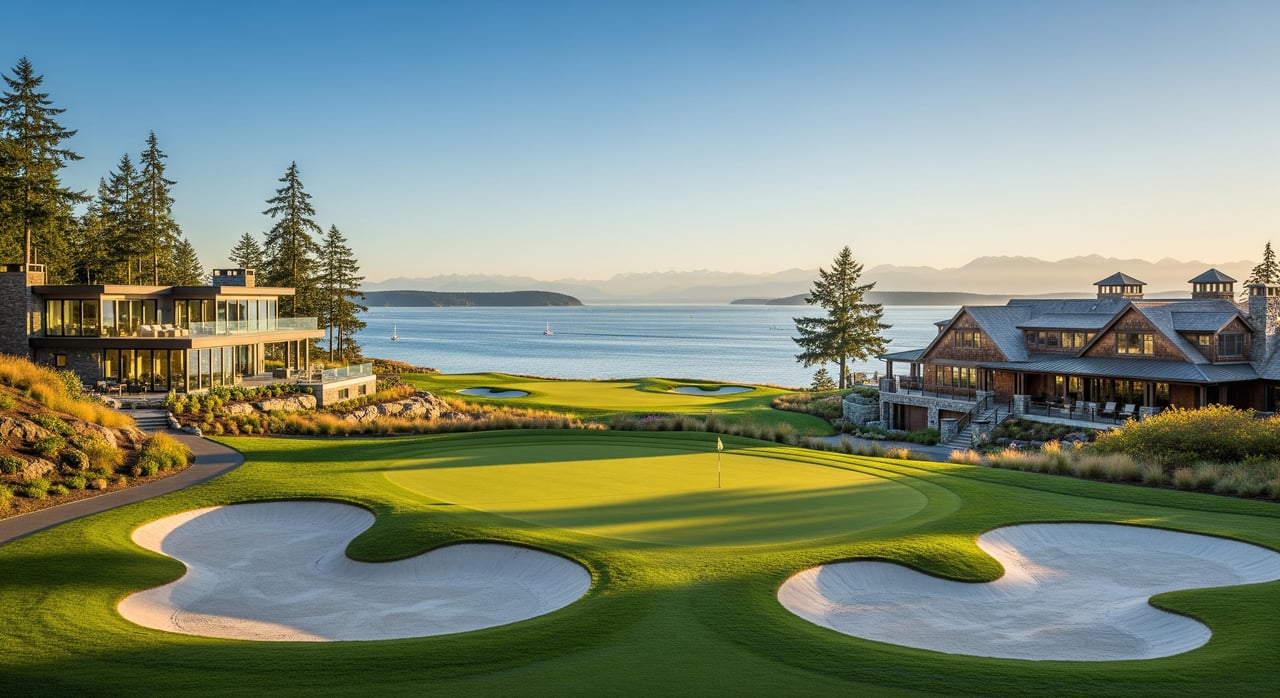
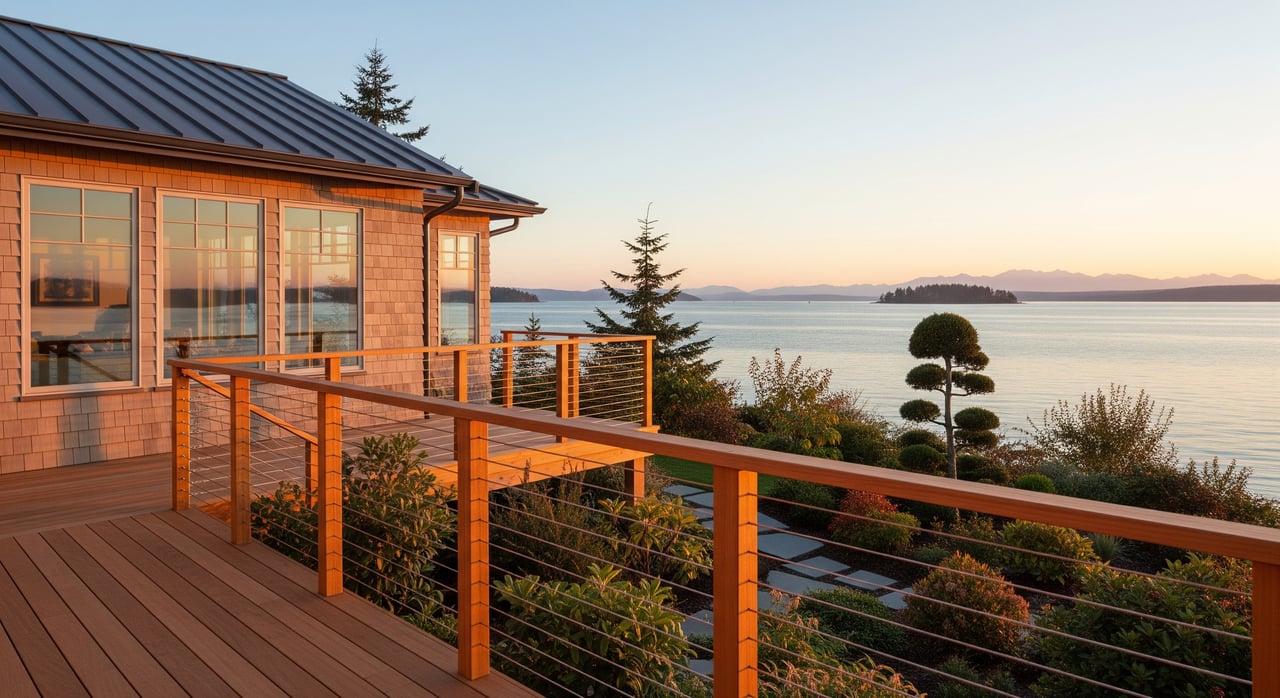
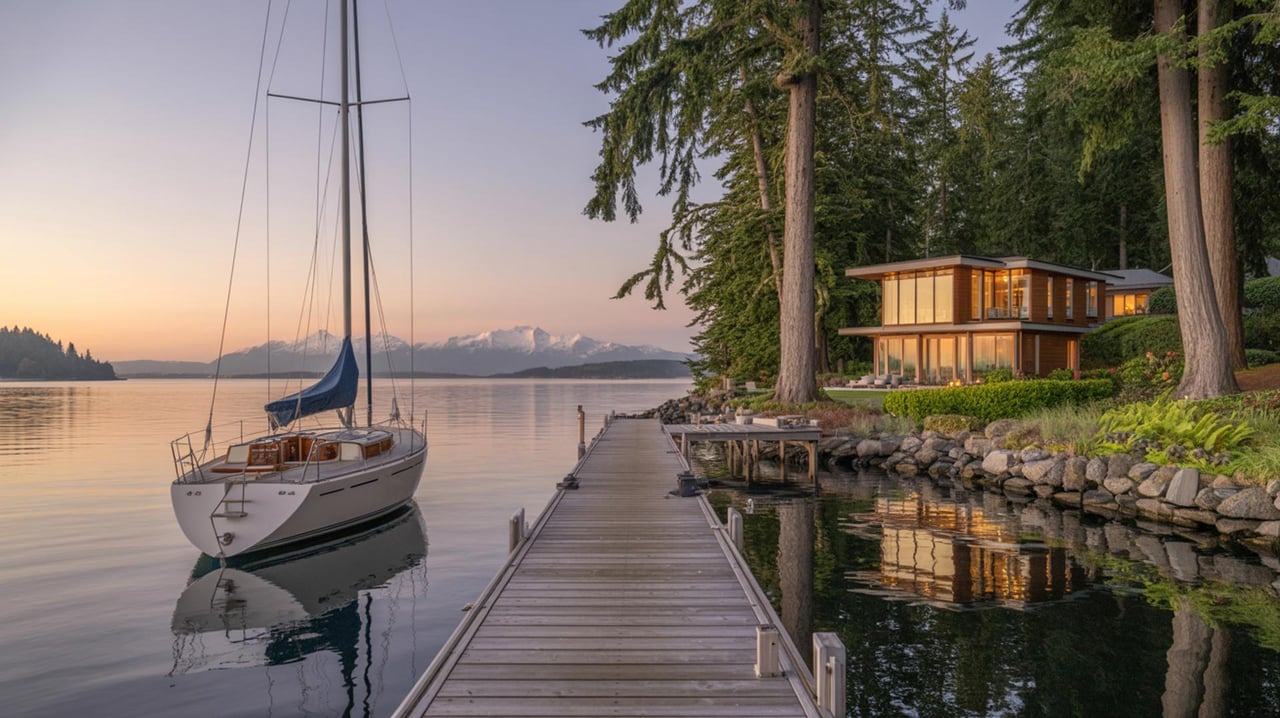
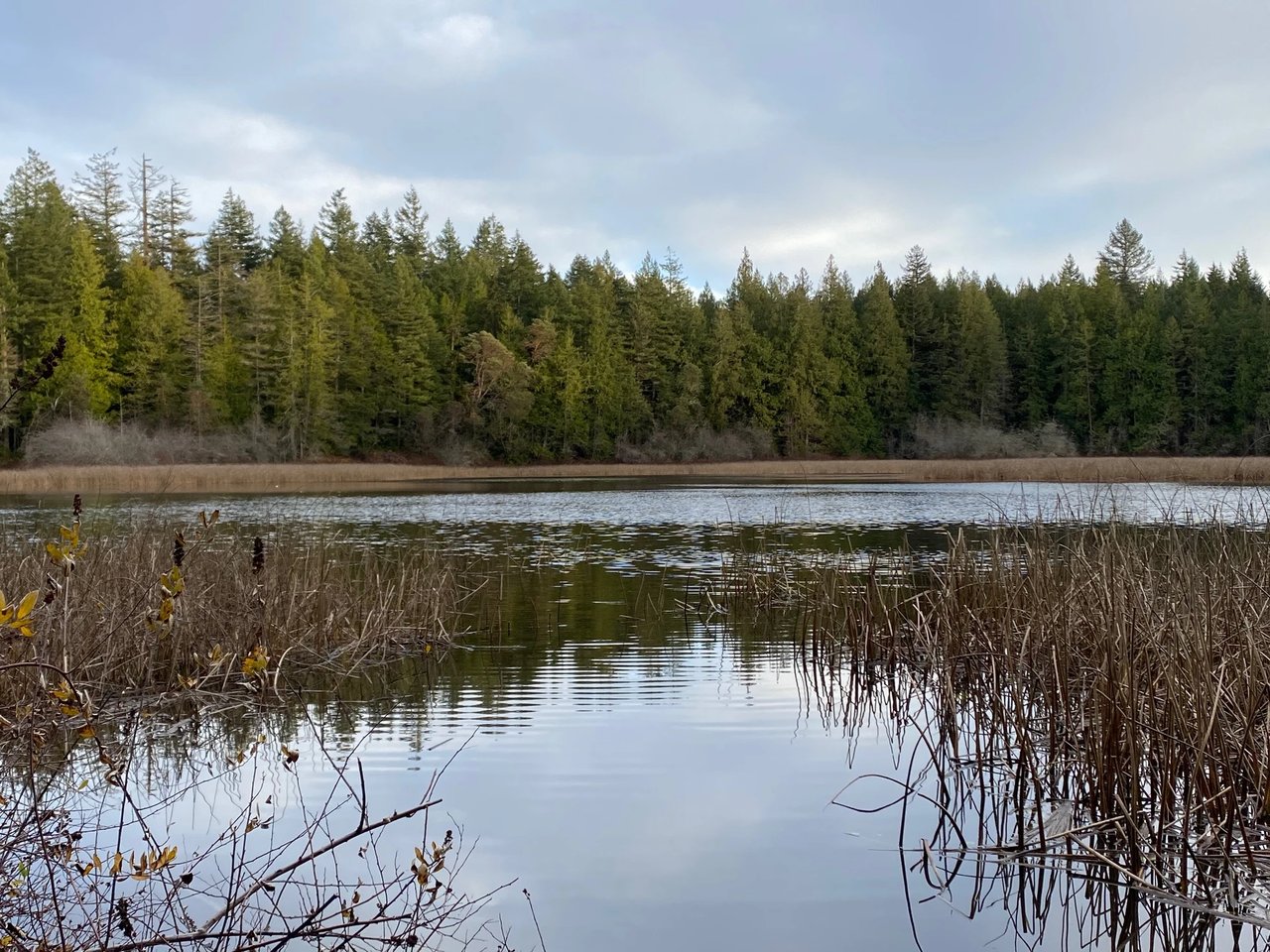
Bainbridge Island itself is defined by a strong coastal setting, with forested hills, rocky shoreline, and 53 miles of shoreline, about 35 minutes by ferry from Seattle, according to the City of Bainbridge Island. Rolling Bay reflects that larger island character in a more intimate way.
The Village Hub in Rolling Bay
At the center of Rolling Bay life is a cluster of neighborhood-serving businesses that support simple, repeatable routines. If you value a place where grabbing coffee, picking up a few groceries, or stopping by the post office can all happen in one area, this part of Bainbridge has a lot of appeal.
A key anchor is Bay Hay & Feed, described in the business directory as a local hub in a historic 1912 building. It includes a post office, cafe, nursery, farm supplies, and a market with local produce and staples. That combination says a lot about Rolling Bay. It is practical, local, and rooted in everyday use.
Nearby, Rolling Bay Cafe adds to that neighborhood rhythm. Tucked into Bay Hay & Feed’s gardens, it reinforces the quieter, community-scaled feel of the area. It is the kind of place that helps turn an errand into a pause in your day.
Via Rosa 11 expands the village mix with an Italian kitchen and market. Along with coffee and staples, that gives the center a broader food-and-grocery presence. You can see how Rolling Bay supports a lifestyle built around short local stops rather than long shopping trips.
Other businesses and venues add more texture. Bower contributes vintage and home decor retail, while Rolling Bay Hall and WEAVE Presents bring an intimate event and performance presence to the area. Rolling Bay Winery and the nearby Bainbridge Island Blueberry Co. tie the broader area back to island agriculture and small-batch production.
Everyday Life Here
For many buyers, the real question is simple: what does daily life look like? In Rolling Bay, the answer is less about entertainment districts and more about rhythm. You might start with coffee, stop for produce or household basics, browse garden or home goods, and head home without leaving the neighborhood center.
That pattern is one reason Rolling Bay appeals to people who want a more grounded, village-style experience on Bainbridge Island. The area supports convenience, but in a small-scale format. It feels connected to the surrounding residential streets and coastal landscape rather than separate from them.
This is also consistent with the city’s broader goal for neighborhood centers to provide housing along with small-scale commercial and service activity. In practical terms, Rolling Bay works well for people who value proximity to useful places without wanting a busier downtown environment.
Homes and Lot Character
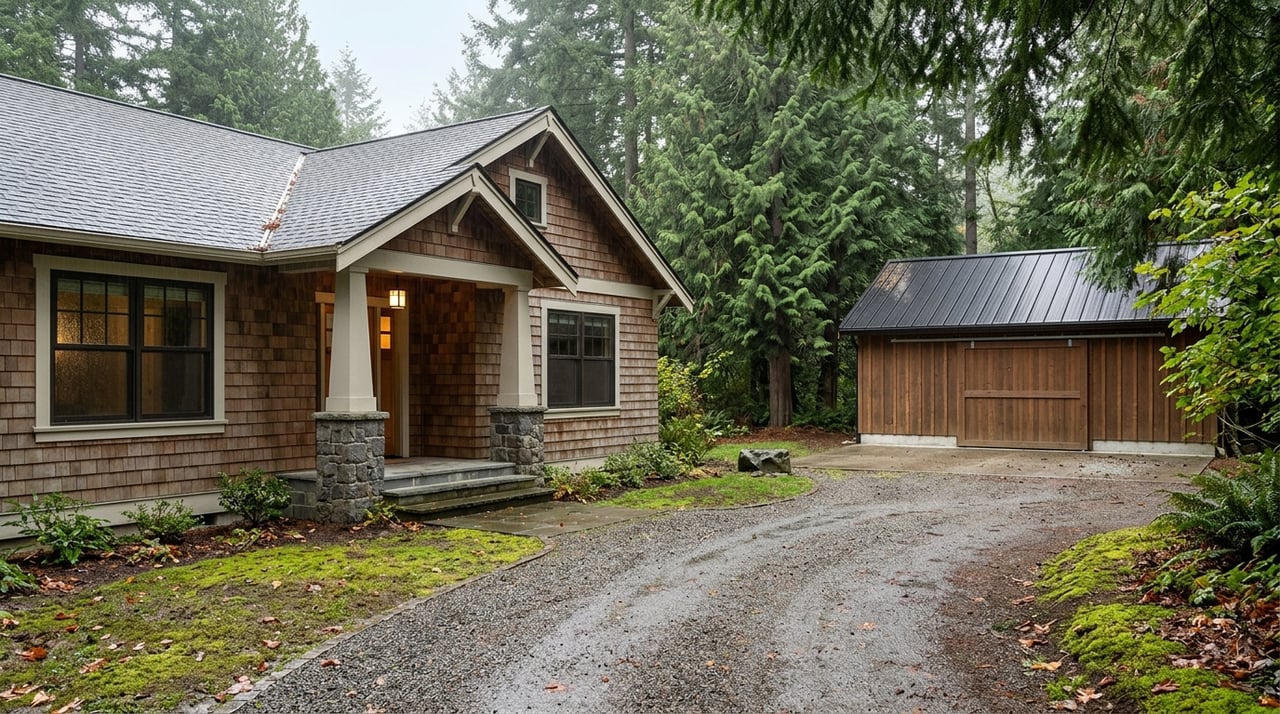
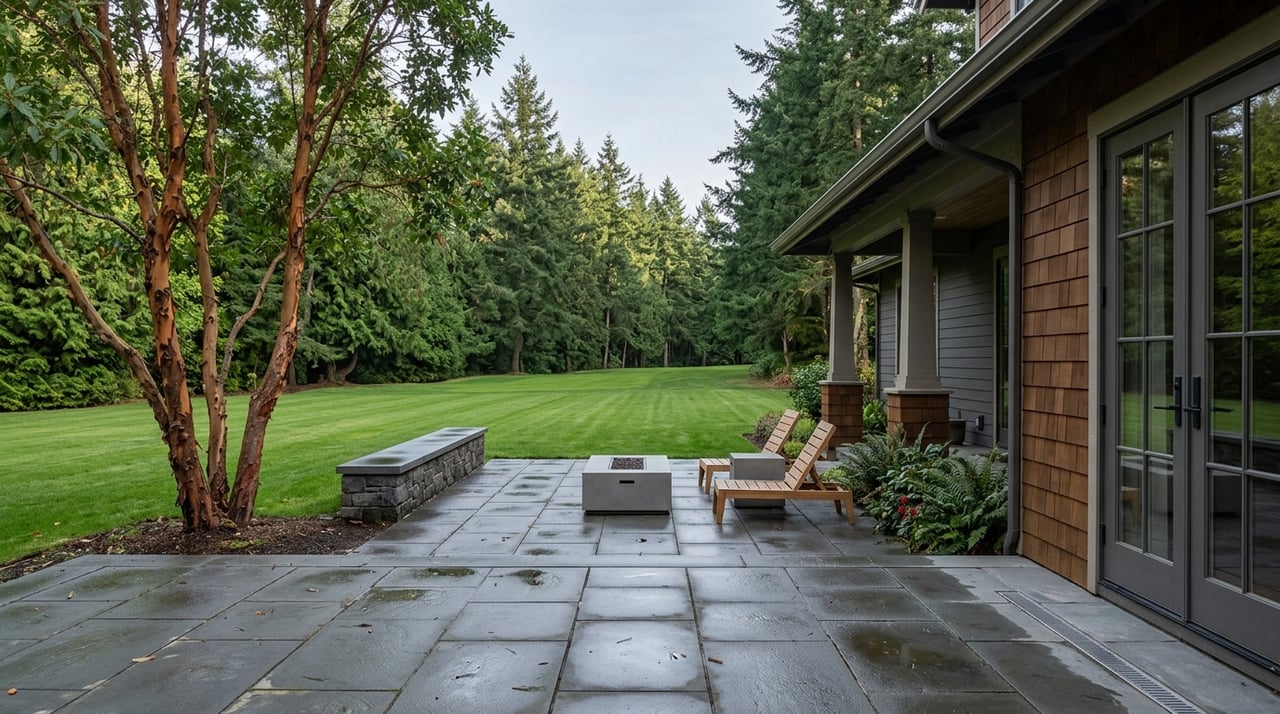
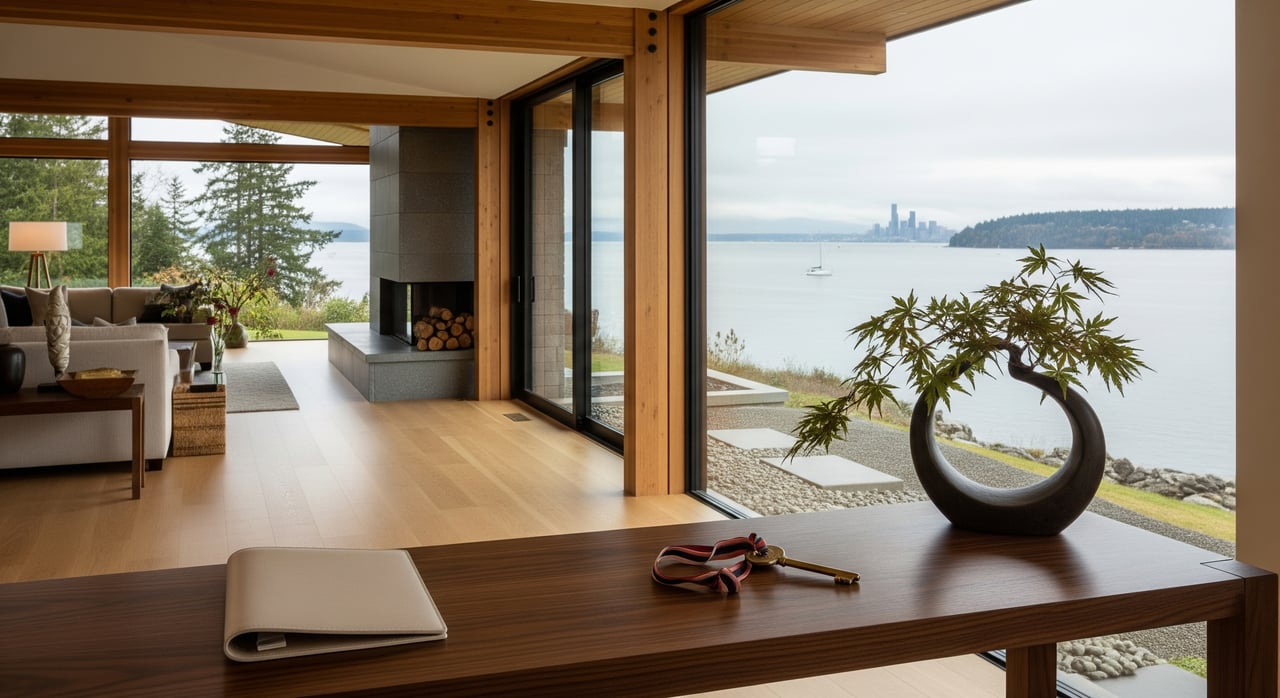
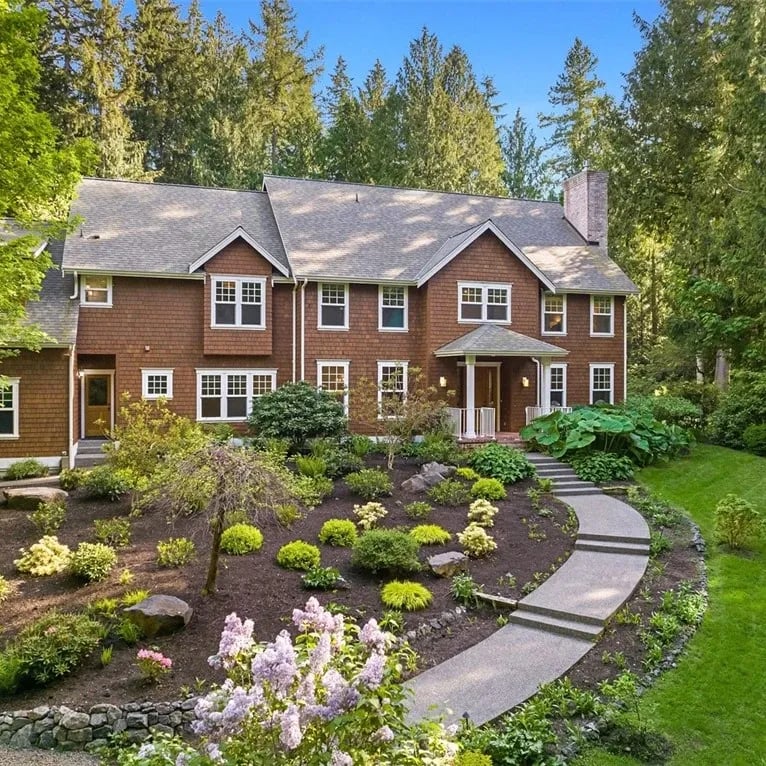
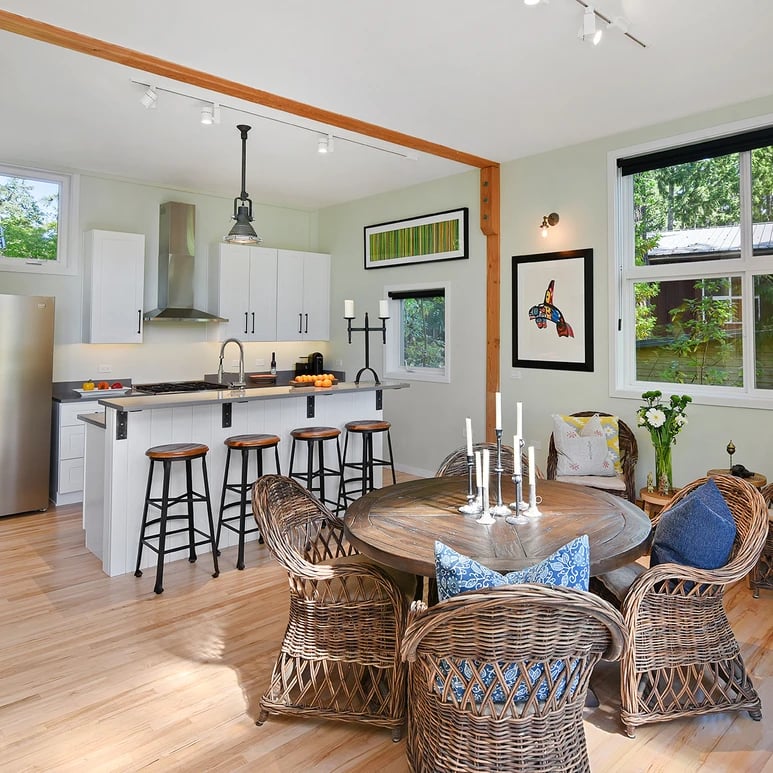
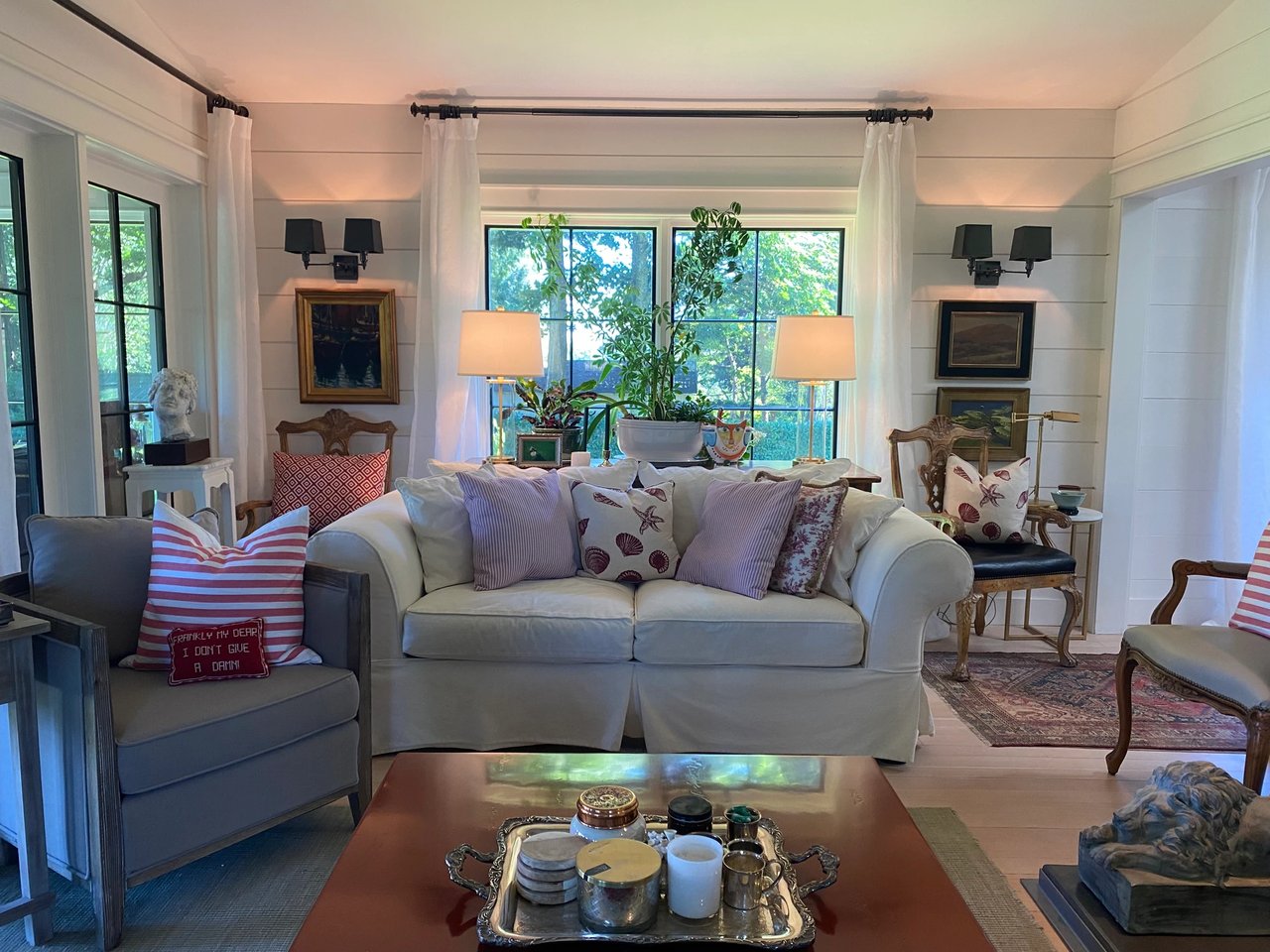
Housing in and around Rolling Bay is part of a broader Bainbridge Island pattern. The city’s zoning ranges from very low-density residential districts to higher-density residential areas, and policy language says Rolling Bay should combine small-scale commercial, mixed use, and residential development outside Winslow. That creates a setting where home styles and lot patterns can feel layered rather than uniform.
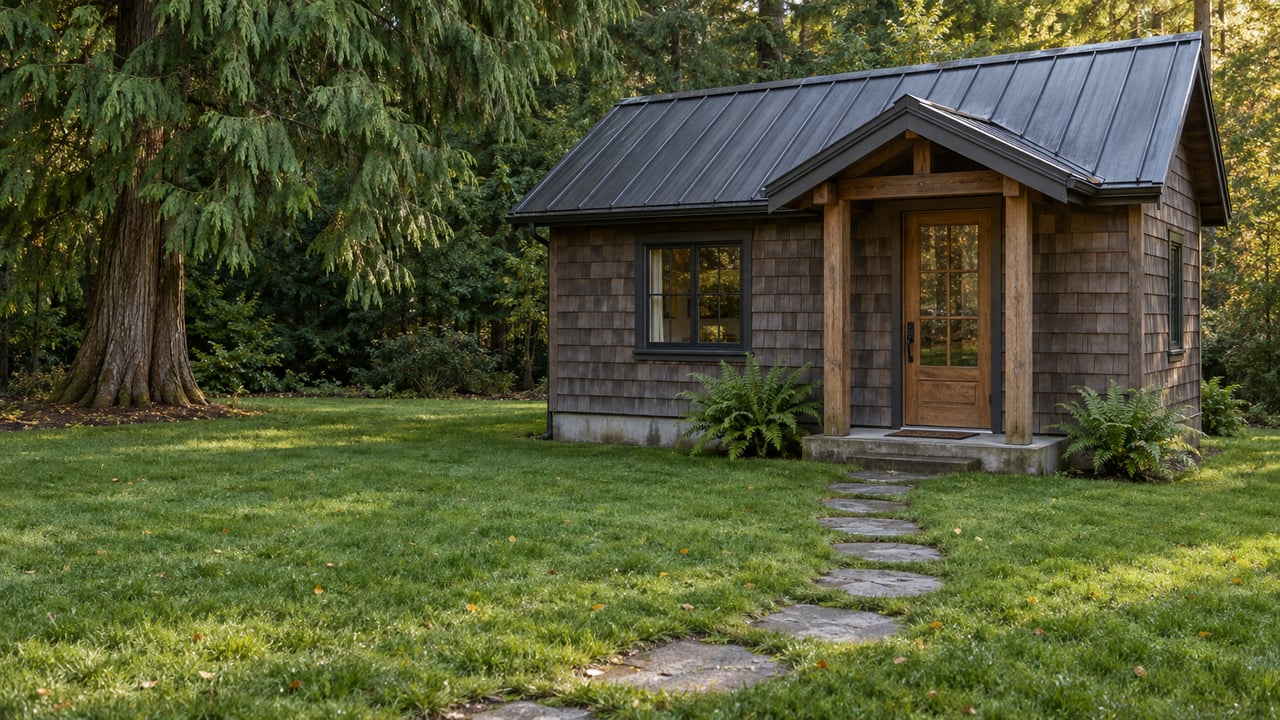
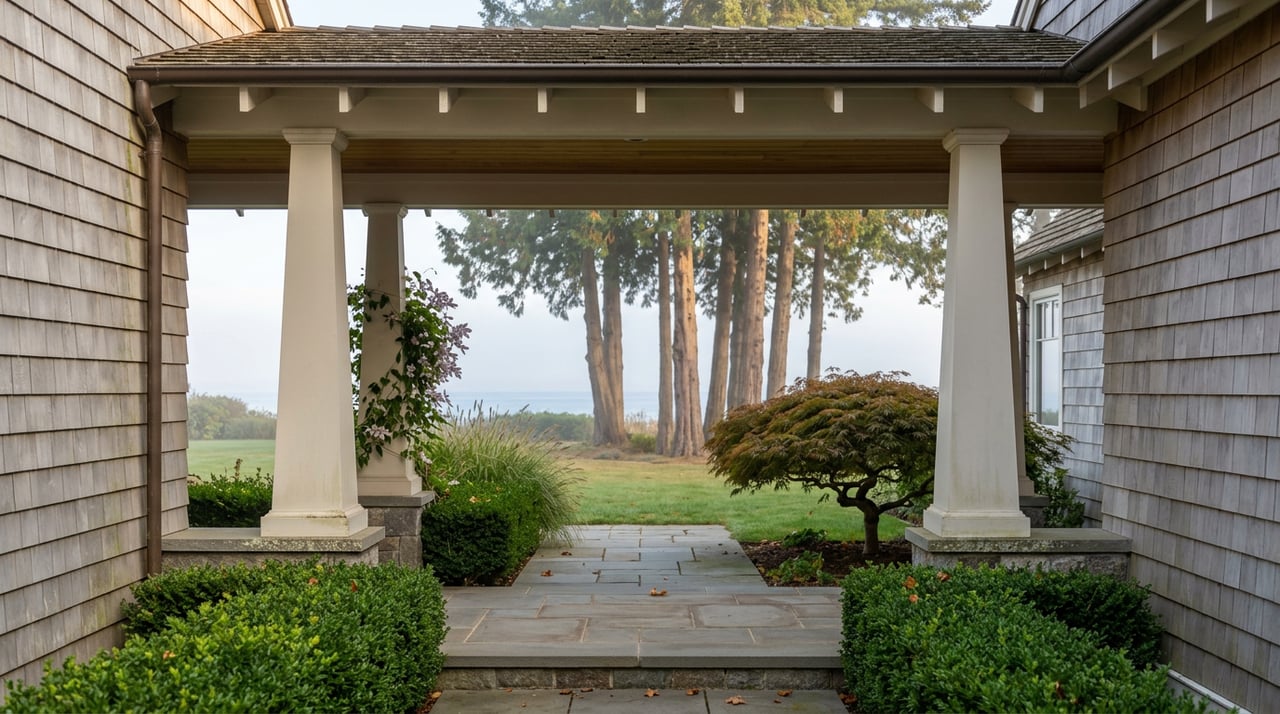
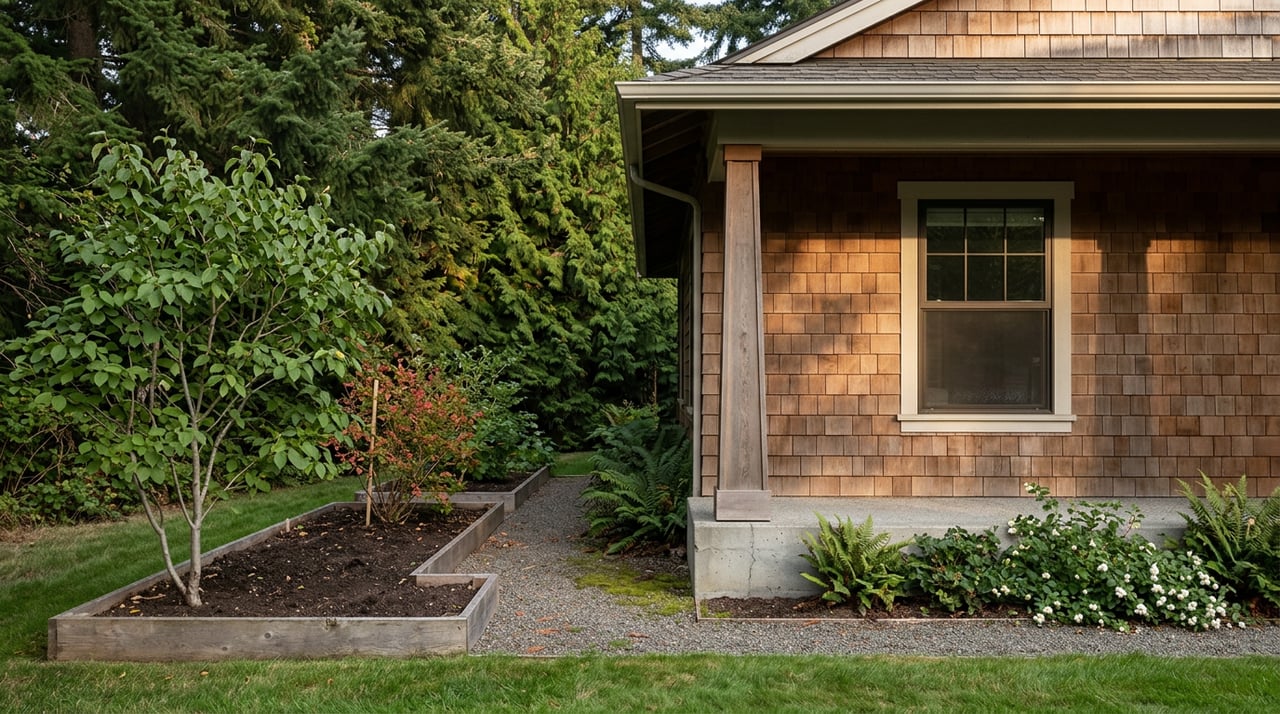
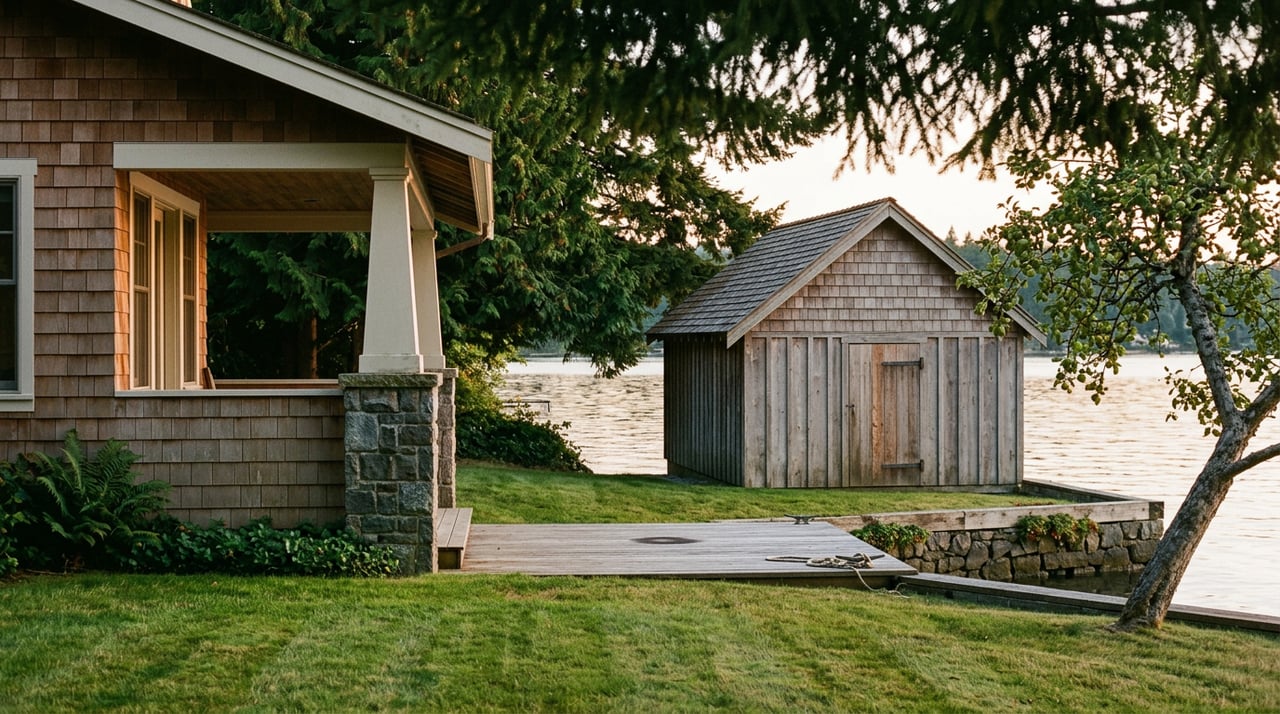
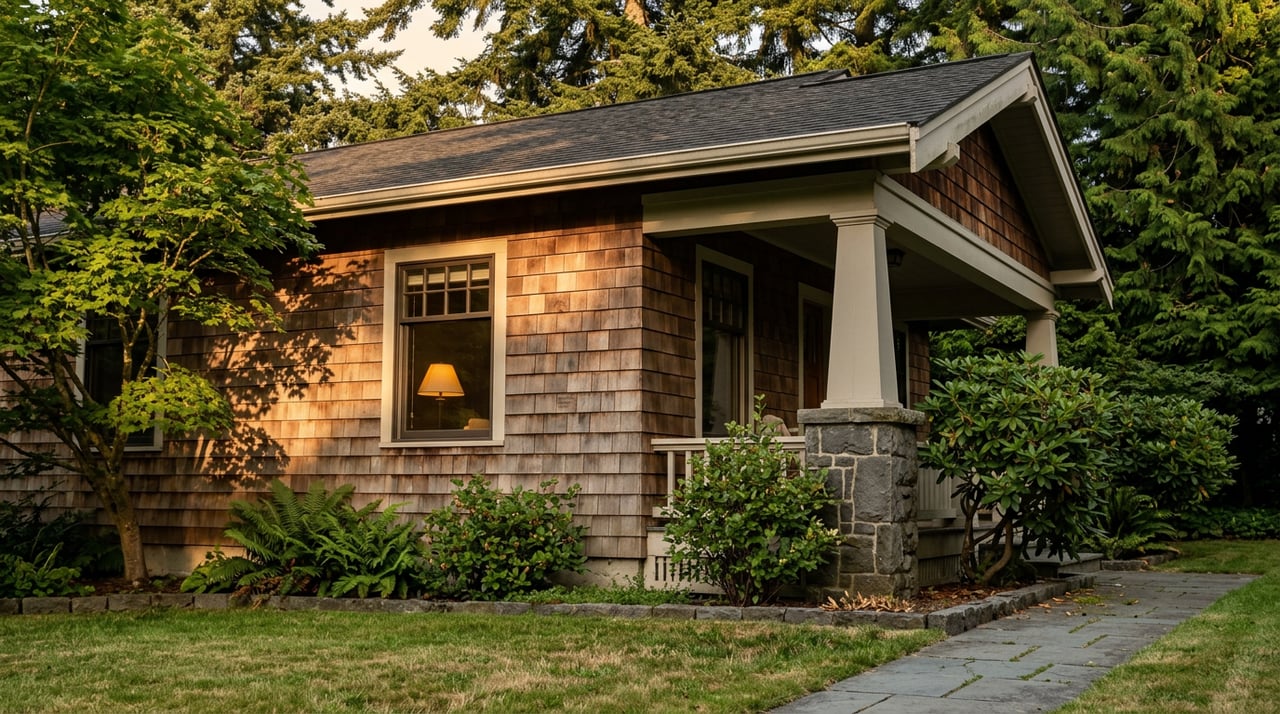
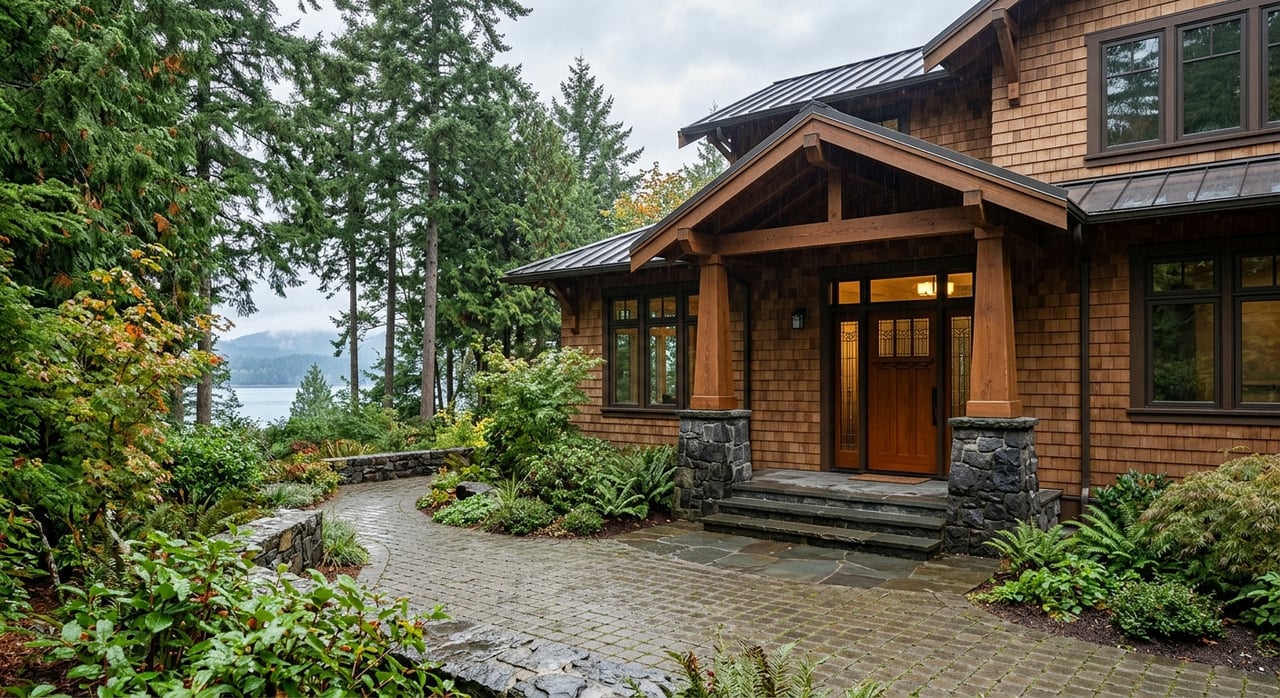
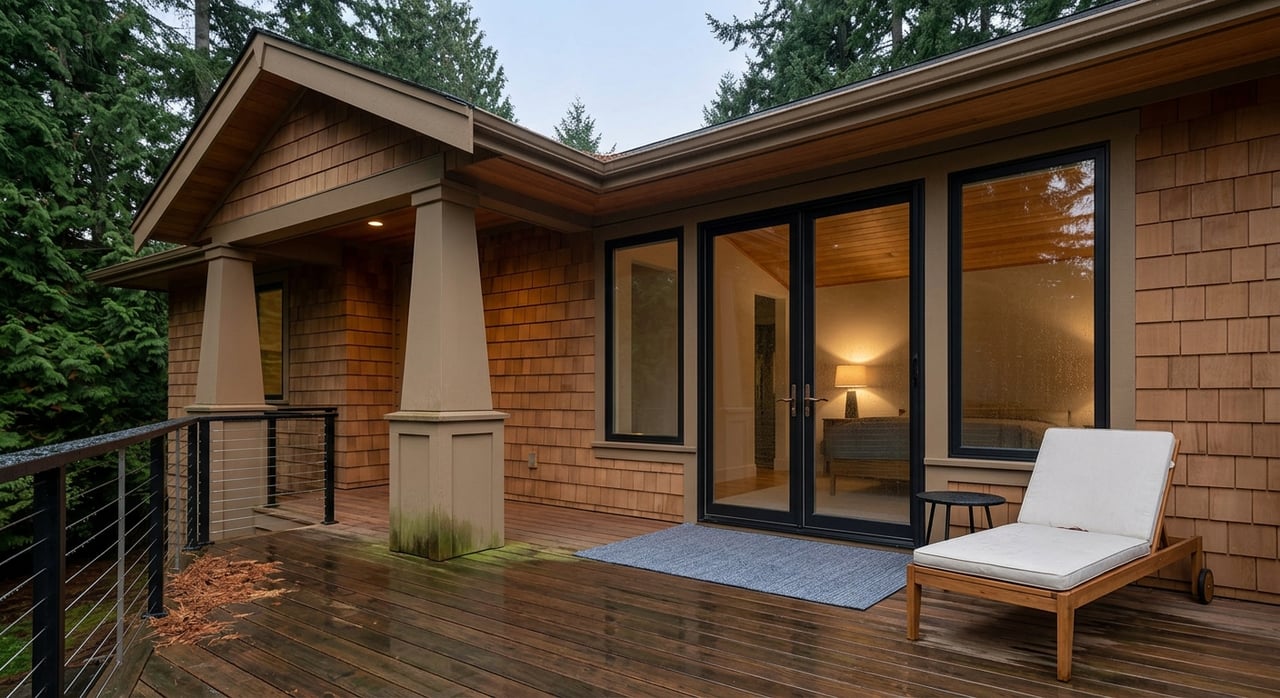
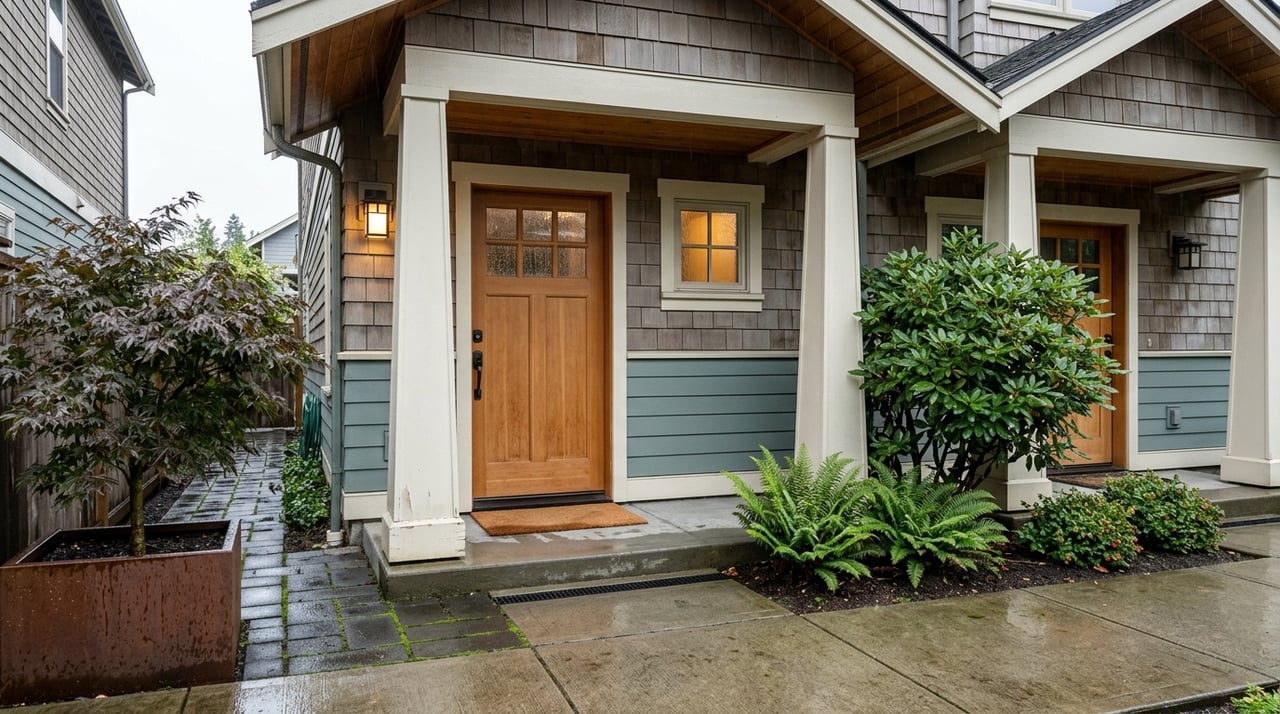
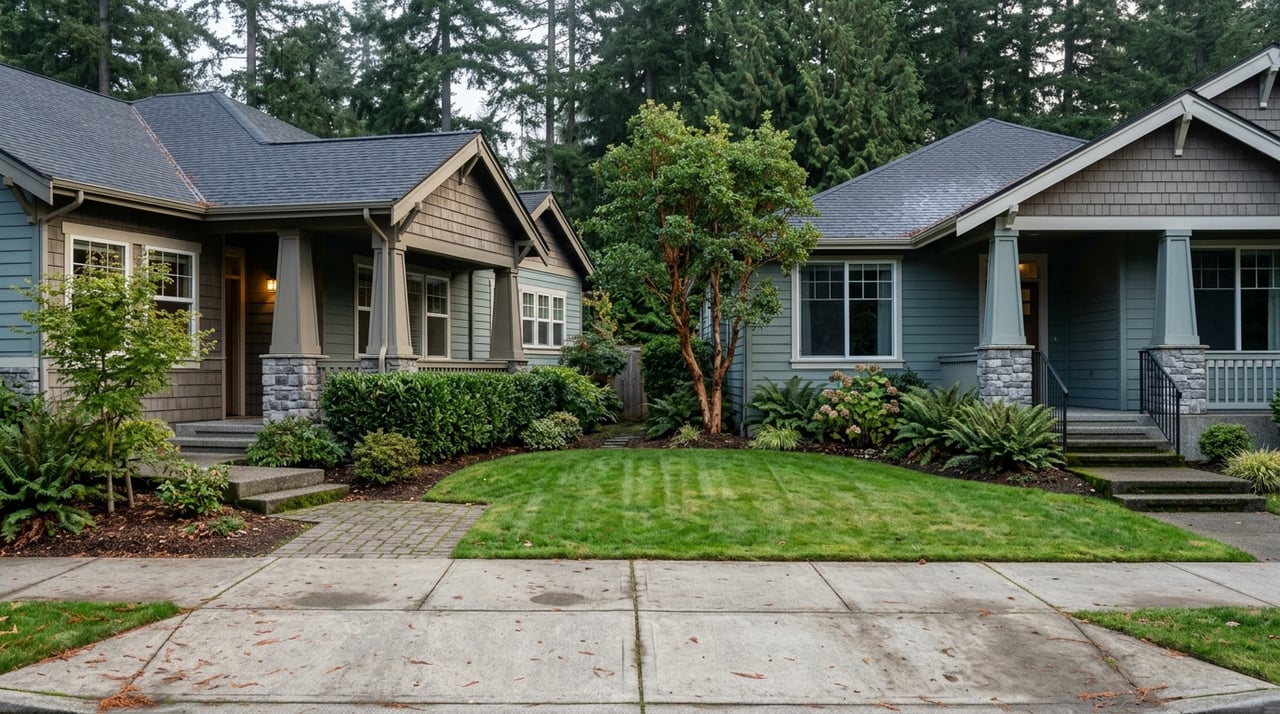
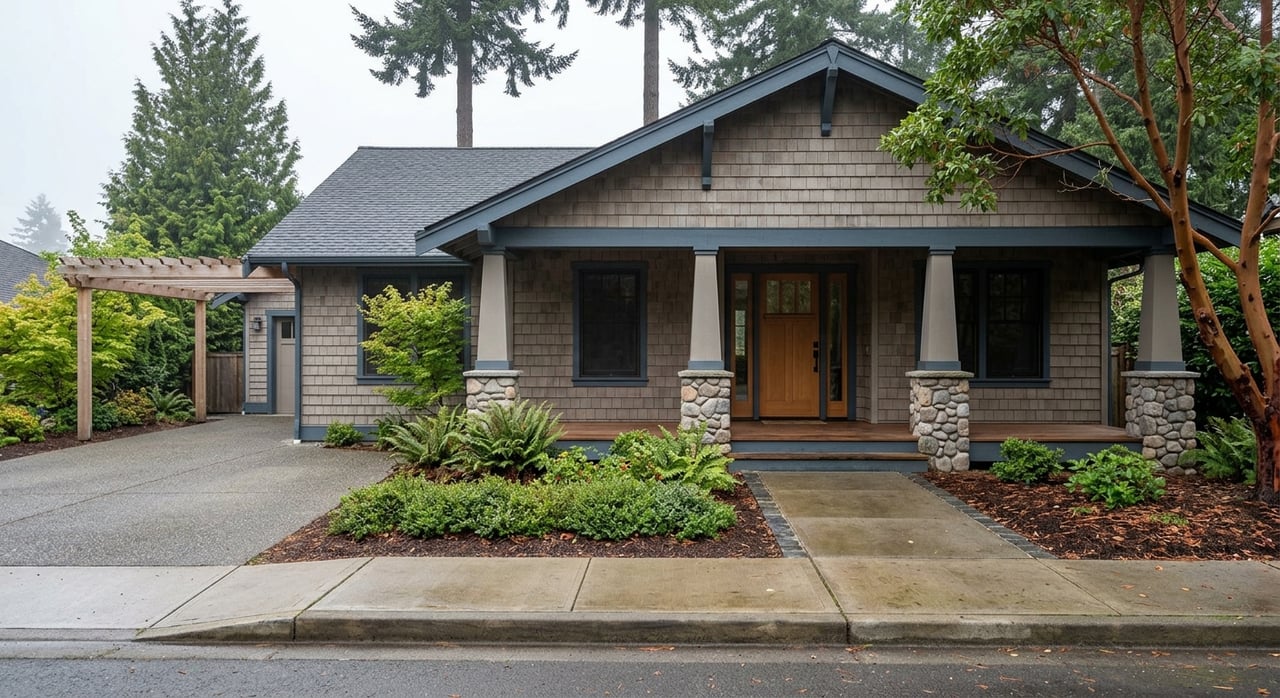
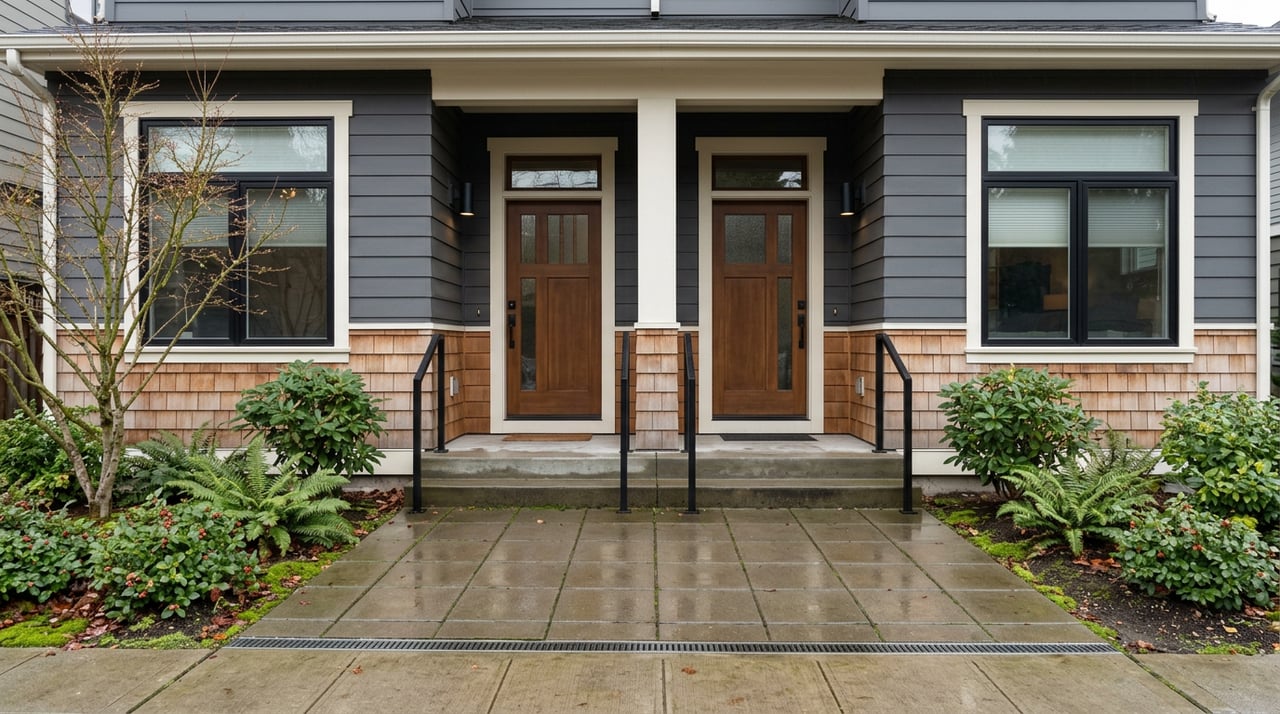
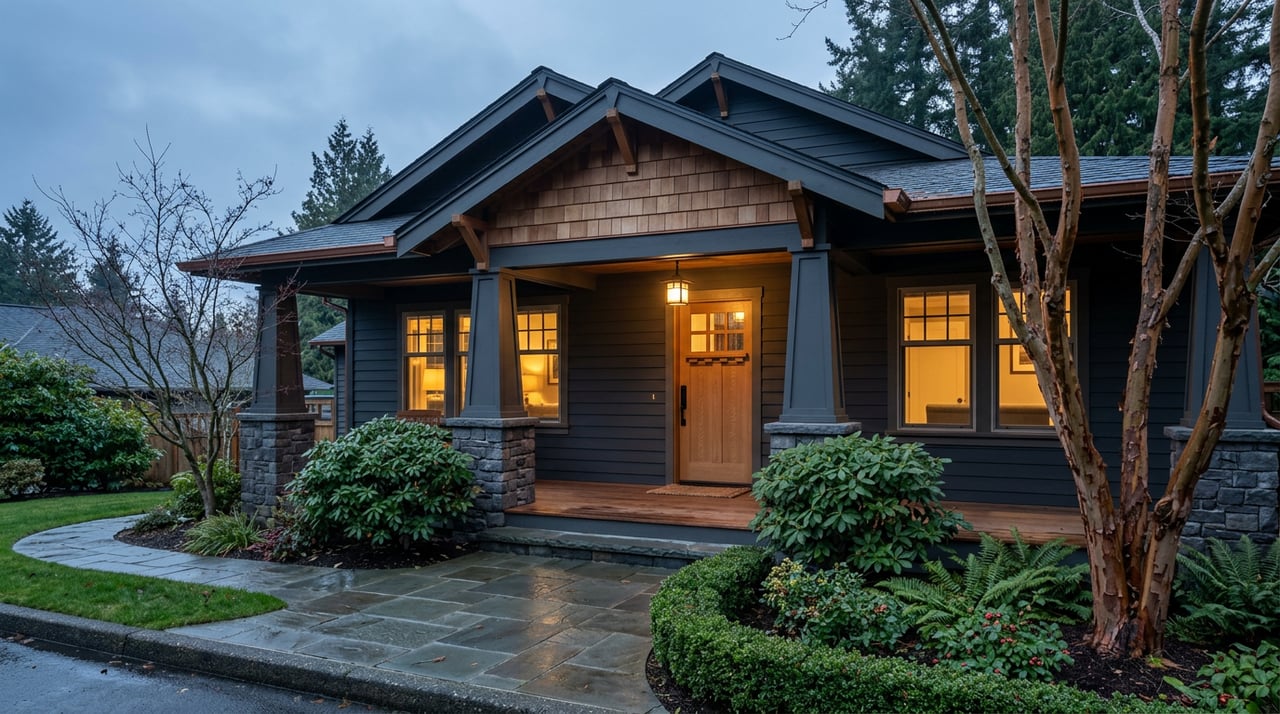
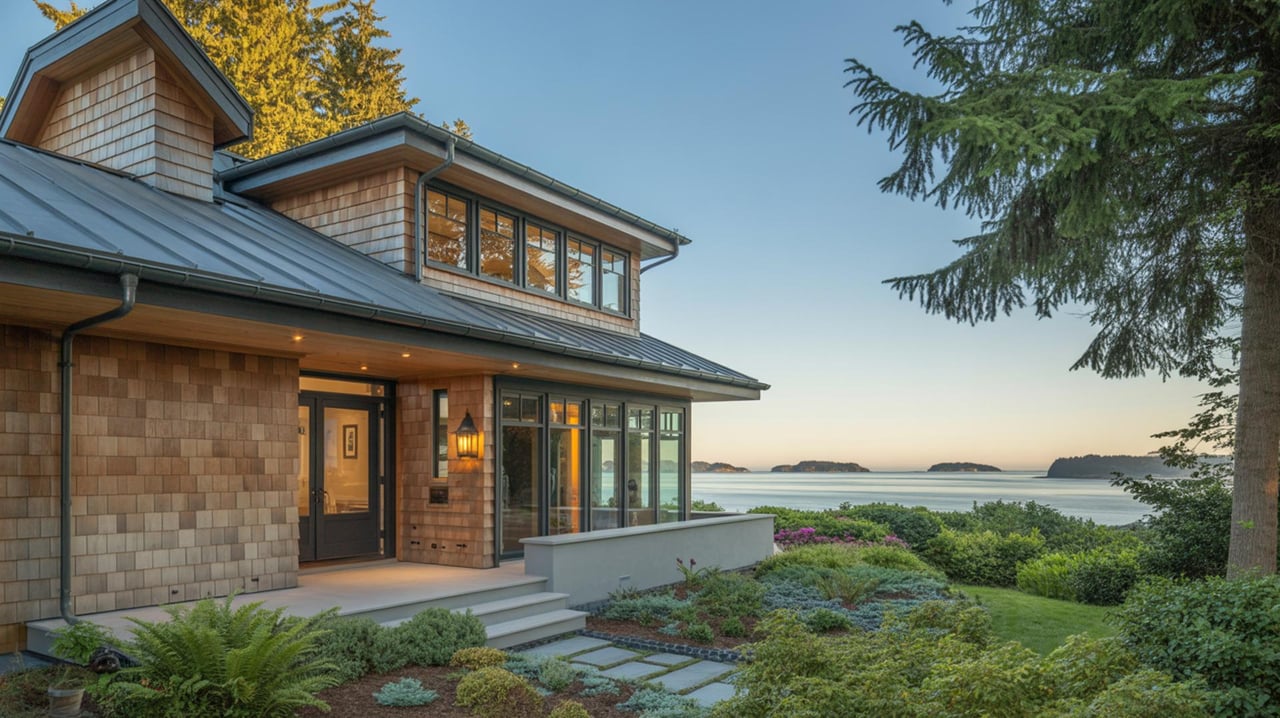
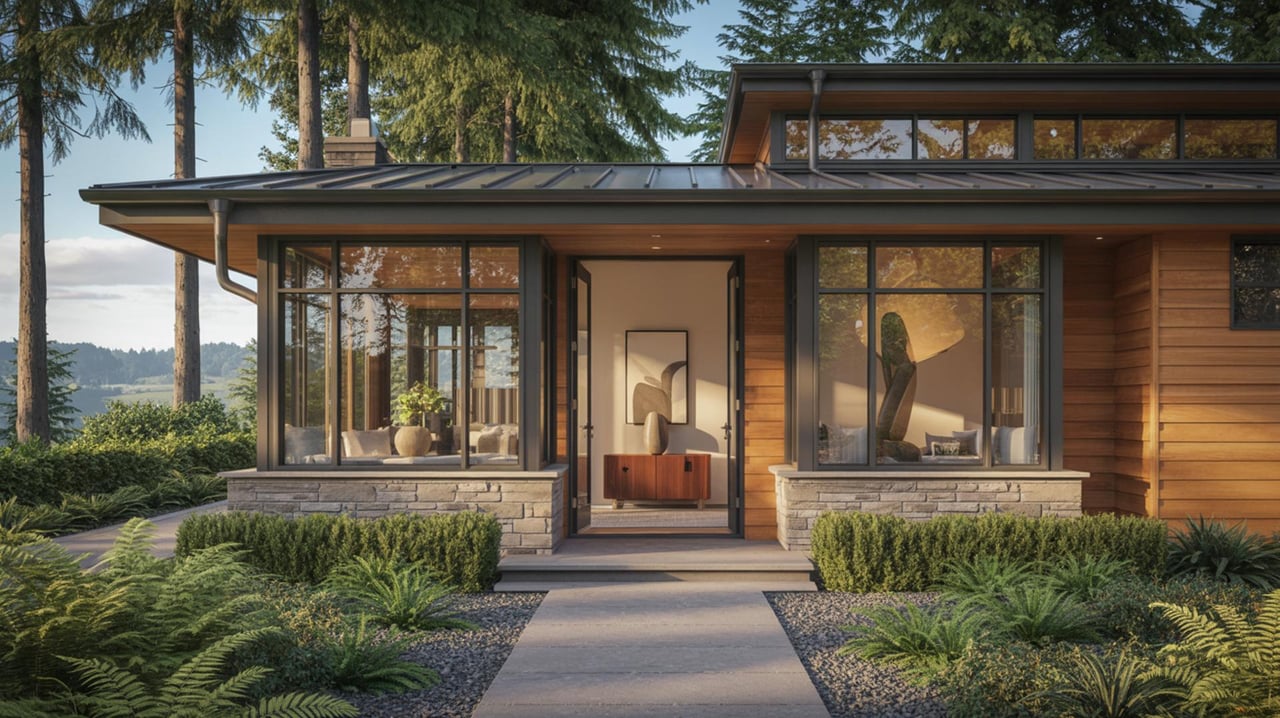
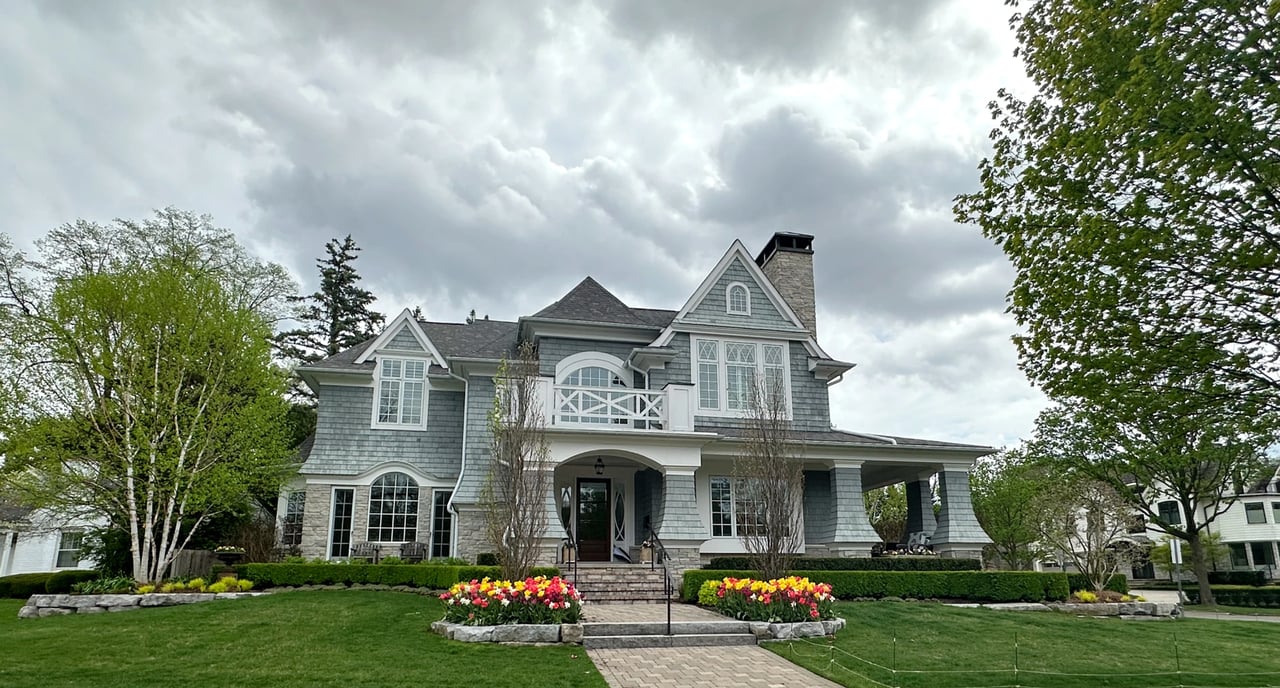
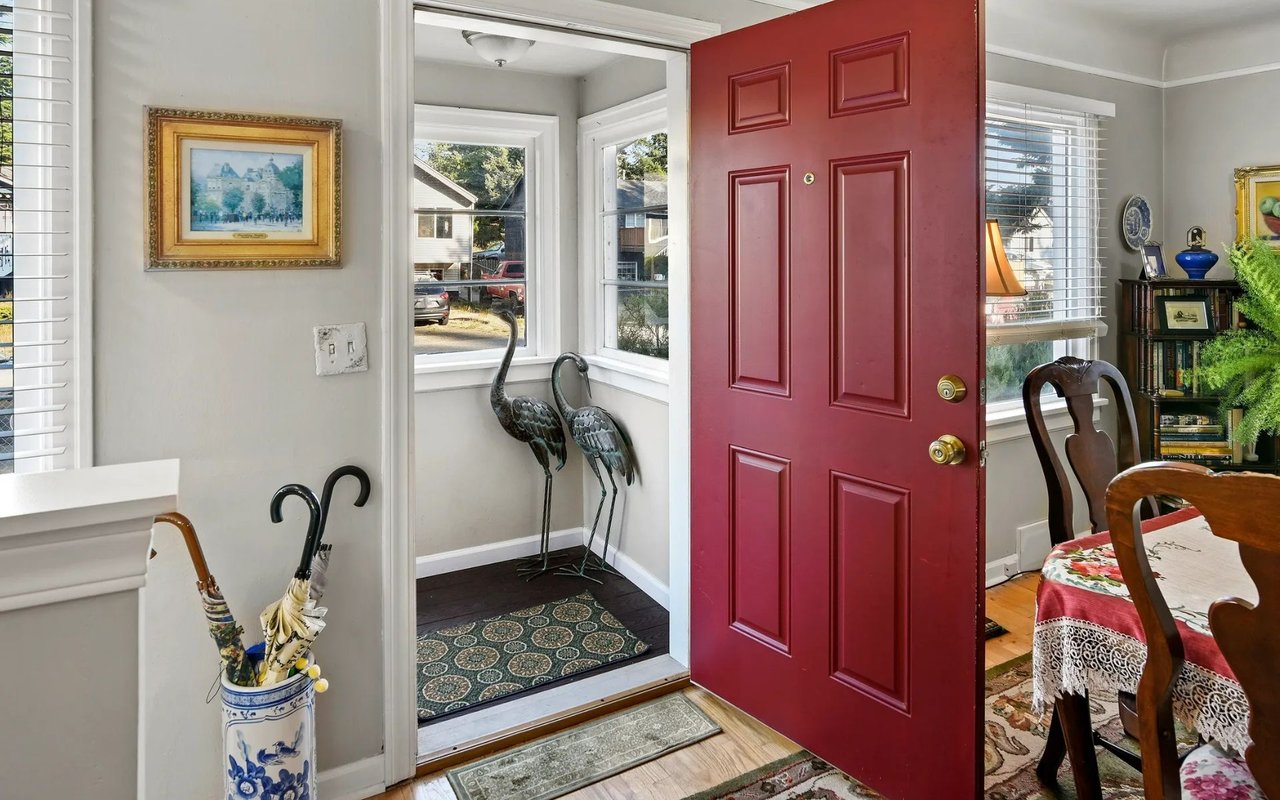
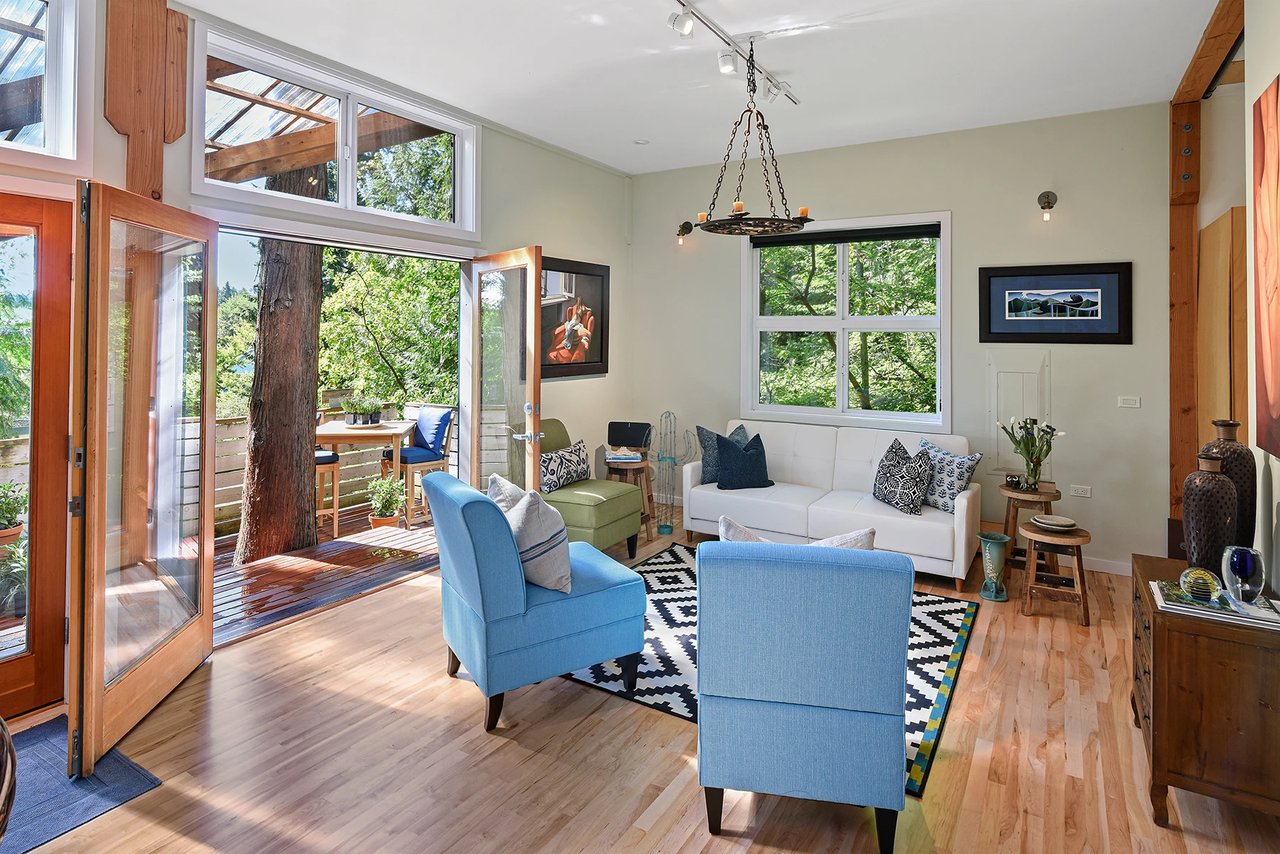
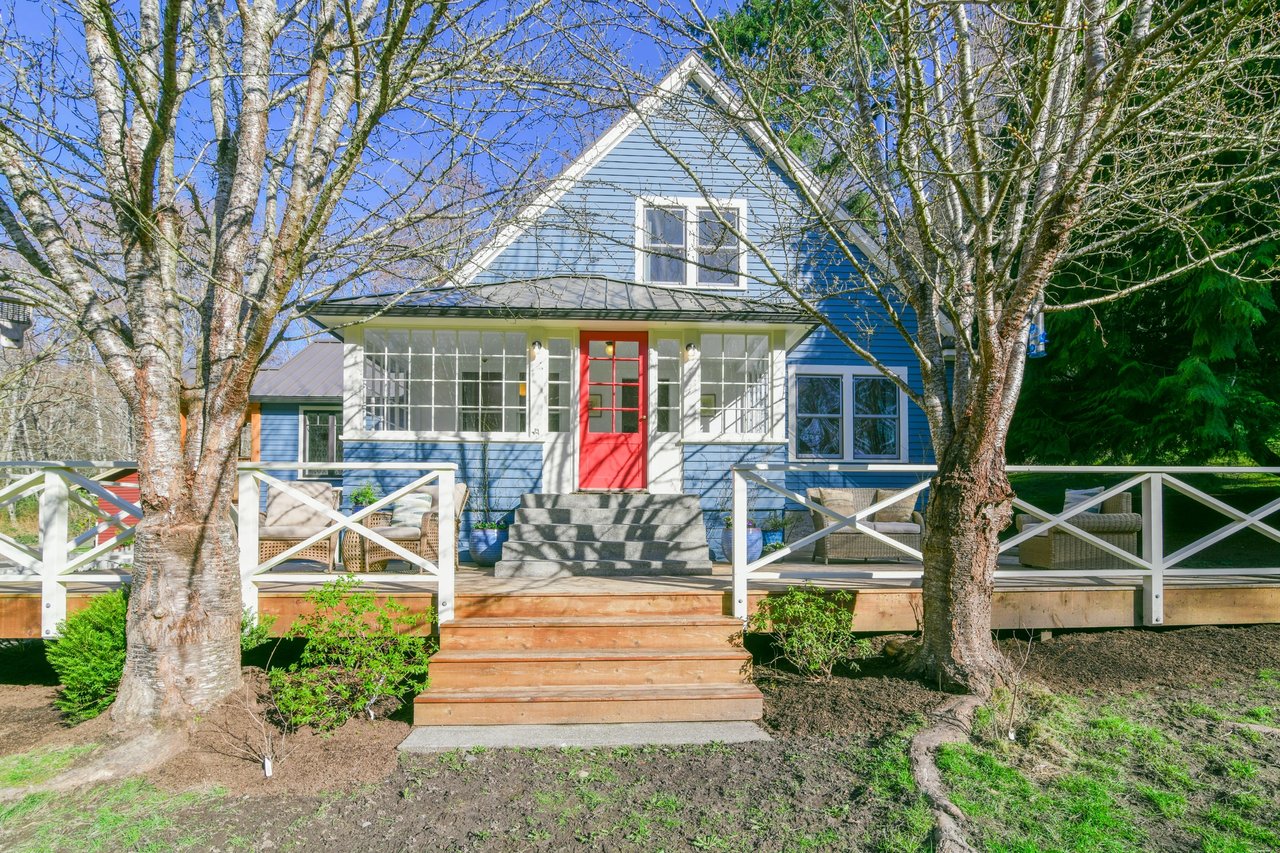
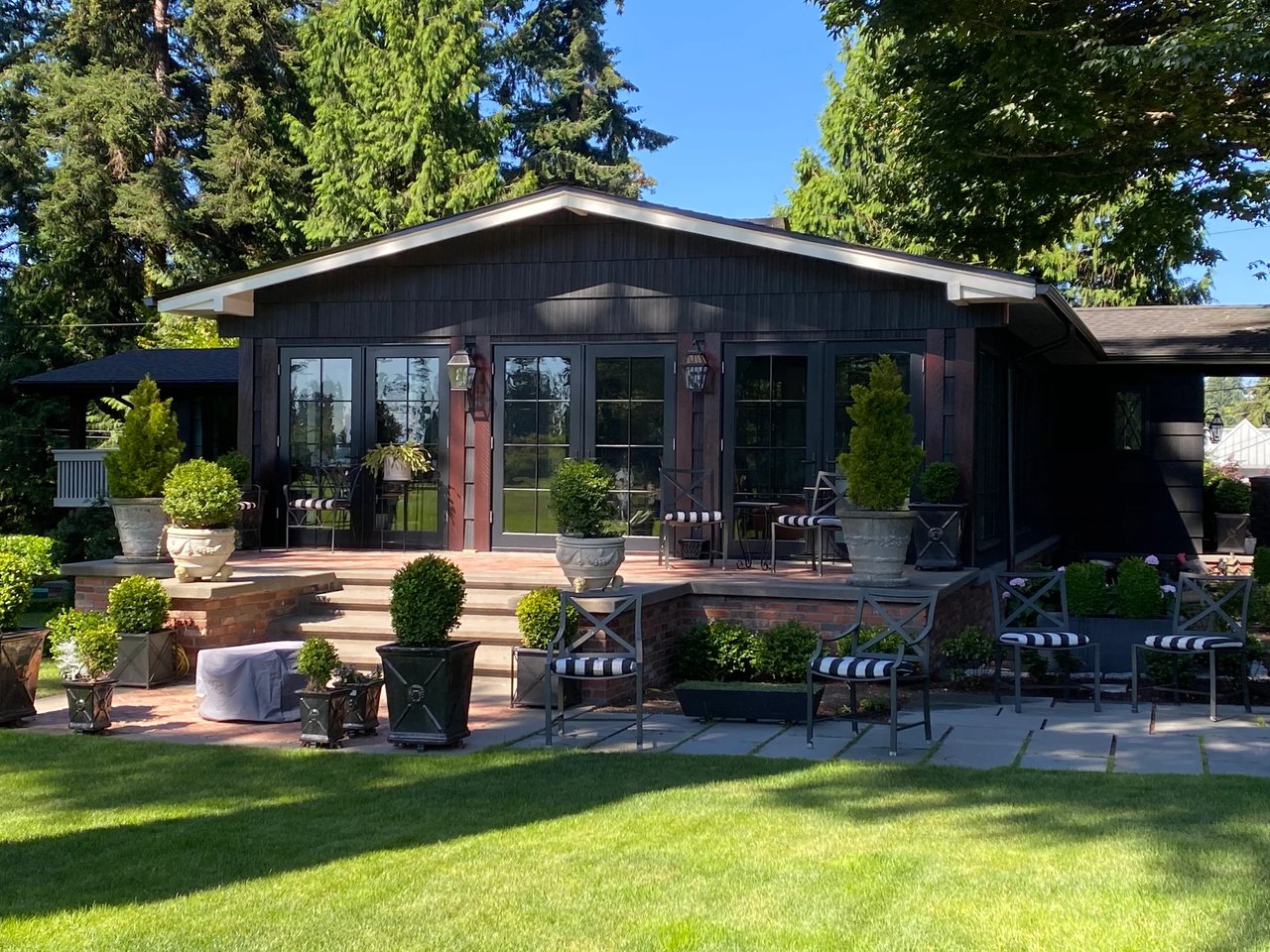
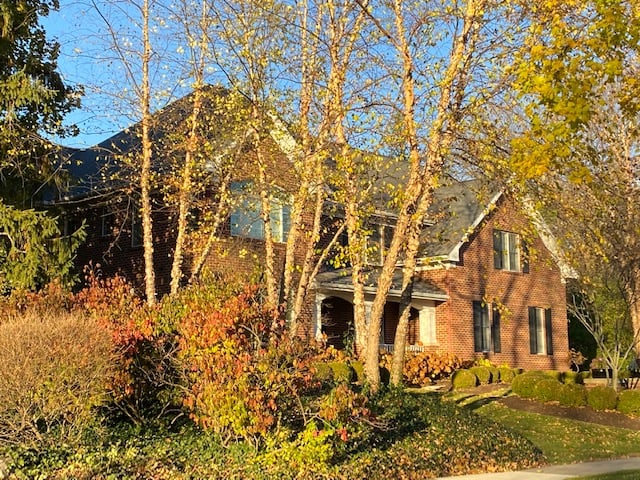
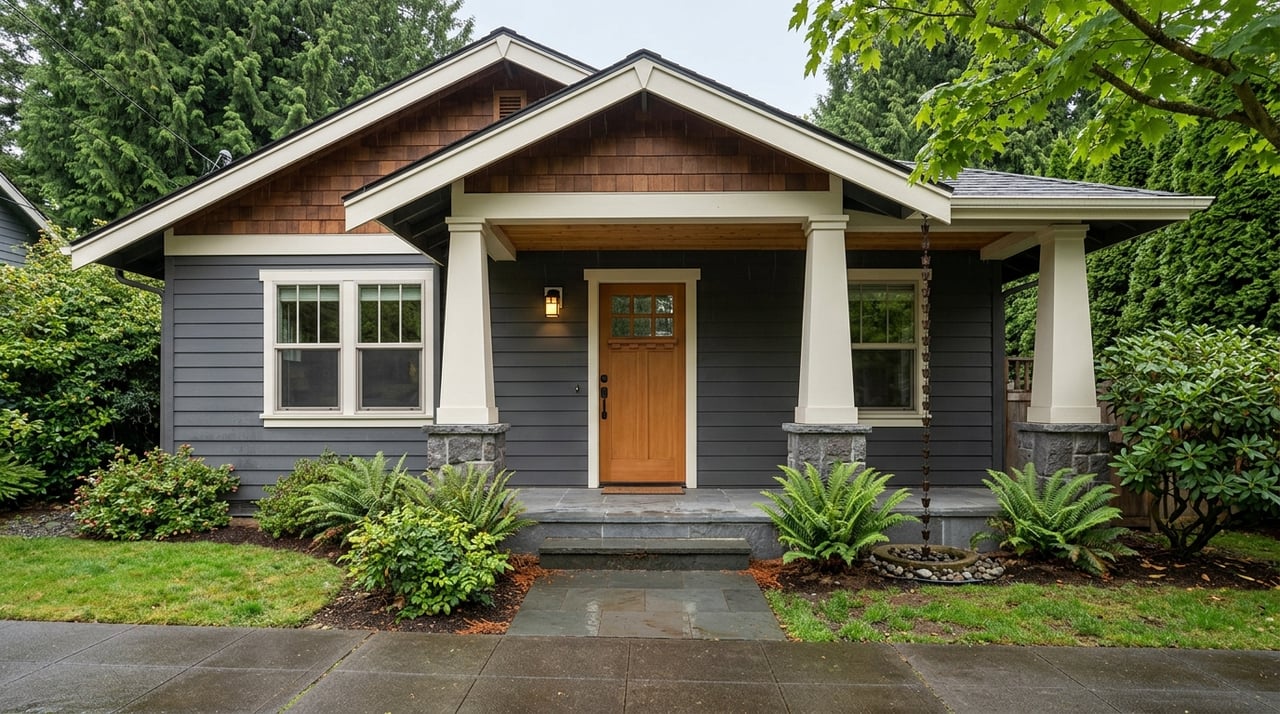
According to the city’s historic resources survey, common historic residential styles on Bainbridge Island include Vernacular Bungalows, Craftsman, Minimal Traditional, Ranch, and Modern or Contemporary homes. That helps explain why parts of Rolling Bay may feel like an older neighborhood with homes from different eras instead of a single-style subdivision.
The survey even identifies Rolling Bay examples, including a one-and-a-half-story cross-gable house with shiplap cladding and Victorian details, and a side-gable Craftsman bungalow in the commercial core. Those examples suggest that in Rolling Bay, architectural character can be subtle, varied, and tied to long-standing neighborhood patterns.
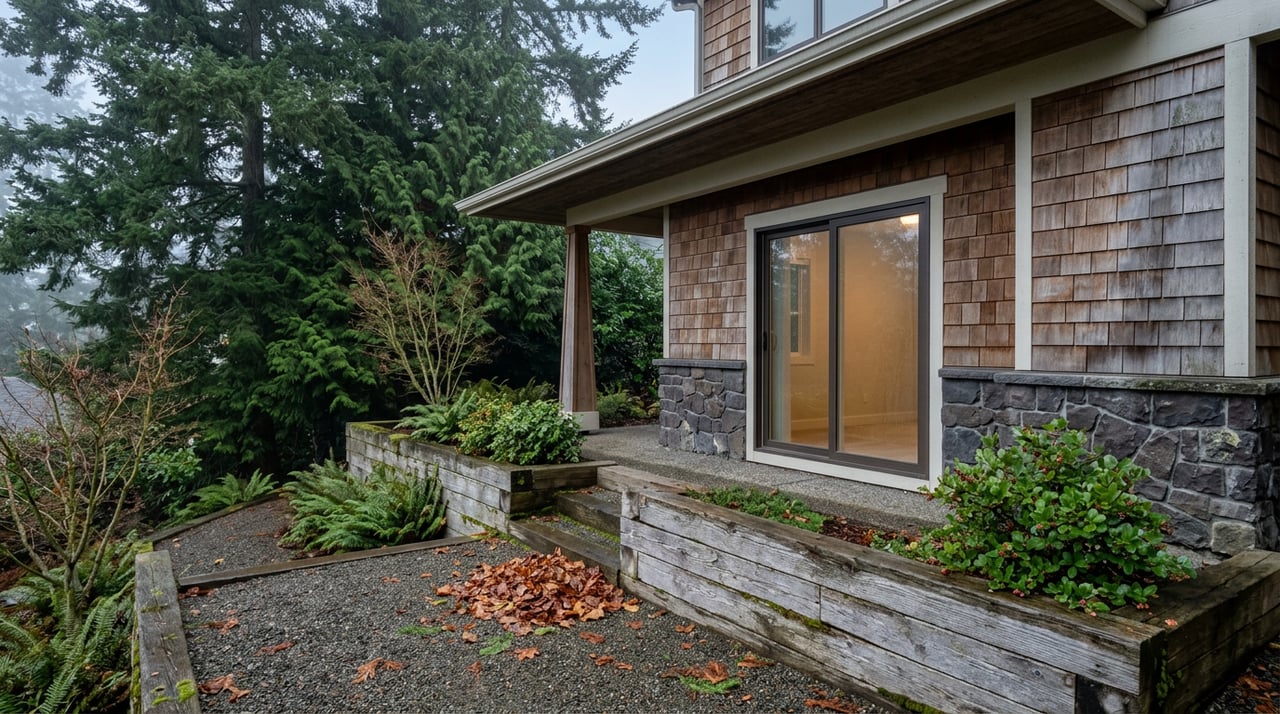
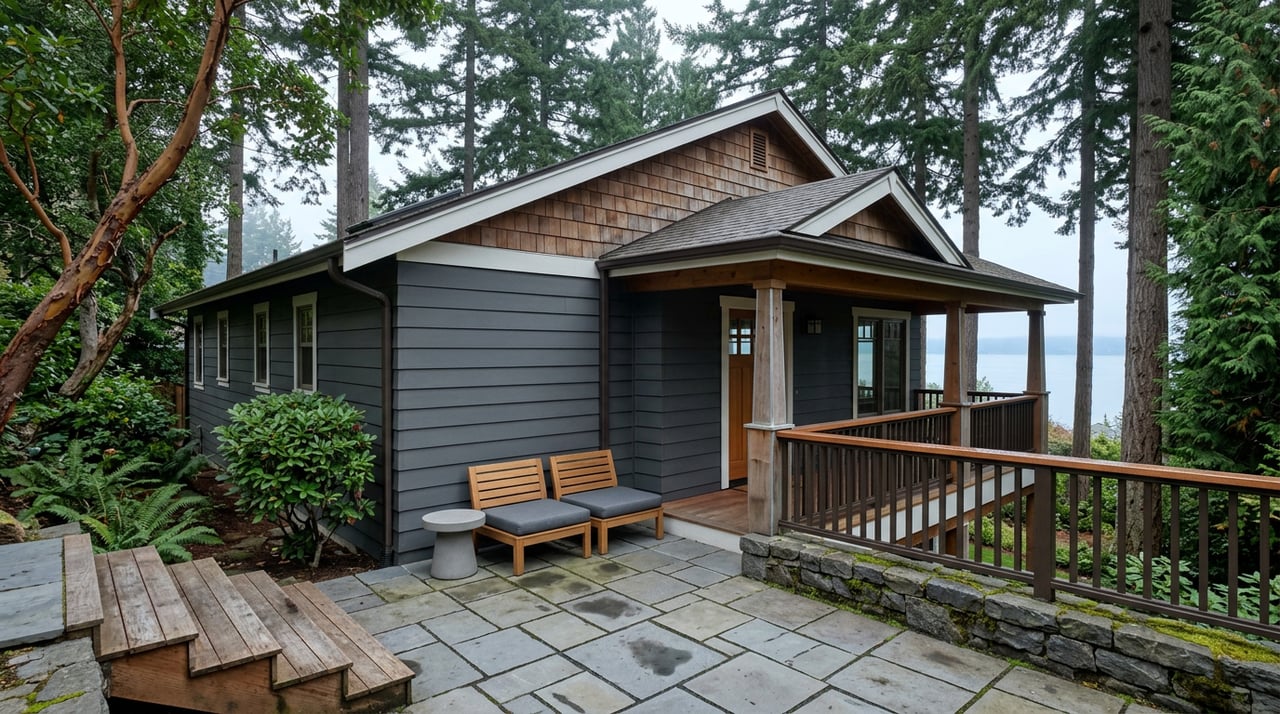
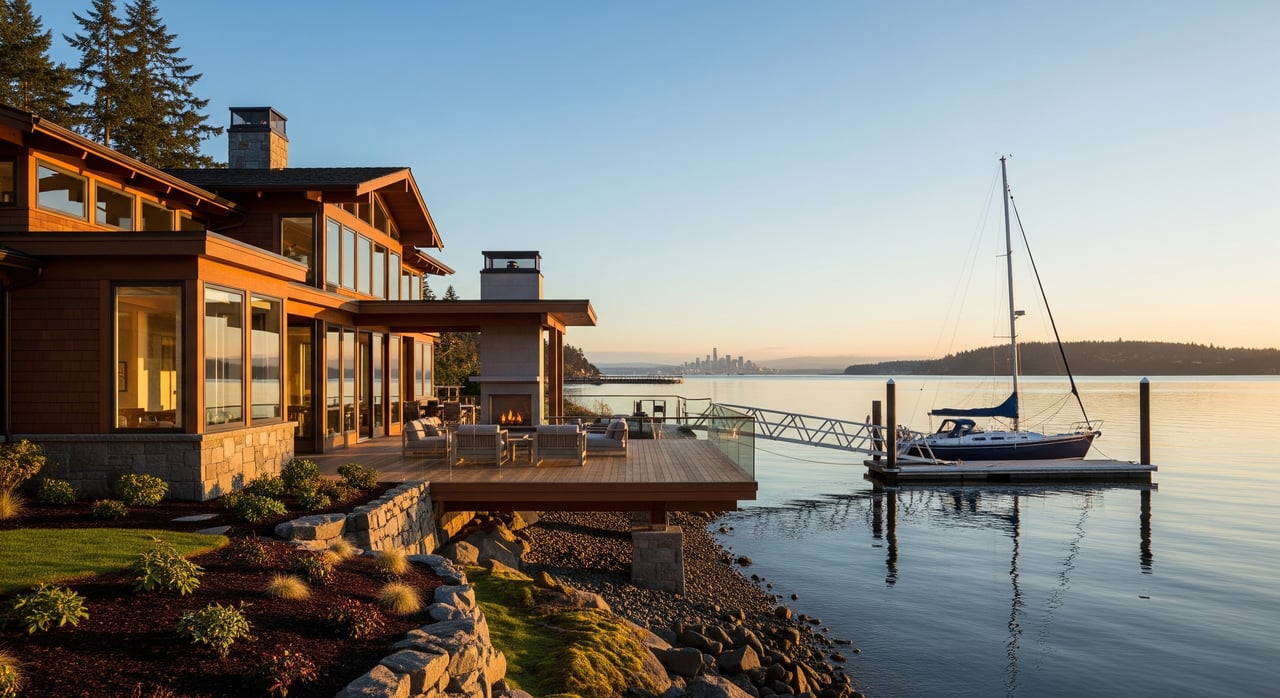
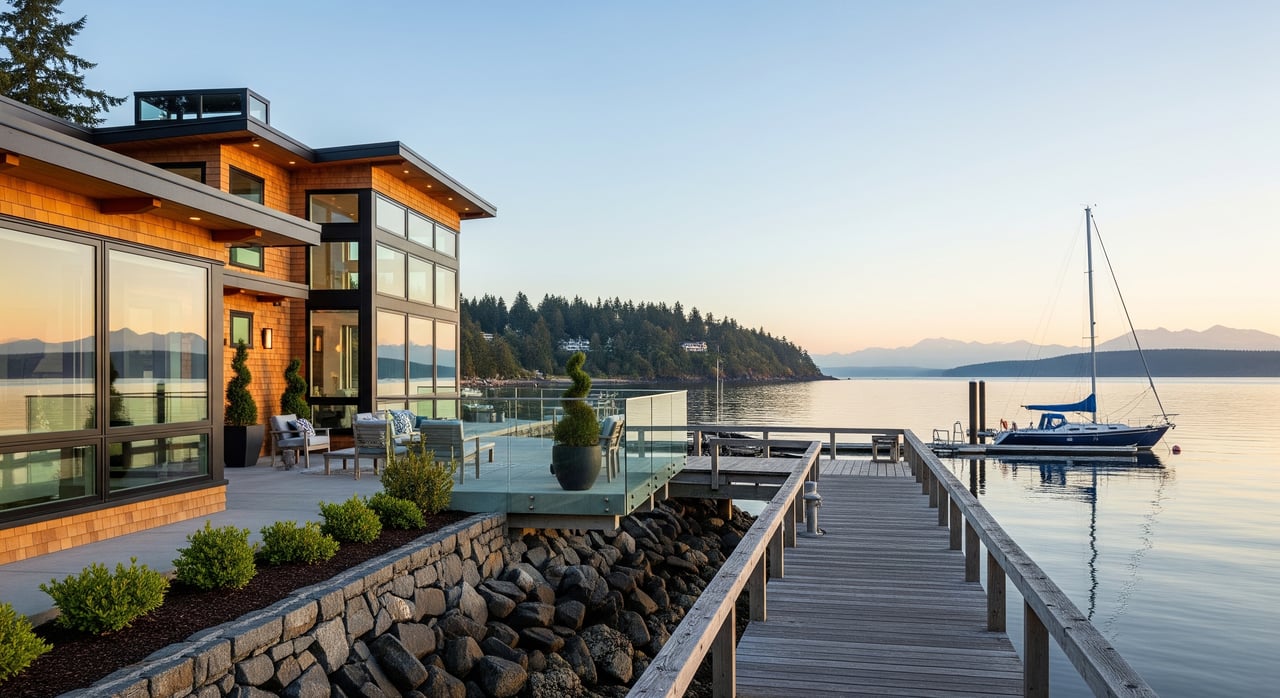
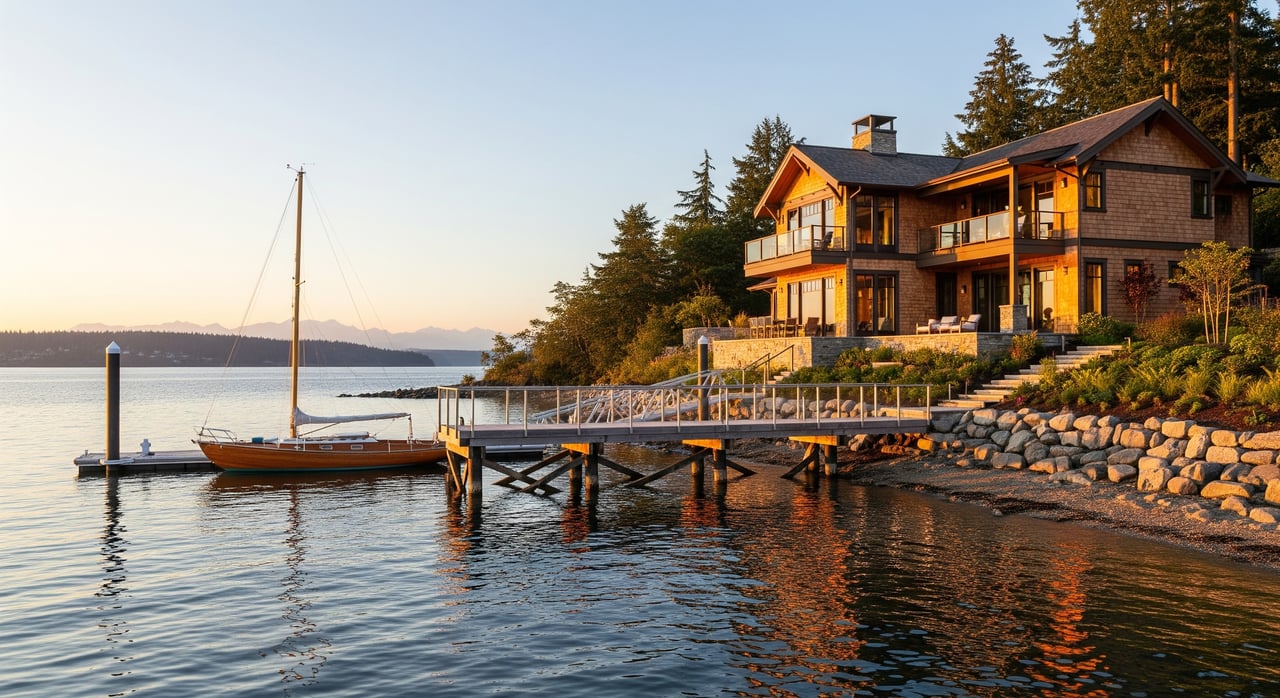
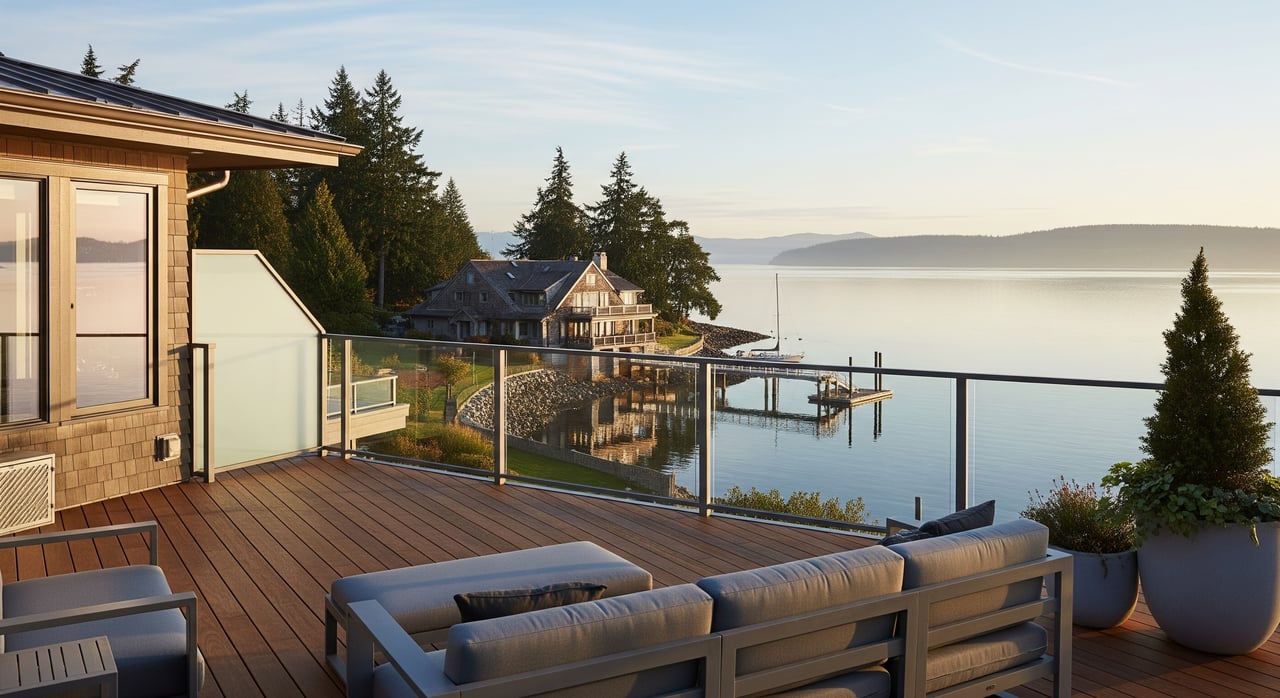
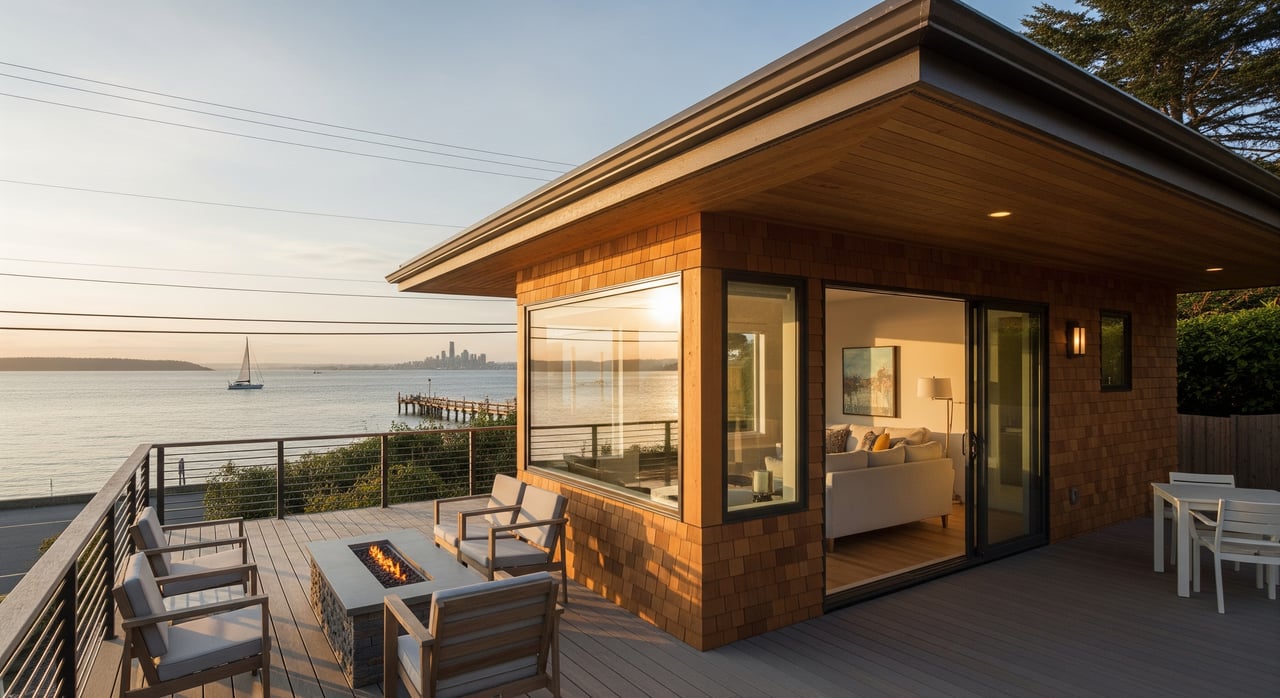
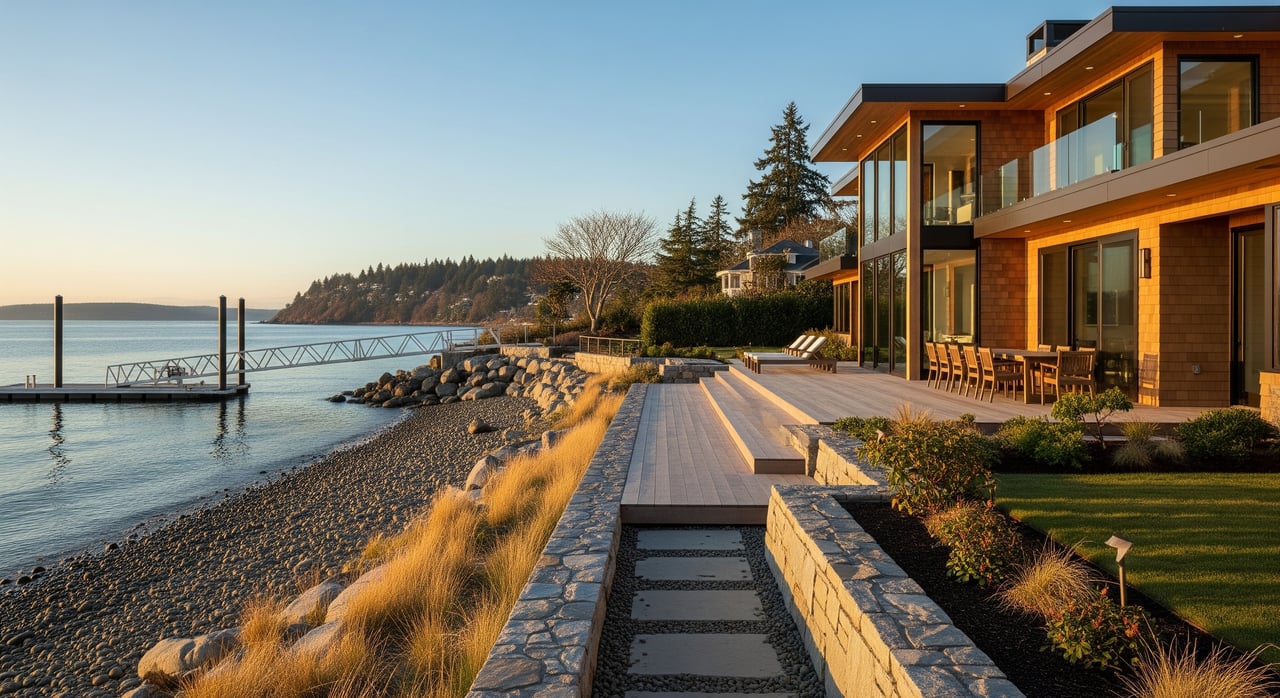
Lot character also matters here. The city’s shoreline restoration planning describes the Rolling Bay to Point Monroe shoreline area as primarily residential, with small lots on the Point Monroe sand spit and many deep lots along high bluffs in other nearby areas. Around Murden Cove, the city describes primarily medium- to high-bluff residential conditions.
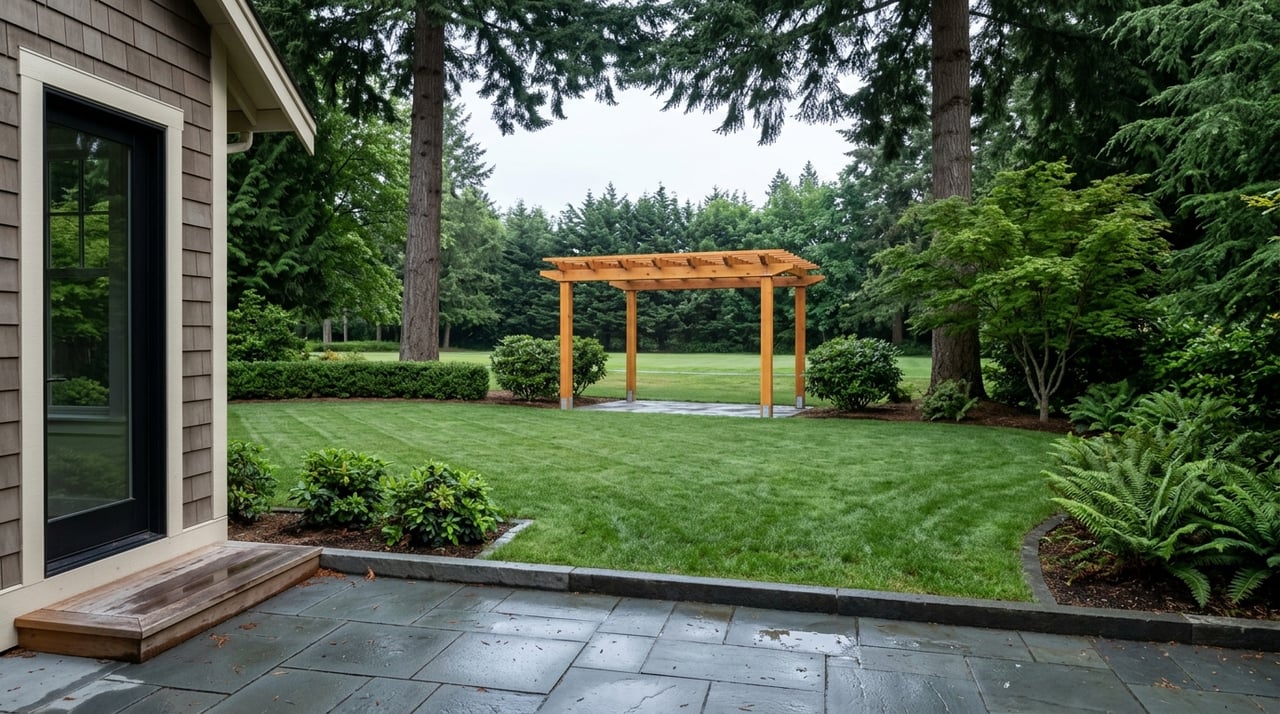
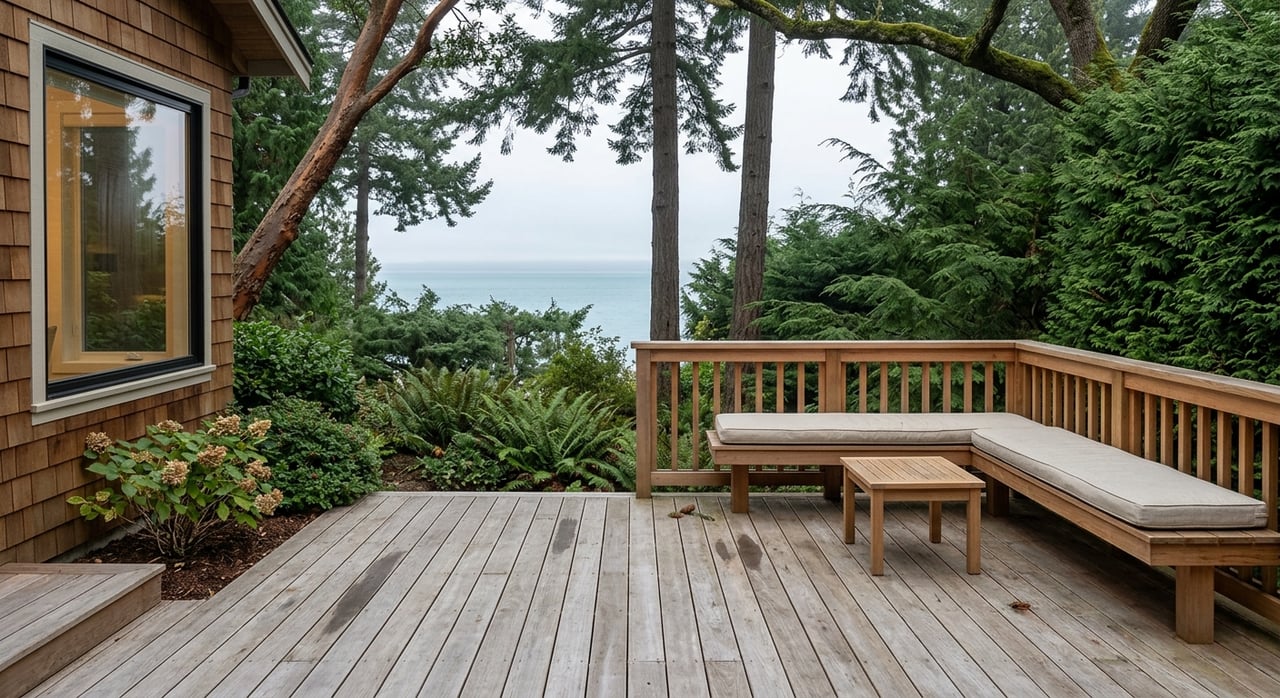
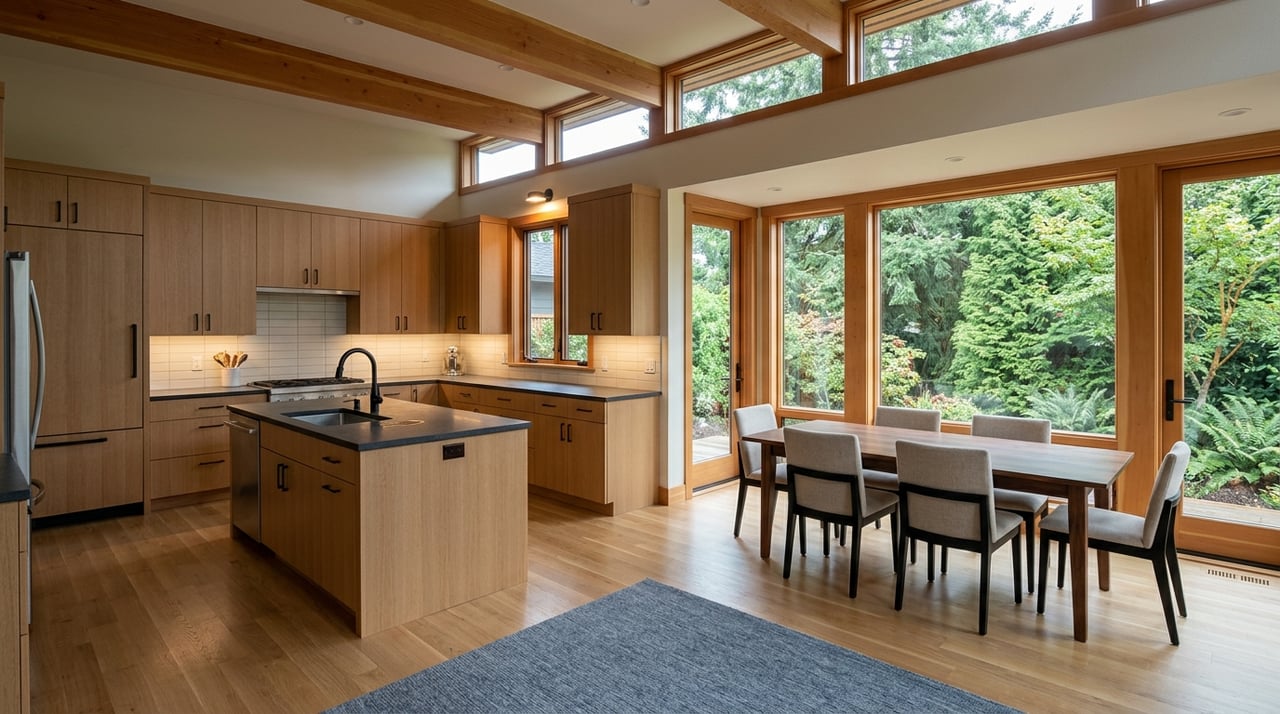
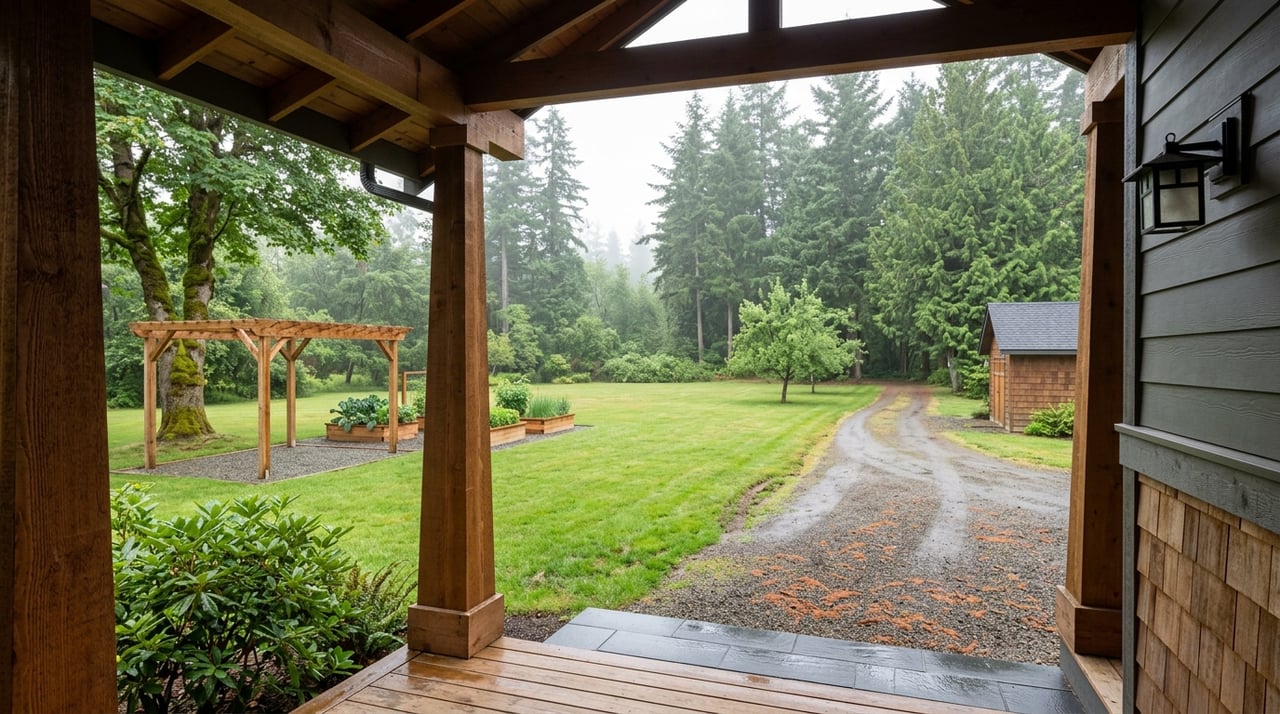
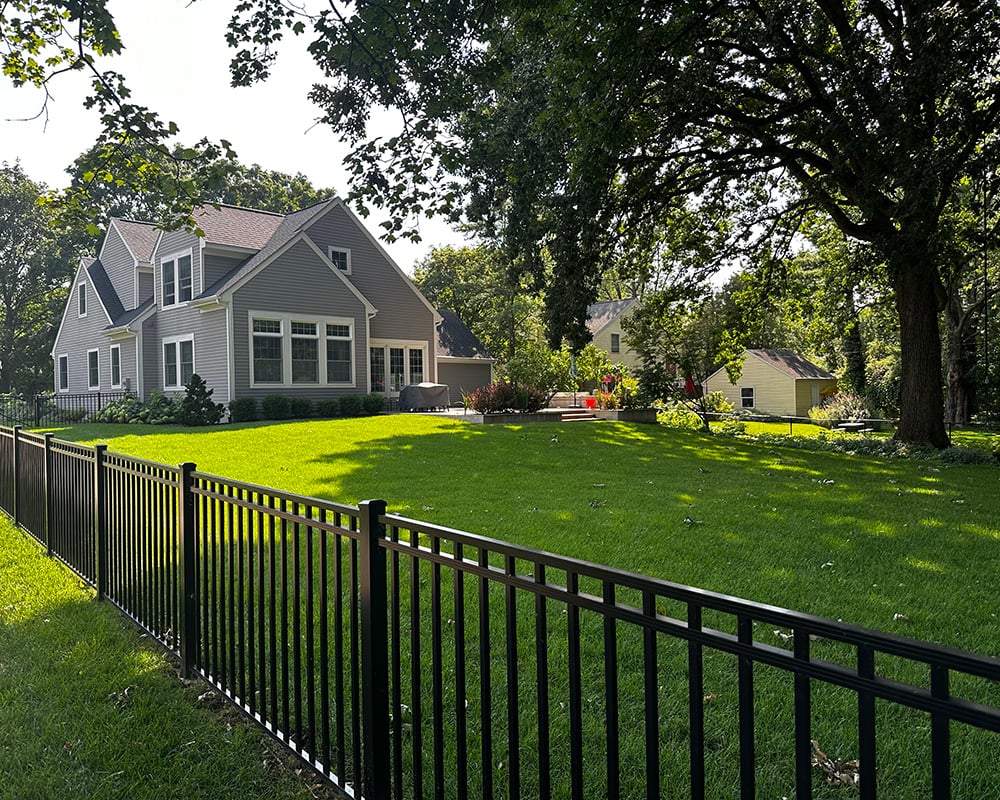
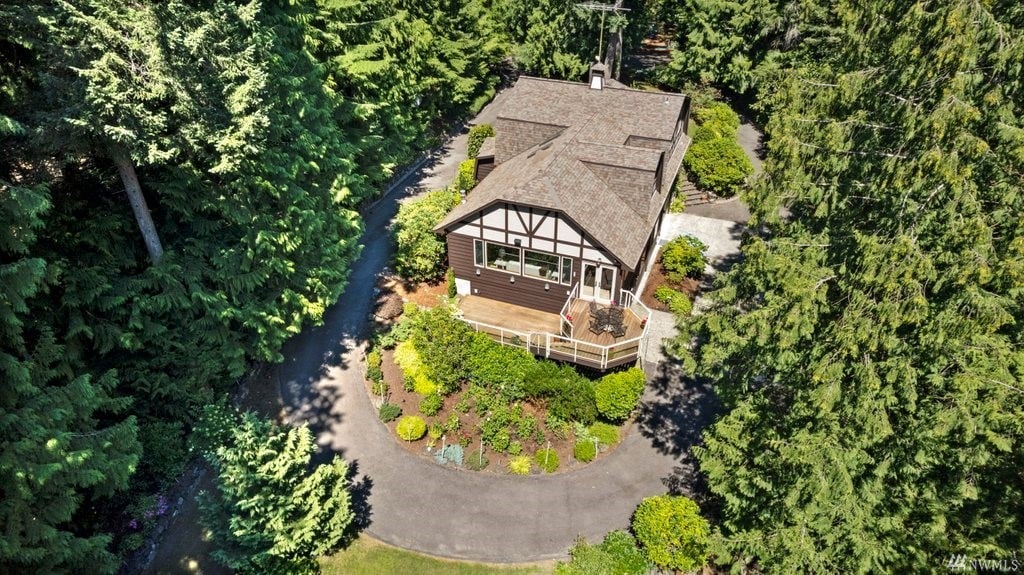
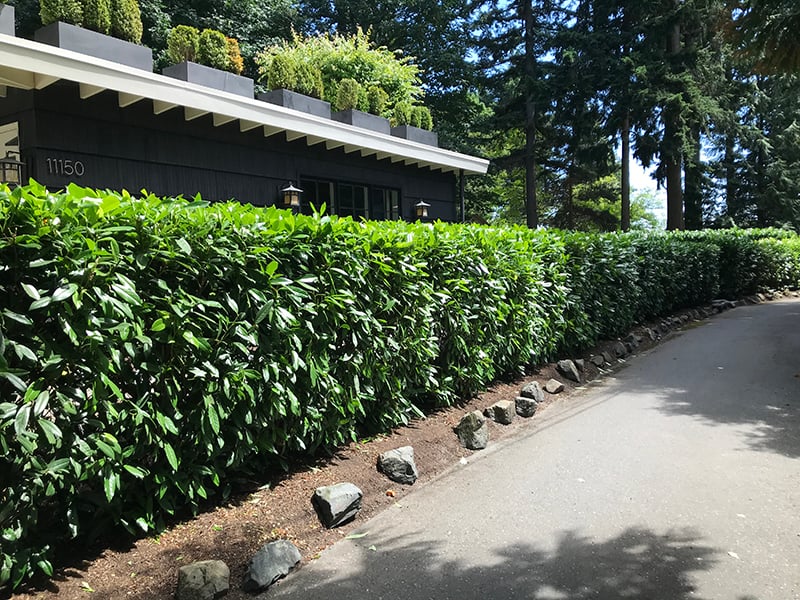
For you as a buyer, that can mean wooded parcels, irregular shapes, and topography-driven siting rather than flat, predictable suburban lots. For sellers, it means the specific features of your lot, such as privacy, gardens, slope, or shoreline proximity, may play a major role in how your property is understood and marketed.
Coastal Homes Come With Extra Considerations
Rolling Bay’s coastal setting is a big part of its appeal, but it also calls for careful due diligence. This is especially true if you are considering a home near shoreline areas or bluff conditions.
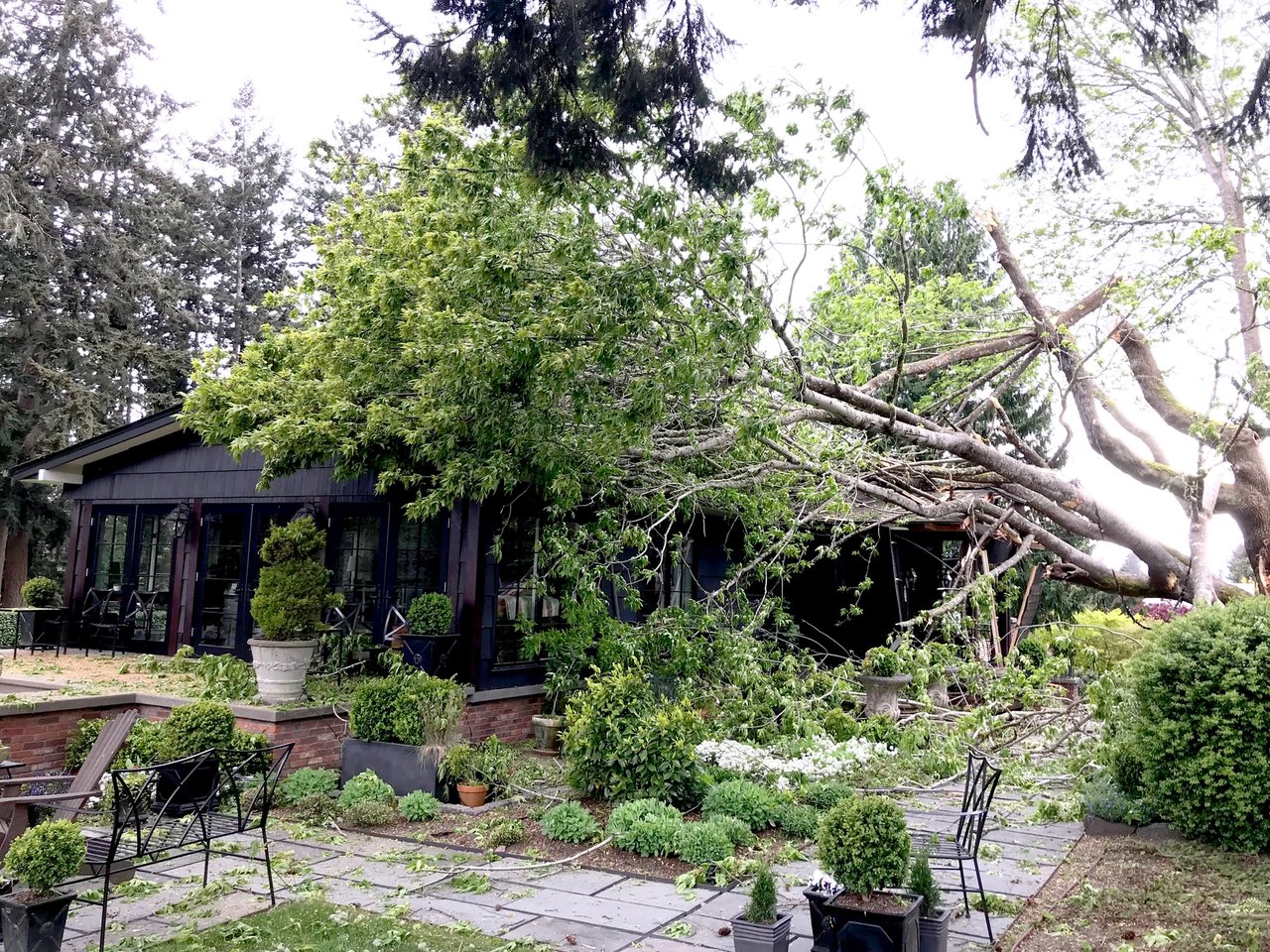
The city notes that landslides and erosion are concentrated along coastal bluffs and specifically references a 1997 slide in the Rolling Bay area that forced a house off its foundation and down a hill into Puget Sound. The city also states that development within 200 feet of the shoreline must comply with Shoreline Master Program standards. You can review those caution points on the city’s landslide information page.
For buyers, this does not mean shoreline or bluff properties should be ruled out. It means you should approach them with clear information. Checking shoreline jurisdiction and critical-area maps early can help you better understand permitting, development limits, and property conditions before you make a decision.
For sellers, these same issues highlight the importance of preparing thoughtful property information upfront. A calm, informed approach can make a meaningful difference when marketing homes with waterfront, bluff, or view-related complexity.
Parks, Shoreline, and Outdoor Access
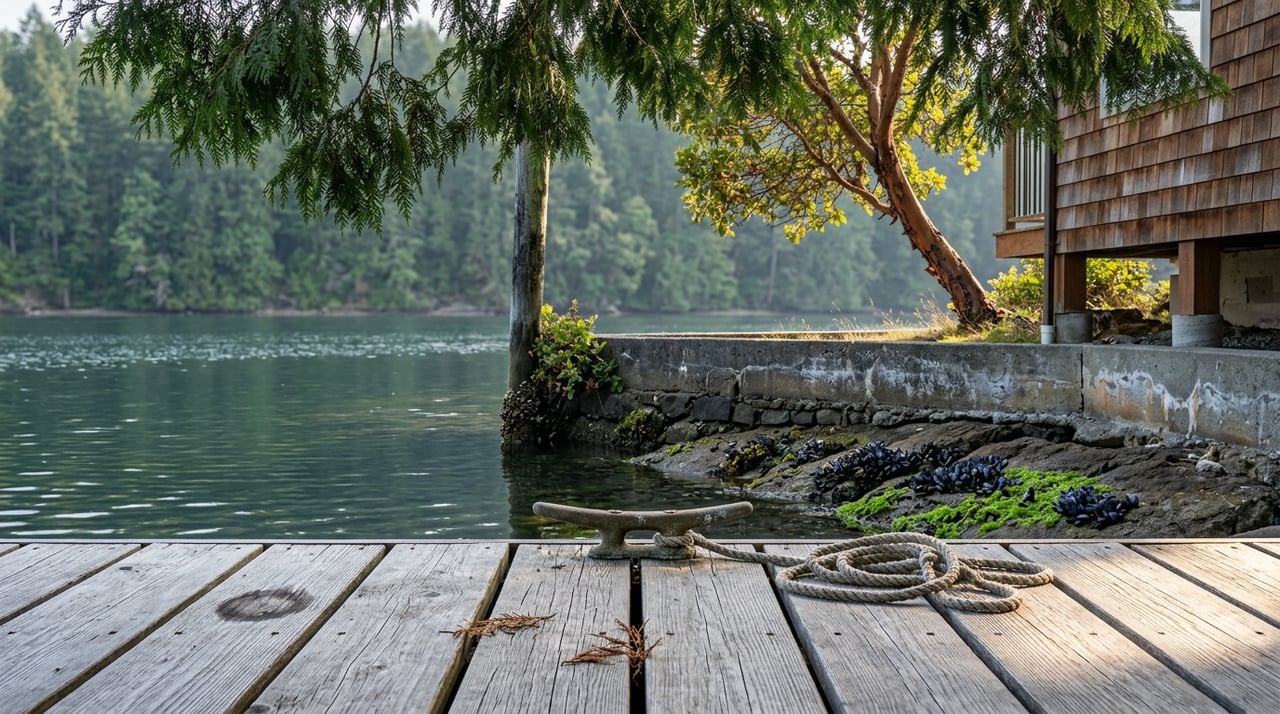
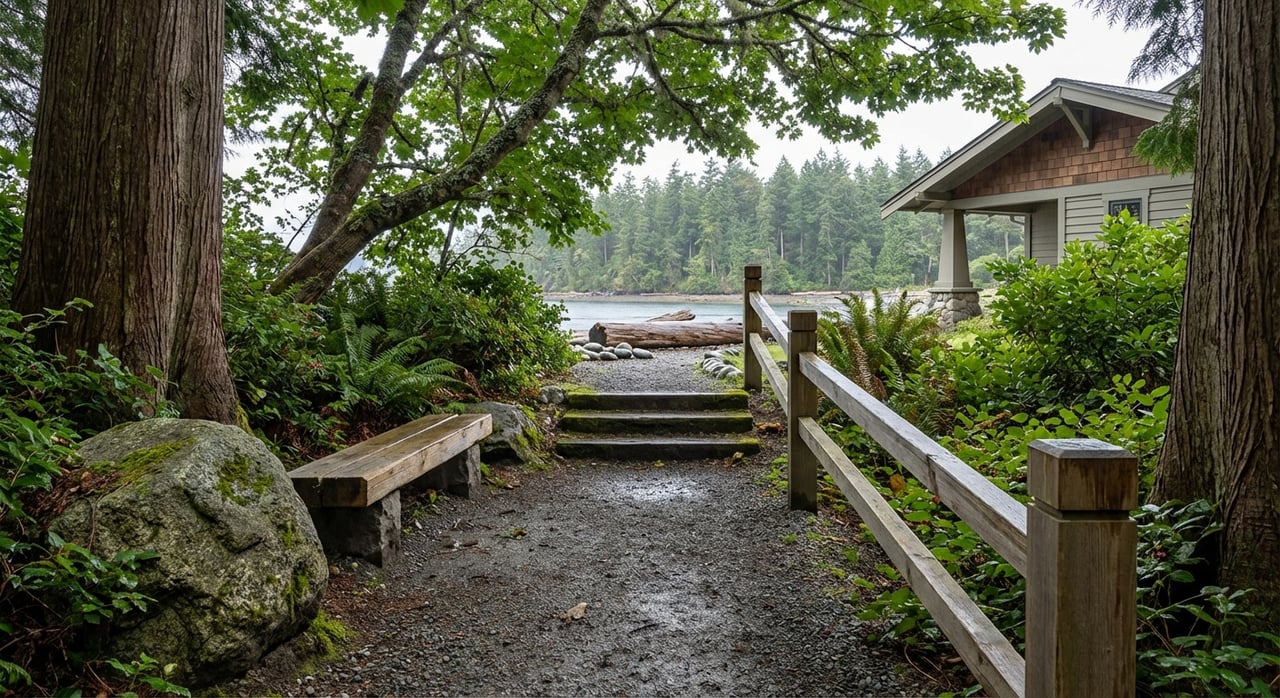
Part of Rolling Bay’s appeal is how close it is to the island’s northeastern shoreline. The broader Bainbridge setting includes quiet harbors, scenic bays, and forested terrain, and nearby public shoreline access helps bring that landscape into everyday life.
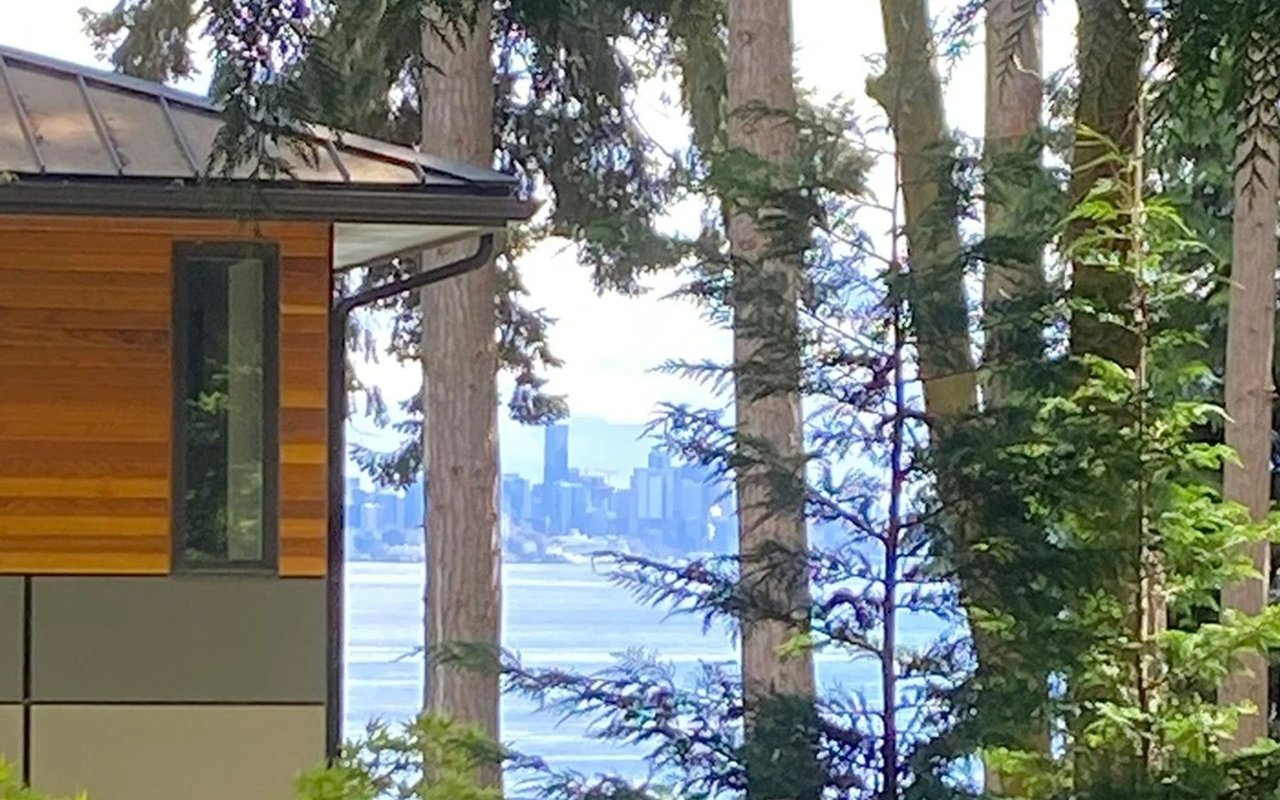
Fay Bainbridge Park is a 17-acre marine camping park on the northeast corner of the island with 1,420 feet of saltwater shoreline, sandy beaches, and views of Puget Sound and the Cascade Mountains. Nearby Manitou Beach offers shoreline access and views toward Seattle and Mount Rainier. These nearby destinations reinforce the coastal identity that many buyers are looking for when they search this part of Bainbridge.
If you are comparing neighborhoods, that access can shape how a location feels over time. Even when a home is not directly on the water, being near shoreline parks, beach access, and scenic overlooks can be part of what gives Rolling Bay lasting appeal.
Getting Around Rolling Bay
Livability is not only about what is in the village center. It is also about how easy it is to move through the area. That is especially relevant for buyers who hope to walk or bike for local errands.
The city’s Valley Road non-motorized improvements project is intended to improve access to the Rolling Bay Neighborhood Service Center. That effort fits into the island’s broader transportation planning around walking and rolling connections between neighborhood centers and key destinations.
For you, that means Rolling Bay’s village pattern is being supported not just by existing businesses, but also by public planning intended to improve connections over time. If local access matters to your lifestyle, that is a useful detail to keep in mind.
Why Rolling Bay Attracts Buyers
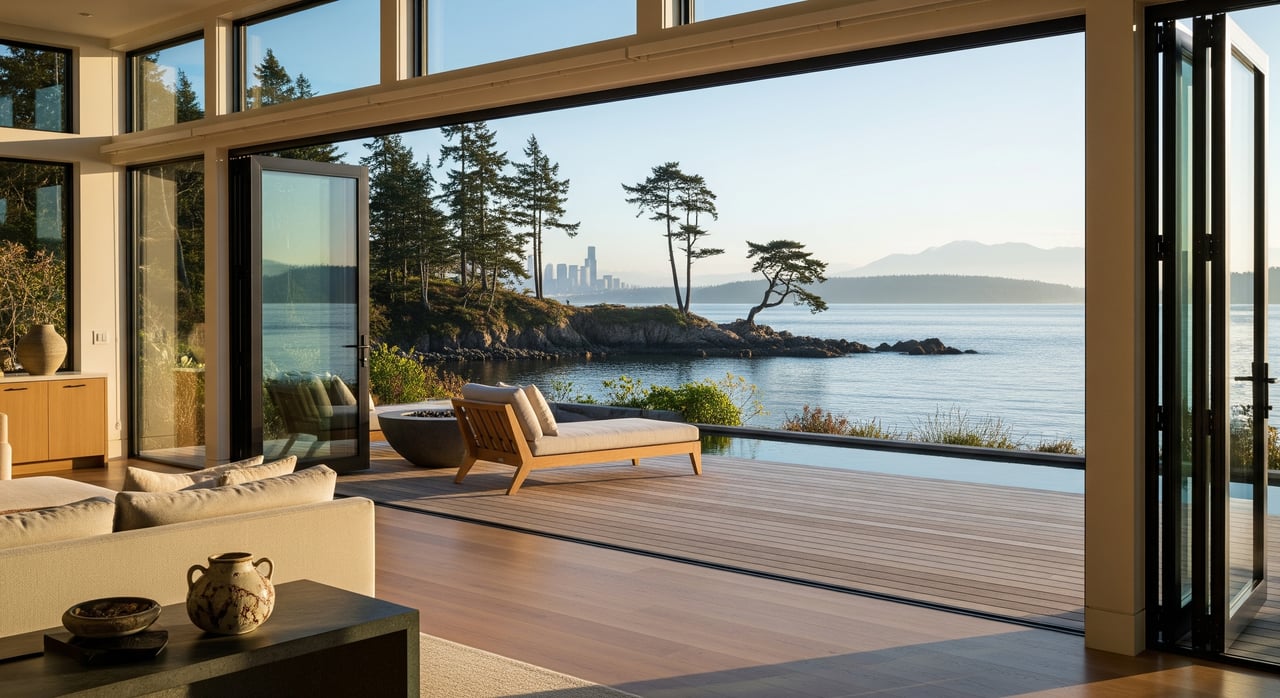
Rolling Bay tends to attract buyers who want a neighborhood with character, local routines, and a strong sense of place. The draw is not scale or nightlife. It is the ability to live near a small but meaningful mix of coffee, market essentials, local retail, and coastal scenery.
Some buyers are drawn to the architectural mix and older-home feel. Others are focused on larger lot patterns, wooded surroundings, or shoreline proximity. Still others simply want a quieter Bainbridge setting that still offers a practical village center.
Because the area includes a range of home types and site conditions, working with neighborhood-level insight matters. A buyer looking at an in-village cottage, a bluff-area property, and a more private inland parcel may be evaluating very different conditions, even within the broader Rolling Bay area.
What Sellers Should Know
If you are selling in Rolling Bay, your home is likely to be part of a story that is bigger than square footage alone. Buyers are often responding to the setting, the daily lifestyle, the village conveniences, and the coastal context just as much as the home itself.
That means strong presentation matters. Features like garden spaces, mature landscaping, architectural details, nearby village access, and shoreline or park proximity can all help shape buyer interest when they are clearly explained and thoughtfully marketed.
At the same time, properties with more complex site conditions may benefit from a careful, well-prepared approach. Clear communication, accurate positioning, and polished marketing materials can help buyers understand what makes the property special while giving them confidence in the process.
If you are thinking about buying or selling in Rolling Bay, McLaughlin & Co. can help you understand how village location, lot character, and coastal considerations shape value and fit. Make time for coffee and schedule a consultation.
FAQs
What is Rolling Bay on Bainbridge Island known for?
- Rolling Bay is known for its village-style neighborhood center with coffee, market essentials, local shops, civic uses, and nearby coastal scenery.
What types of homes are common in Rolling Bay?
- Homes in and around Rolling Bay may include older single-family homes and a mix of styles seen across Bainbridge Island, such as Craftsman, bungalow, Ranch, and other historic or later residential forms.
What should buyers know about coastal properties in Rolling Bay?
- Buyers should review shoreline jurisdiction, bluff conditions, erosion or landslide considerations, and any applicable shoreline development rules before moving forward.
Is Rolling Bay a walkable area for daily errands?
- Rolling Bay offers a compact village hub for some daily stops, and the city is working on non-motorized improvements to strengthen access to the neighborhood service center.
Are there parks and beach access near Rolling Bay?
- Yes, nearby shoreline destinations include Fay Bainbridge Park and Manitou Beach, both of which offer coastal access and scenic views.