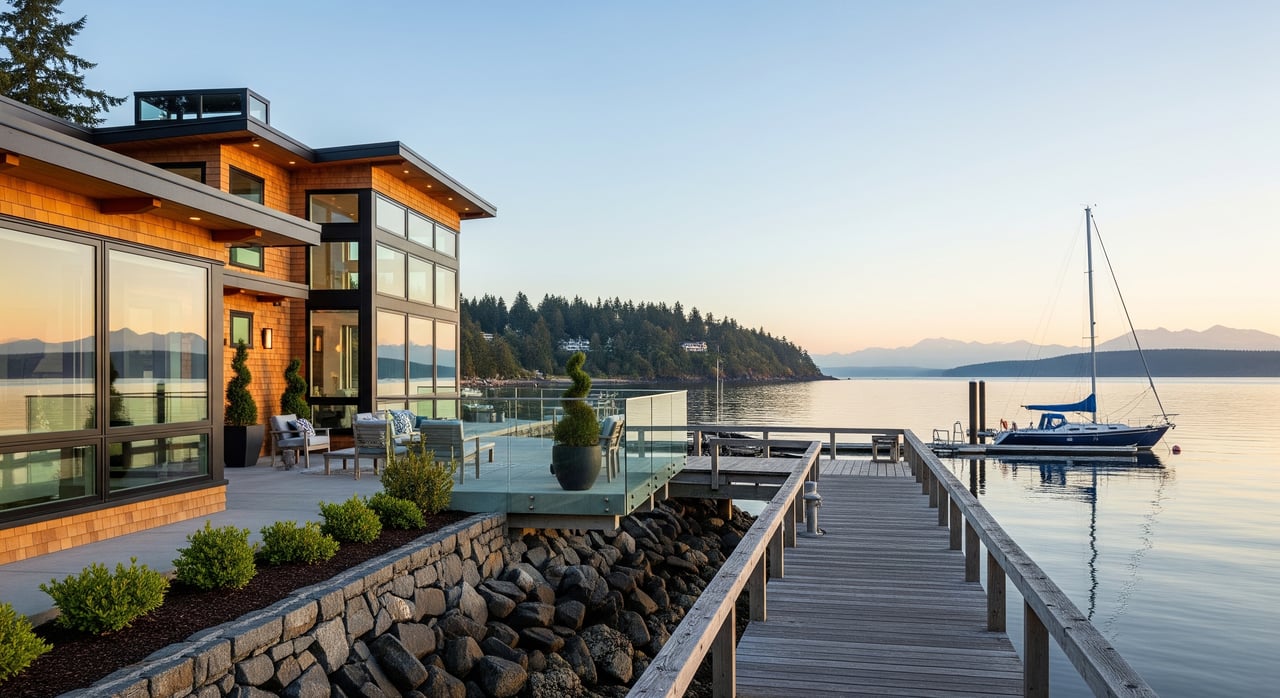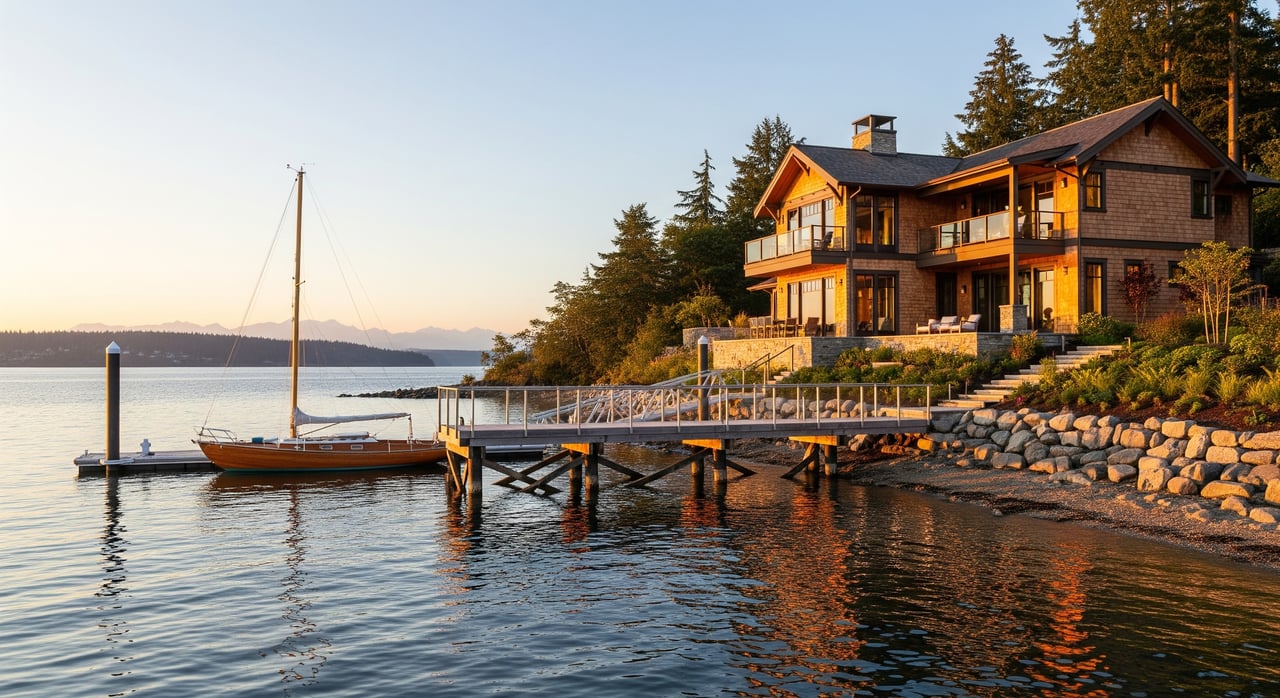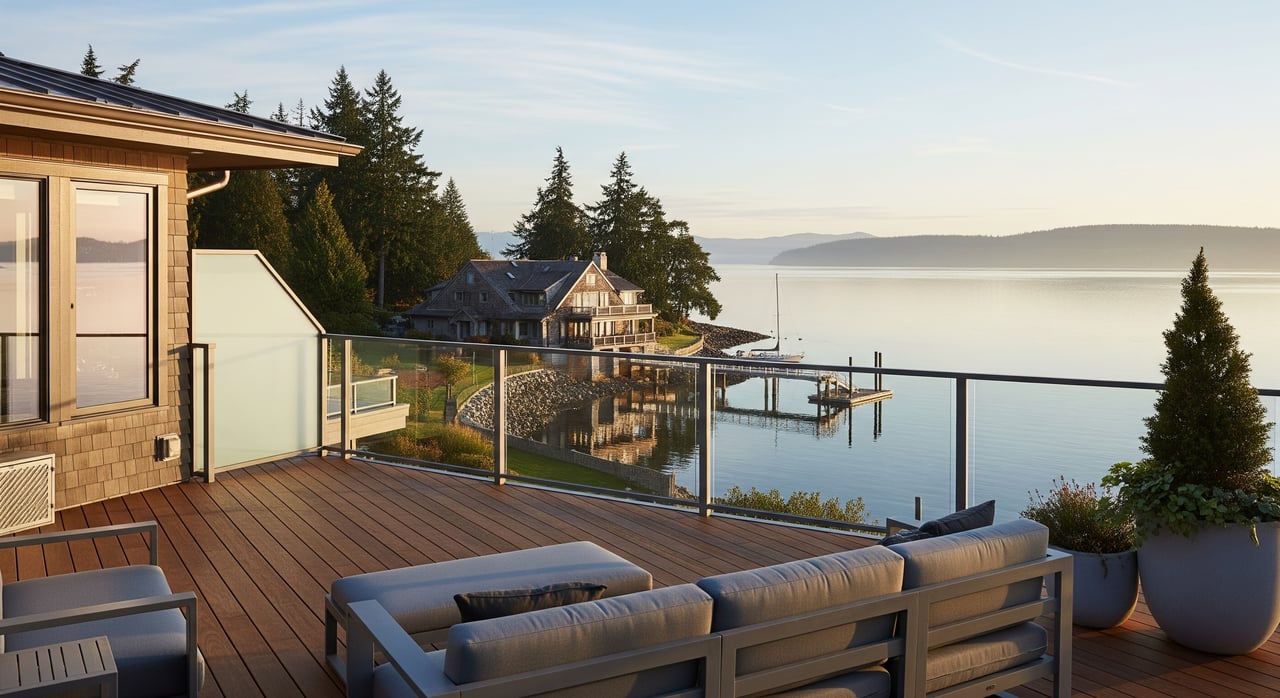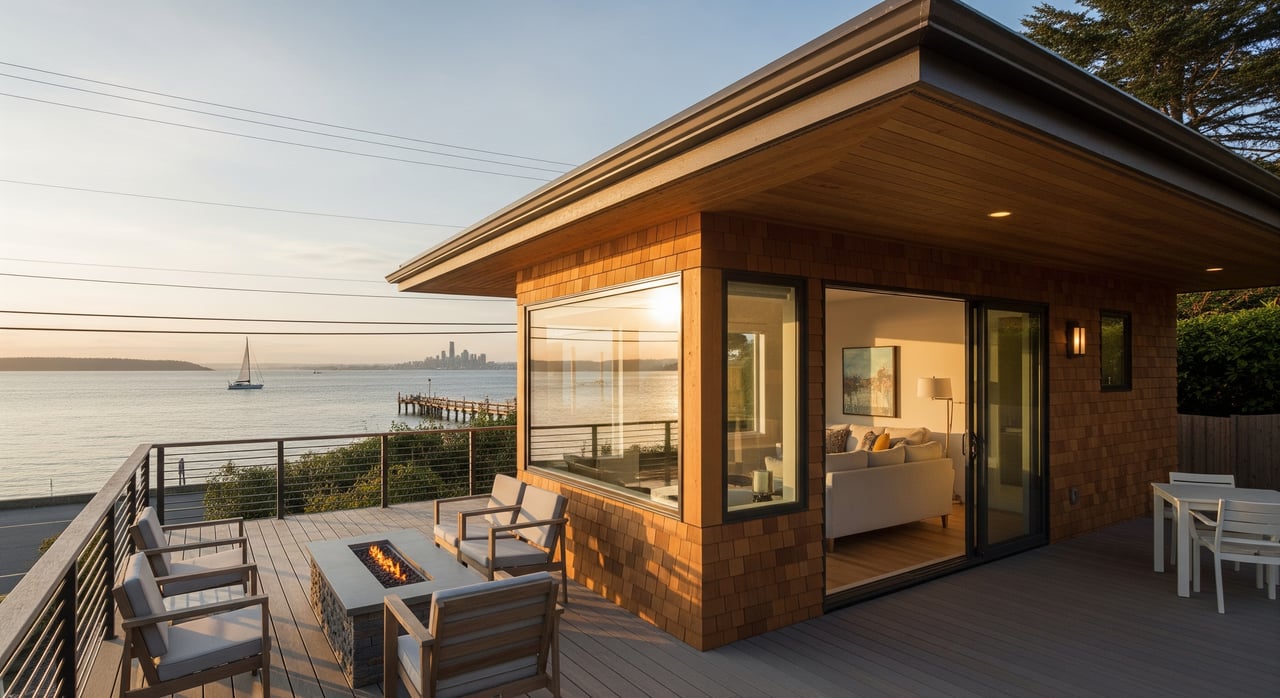
Wondering whether Fort Ward feels like a typical Bainbridge neighborhood? In many ways, it does not. This south-end area blends historic character, preserved open space, shoreline access, and a quieter residential setting that can feel very different from more commercial parts of the island. If you are considering a move here, this guide will help you understand what shapes daily life in Fort Ward and what to look for as a buyer. Let’s dive in.
Fort Ward at a Glance
Fort Ward is located on the south end of Bainbridge Island in ZIP code 98110. City code treats it as a historic overlay district intended to recognize the area’s historic nature and maintain its historic elements.
City materials describe Fort Ward as a former army fort and navy installation that is now primarily a historic residential neighborhood. The Fort Ward Historic District is also listed on state and national historic registers, which helps explain why the area has such a distinct identity today.
Why Fort Ward Feels Different
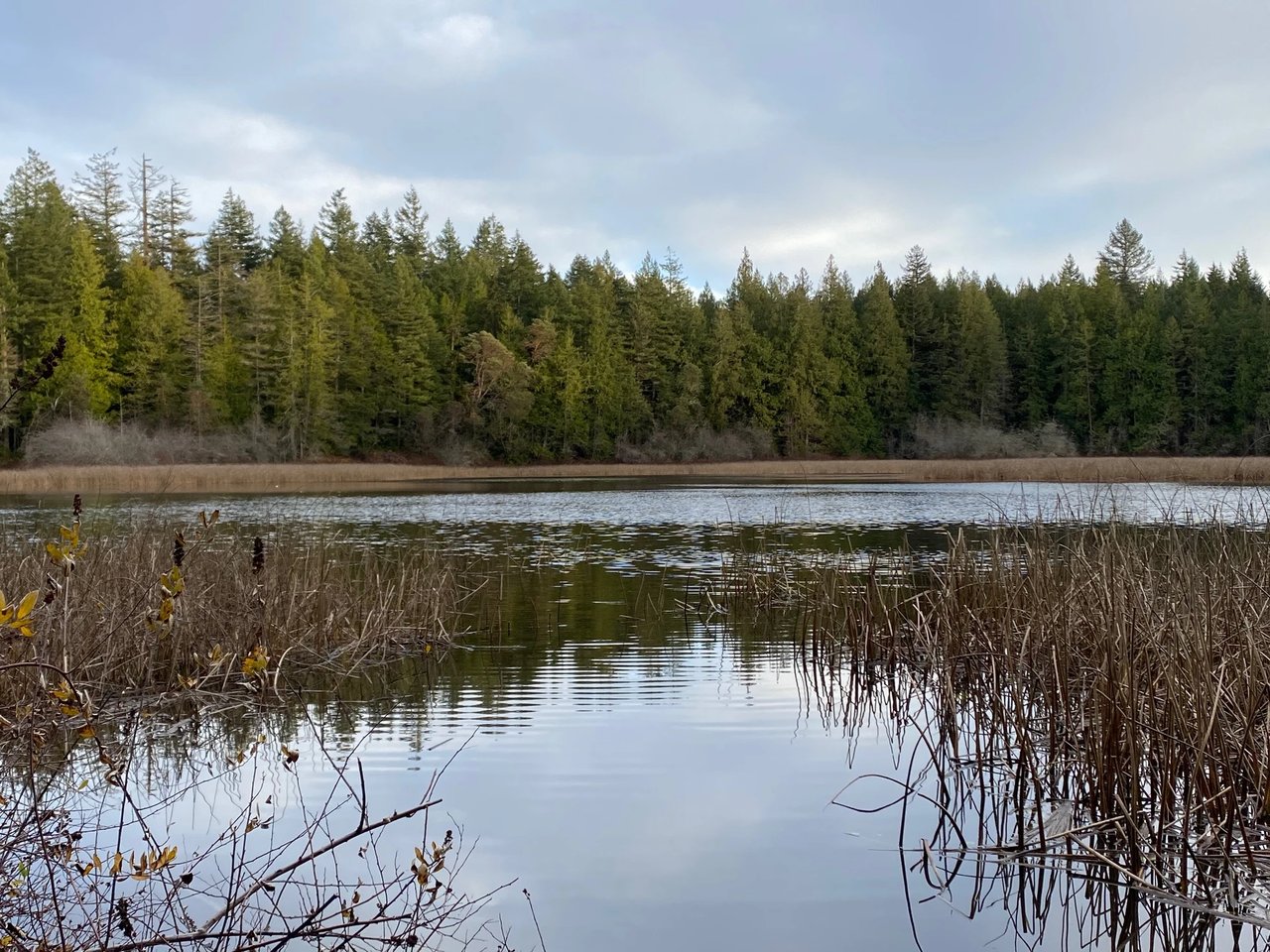
Fort Ward is shaped by both its history and its landscape. City planning documents describe the area as an open-space system that includes wetlands, a neighborhood park, historic marching fields, unbuildable slopes, and the state park.
That means the neighborhood experience is not just about individual homes. It is also about how homes relate to trails, open space, and preserved land patterns that have stayed central to the area’s character.
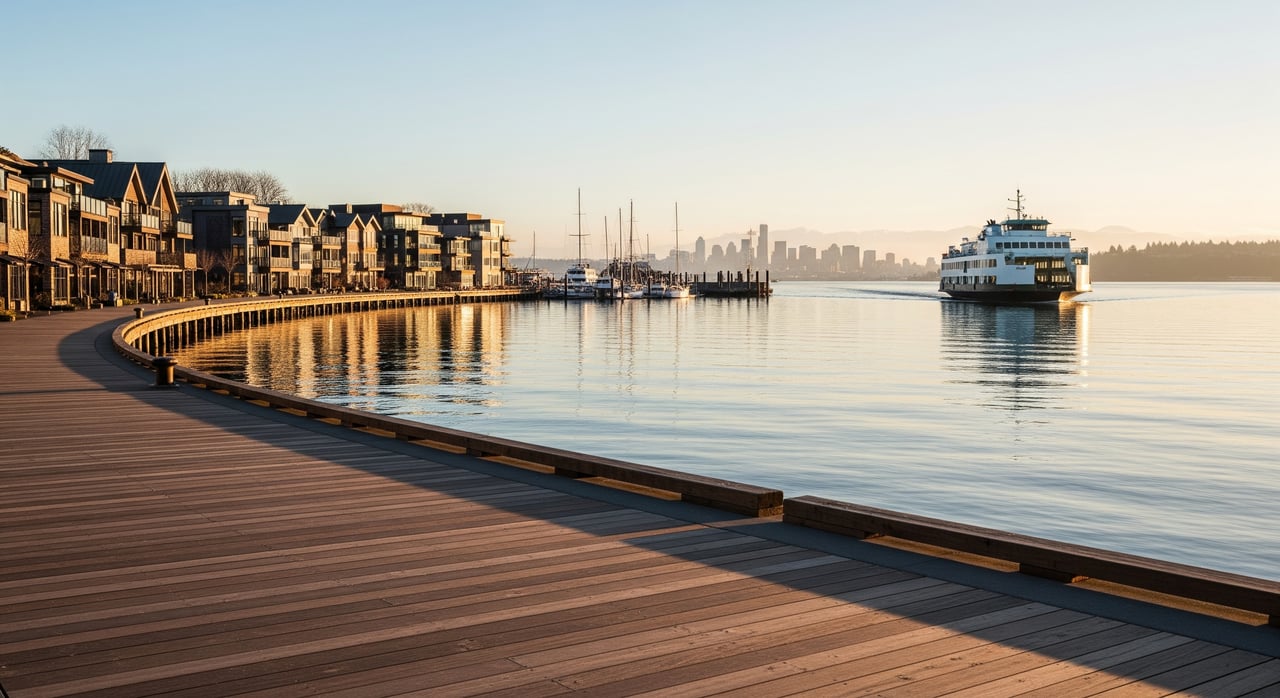
Compared with Winslow, Bainbridge Island’s town center, Fort Ward reads as more residential and recreation-oriented. If you are looking for a setting that feels quieter and more park-centered, that is a big part of the appeal.
Trails, Shoreline, and Open Space
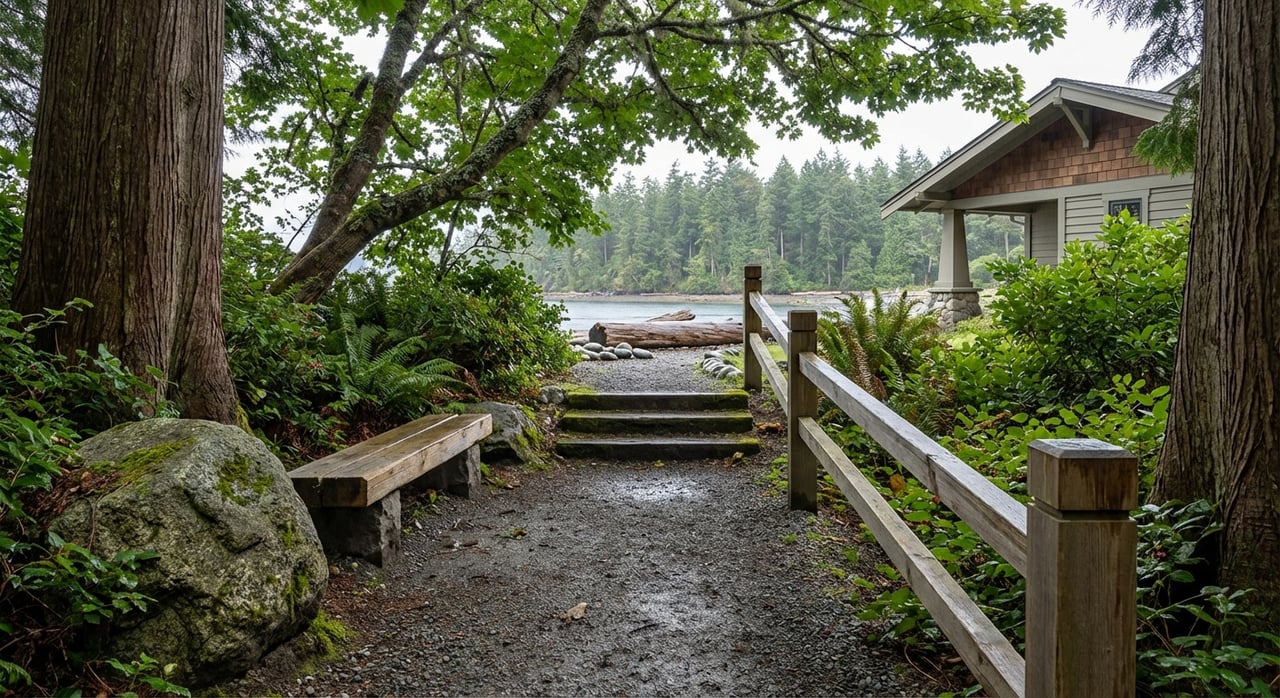
One of Fort Ward’s strongest draws is how closely daily life can connect to the outdoors. City guidance emphasizes links between homes, trails, and larger open spaces, including historic routes and trail easements along street edges.
For you as a buyer, that can translate into a neighborhood where walking routes and green connections are part of the layout, not an afterthought. In practical terms, that often supports a more connected, outdoors-oriented feel.
Fort Ward Park
Fort Ward Park is the area’s major public green-space anchor. According to the Bainbridge Island Metro Park & Recreation District, it spans 137 acres and includes 4,300 feet of saltwater shoreline on Rich Passage.
The park also offers picnic areas, trails, camping, beach access, and a boat launch. It is part of the Cascadia Marine Trail, which adds to its value as both a neighborhood amenity and a destination for recreation.
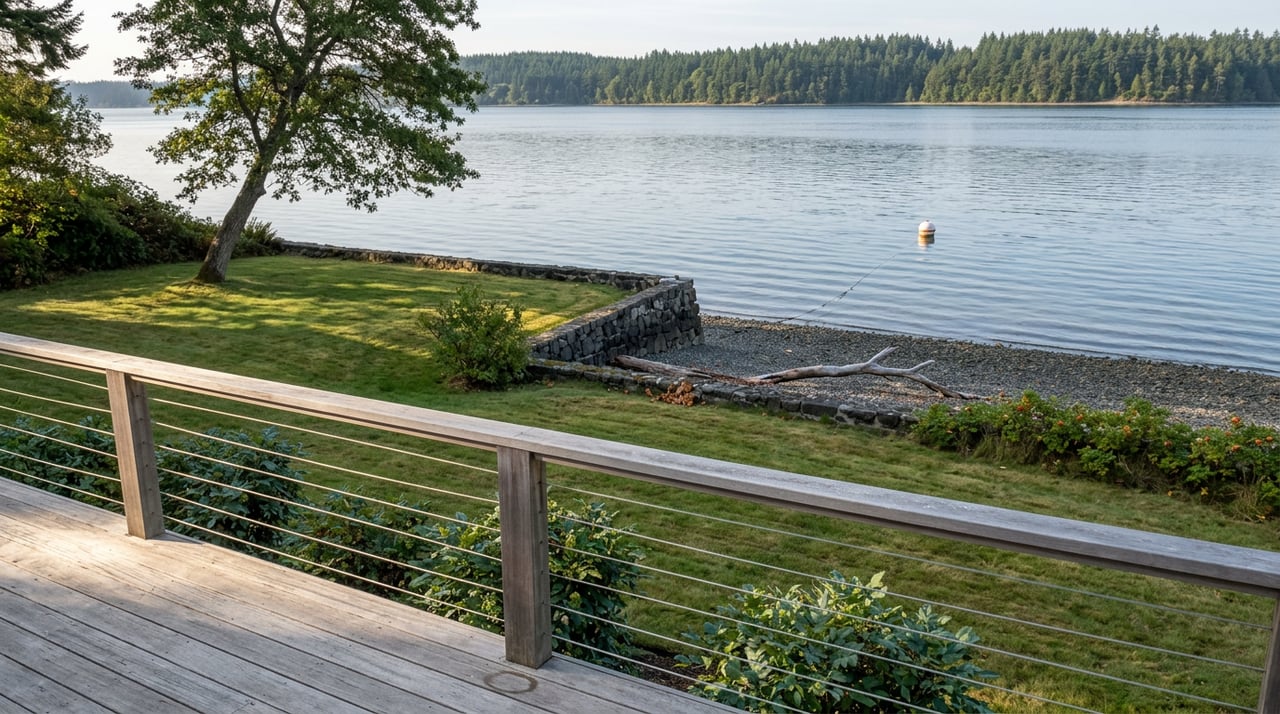
Shoreline Access and Views
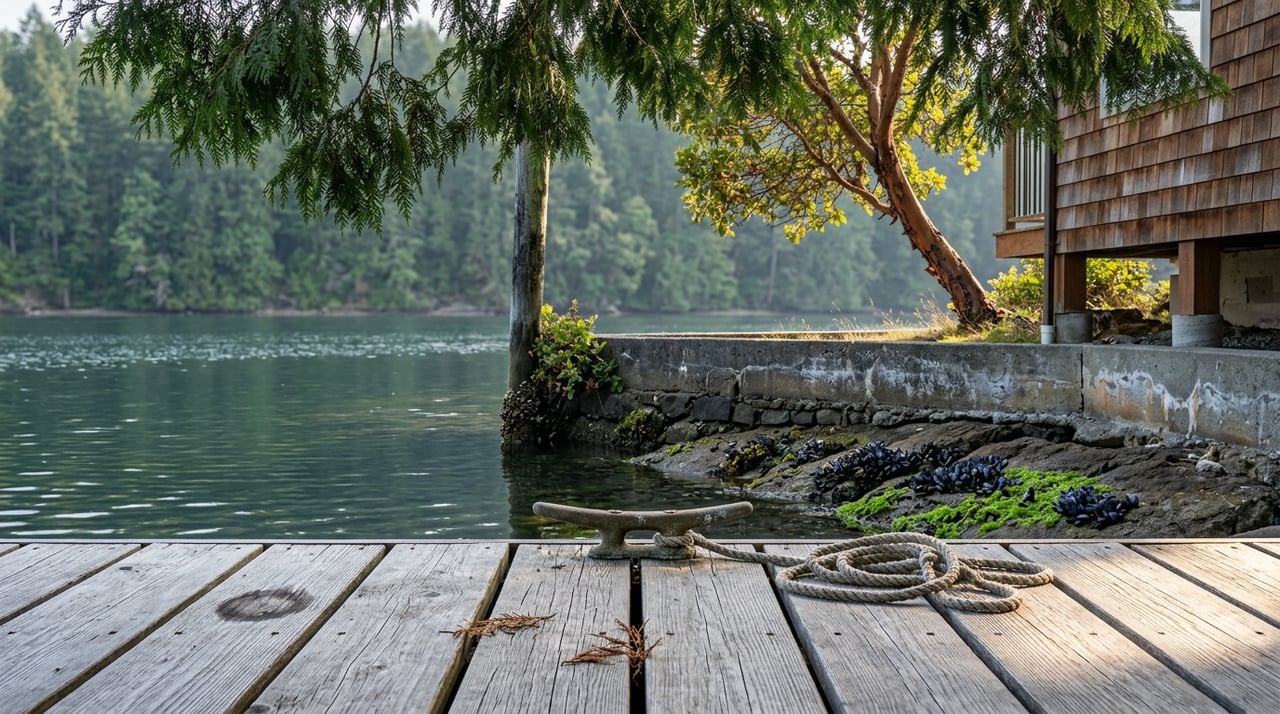
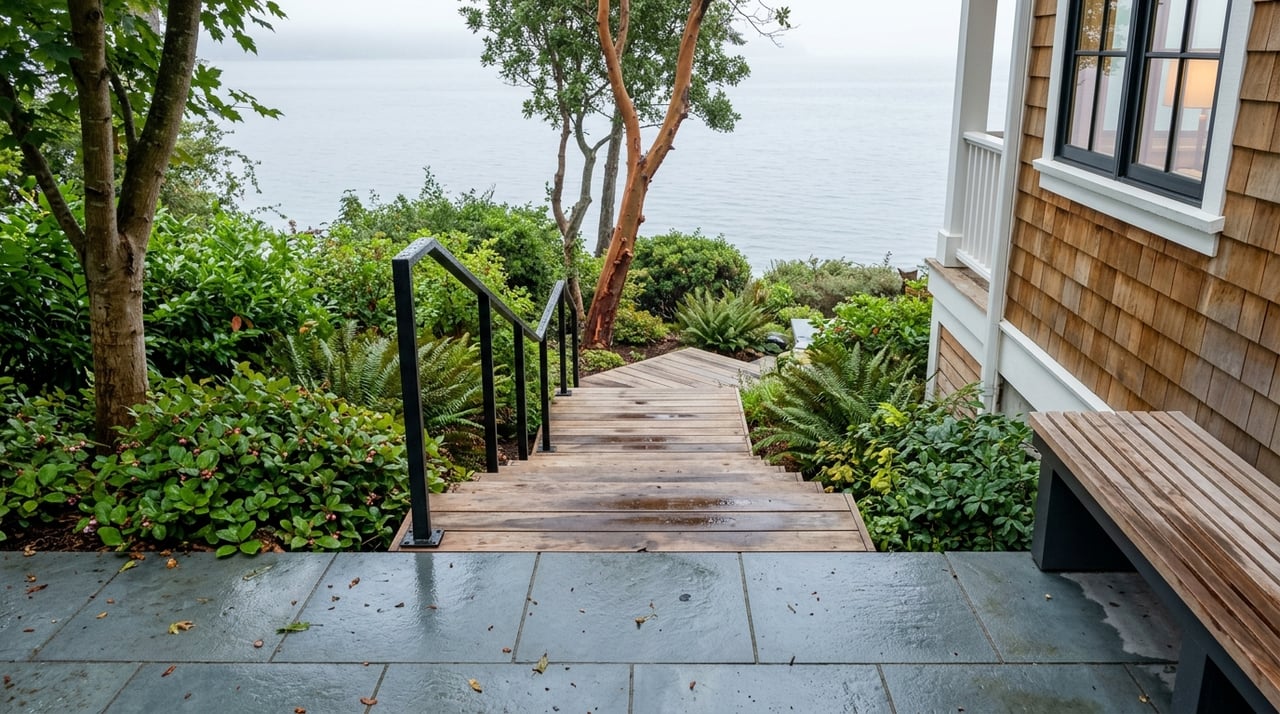
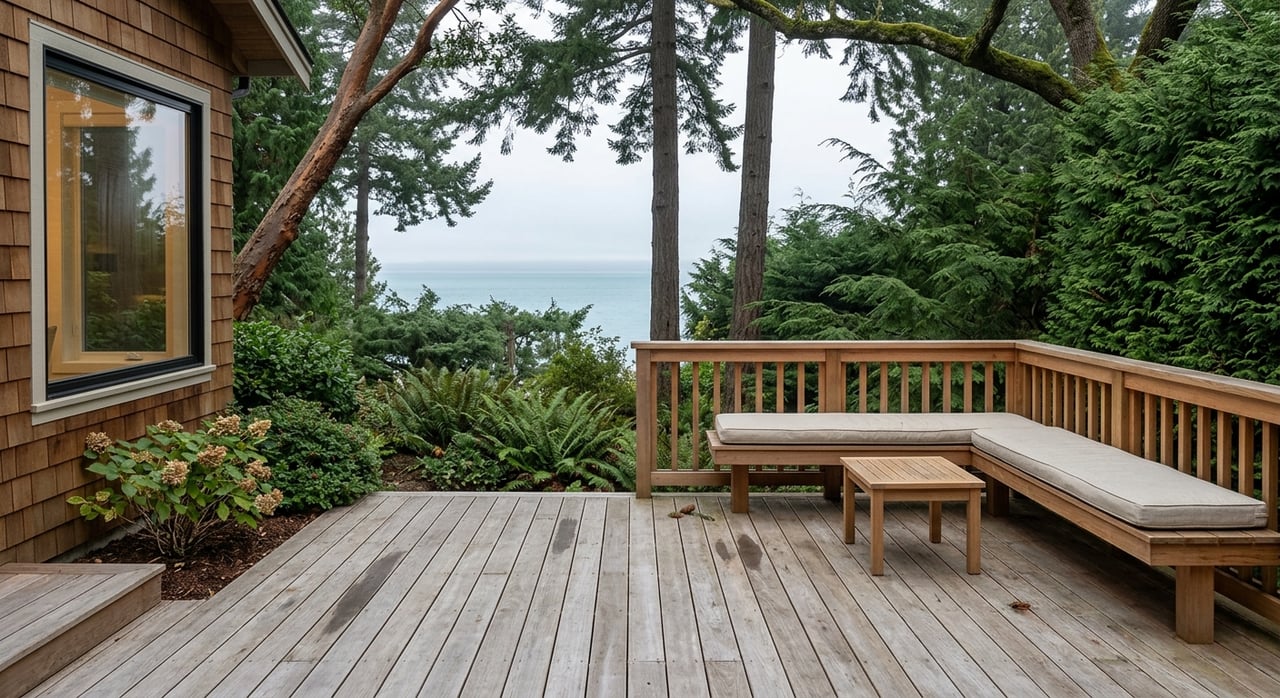
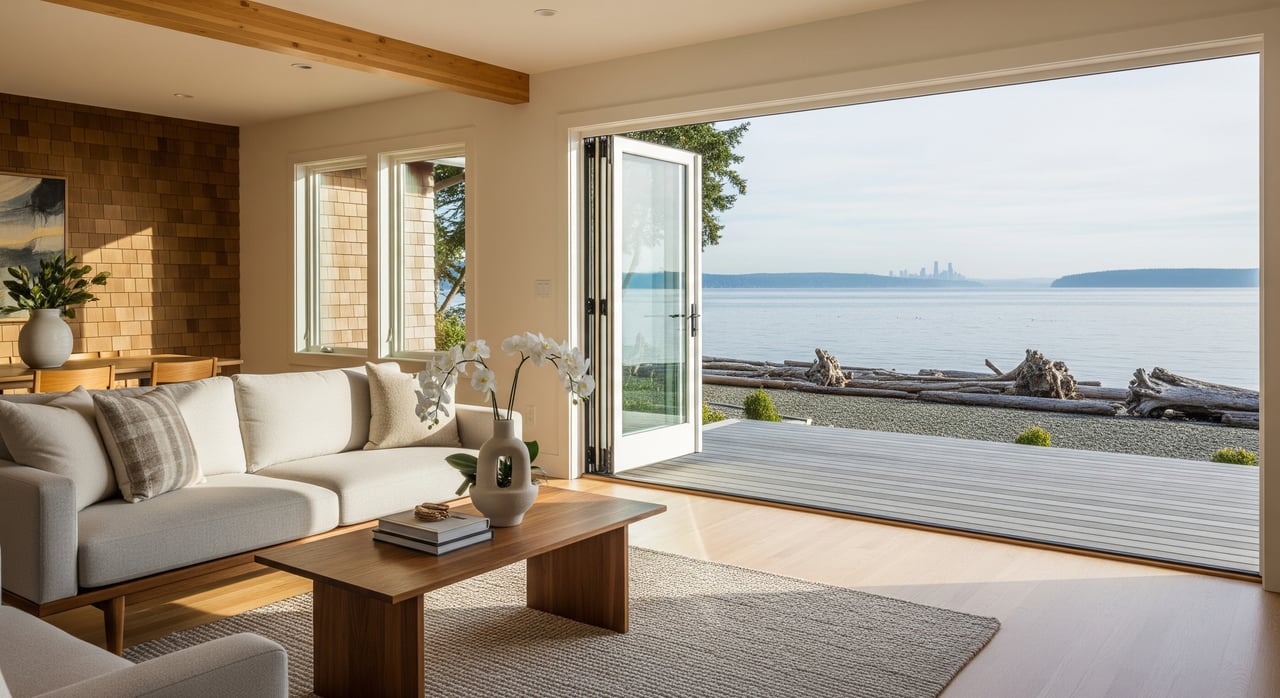
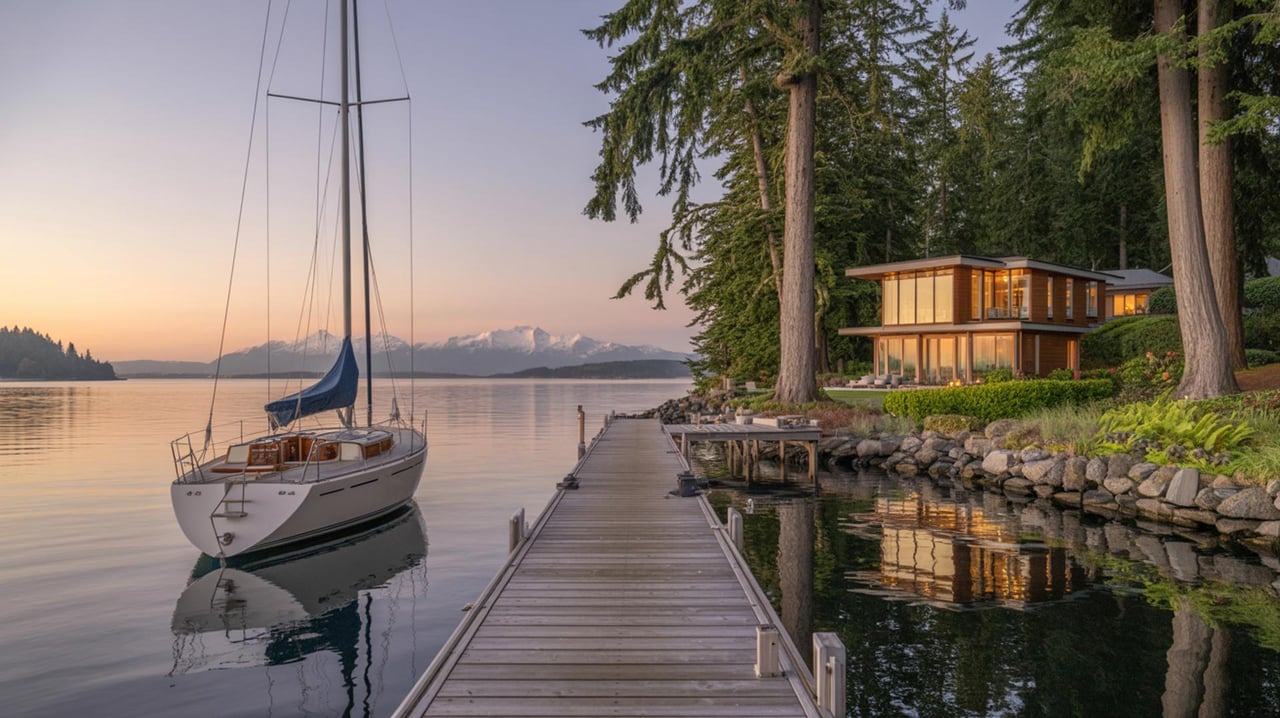
The city’s shoreline guide describes the beach as smoothly sloped gravel and cobble. It also notes that the park includes about three-quarters of a mile of flat paved road closed to vehicles, which can make shoreline walks and bike rides especially appealing.
From there, you can continue south along South Beach Drive for more shore-view walking and biking. The Fort Ward-to-Blakely Harbor Trail also connects two large south-end parks and passes through Douglas fir, big leaf maple, and wetland areas.
Home Styles and Streetscape
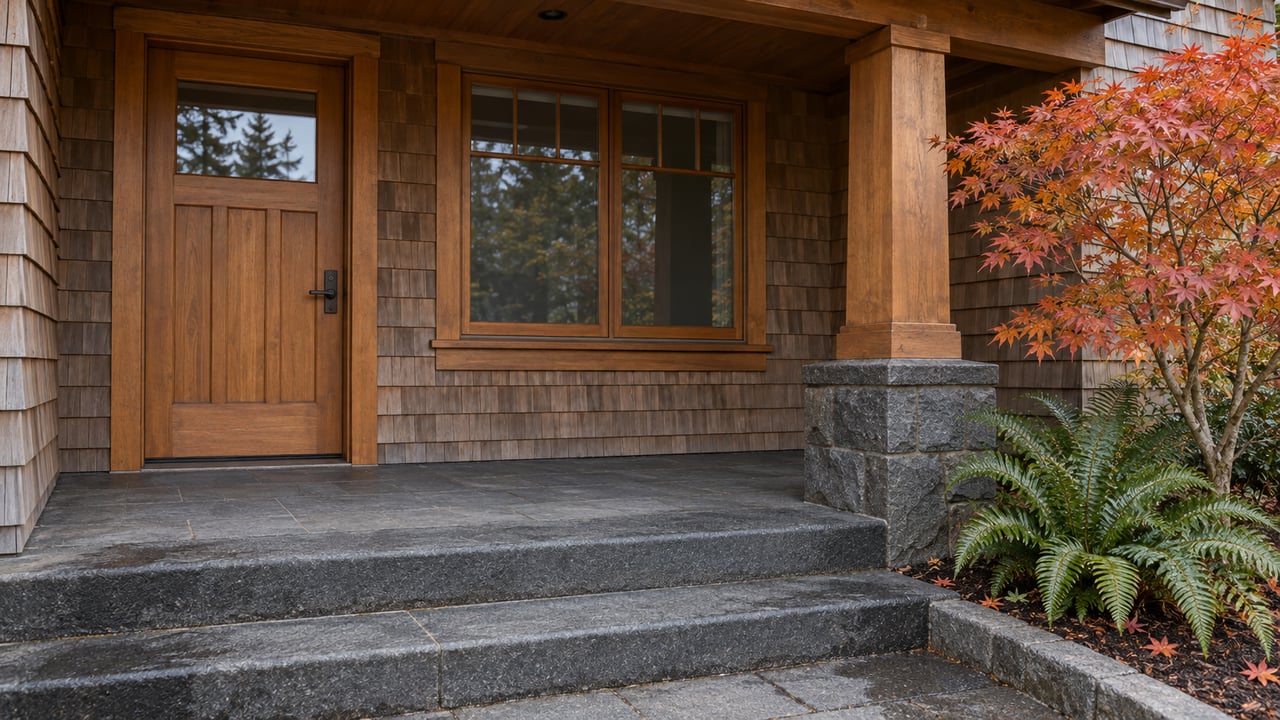
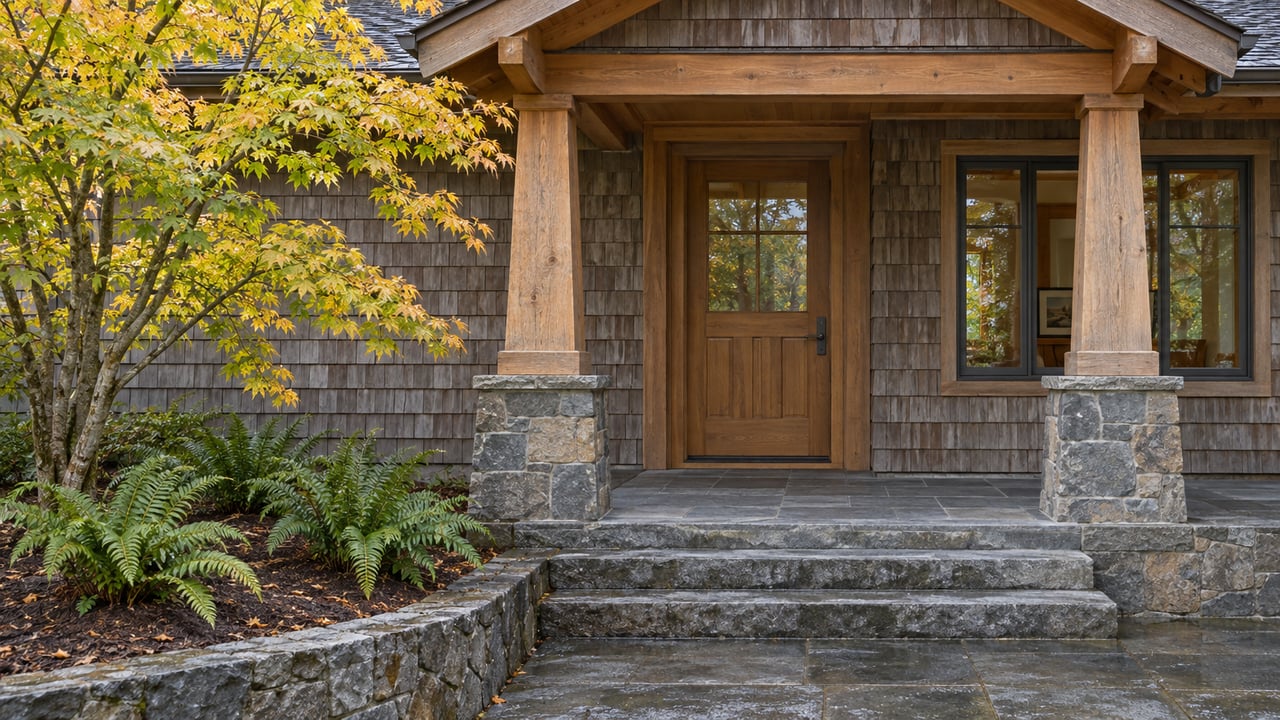
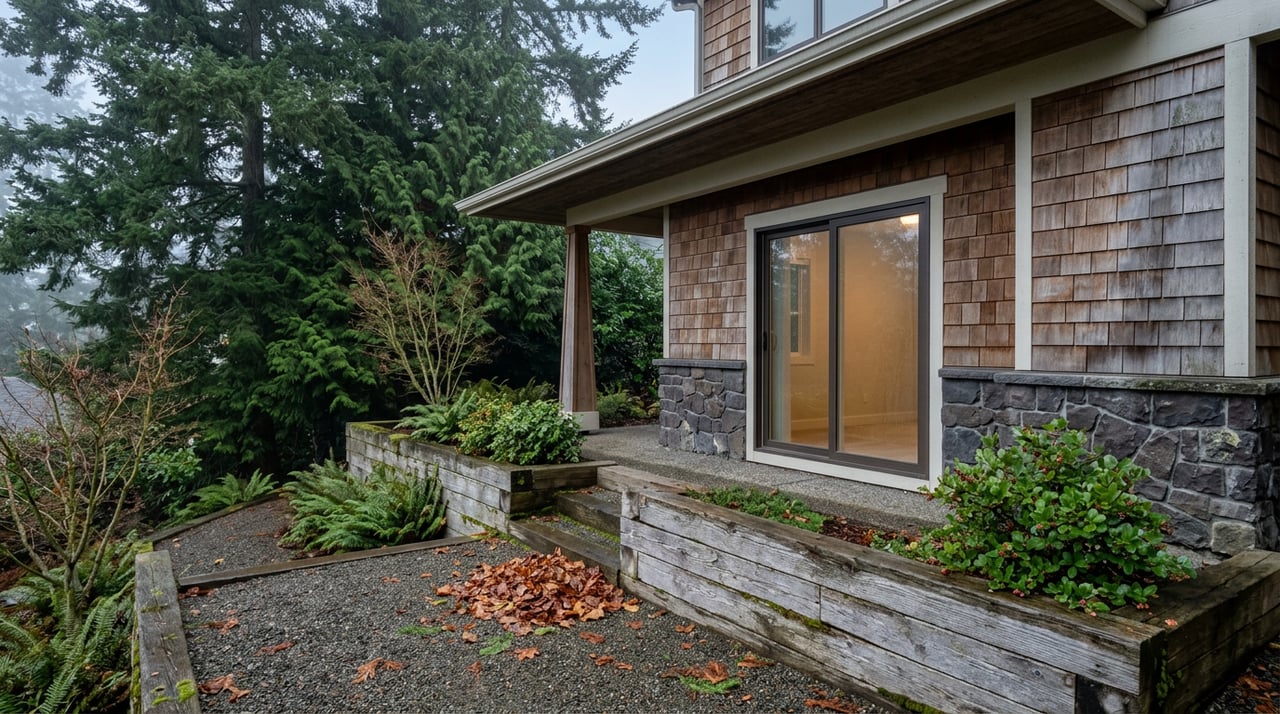
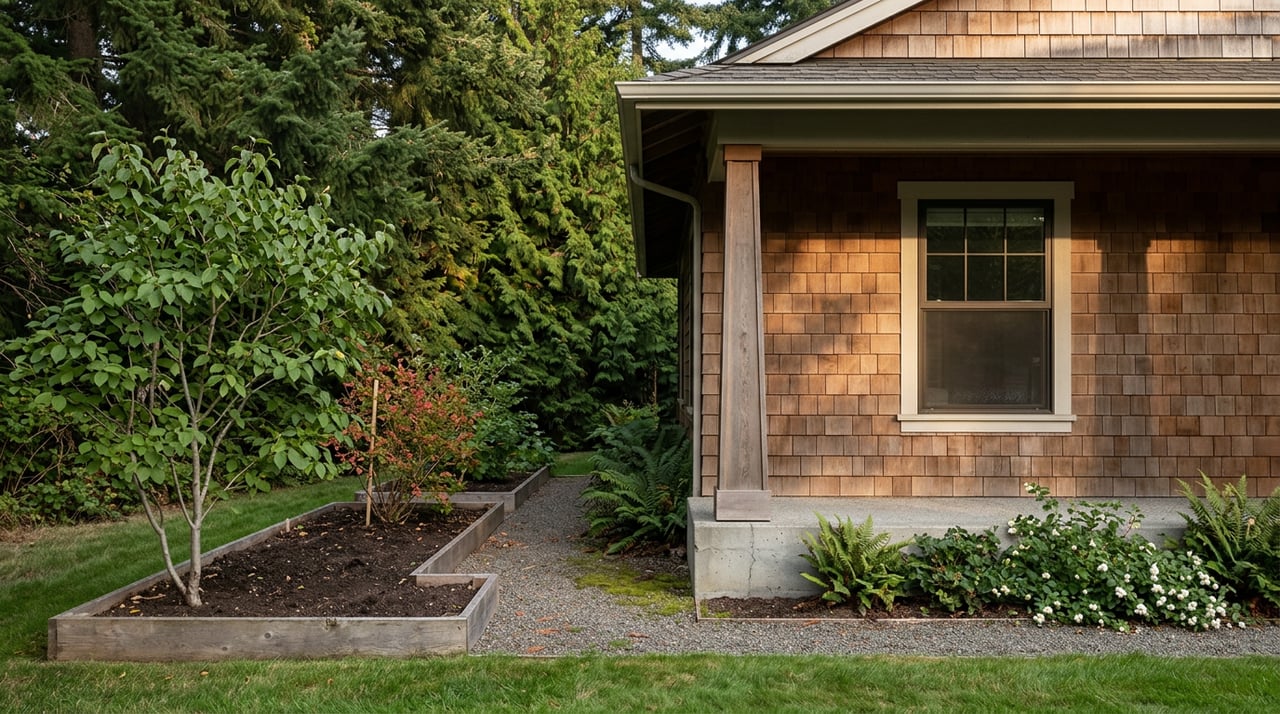
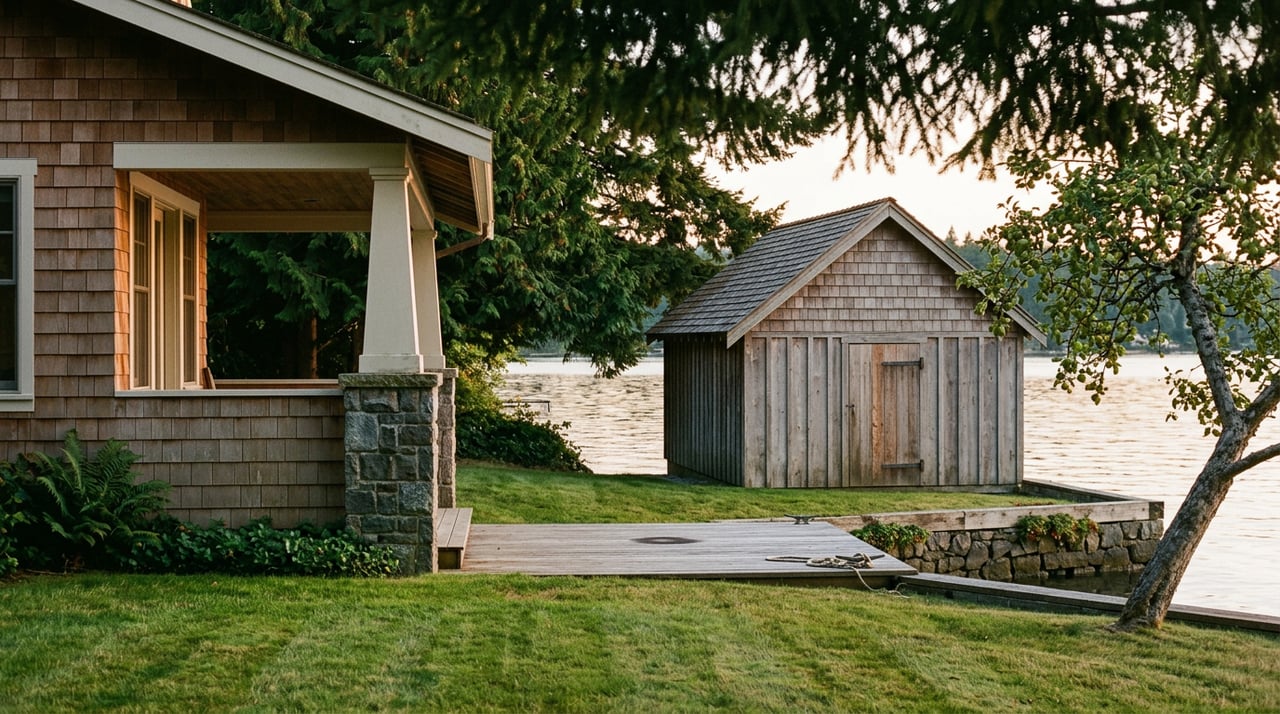
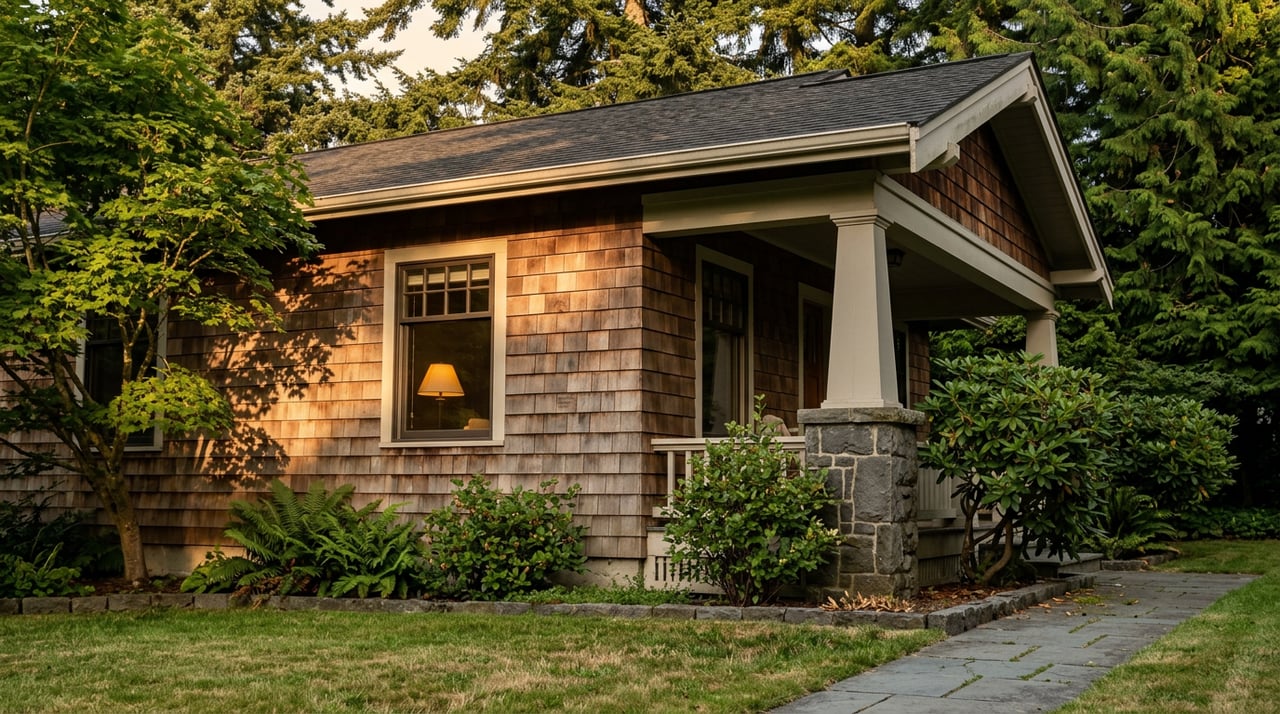
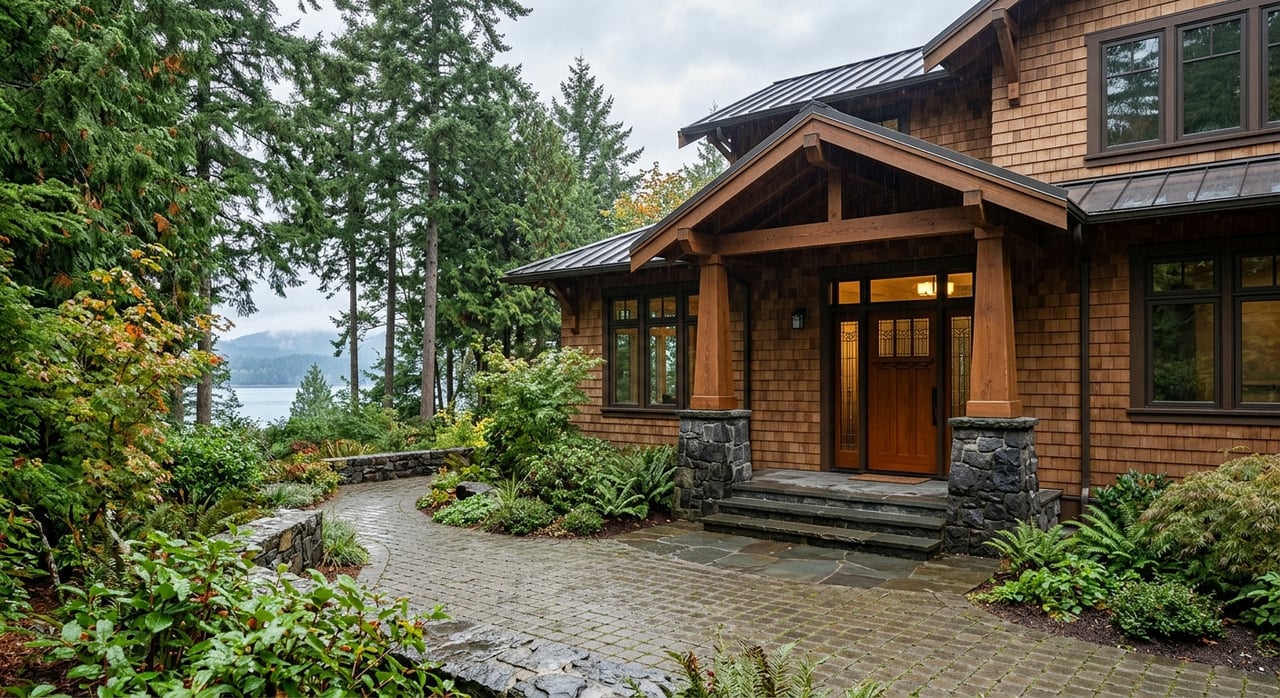
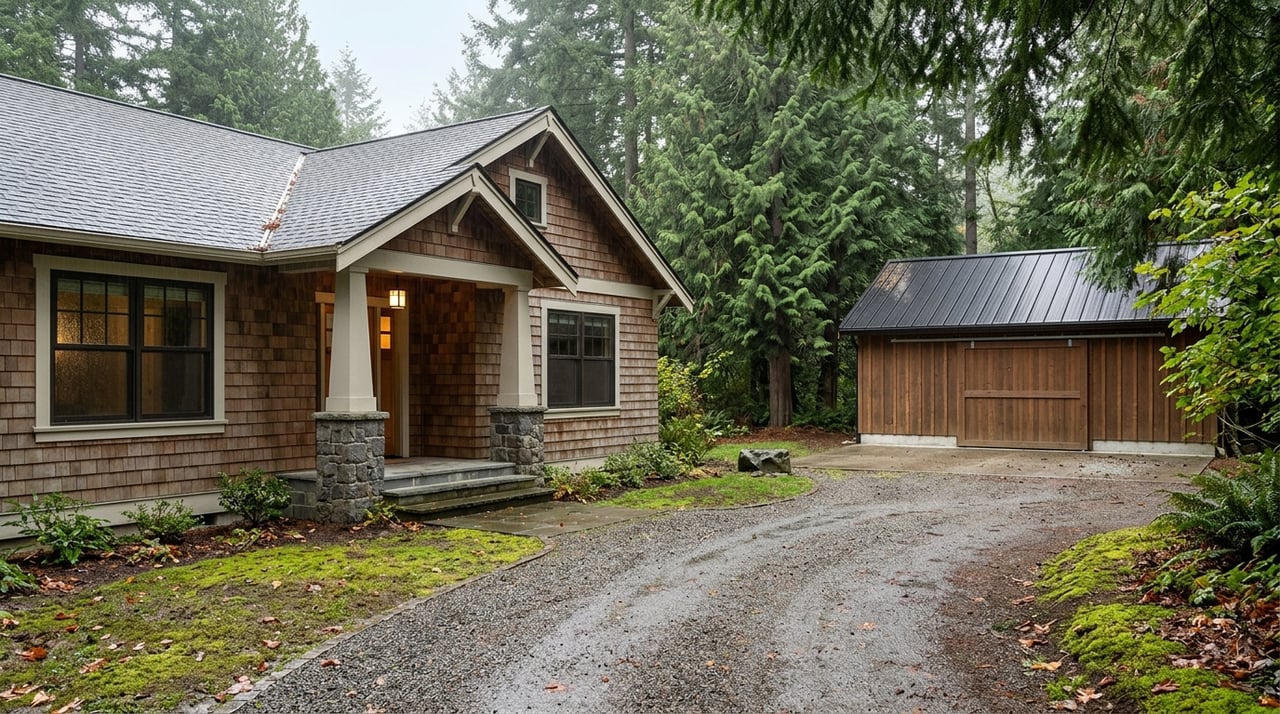
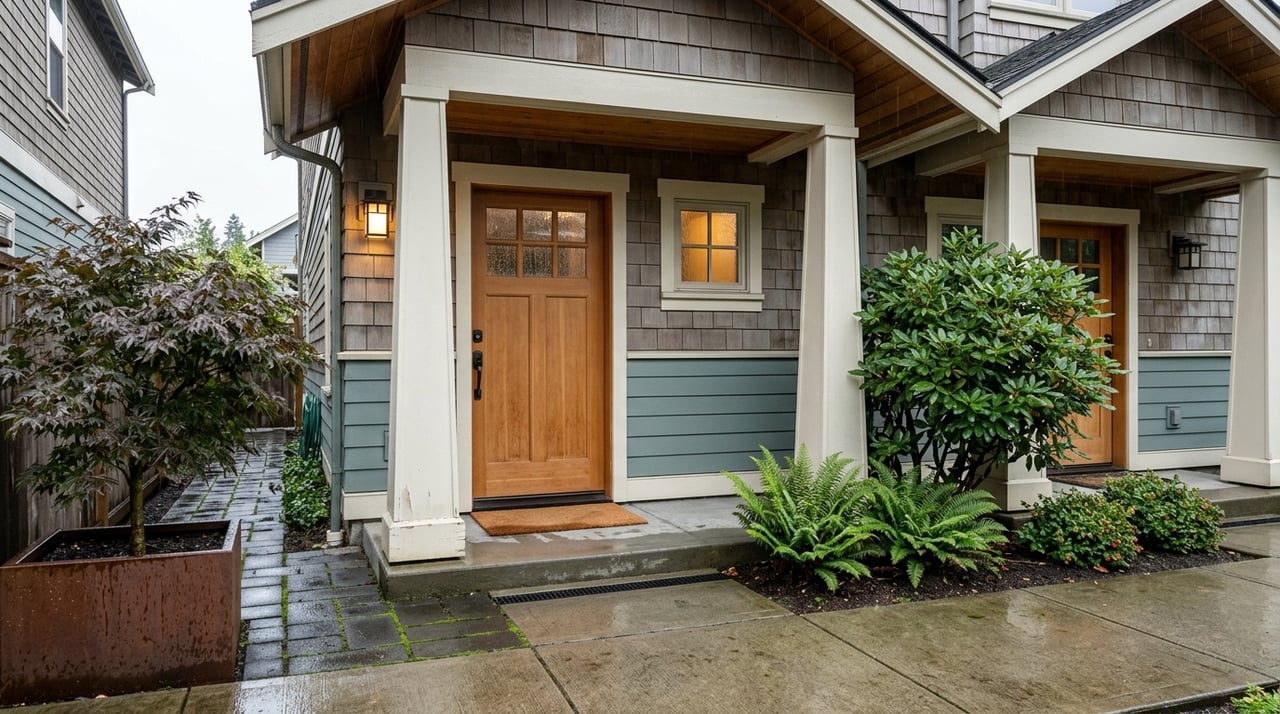
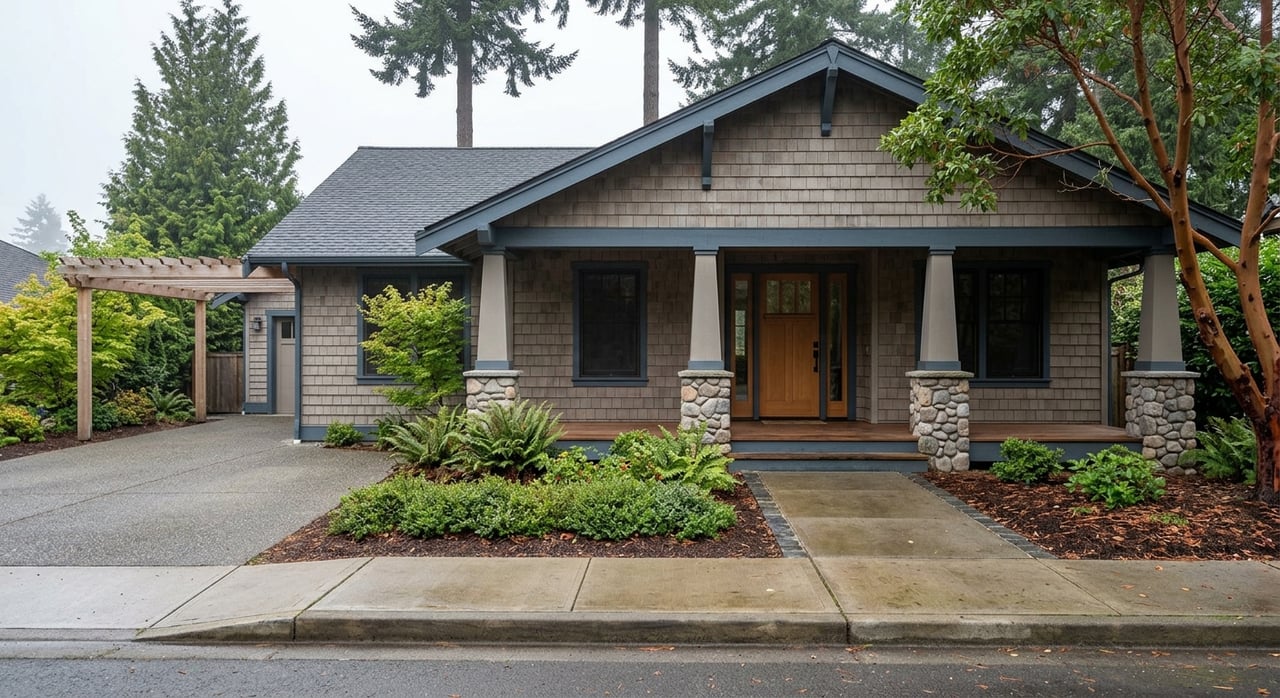
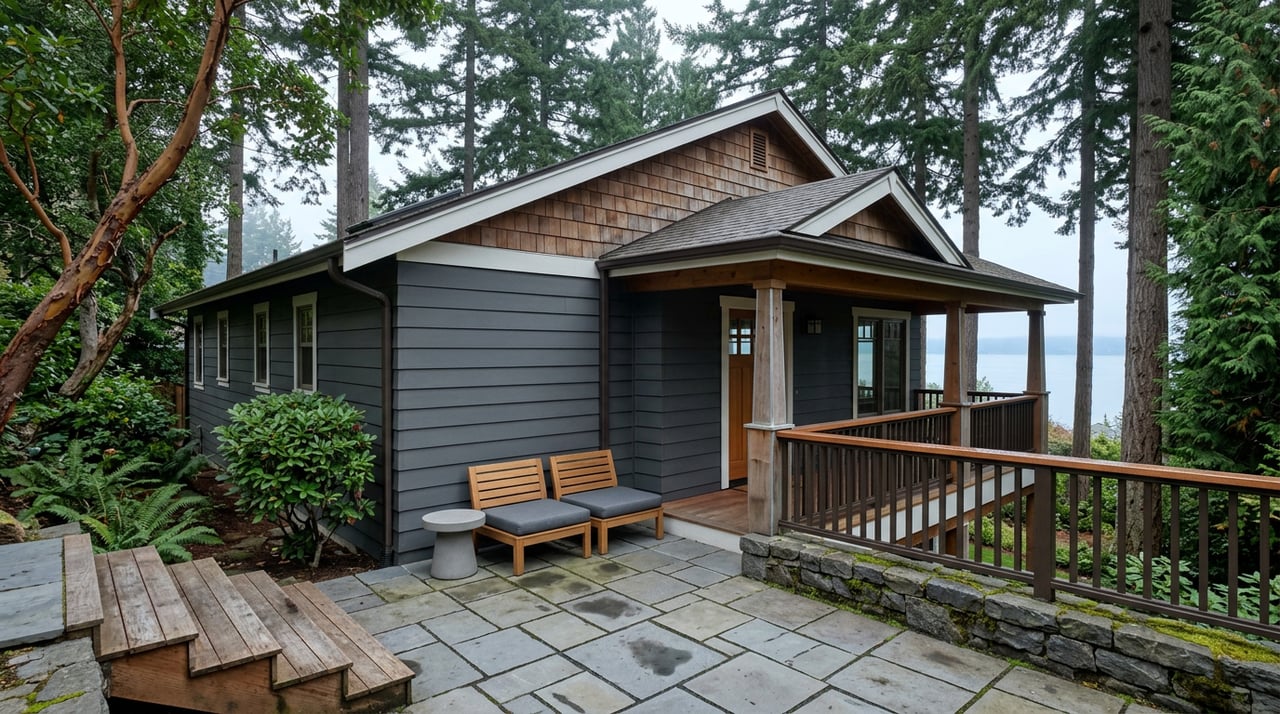
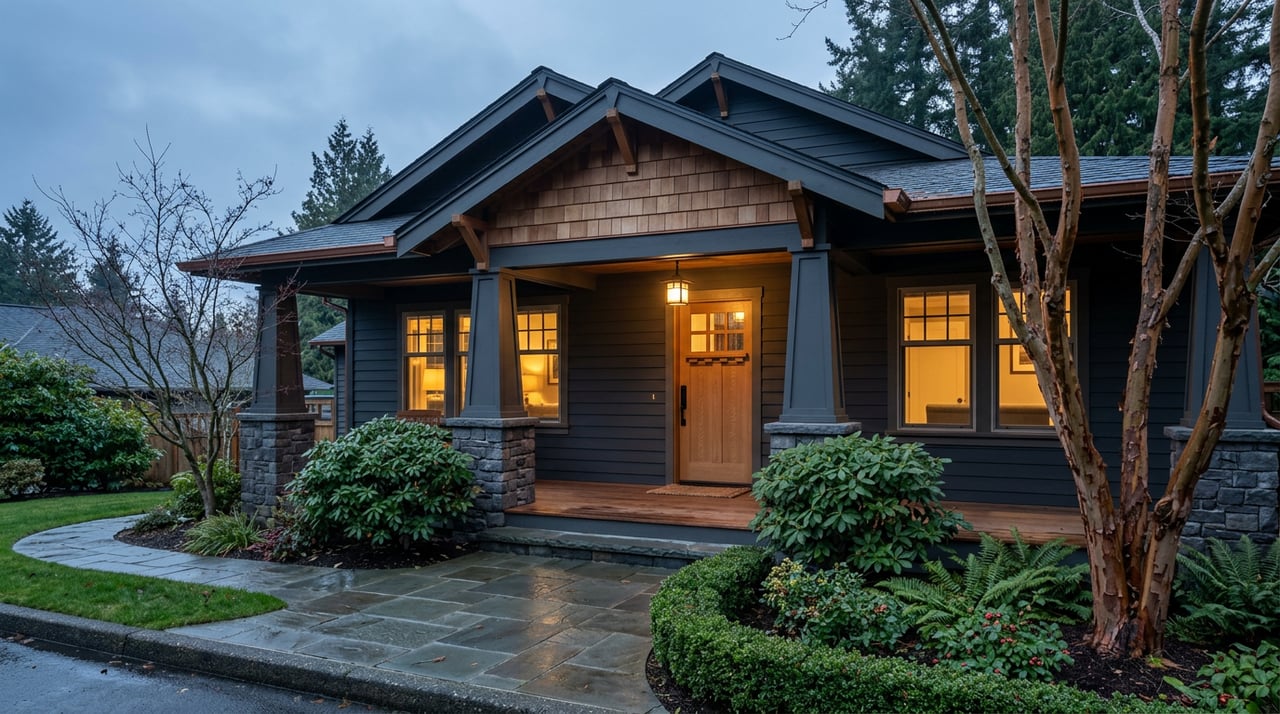
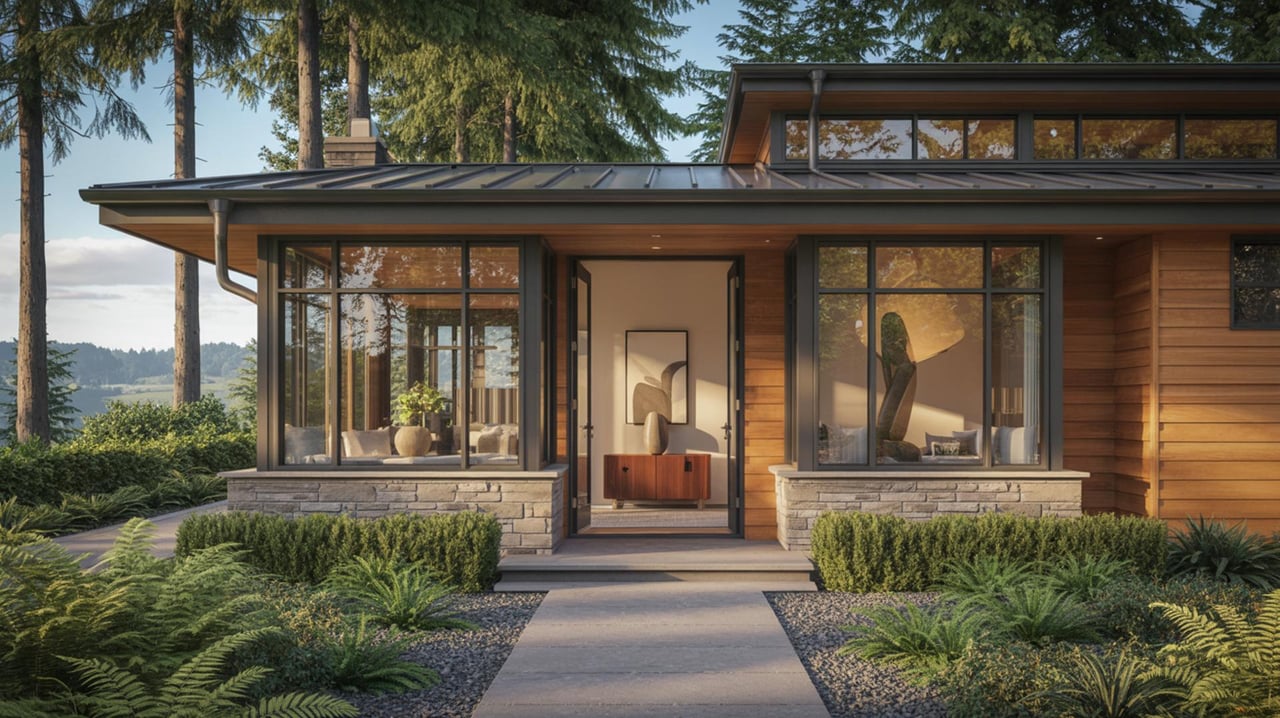
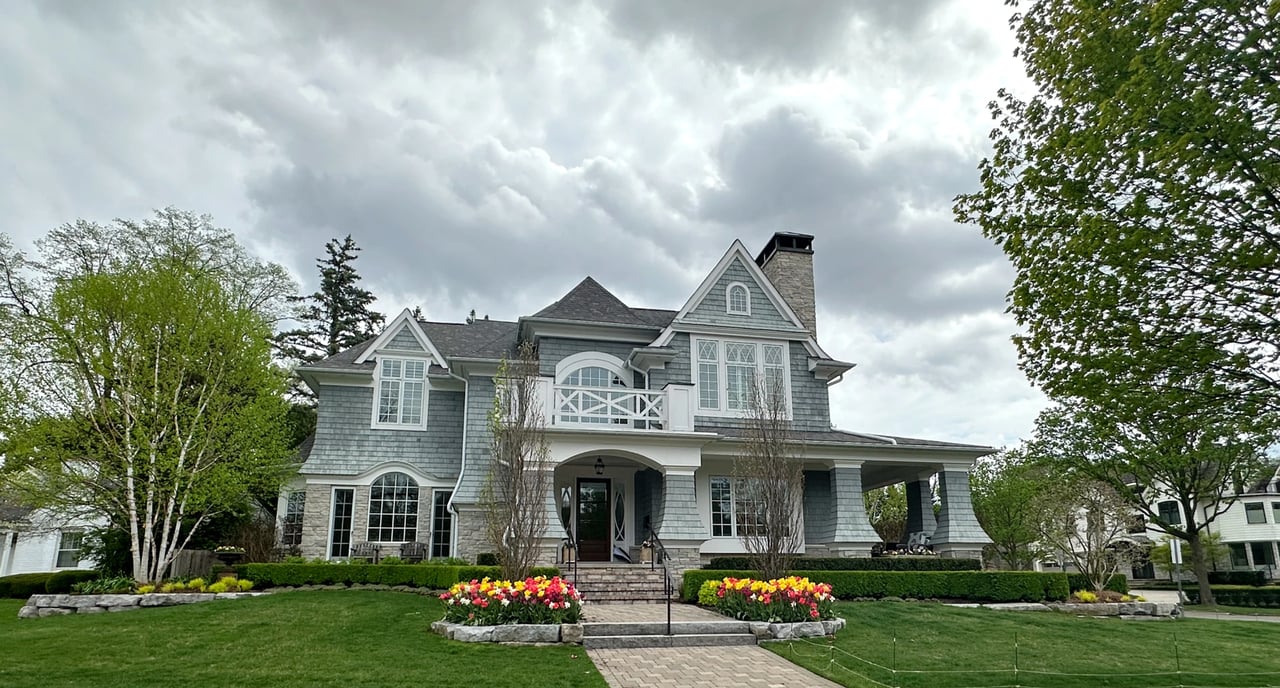
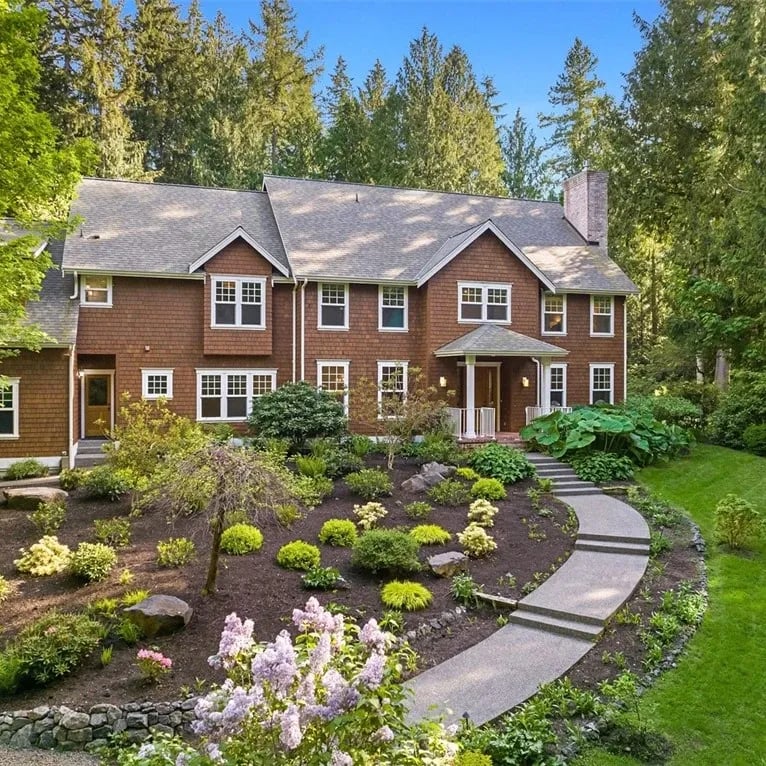
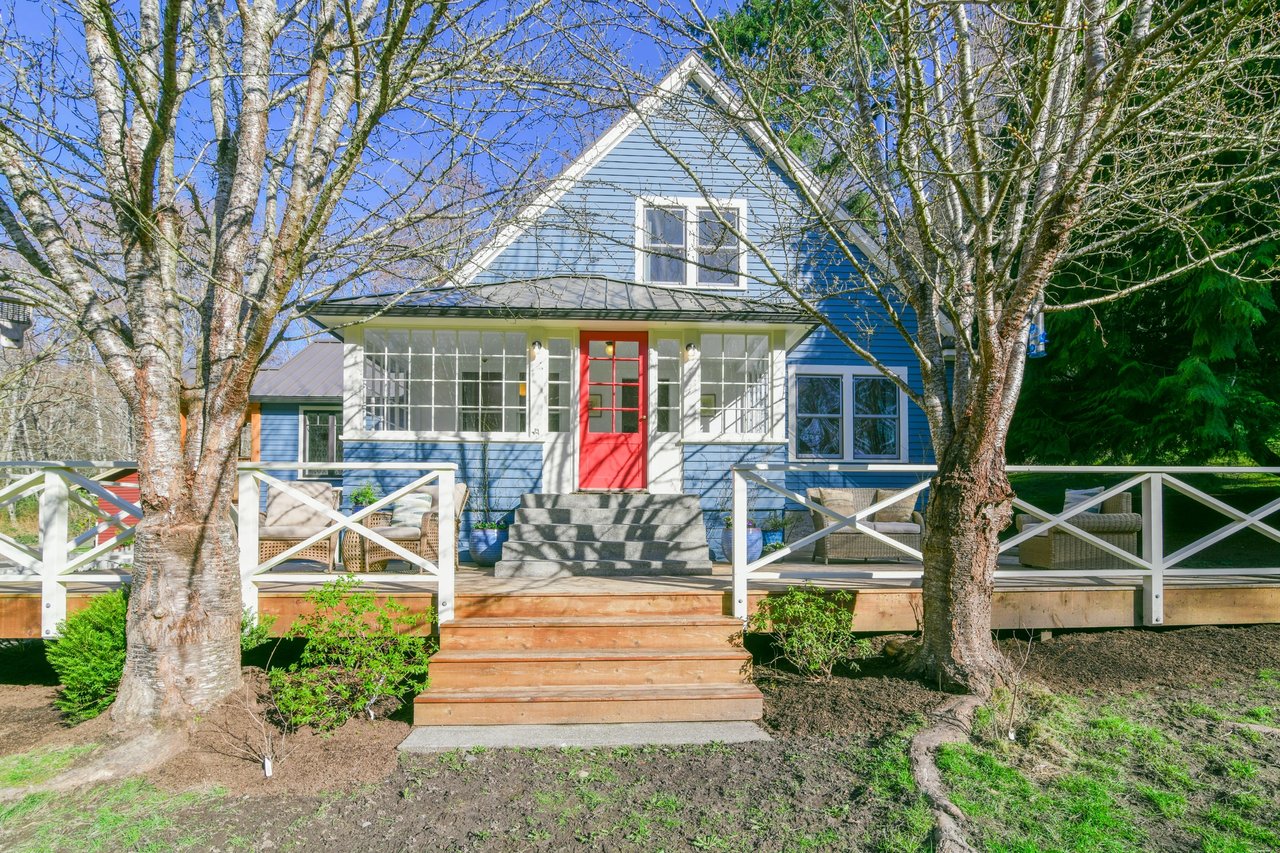
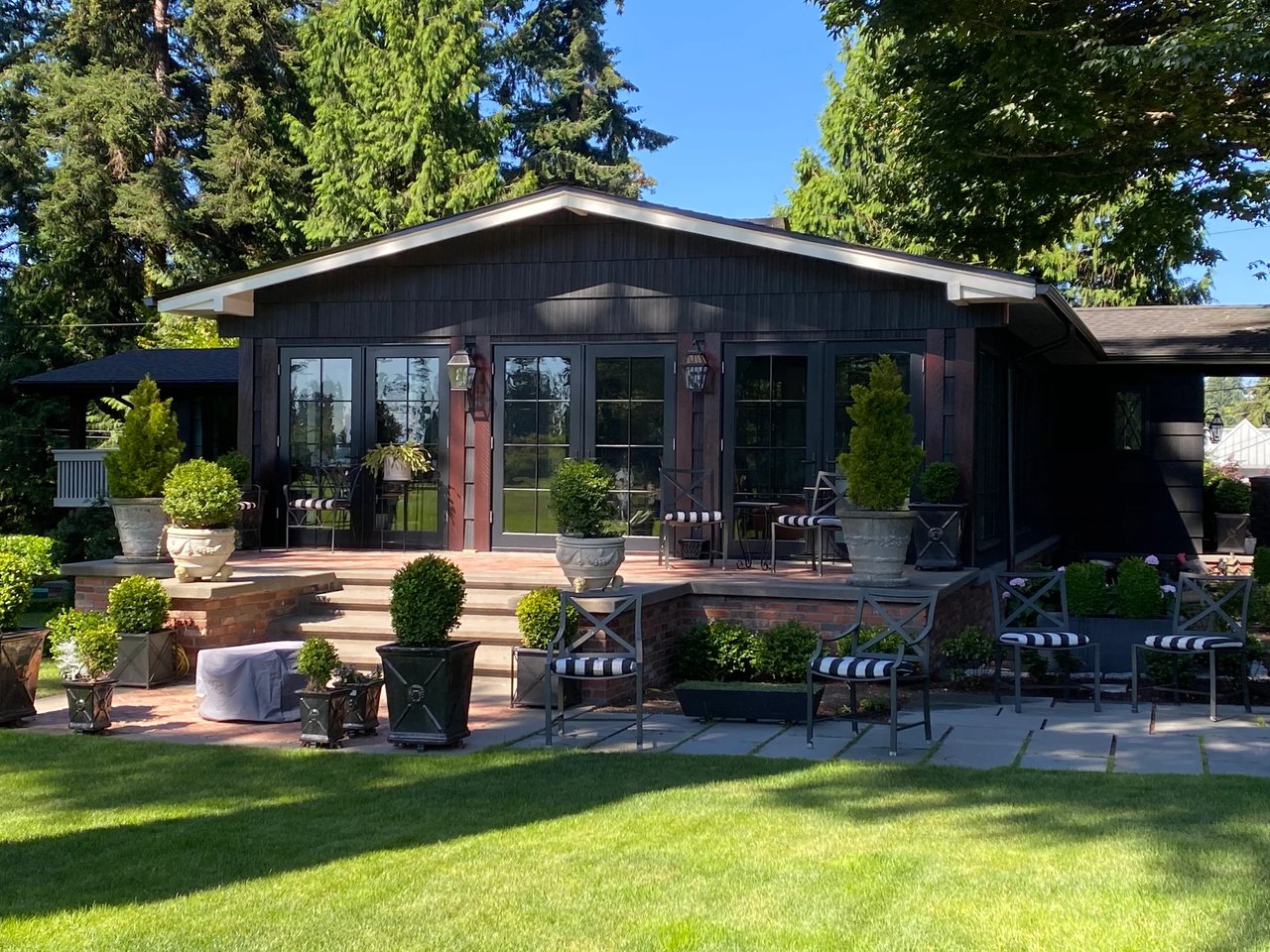
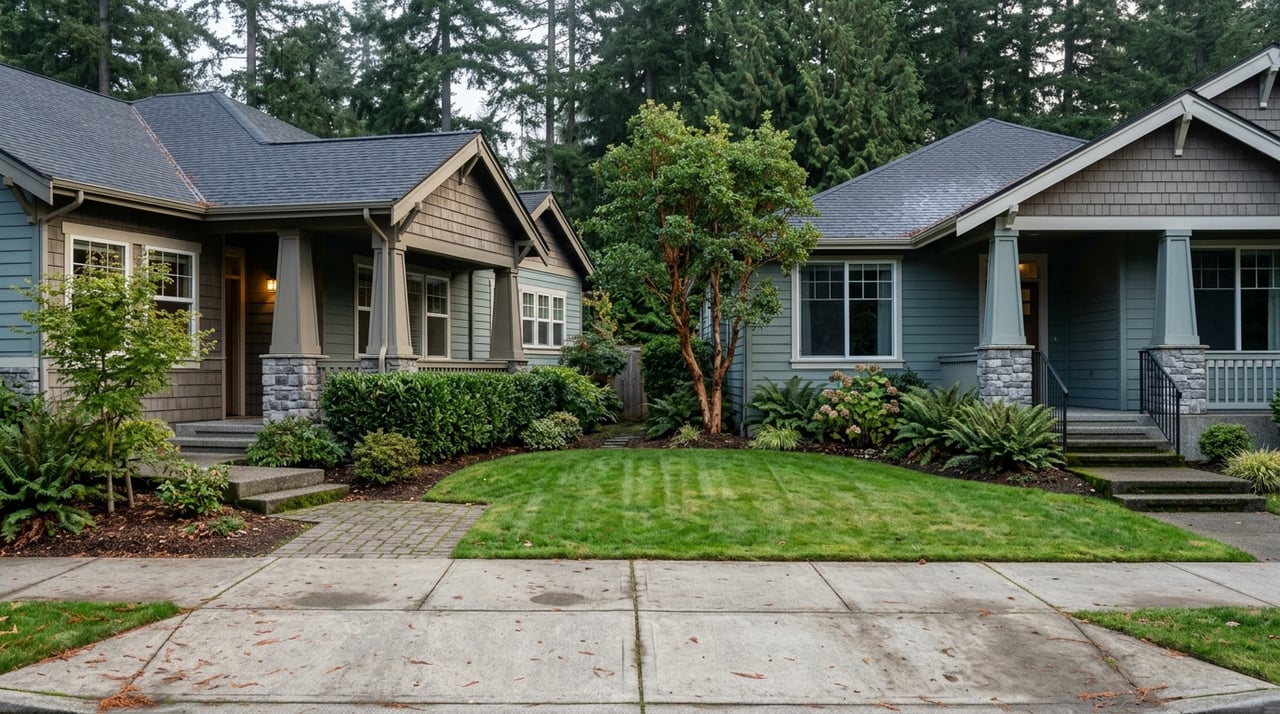
Fort Ward’s built character reflects its military-era roots. City design guidance says new development should reflect, but not replicate, the historic architectural character found on streets such as Parkview Drive, Evergreen Avenue, and Soundview Drive.
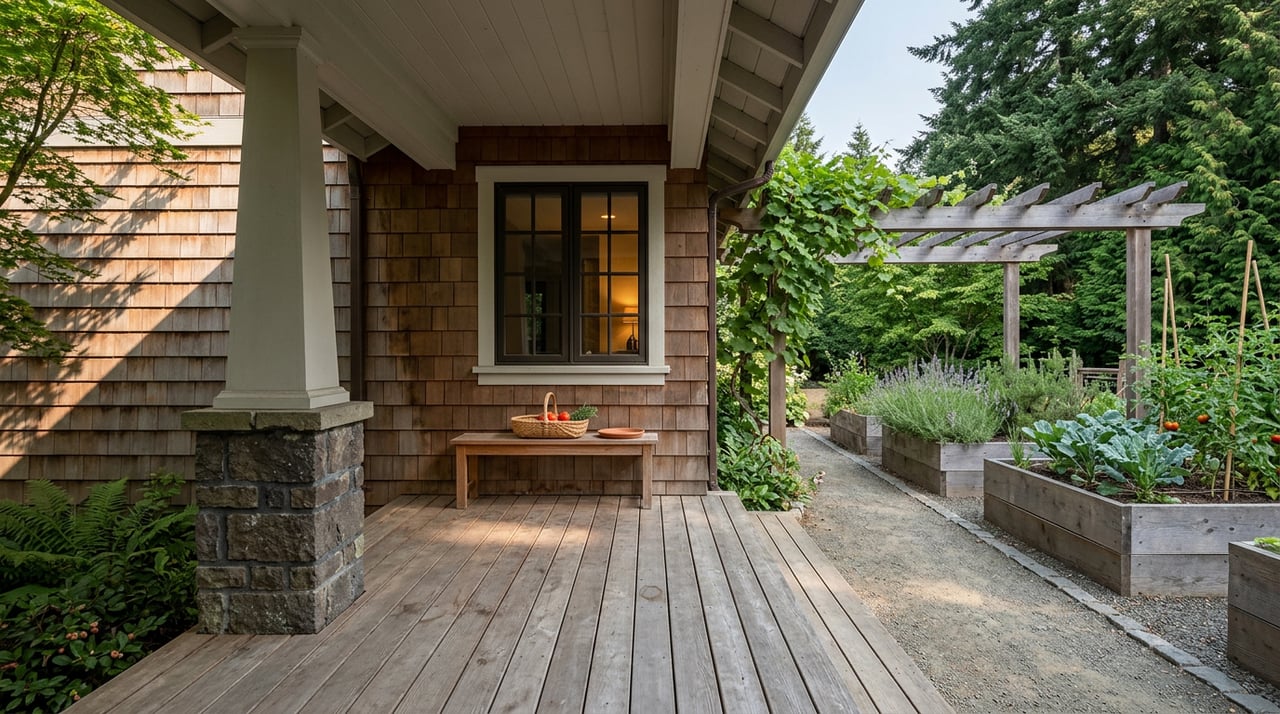
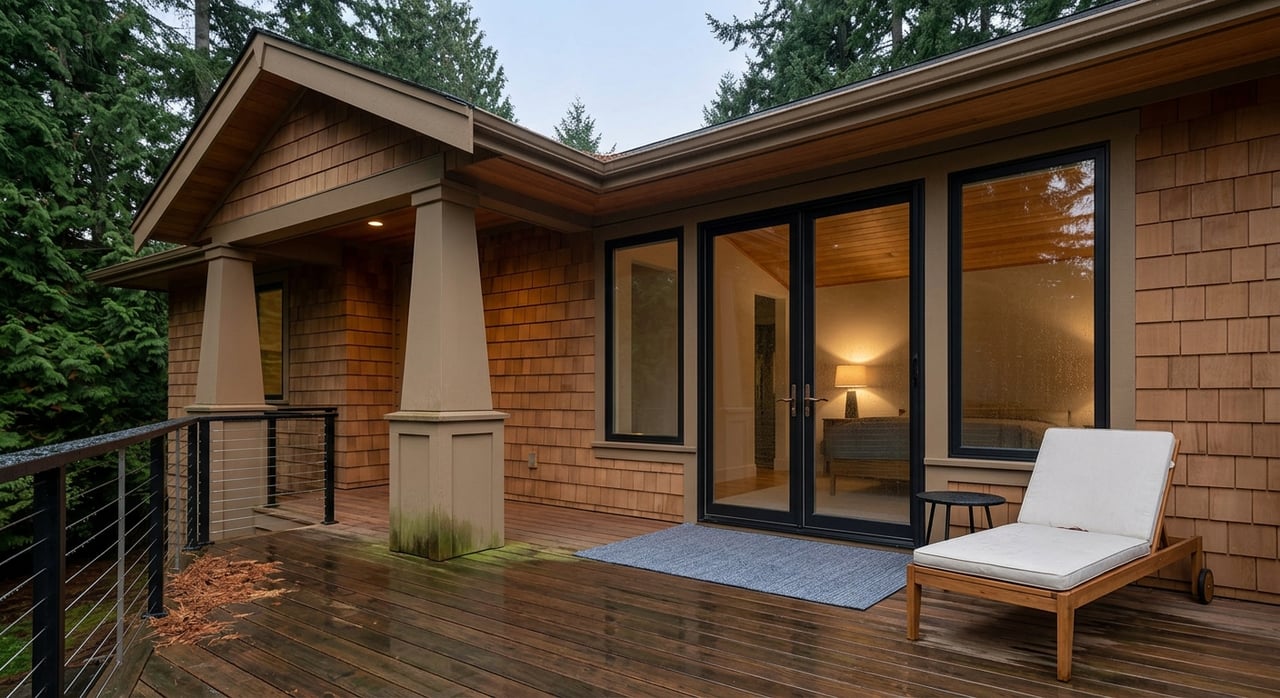
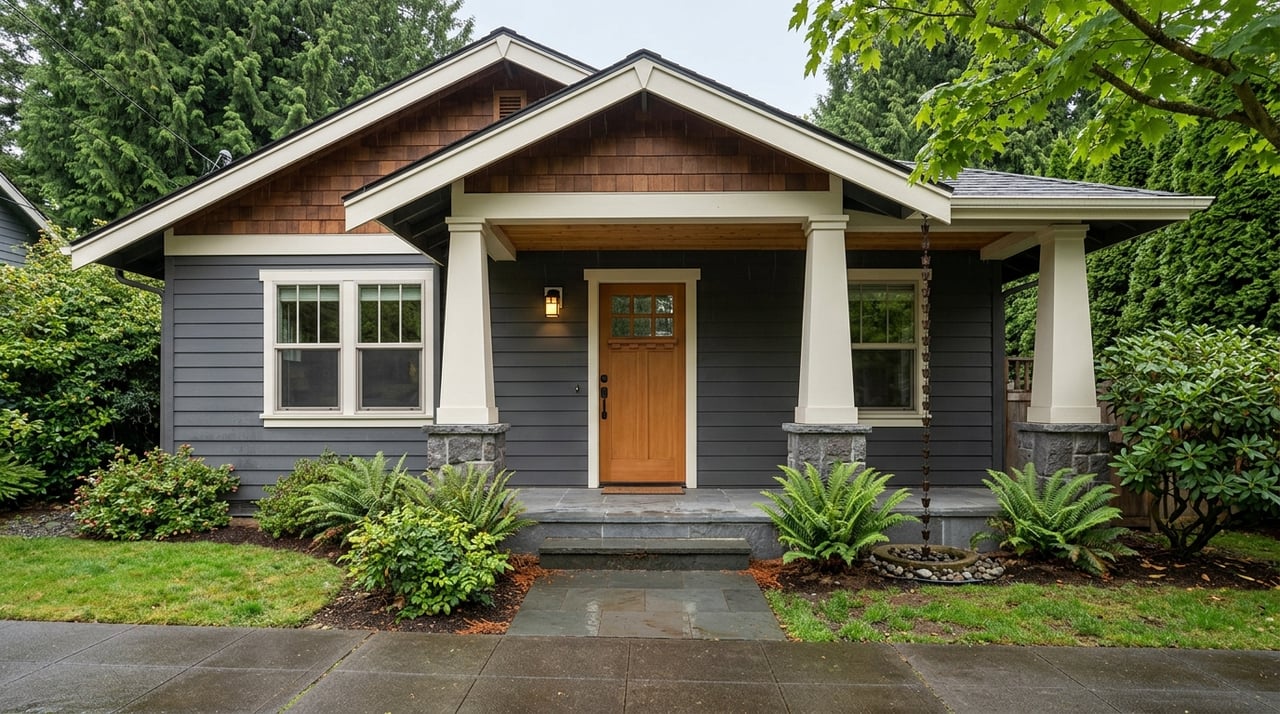
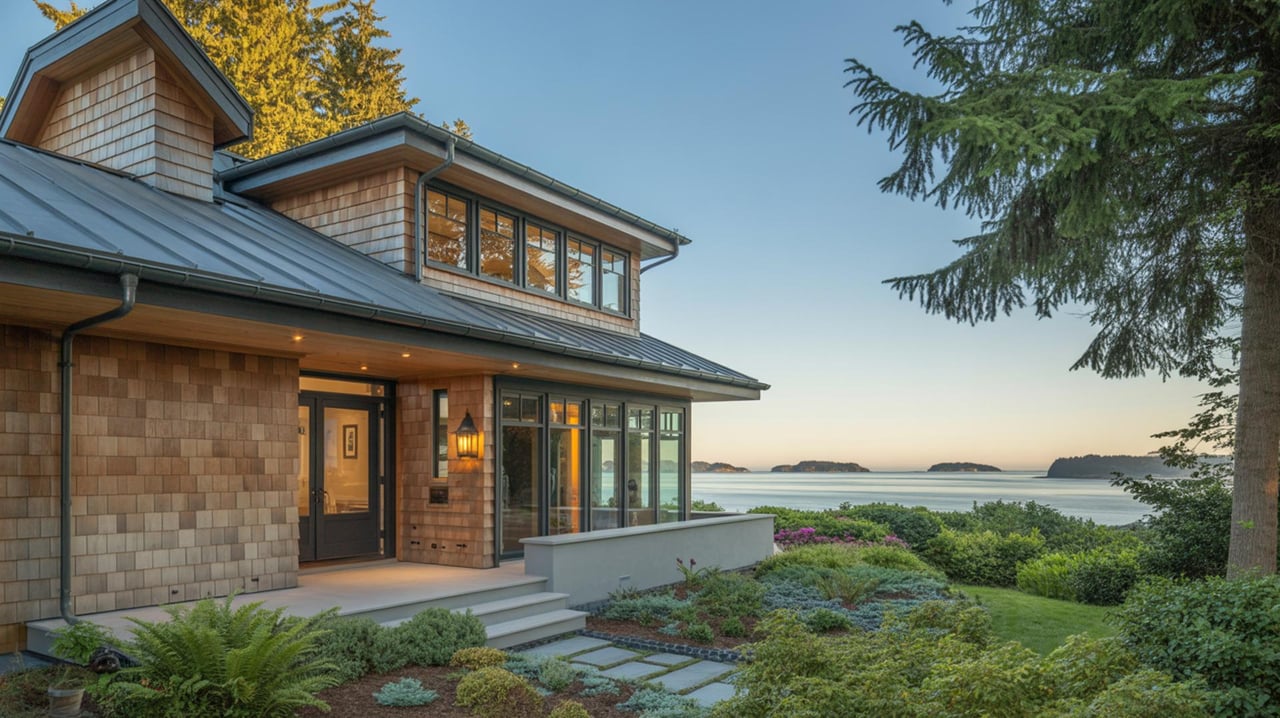
That guidance encourages features like pitched roofs, roof overhangs, textured siding or masonry, broad window trim, and paint colors tied to turn-of-the-20th-century types. It also favors front porches, stoops, bay windows, dormers, and garages that are set back or screened.
What That Means for Buyers
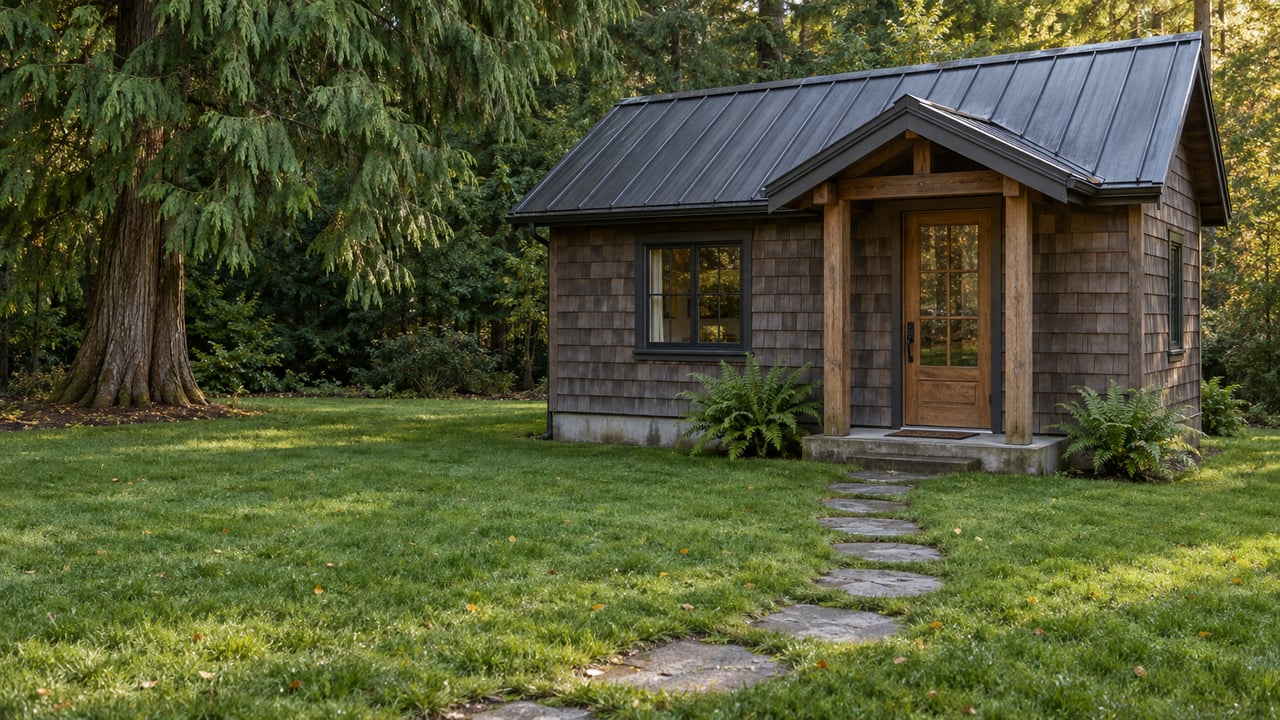
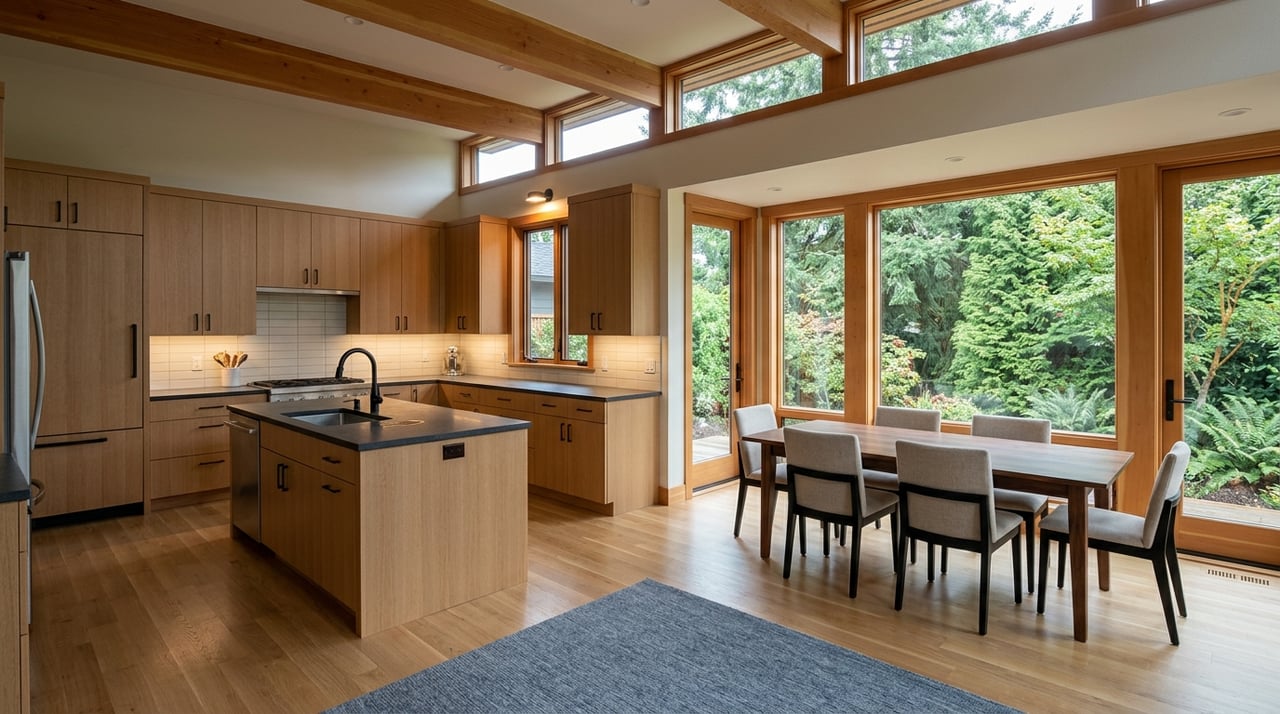
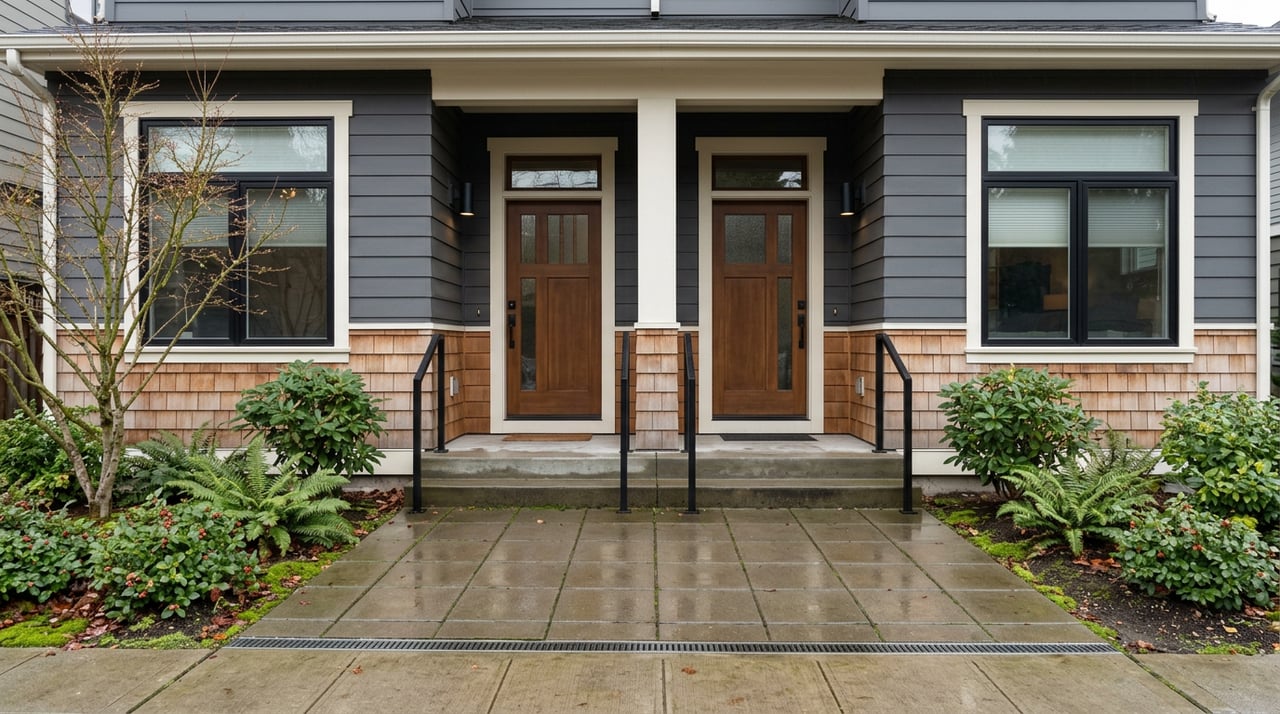
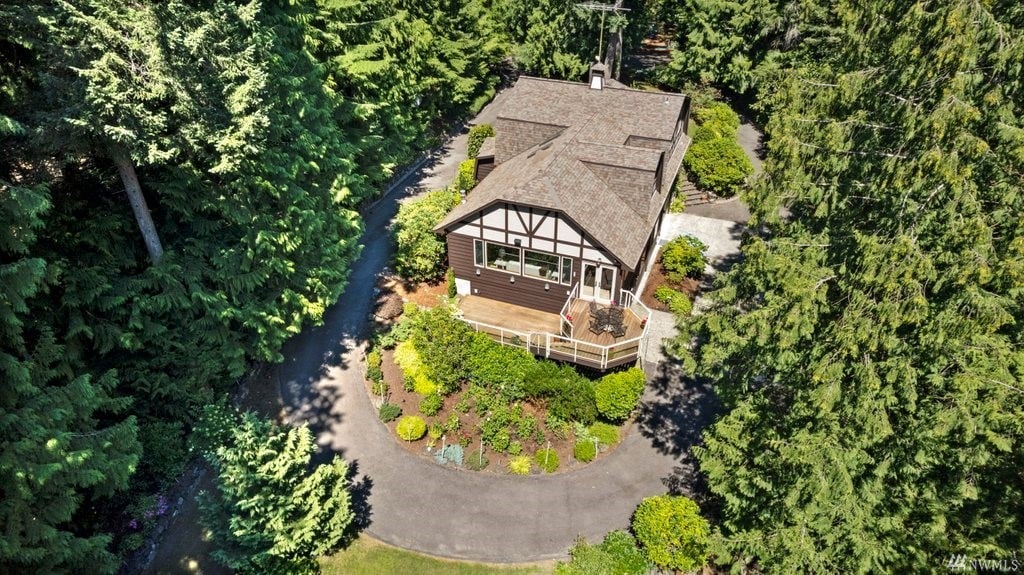
In real life, Fort Ward often reads as a mix of historic homes, thoughtfully remodeled older houses, and newer infill designed to fit the surrounding context. You may notice fewer visually dominant garages, more open-looking streetscapes, and details that support a traditional neighborhood feel.
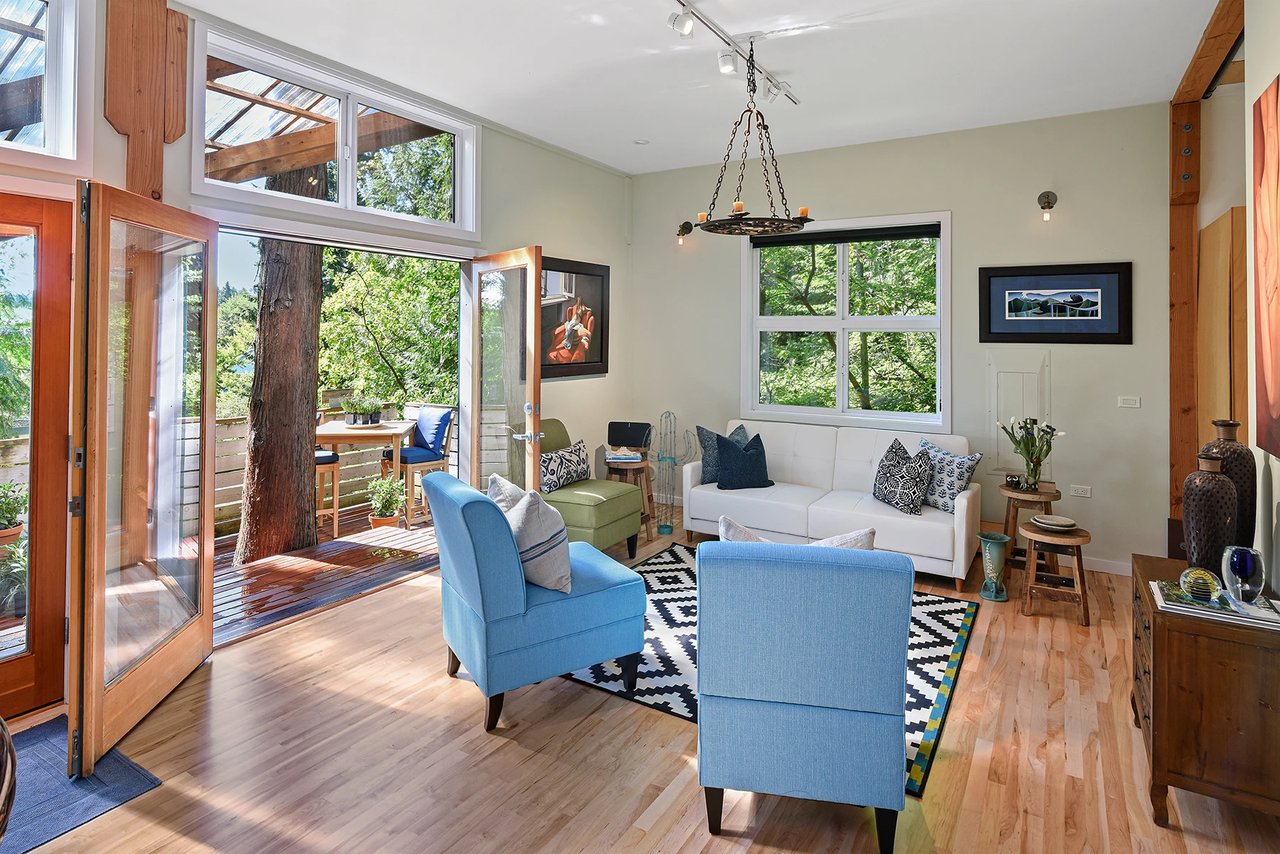
City guidance also discourages large panes of glass, long blank facades, picture windows, and oversized street-facing walls. That helps preserve a more cohesive look across the neighborhood, even when homes vary in age.
Lot Patterns and Neighborhood Layout
Fort Ward is not just defined by architecture. Its lot patterns and access design also matter.
The city’s Fort Ward guidance encourages walking trails, links to open space, and in some areas shared driveways or alleys, especially on smaller lots under 7,000 square feet and along Fort Ward Hill Road. That suggests parts of the neighborhood were planned with tighter connections and more shared access than a typical suburban layout.
For you, this means lot shape, frontage, and access deserve close attention during a home search. A property may feel more connected to nearby open space and trail systems, but it may also come with design or access patterns that are different from what you have seen elsewhere on Bainbridge.
Streetscape Expectations
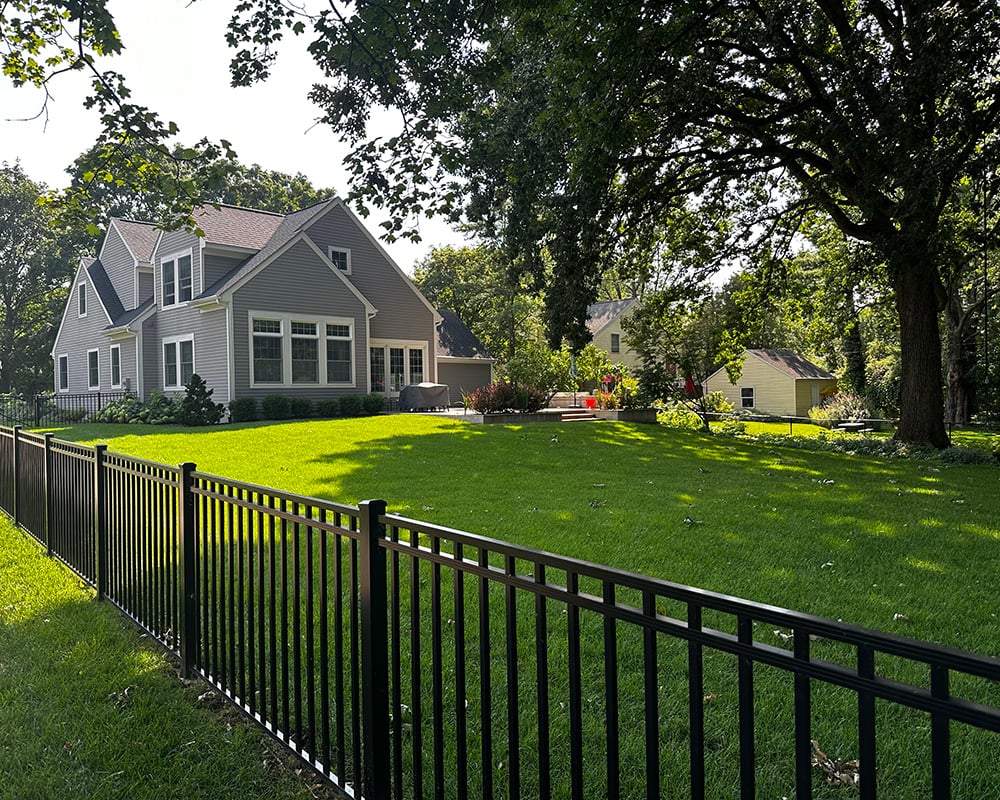
City guidance says houses should sit back from the street, while garages should be placed to the rear or side and screened where possible. The goal is to keep the streetscape visually open and consistent with historic character.
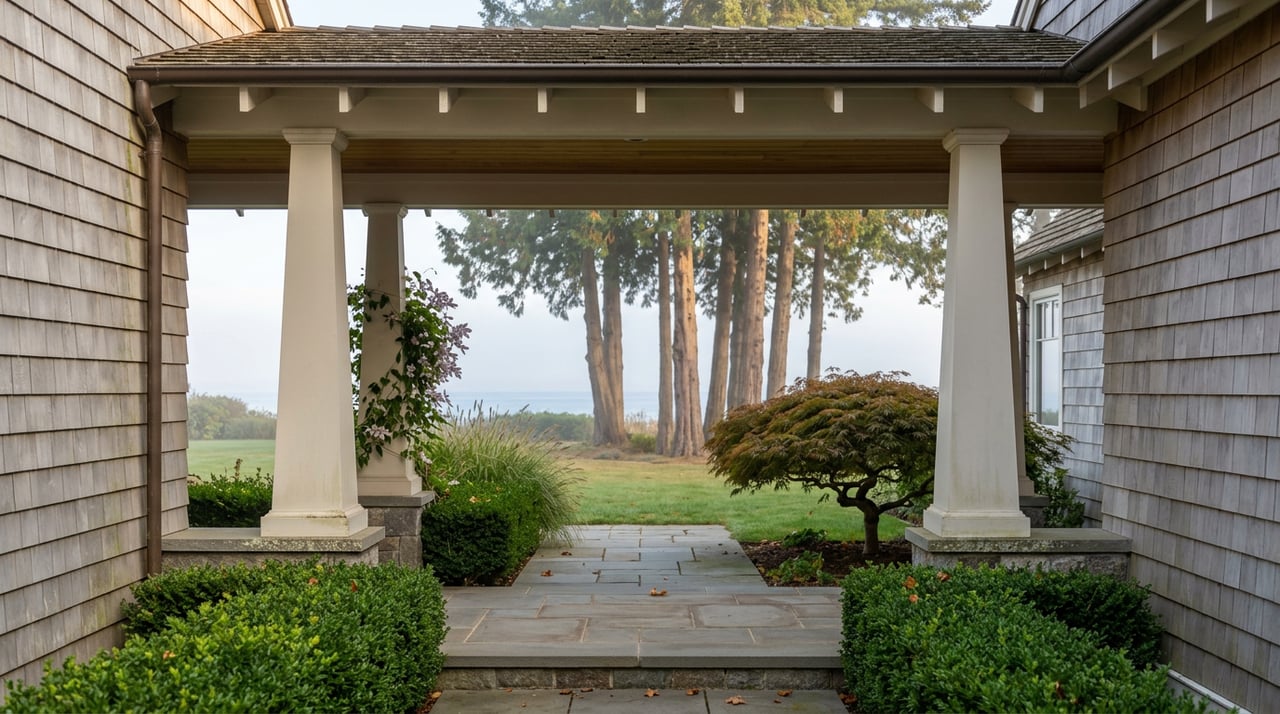
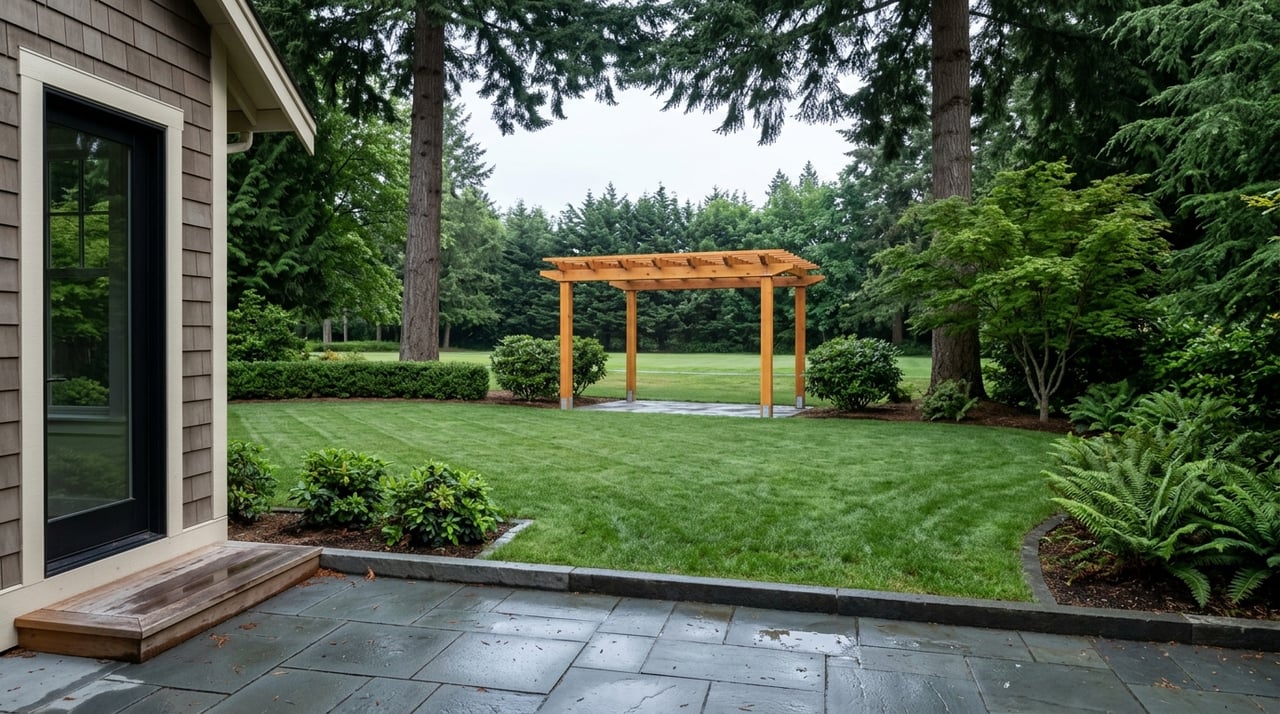
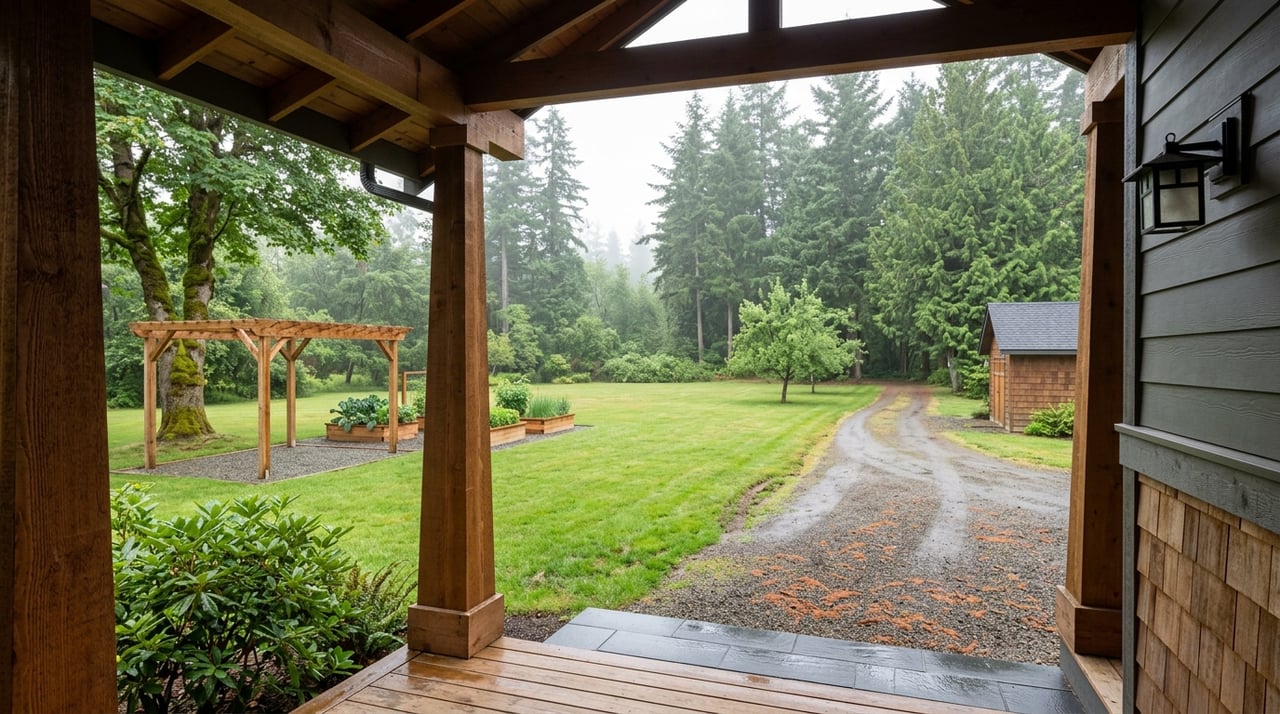
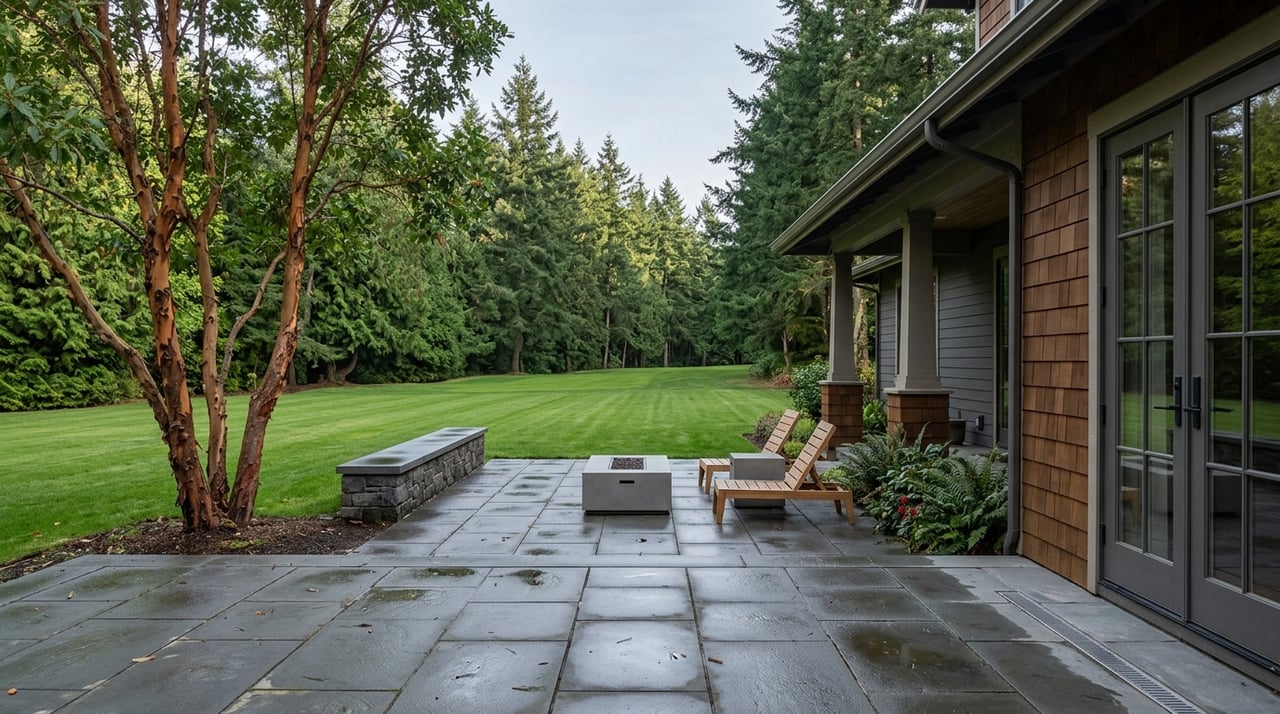
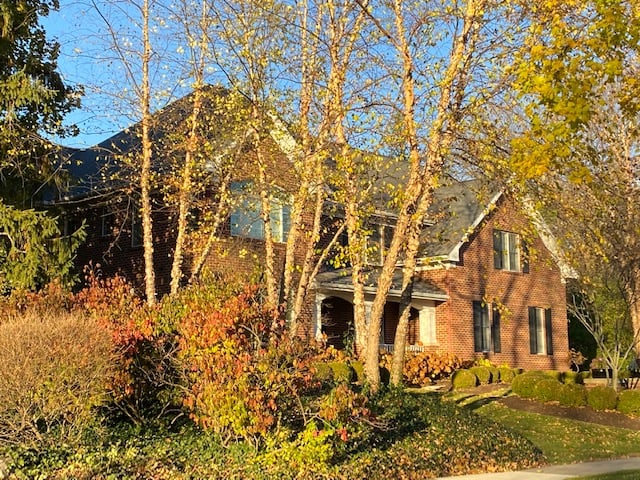
That usually means mature trees, setbacks, and open views along the street are part of the neighborhood experience. These details can have a real effect on how the area feels as you walk or drive through it.
Historic Context Matters
Because Fort Ward is part of a historic overlay district, historic sensitivity remains important here. The city’s historic register includes both the Fort Ward Historic District and the Fort Ward Hastings House.
For buyers and sellers, that does not automatically mean every property has the same restrictions. The zoning code makes clear that the overlay is about historic character, while underlying uses remain the same as the base zone district.
Still, the historic setting can affect design expectations, neighborhood feel, and how changes are reviewed. If you are considering updates or evaluating a property with remodeling potential, that context is worth understanding early.
Community Spaces and Local Amenities
Fort Ward’s community identity is reinforced by a few important shared spaces. One of the best-known is Fort Ward Hall at 9705 Evergreen Ave NE, one of the original fort-complex buildings.
Today, the restored hall is used for meetings, classes, and community events. The neighborhood also includes Fort Ward Parade Grounds Park, a smaller park of about 1.5 acres that adds another public gathering space.
These places help Fort Ward feel rooted in shared history, not just residential development. For many buyers, that kind of neighborhood continuity is part of what makes the area memorable.
HOA and Plat Due Diligence
If you are buying in Fort Ward, due diligence matters. The city advises buyers to review the recorded plat, CC&Rs, and any neighborhood-association rules because plat requirements may be recorded with the plat itself, and not all properties are in a plat or have special conditions.
That is especially important in a neighborhood where design character, access patterns, and landscape maintenance may vary from one property to another. Publicly owned landscape areas are maintained by the city, while other landscaping may be maintained by the owner or a neighborhood association.
What to Review Before You Buy
A careful review should include:
- The recorded plat, if there is one
- CC&Rs and any neighborhood rules
- Dues, assessments, and reserve obligations if an association applies
- Exterior maintenance responsibilities
- Access arrangements such as shared driveways or alley-style entry
Even in a neighborhood that feels low-key, these documents can shape your ownership experience.
Shoreline Rules for Some Properties
The shoreline is a major part of Fort Ward’s appeal, but it can also add another layer of review. The city says development within 200 feet of the shoreline must comply with Shoreline Master Program standards.
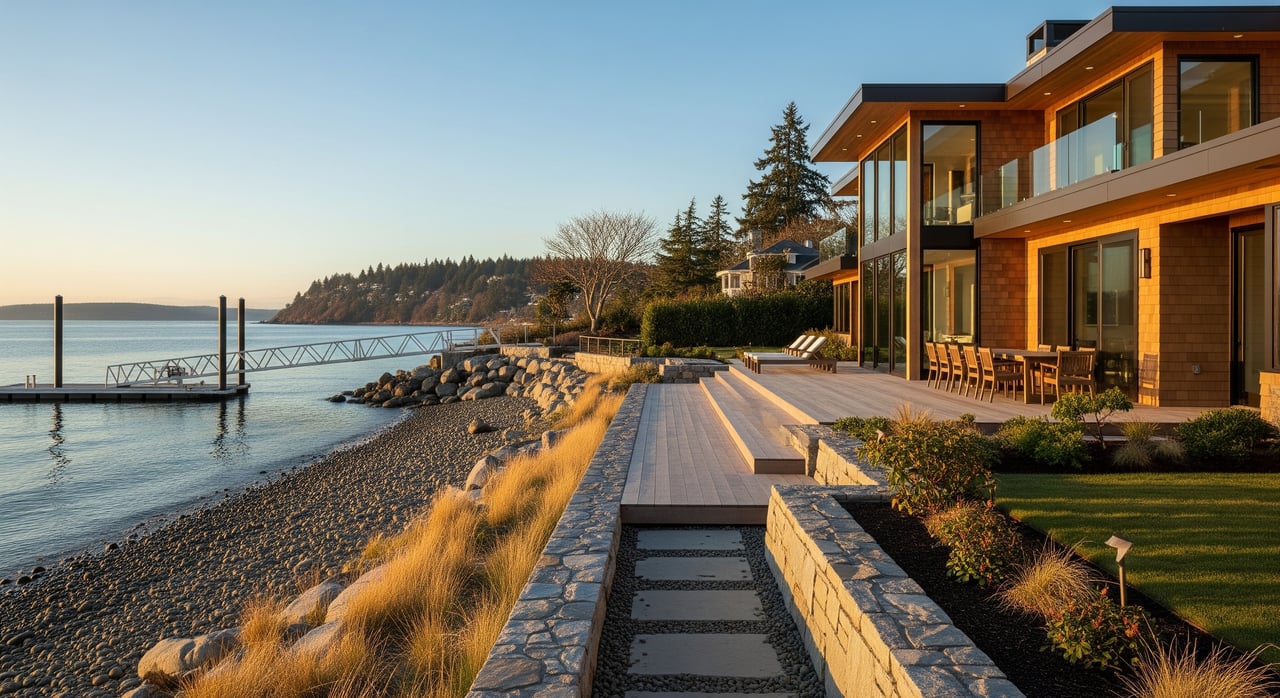
For you, that means waterfront or near-water parcels may involve different permitting and design considerations than inland properties. If a home’s setting near the water is part of its appeal, it is wise to understand those standards before you make plans for changes or improvements.
Is Fort Ward Right for You?
Fort Ward may be a strong fit if you want a Bainbridge neighborhood defined by history, trails, shoreline access, and a quieter residential feel. It can be especially appealing if you value context-sensitive architecture, open space, and a setting that feels more park-centered than commercial.
It may require a little more homework than some neighborhoods. Historic character, plat details, association documents, and shoreline rules can all matter depending on the property.
That is where local guidance becomes especially valuable. When you understand the micro-details of a neighborhood like Fort Ward, you can make a clearer and more confident decision.
If you are thinking about buying or selling in Fort Ward, McLaughlin & Co. can help you evaluate the neighborhood block by block and property by property. Make time for coffee and schedule a consultation.
FAQs
What is Fort Ward on Bainbridge Island known for?
- Fort Ward is known for its historic residential character, preserved open space, shoreline access, trails, and roots as a former army fort and navy installation.
What kind of homes are in Fort Ward?
- Fort Ward includes a mix of historic homes, remodeled older houses, and newer infill designed to reflect the neighborhood’s established architectural character.
Does Fort Ward have park and beach access?
- Yes. Fort Ward Park includes shoreline access, trails, picnic areas, camping, a boat launch, and beach access along Rich Passage.
Are there HOA or plat rules in Fort Ward?
- Some properties may have recorded plat conditions, CC&Rs, or neighborhood-association rules, so buyers should review property-specific documents carefully.
Do shoreline properties in Fort Ward have extra review standards?
- Yes. The city states that development within 200 feet of the shoreline must comply with Shoreline Master Program standards.
How does Fort Ward compare with Winslow on Bainbridge Island?
- Fort Ward generally feels more residential and recreation-oriented, while Winslow serves as Bainbridge Island’s town center and commercial hub.