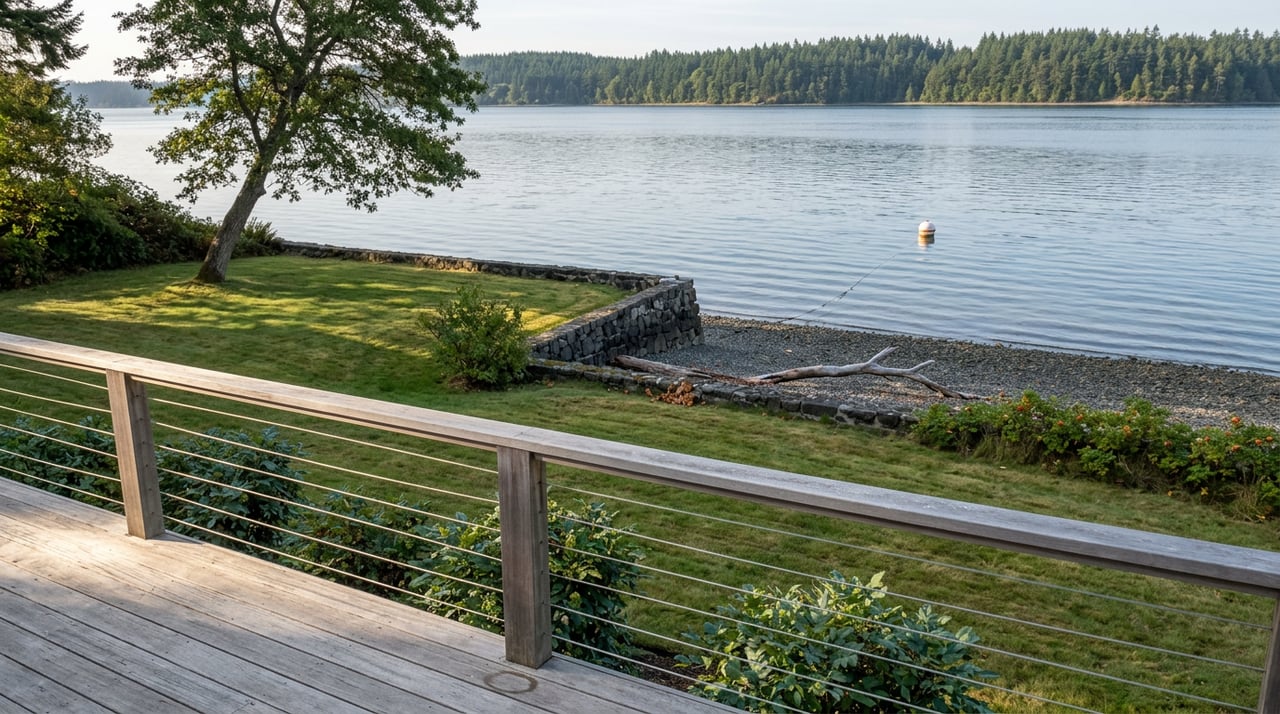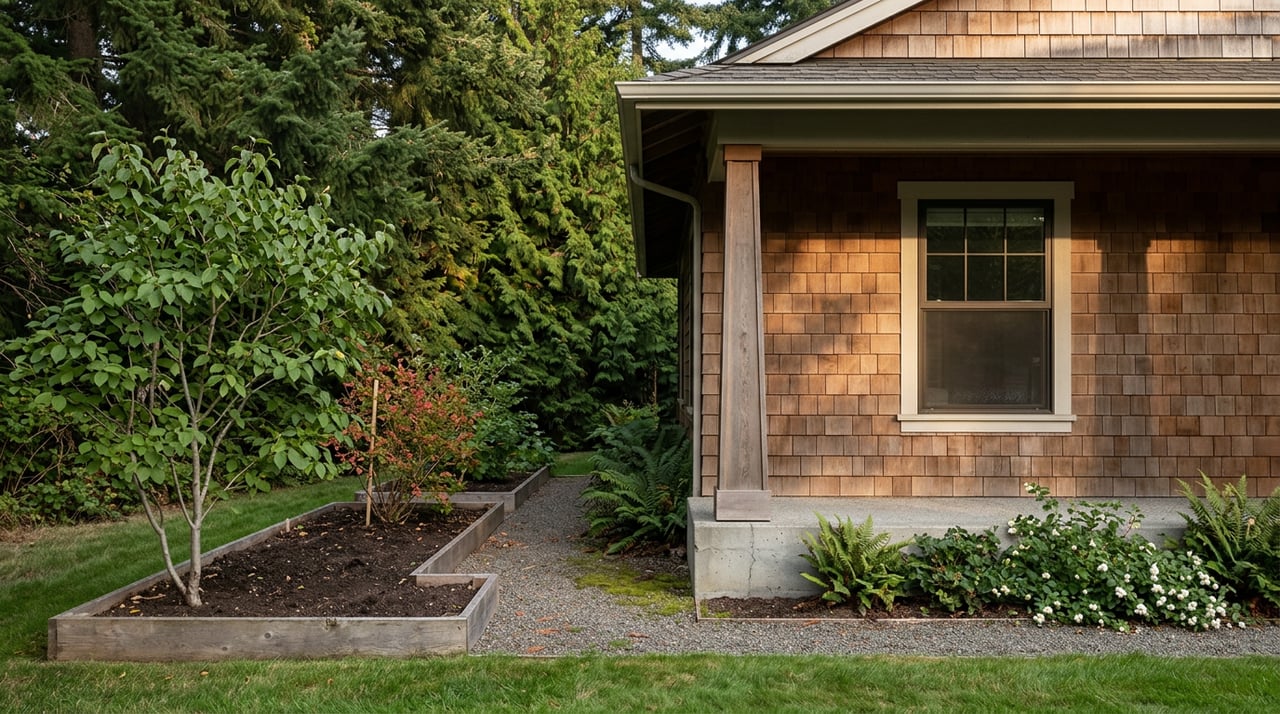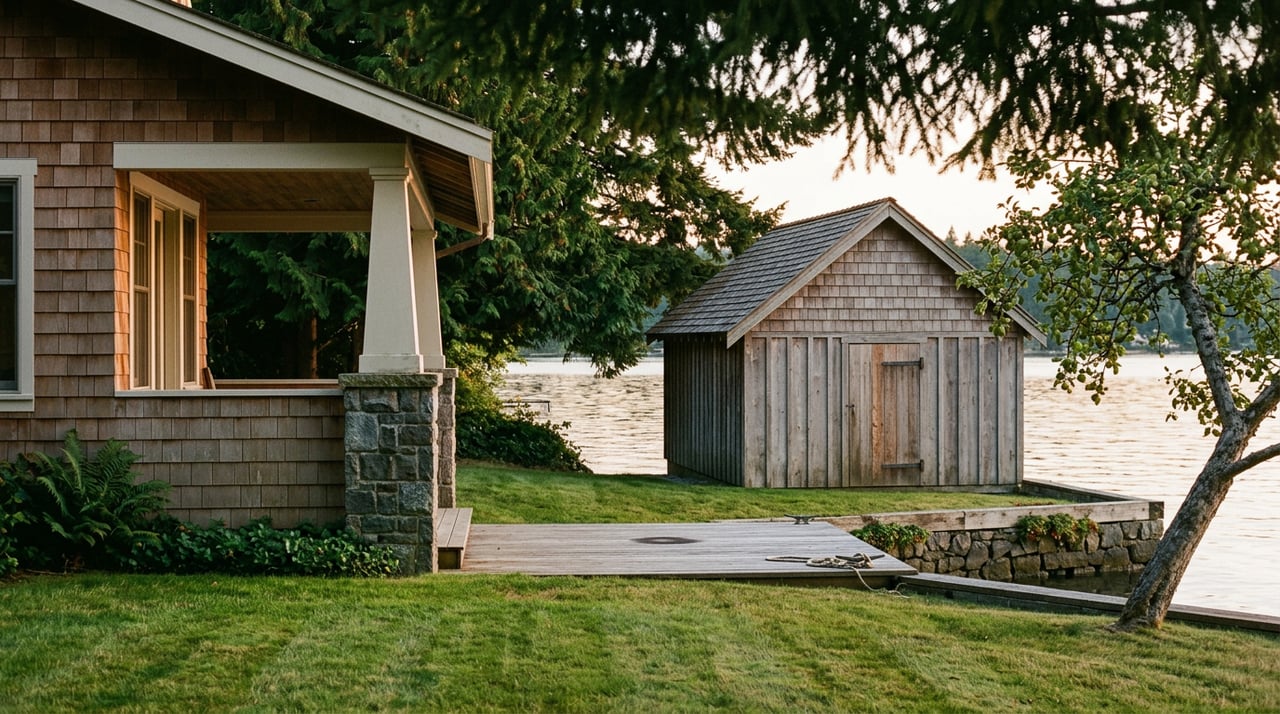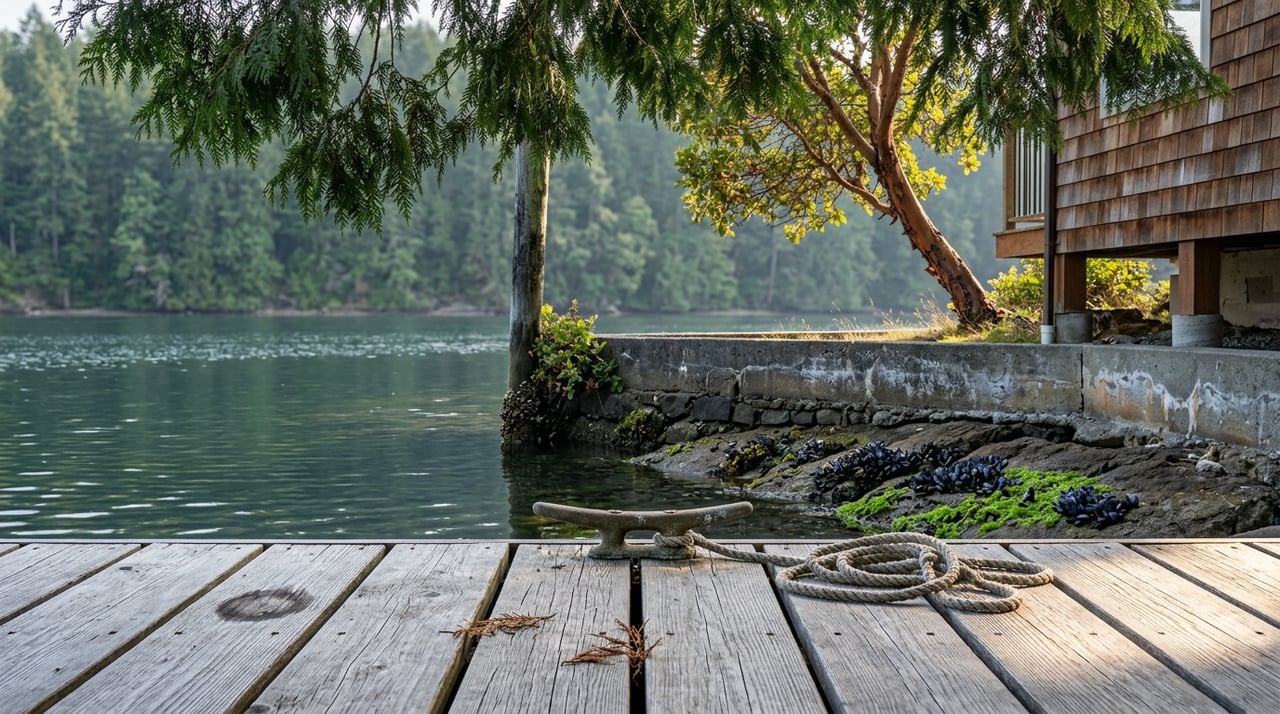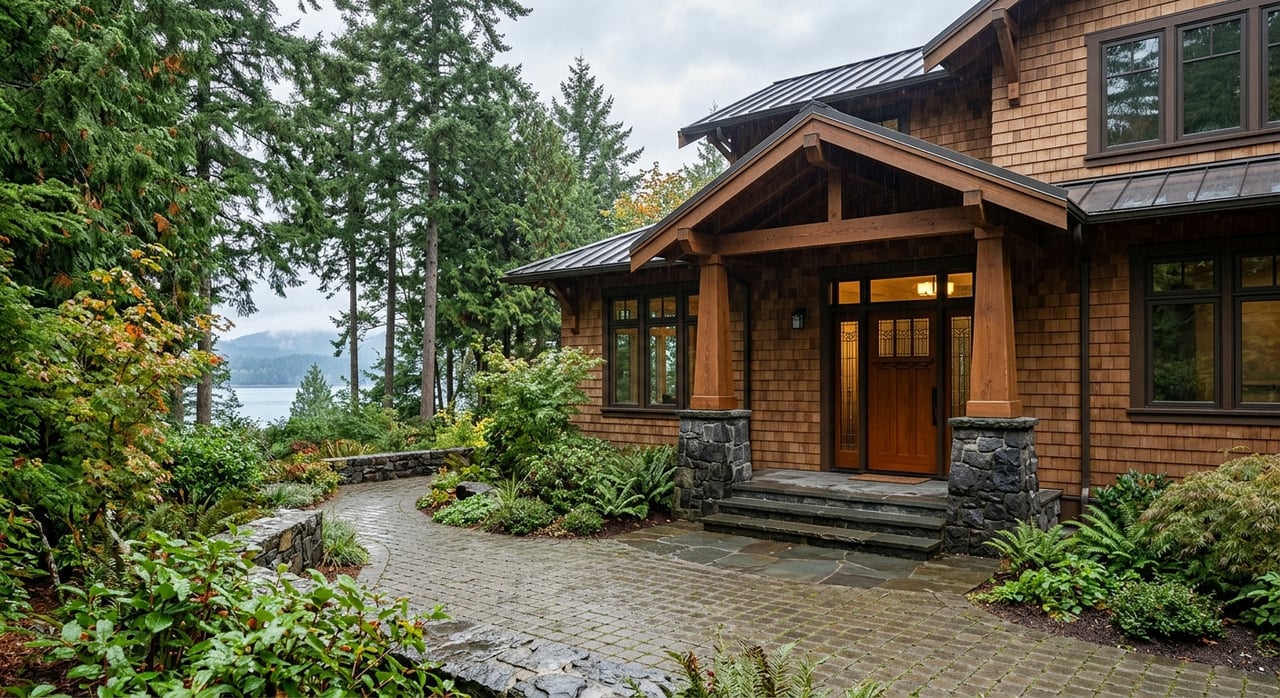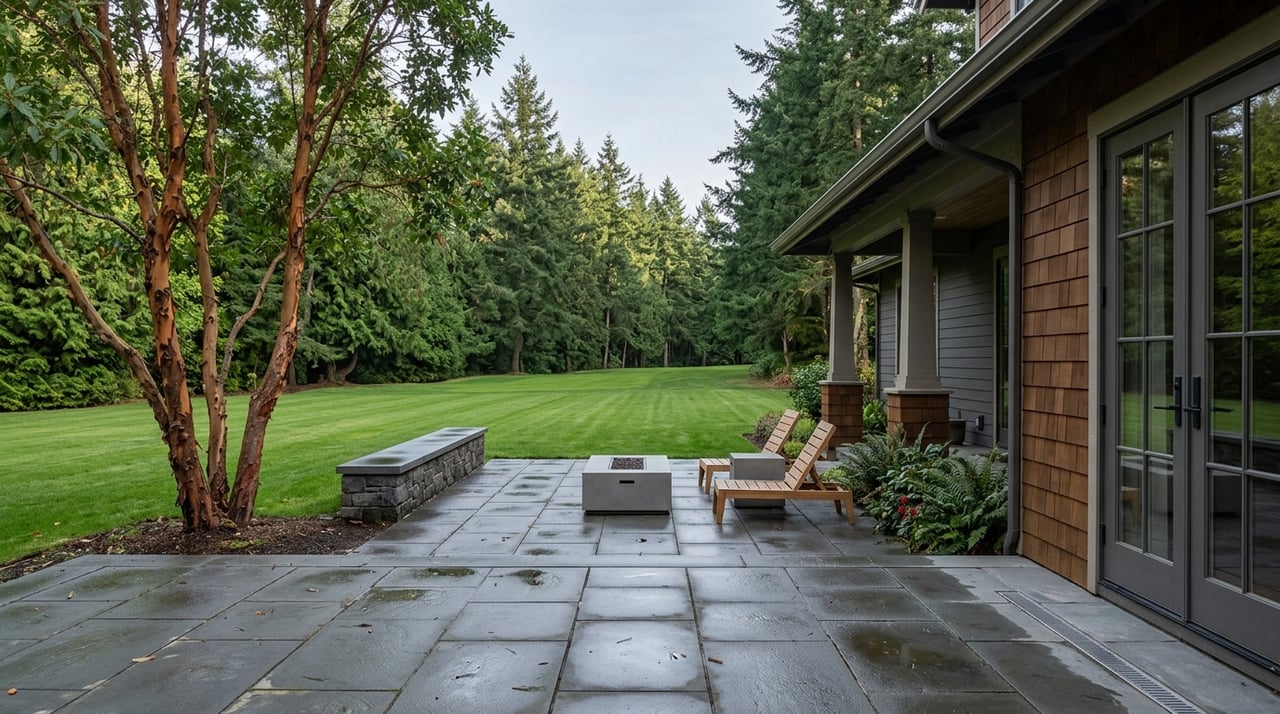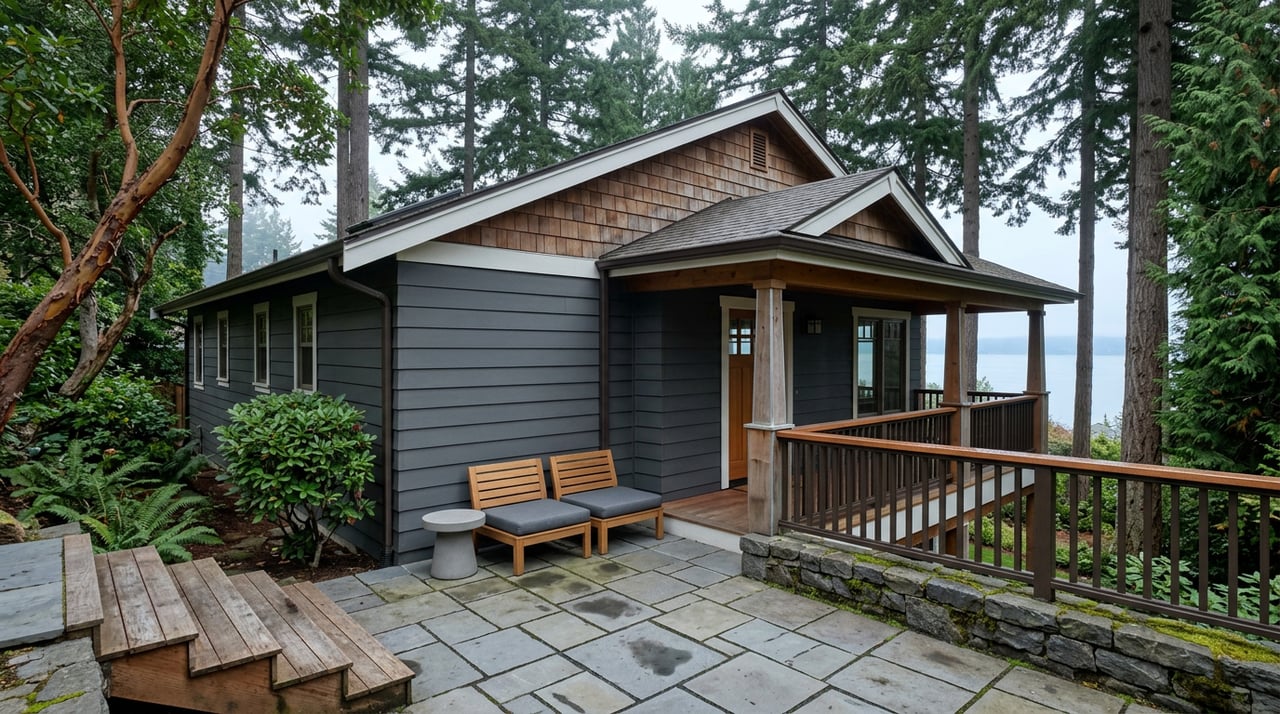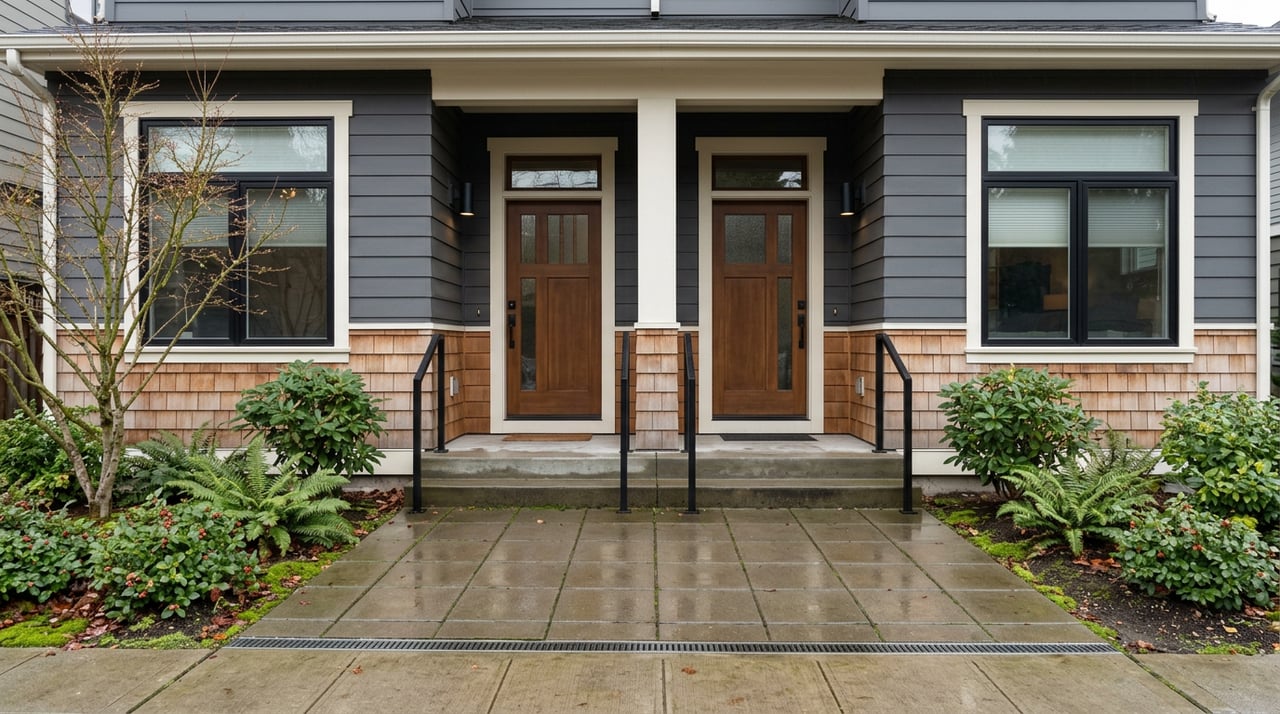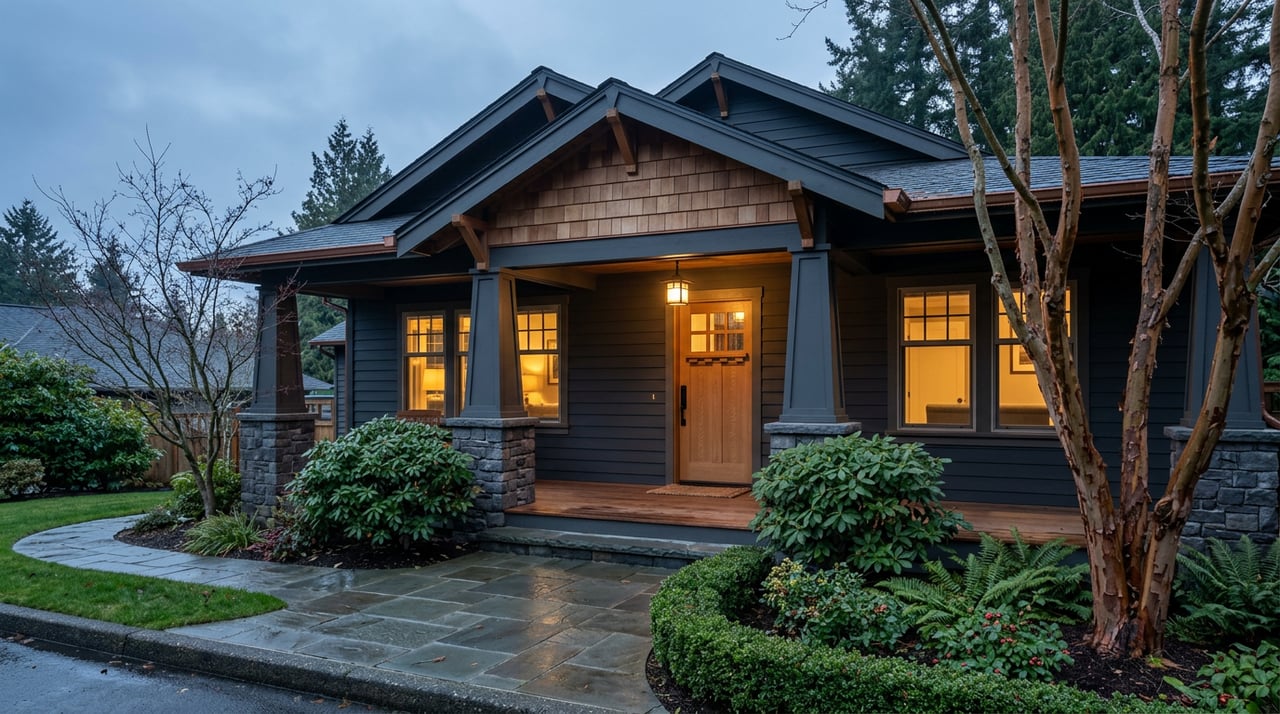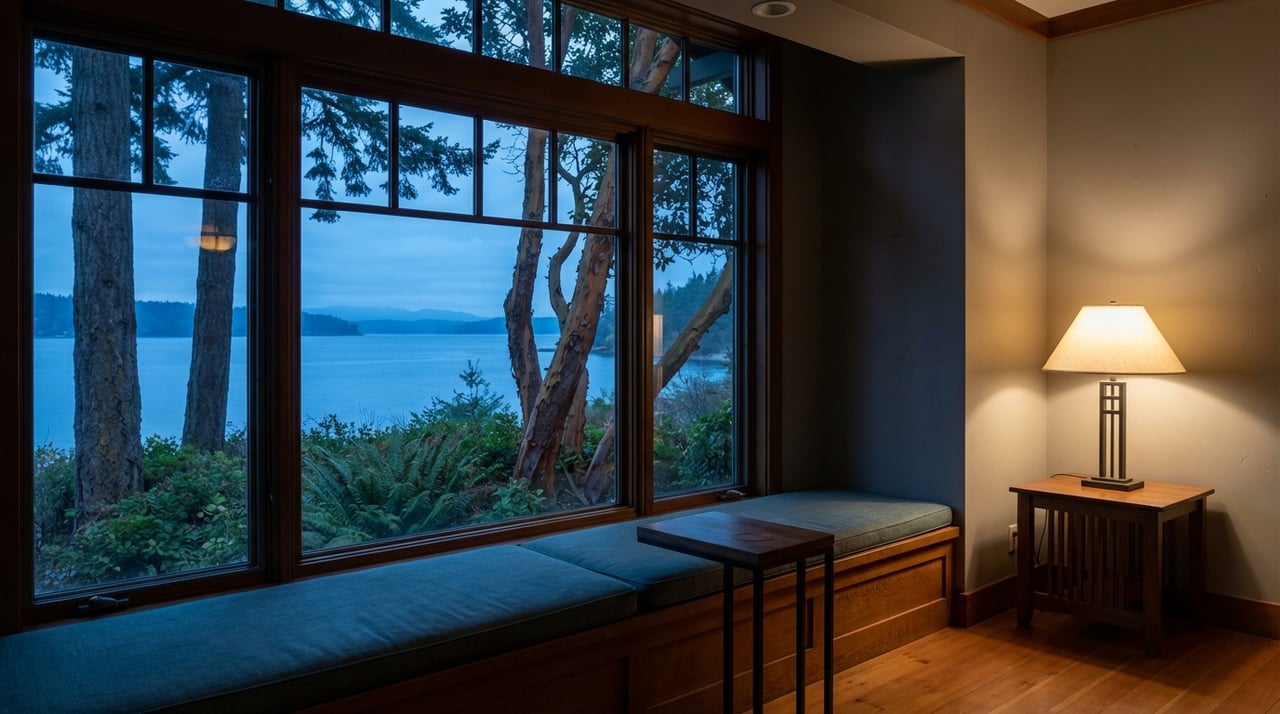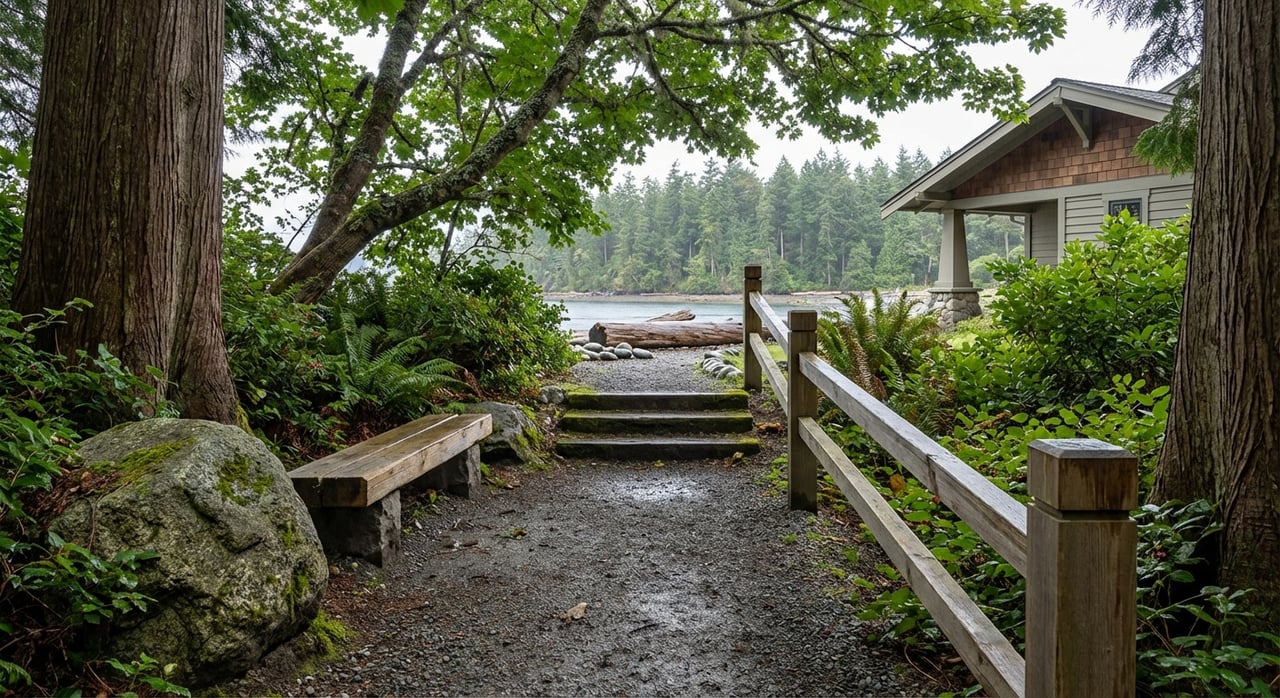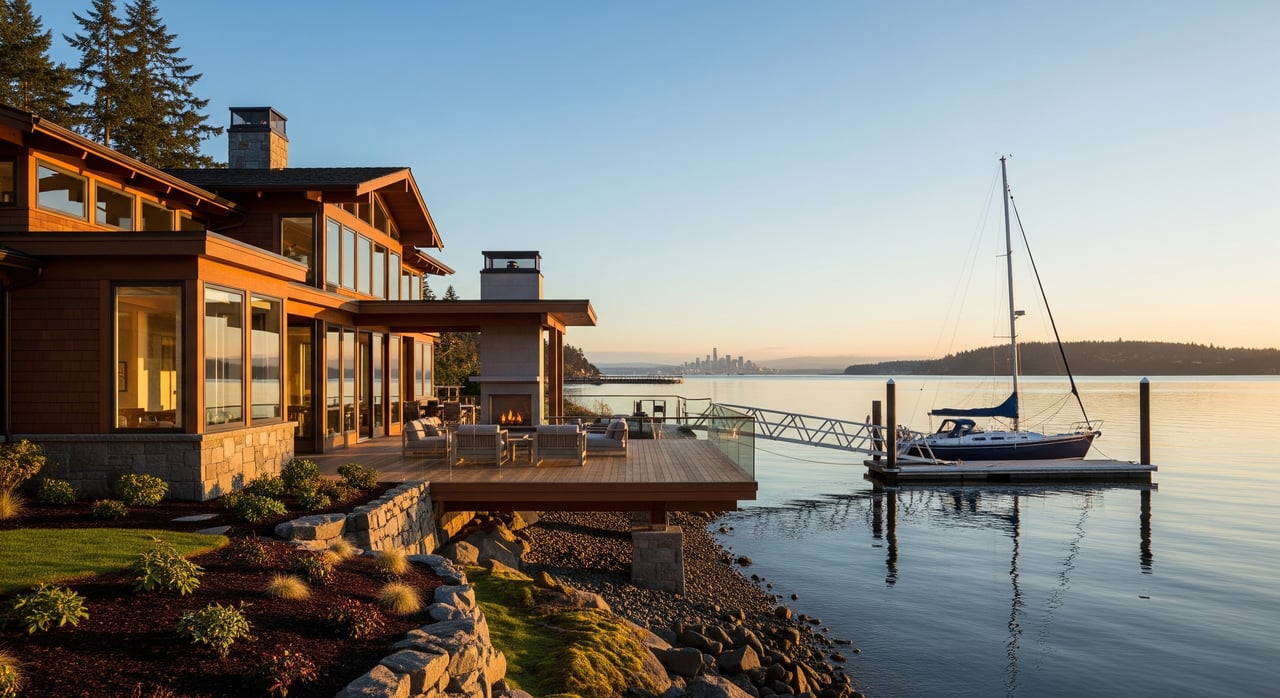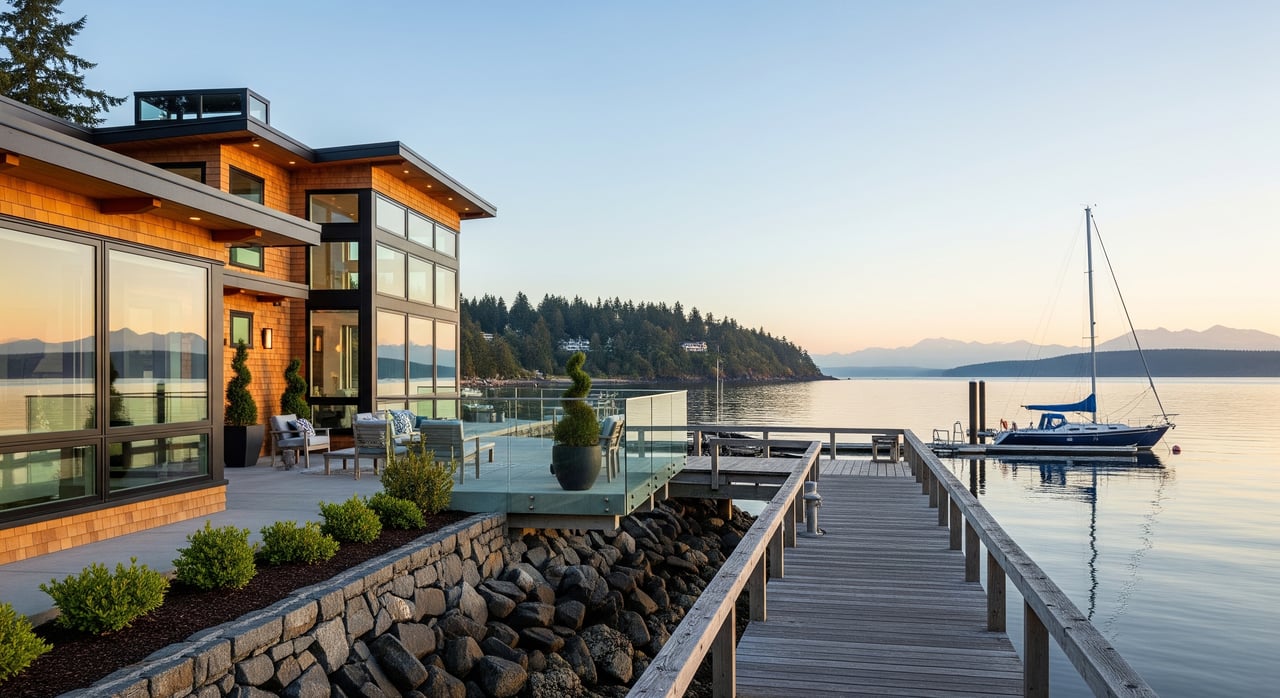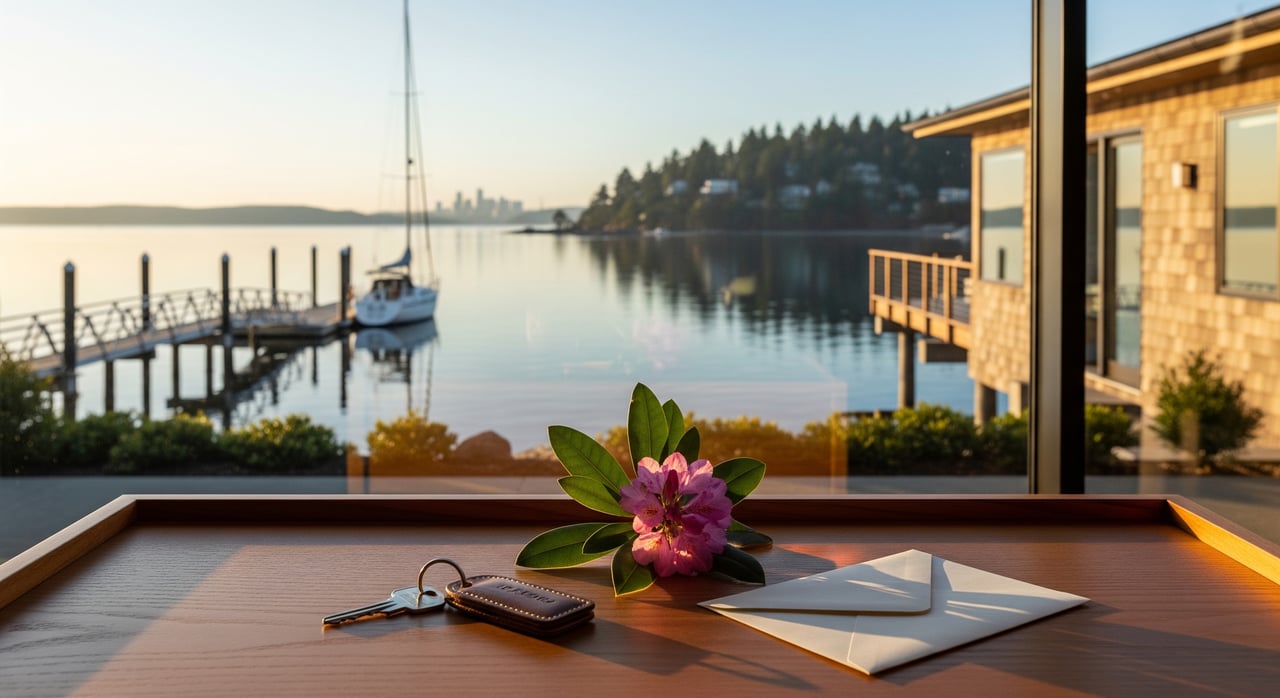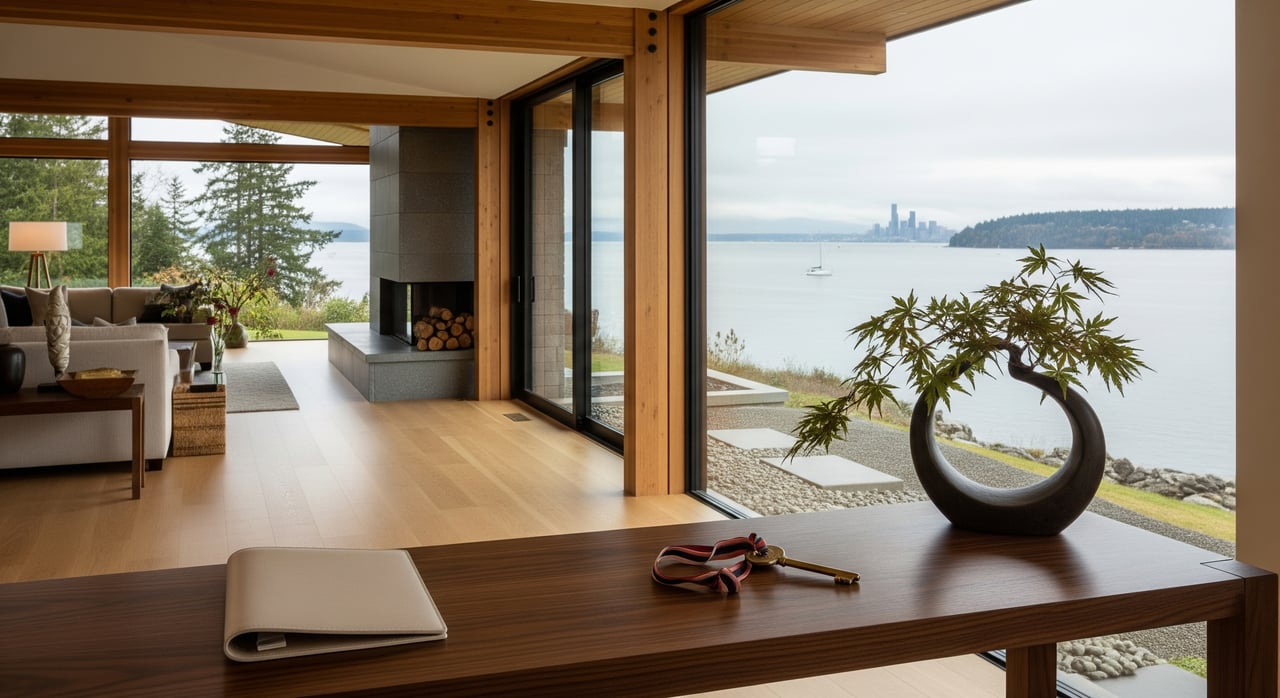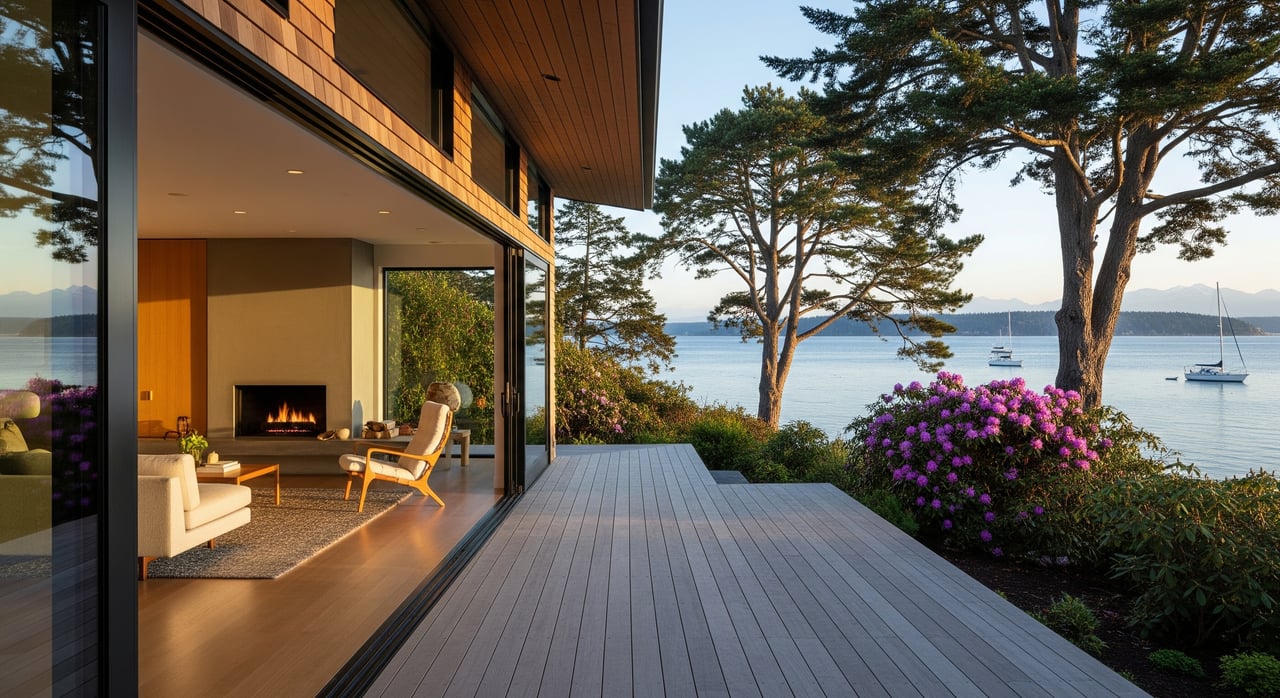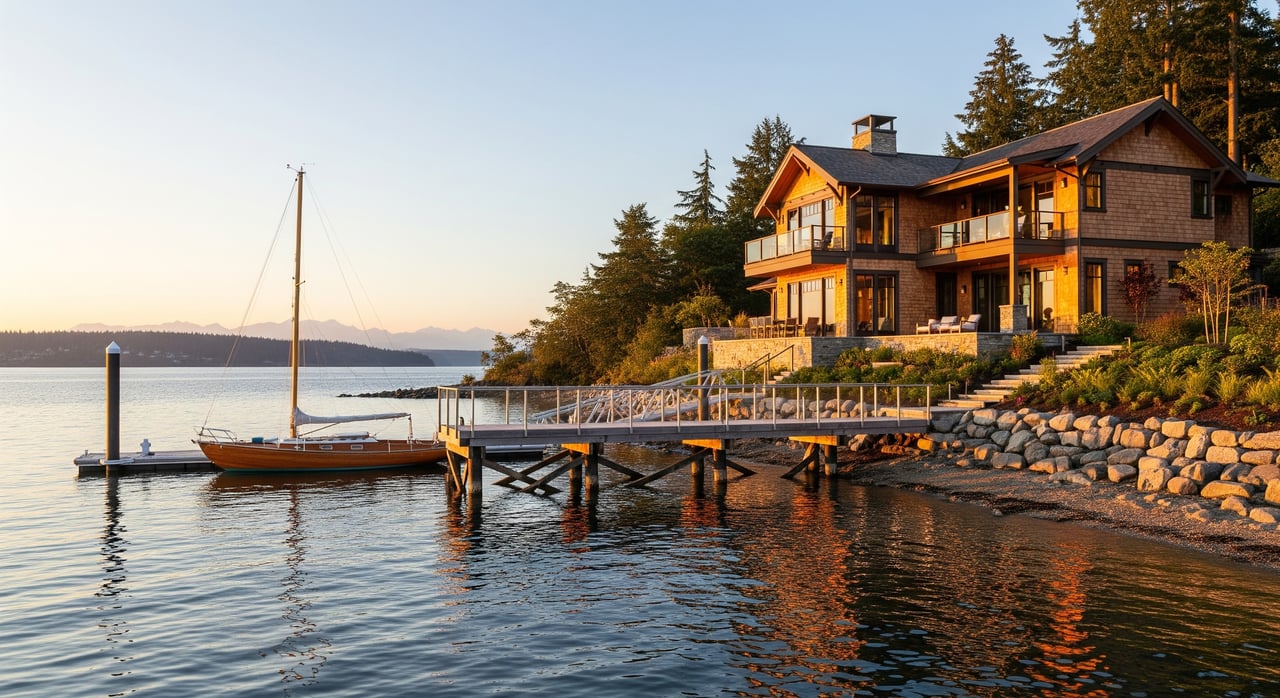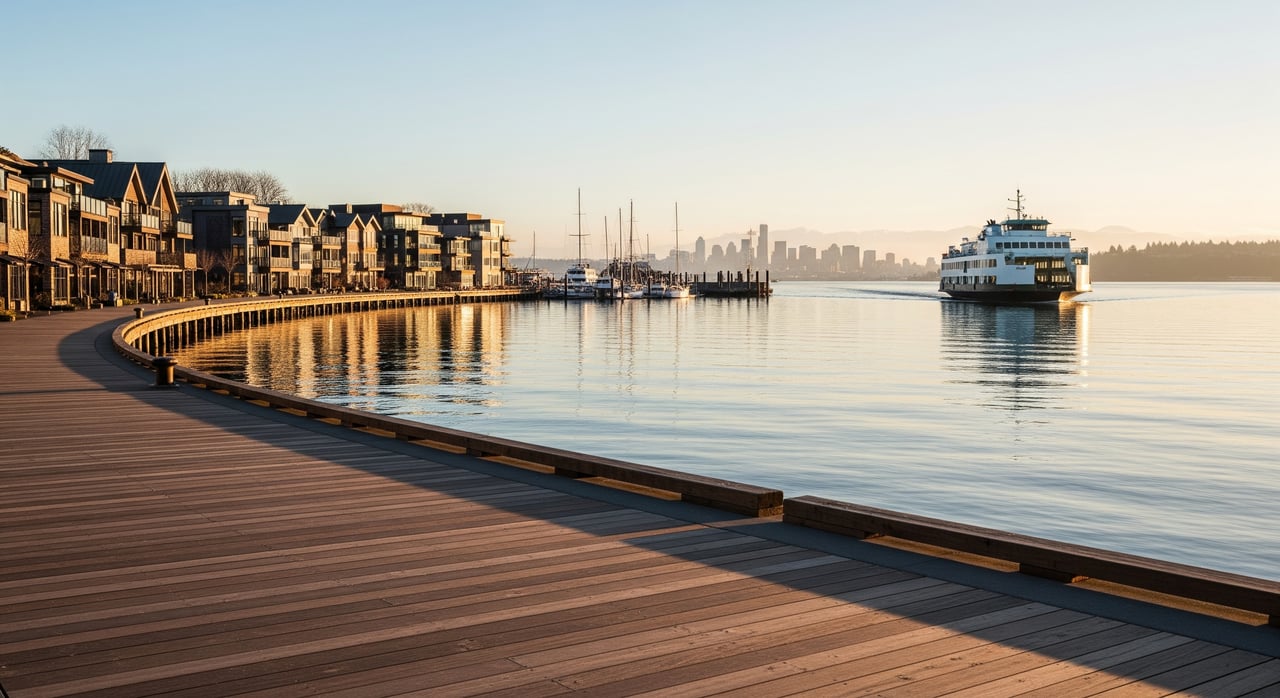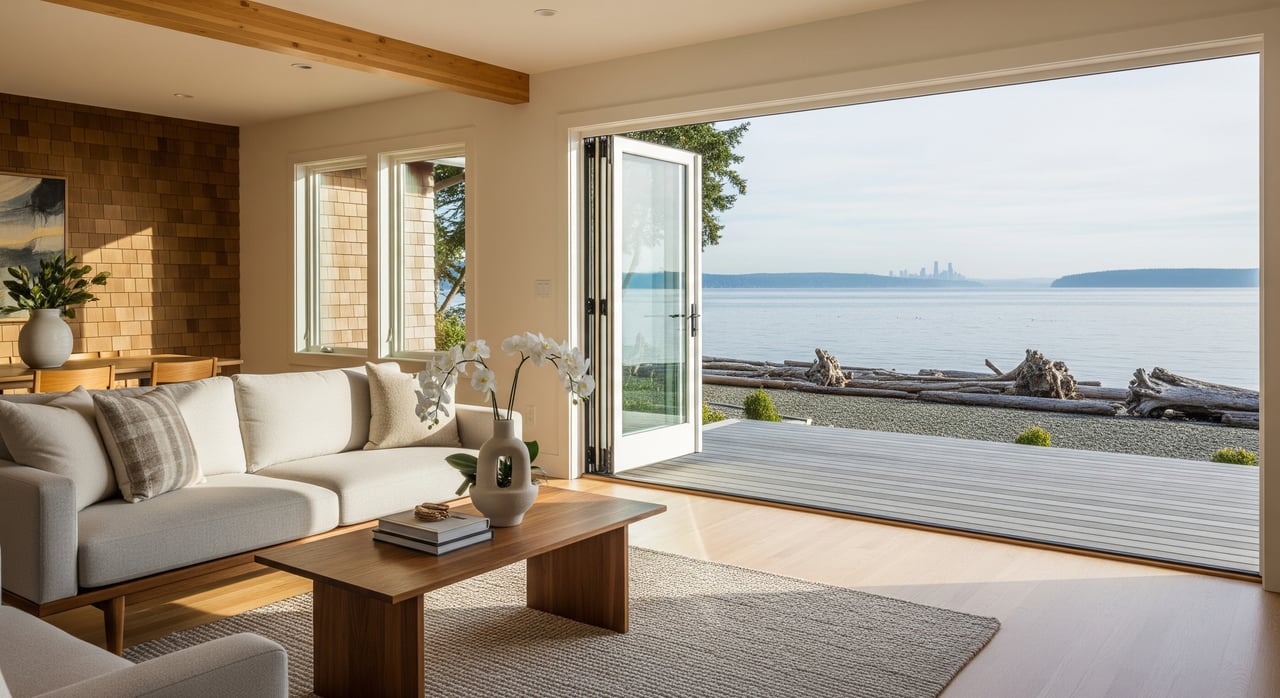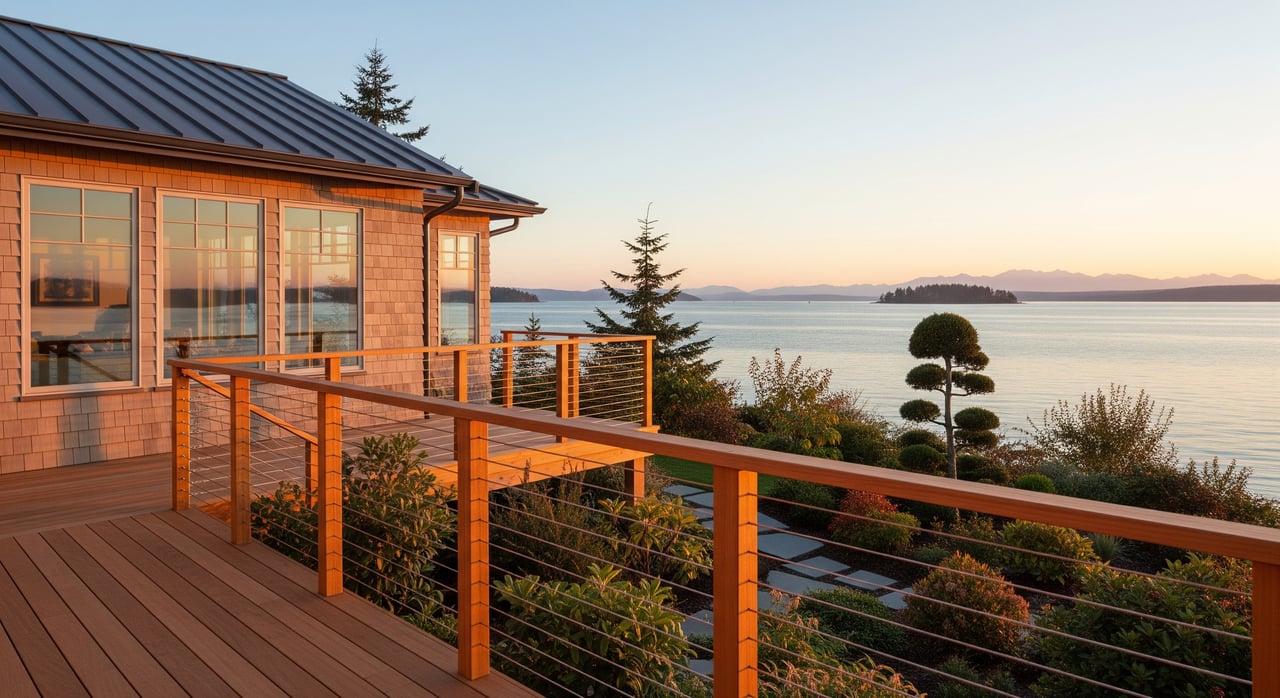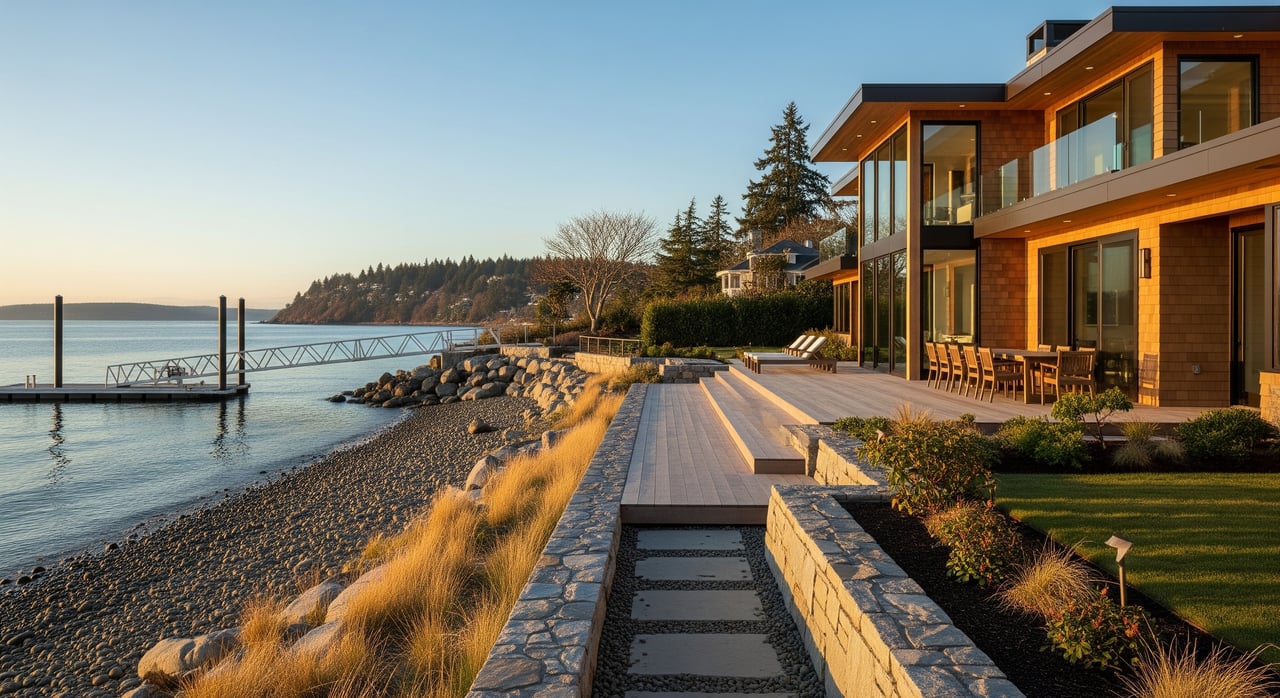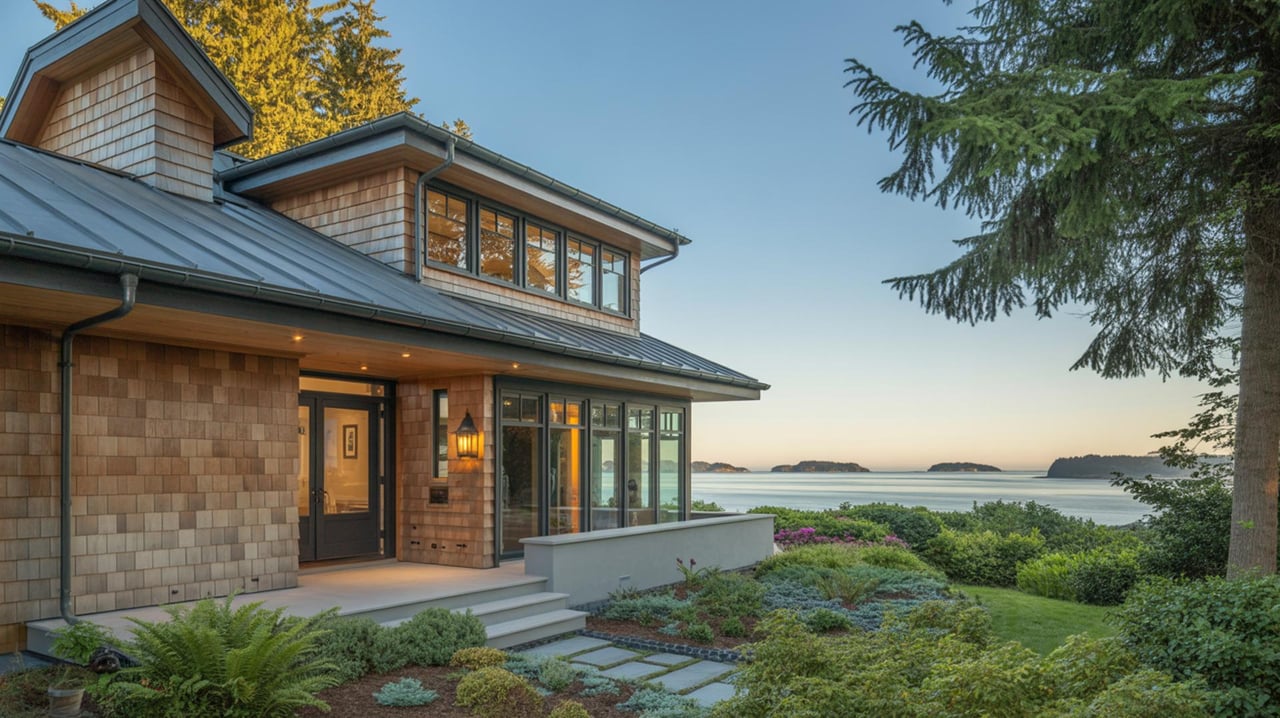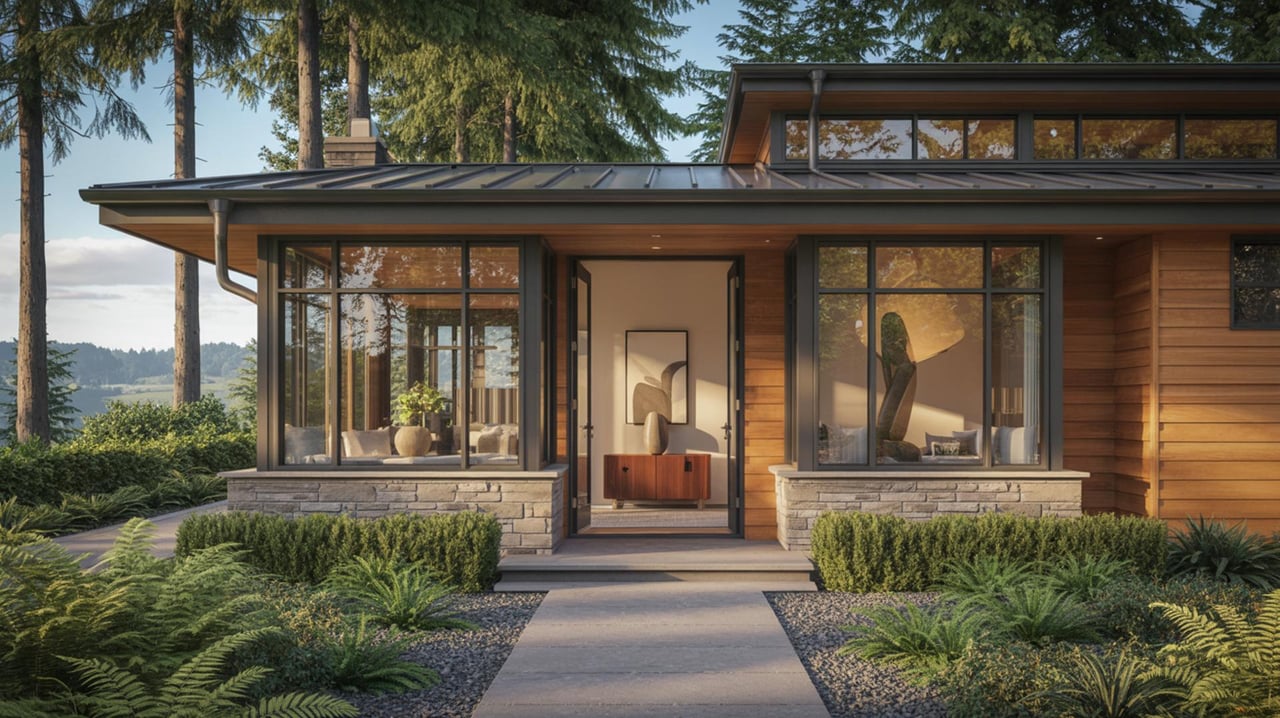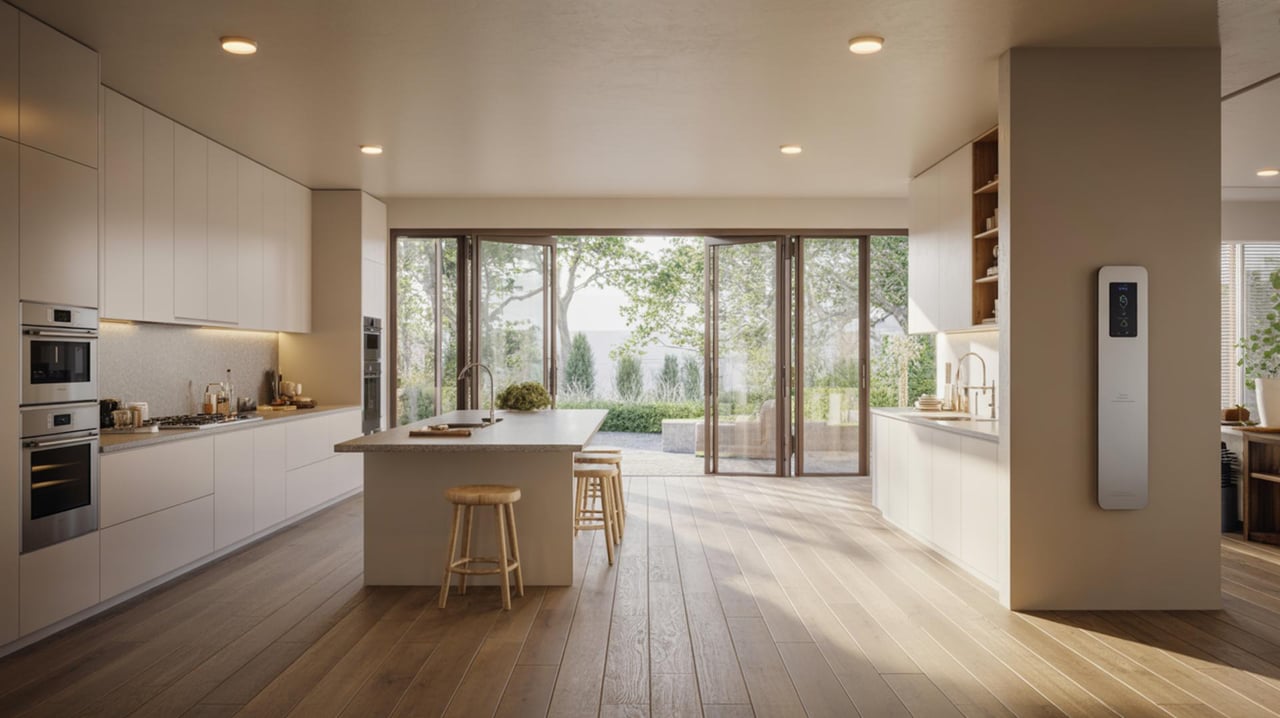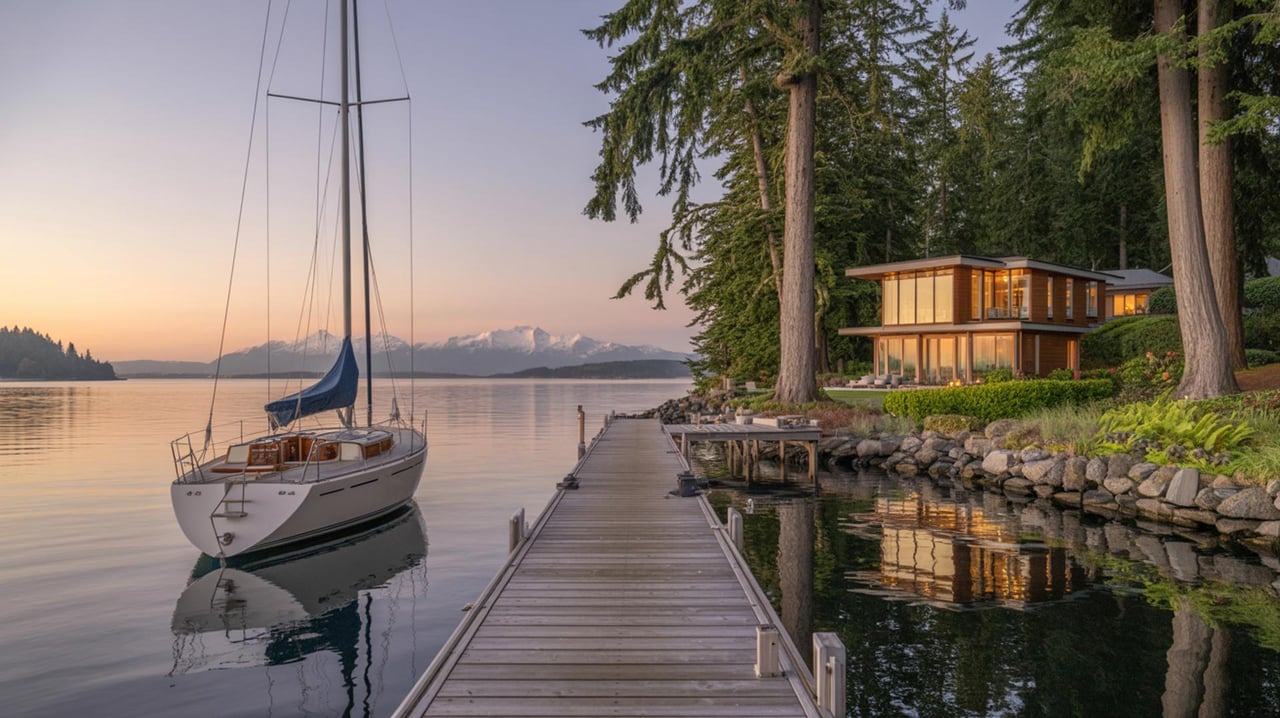
Are you drawn to South Beach for the views, the waterfront setting, or the idea of a true Bainbridge shoreline lifestyle? If so, it helps to know that not all waterfront parcels on the south end function the same way, even when they look similar in a listing photo. The right fit often comes down to exposure, shoreline rules, water access, and how much due diligence you are ready to do. Let’s dive in.
Why South Beach Stands Out
South Beach sits within Bainbridge Island’s south-shore shoreline market, in the Rich Passage management area that extends from Restoration Point to Point White and includes Pleasant Beach and South Beach. Bainbridge Island has about 53 miles of waterfront, and this stretch stands out for its open-water feel and broad outlooks.
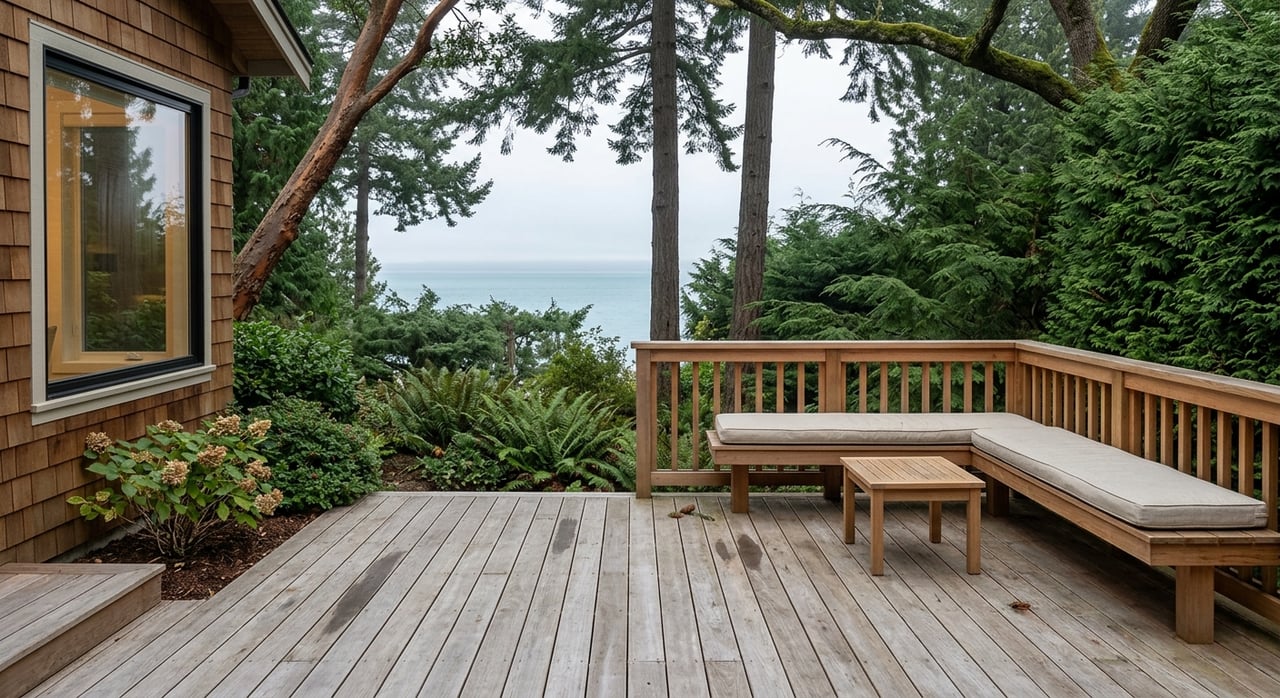
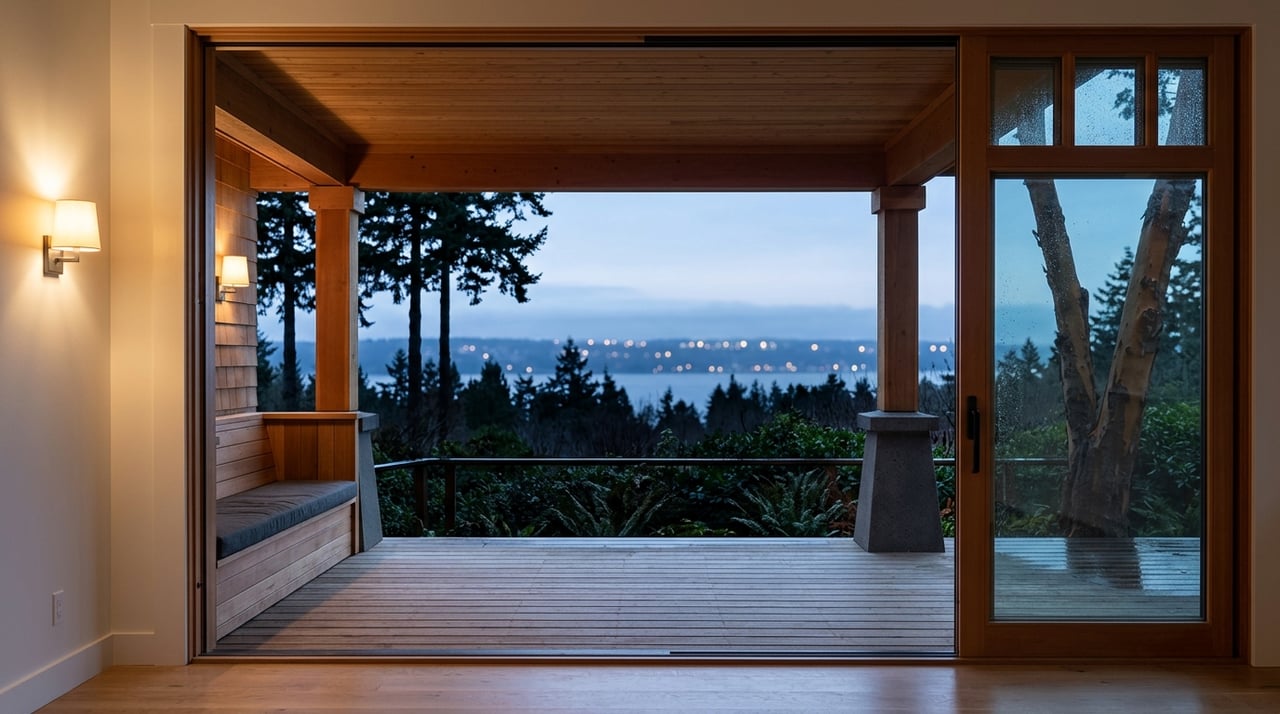
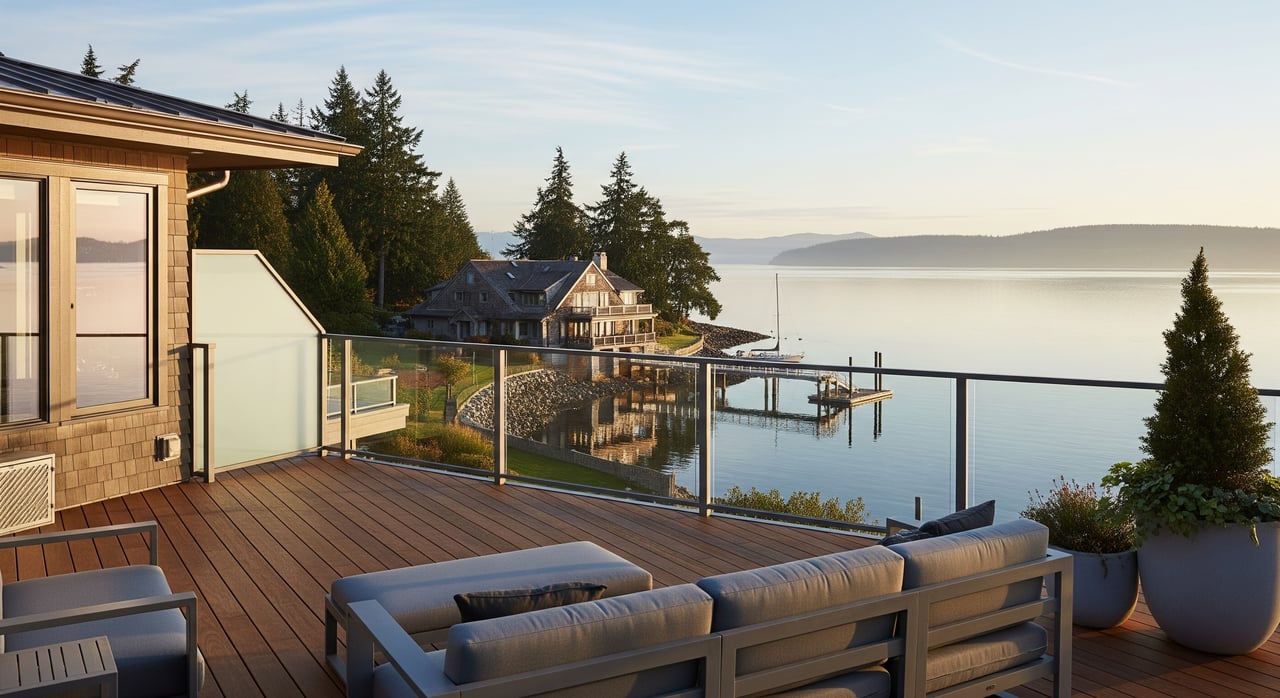
For many buyers, that setting is the draw. Depending on a home’s orientation, you may get strong afternoon light and expansive water views that feel more open than some of the island’s more sheltered shoreline areas.
Start With the Lot Type
Before you focus on finishes, square footage, or even the view, look closely at the parcel itself. On South Beach, one of the first questions is whether the lot is low-bank, bluff, or separated from the shoreline by a road.
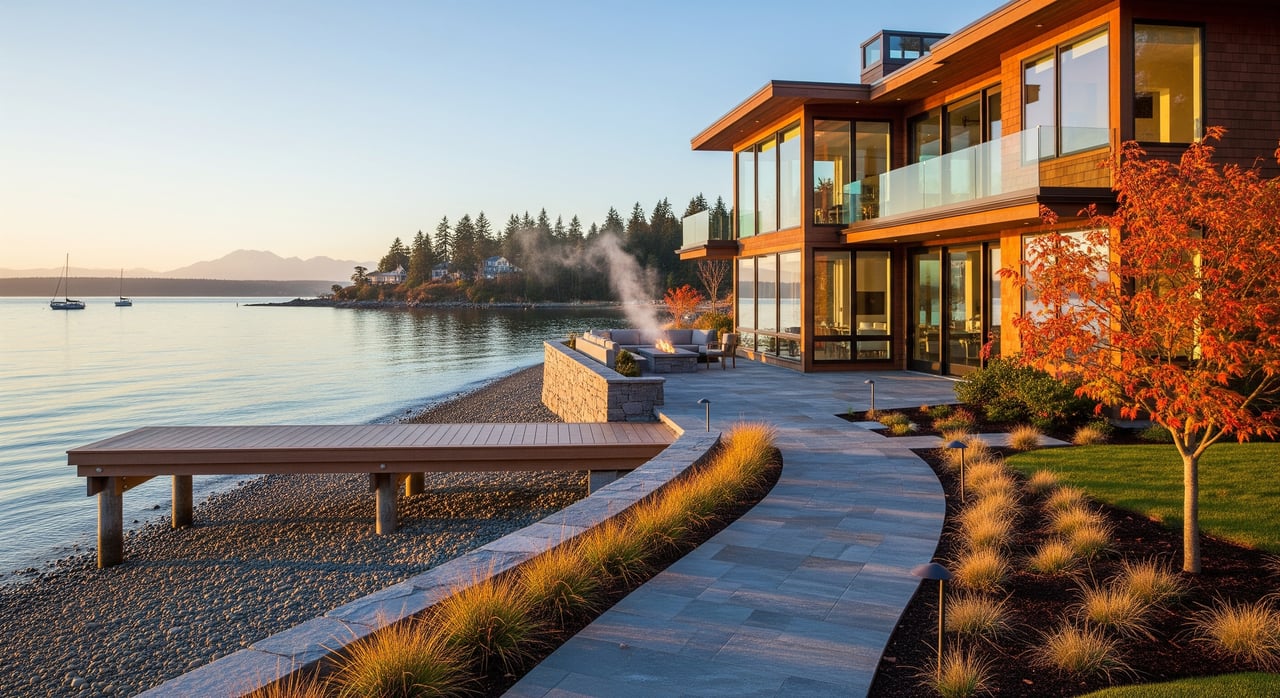
The city describes South Beach and Rich Passage as mostly low-bank and spit/backshore shoreline. That can affect how you access the beach, what kind of shoreline improvements exist, and how the outdoor spaces actually live day to day.
A low-bank parcel may offer easier visual and physical connection to the water. A bluff property may deliver a dramatic outlook but come with more stairs, slope considerations, and geologic review. A road-separated parcel may still feel waterfront-adjacent, but that is different from having direct private shoreline.
Waterfront Access Is Not All the Same
One of the biggest buyer mistakes is assuming that being near the water means the same thing as owning usable waterfront. On Bainbridge, that distinction matters.
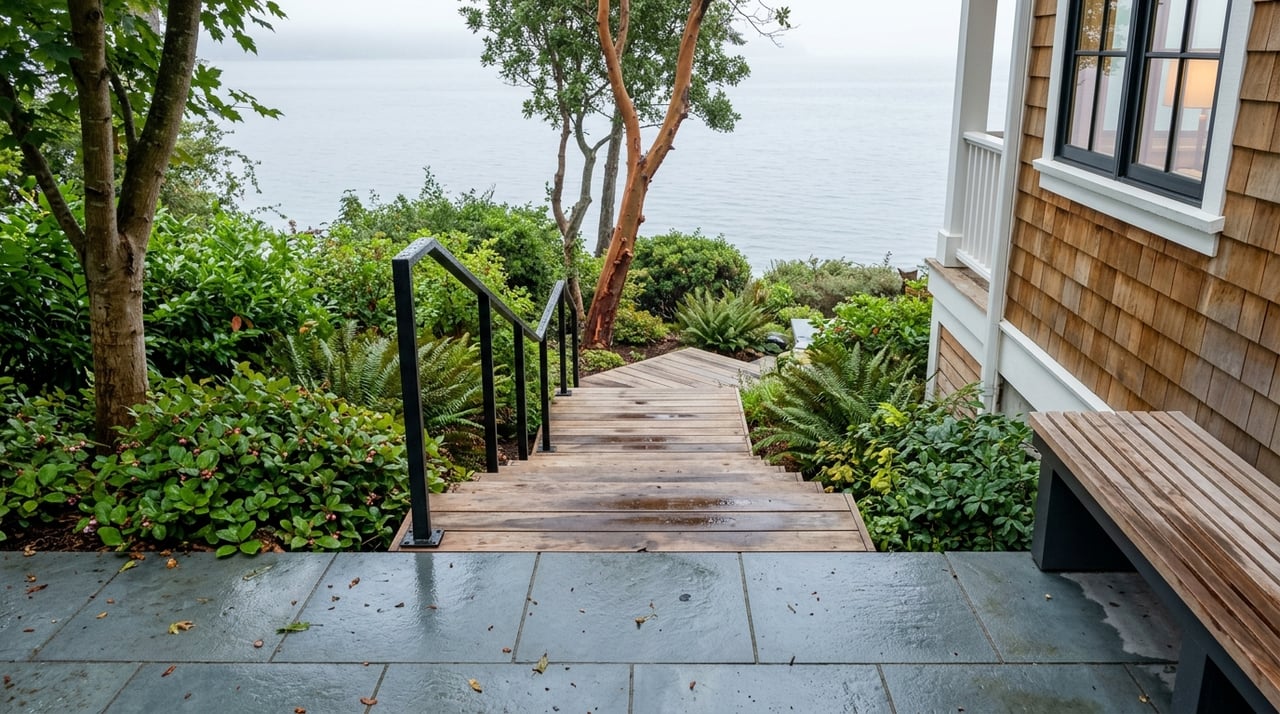
Some homes have direct private shoreline access. Others rely more on decks, stairs to the beach, or a mix of shoreline features that shape how you use the property. In some areas, nearby road ends or public shoreline access points also play a meaningful role in the lifestyle.
The local shoreline access guidebook notes, for example, that Lytle Road is a right-of-way with a no-bank sandy and gravel beach, with private property and tidelands on both sides. In practical terms, that is a reminder to confirm exactly what is included with the parcel and what is not.
Public Access Adds Lifestyle Value
South Beach also appeals to buyers who want shoreline living without depending entirely on private waterfront features. Nearby public access expands what your day-to-day experience can look like.
Fort Ward Park offers 137 acres, 4,300 feet of saltwater shoreline, and a boat launch. Point White Dock includes a public pier and gently sloping cobble beach. Schel Chelb Park offers shoreline and a swimming beach, while Rockaway Beach Park and Blakely Harbor Park add more access for walking, paddling, and enjoying the water.
That means a home in this area may offer strong value not just for what sits on the parcel, but also for what is close by. For many buyers, that combination is a real advantage.
Views and Sun Come With Trade-Offs
South Beach often attracts buyers who want open views and a brighter shoreline orientation. Because of its south-shore setting, many parcels can offer broad outlooks and, depending on placement, more afternoon light than north-facing waterfront.
But those same qualities can come with more exposure. The city identifies South Beach as an area of high wave potential for new docks, while nearby Point White and Blakely Harbor are described as more protected or very protected.
That does not make one area better than another. It simply means you are often choosing between a more open-water setting and a calmer, more sheltered one.
If You Want Moorage, Read the Rules Closely
For waterfront buyers, moorage is often a top priority. On Bainbridge, that should be an early due diligence item, not a late-stage assumption.
The city’s shoreline rules say mooring buoys are preferred over docks where feasible. New docks are limited to water-dependent uses or public access, and new boathouses or covered moorage are prohibited.
That matters even more on South Beach because the city flags the area as having high wave potential for new docks. If moorage is central to your plans, ask not only what exists now, but also what is likely to be permitted under the current Shoreline Master Program.
Shoreline Improvements Need Verification
Many south-end waterfront homes rely on shoreline features such as stairs, decks, docks, mooring systems, or stabilization work rather than broad, flat lawn space to the water. Those improvements can be useful, but they should be reviewed carefully.
The current Shoreline Master Program is administered as an overlay to other city regulations and is designed to manage shoreline development while pursuing no net loss of shoreline ecological function. In plain terms, that means shoreline work is regulated and should never be treated as routine.
If a property has a bulkhead, revetment, or other stabilization, ask what was permitted, when it was done, and whether it was approved as replacement or new work. The city prefers soft stabilization where feasible and requires evidence that an existing structure is in danger before allowing structural armoring.
View Retention Deserves Extra Attention
A beautiful view is often the reason buyers stretch for a South Beach property. That makes view retention a practical issue, not just an aesthetic one.
The city allows limited vegetation removal on single-family lots for maintenance of a pre-existing view, but it also emphasizes conserving shoreline vegetation to protect ecological function. That balance can affect how a view changes over time.
When you are evaluating a home, ask what supports today’s view. Is it tied to recent vegetation clearing, mature trees on the lot, or the current condition of a neighboring parcel? If the view is a major value driver, this question deserves real attention.
Geologic Risk Can Shape Your Decision
Not every South Beach property carries the same physical risk profile. Bluff lots and steep slopes need especially careful review.
The city notes that Bainbridge is vulnerable to landslides along coastal bluffs. It also says work inside geologically hazardous areas requires a geological hazards assessment, and slopes greater than 40 percent rising more than 10 feet are commonly treated as landslide hazards.
If a parcel includes steep terrain, ask whether there is a geotechnical report and whether prior hazard review has been completed. This is one of those issues that can affect both future plans and your comfort level with the property.
Utilities Are Highly Parcel-Specific
On Bainbridge, waterfront buyers should never assume utility service based on location alone. Water and sewer availability can vary from parcel to parcel.
The city notes that more than 100 independent water systems operate on the island. It also states that the South Island Sewer System serves Lynnwood Center, Point White, Pleasant Beach, Emerald Heights, Blakely School, and Rockaway Beach.
That means a South Beach or nearby waterfront home may have a very specific utility setup. Before you make an offer, confirm the actual water source, sewer availability, and whether there is any binding commitment for service.
Water Quality and Shoreline Context
For buyers thinking about beach use and marine conditions, local shoreline context matters. The South Beach Watershed does not support a year-round stream because the basin is small and narrow and does not store enough wet-season water to sustain perennial flow.
The city reports that marine water quality is generally good. The Washington State Department of Health’s 2024 Bainbridge South review classifies the area as Approved and Prohibited, and it says all sampled stations met the approved water-quality standard.
There is also a small prohibited shellfish area tied to a permanent sewer outfall. If beach use or shellfish harvest is important to you, this is worth understanding at the property-specific level.
How South Beach Compares Nearby
If you are still narrowing your search, it helps to compare South Beach with nearby south-end shoreline options.
South Beach and Rich Passage
This area tends to appeal to buyers who want an open-water feel and broad views. It is generally more exposure-prone and more sensitive to shoreline regulations around docks and armoring.
Point White and Crystal Springs
Point White and Crystal Springs are generally associated with more protected water. The area includes a mix of high-bluff and low-bank parcels, and in some places a road separates homes from the shoreline.
Rockaway and Blakely Harbor
These areas are often more sheltered, more wooded, and more park-oriented. Blakely Harbor is described by the city as protected to very protected, with some of the island’s least-impacted low-bank reaches.
Fort Ward and Pleasant Beach
This area is a strong comparison point for buyers who value nearby recreation and shoreline access. Fort Ward Park adds substantial public shoreline and a boat launch, which can shape the lifestyle even if a home is not fully private waterfront.
Smart Questions Before You Offer
When you are comparing South Beach waterfront and view homes, keep your questions focused on the things that affect real use and long-term confidence.
- Is the parcel low-bank, bluff, or road-separated from the shoreline?
- Is water access private, shared, or mainly through nearby public access?
- If moorage matters, what is already permitted and what may be allowed under current shoreline rules?
- Does the property have existing stabilization, and was it approved as replacement or new work?
- What are the water and sewer sources for this parcel?
- Is there any geotechnical report, hazard review, or slope-related documentation?
- If the view is a major reason to buy, what supports that view today?
The Best South Beach Home Is the Right Match
The best South Beach property is not always the one with the biggest view or the longest shoreline. It is the one that matches how you want to live, what level of shoreline complexity you are comfortable with, and how well the parcel supports your priorities.
That is where local guidance matters. A calm, detailed review of lot type, access, exposure, regulations, and utilities can help you move forward with more clarity and fewer surprises.
If you are considering a South Beach waterfront or view home, McLaughlin & Co. can help you evaluate the trade-offs, ask the right questions, and make time for coffee before you make a move.
FAQs
What should buyers check first for a South Beach waterfront home?
- Start with the parcel type: whether it is low-bank, bluff, or road-separated from the shoreline, because that affects access, risk, and how the property functions.
What do South Beach buyers need to know about docks and moorage?
- Bainbridge shoreline rules prefer mooring buoys over docks where feasible, limit new docks to water-dependent uses or public access, and prohibit new boathouses or covered moorage.
What makes South Beach different from Blakely Harbor or Point White?
- South Beach generally offers a more open-water setting and can have higher wave exposure, while Point White and Blakely Harbor are described as more protected or very protected.
What should buyers ask about views on Bainbridge shoreline property?
- Ask whether the current view depends on vegetation clearing, mature trees, or neighboring conditions, because shoreline vegetation is regulated and view maintenance is limited.
What utility questions matter for South Beach homebuyers?
- Confirm the actual water source, sewer availability, and service status for the specific parcel, since Bainbridge has many independent water systems and utility availability is highly property-specific.
What hazard concerns apply to Bainbridge south-end waterfront parcels?
- Bluff and steep-slope properties may require extra review because Bainbridge is vulnerable to landslides along coastal bluffs, and geologic hazard assessments are required for work in hazardous areas.