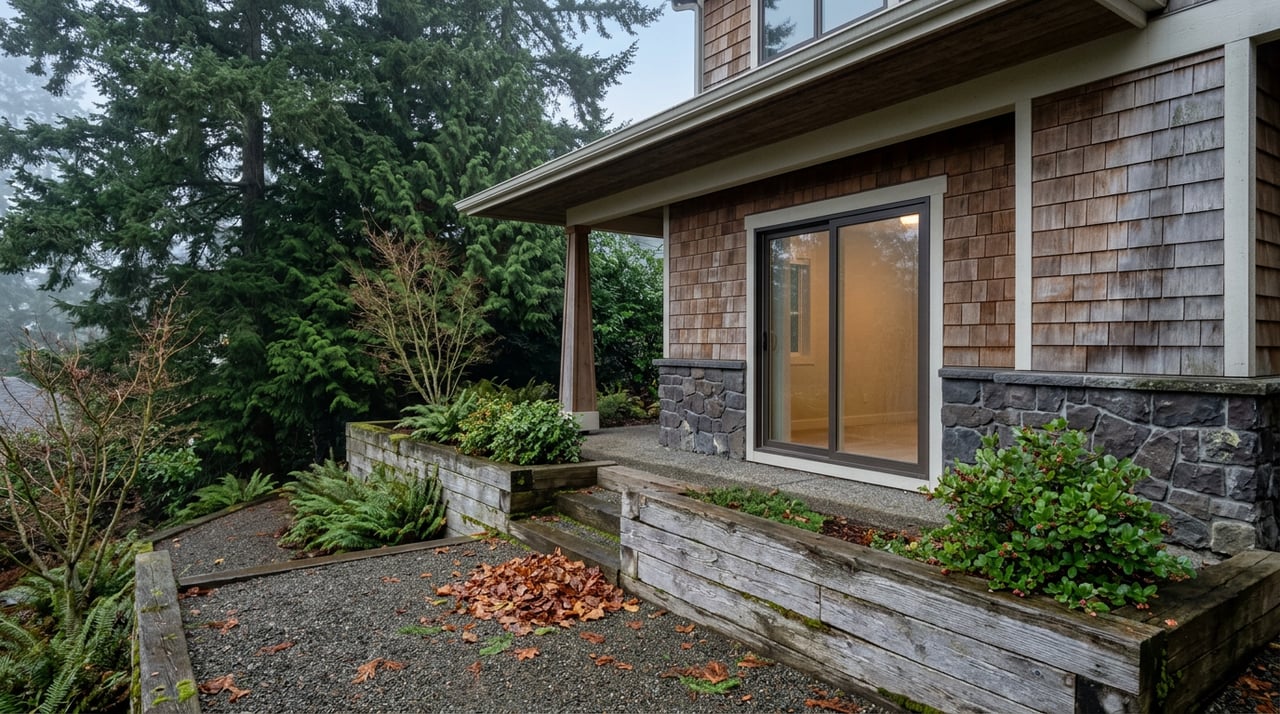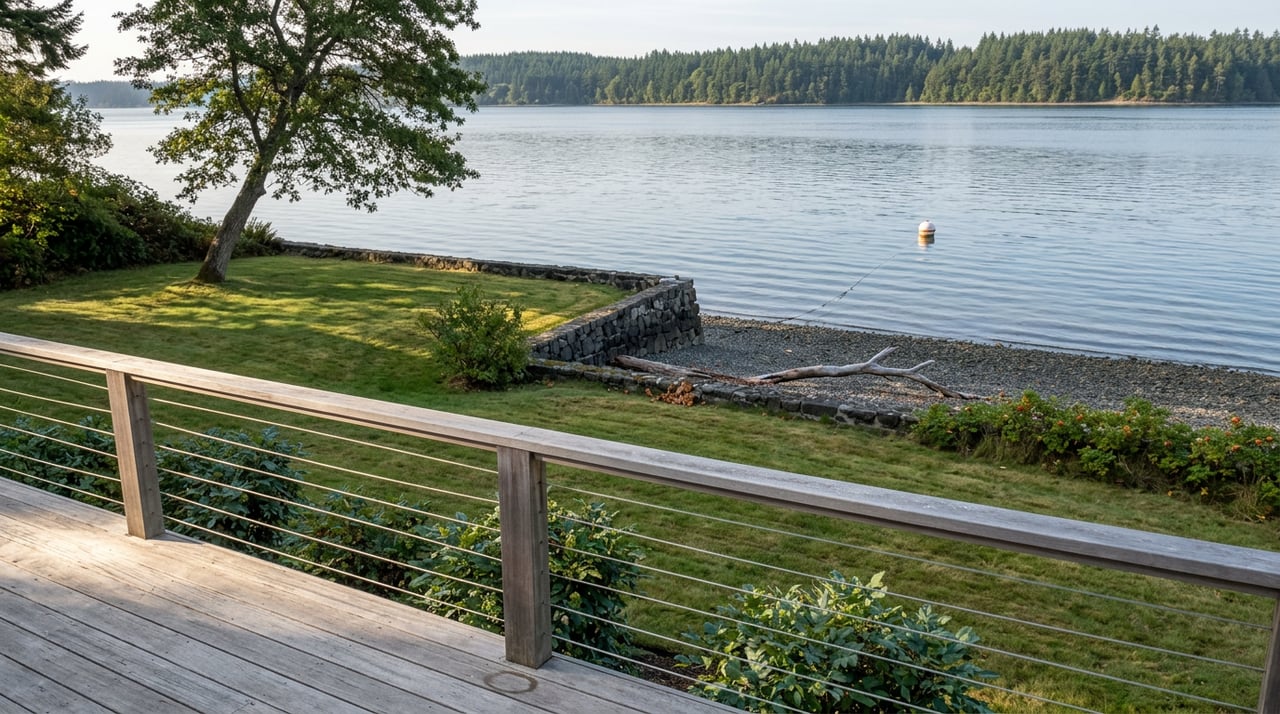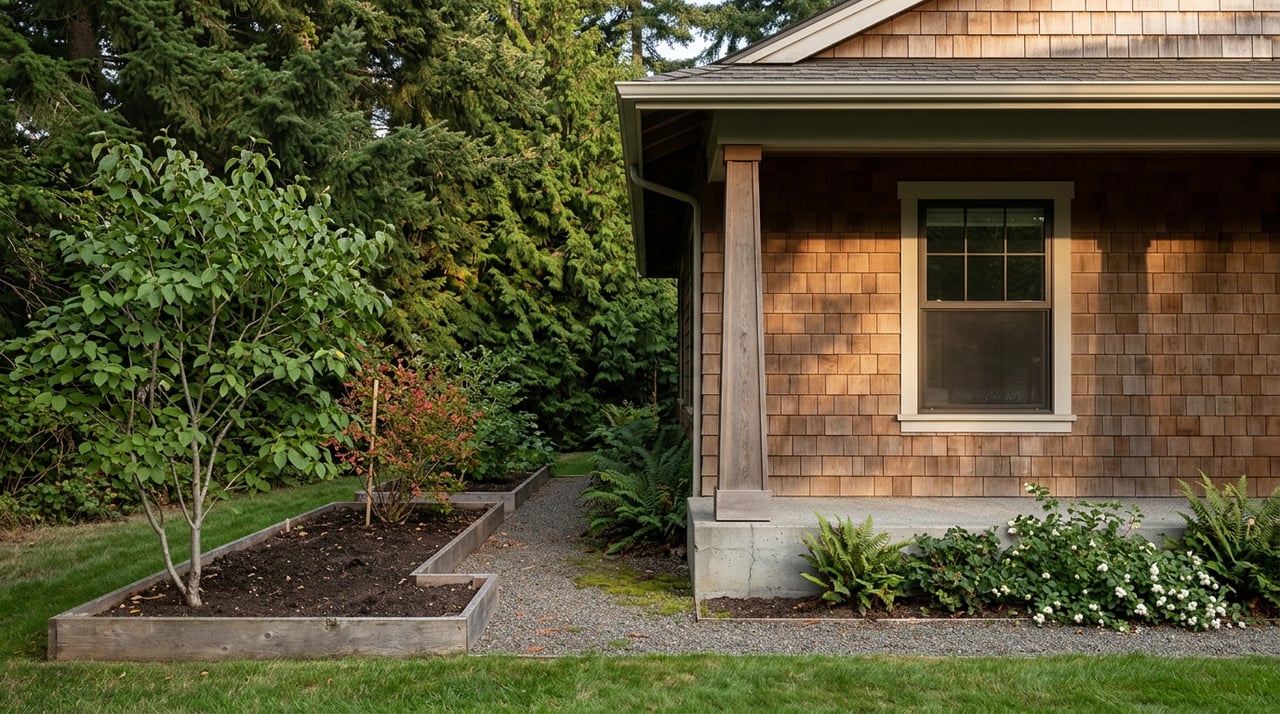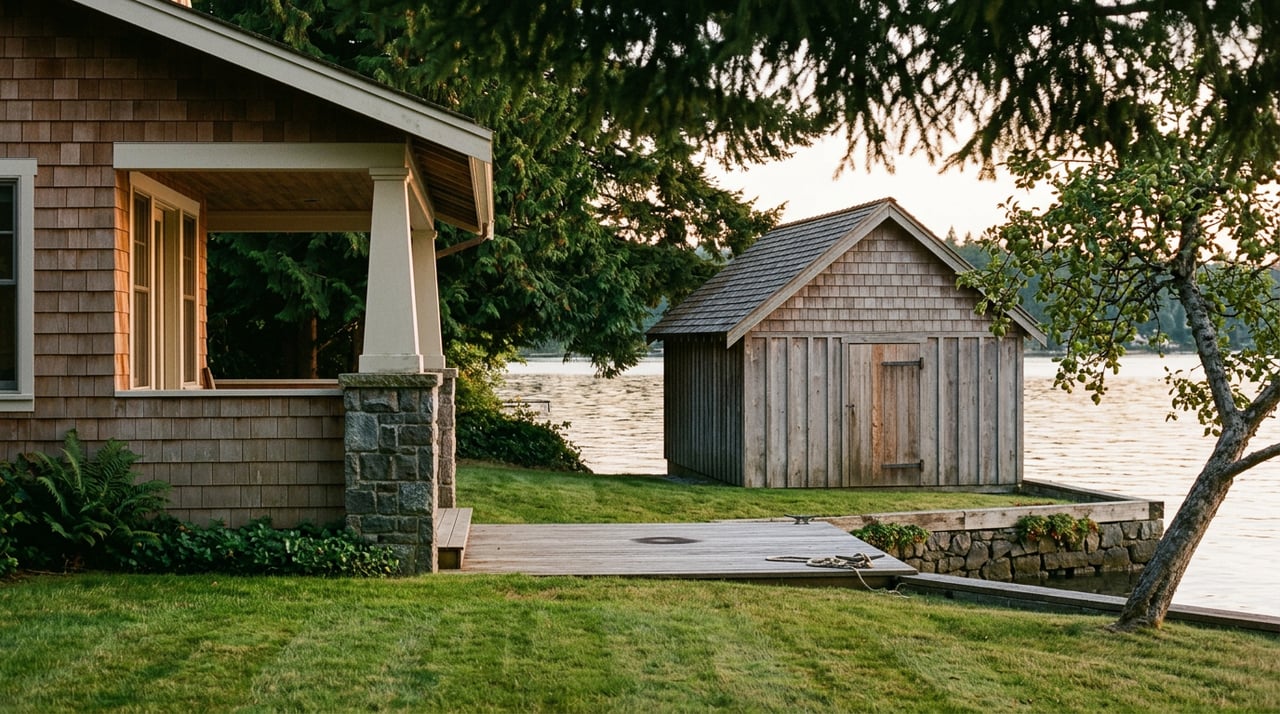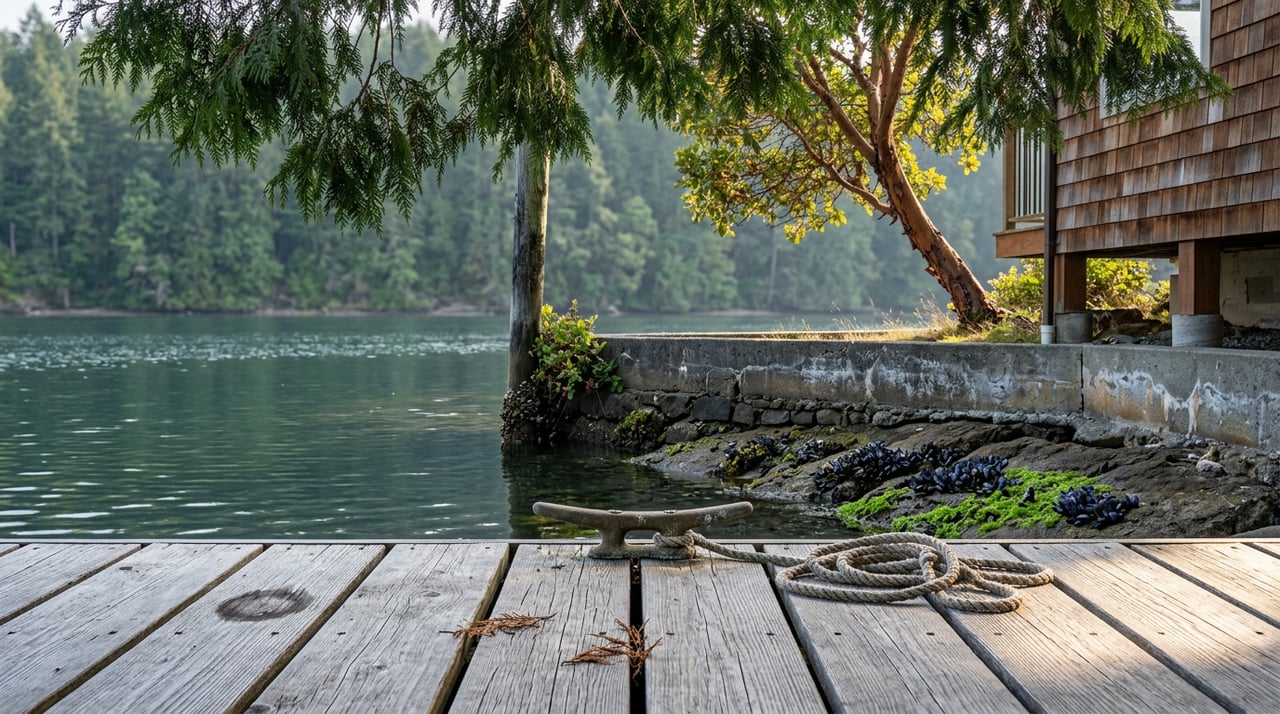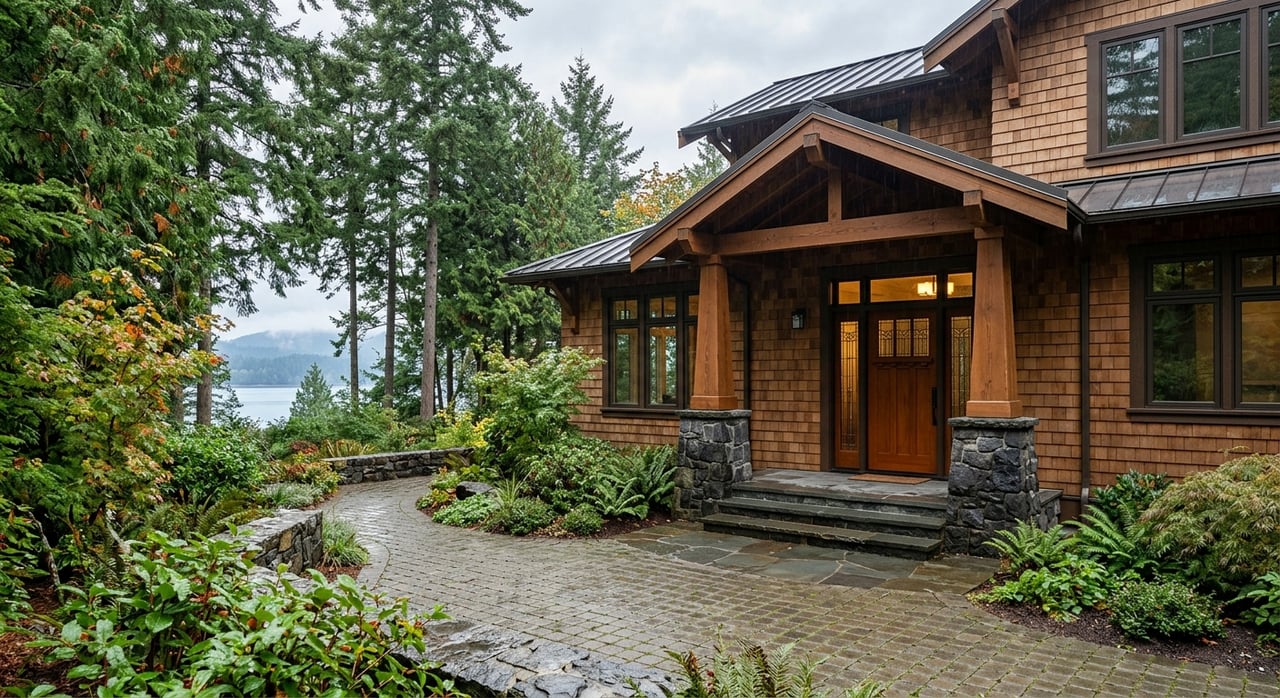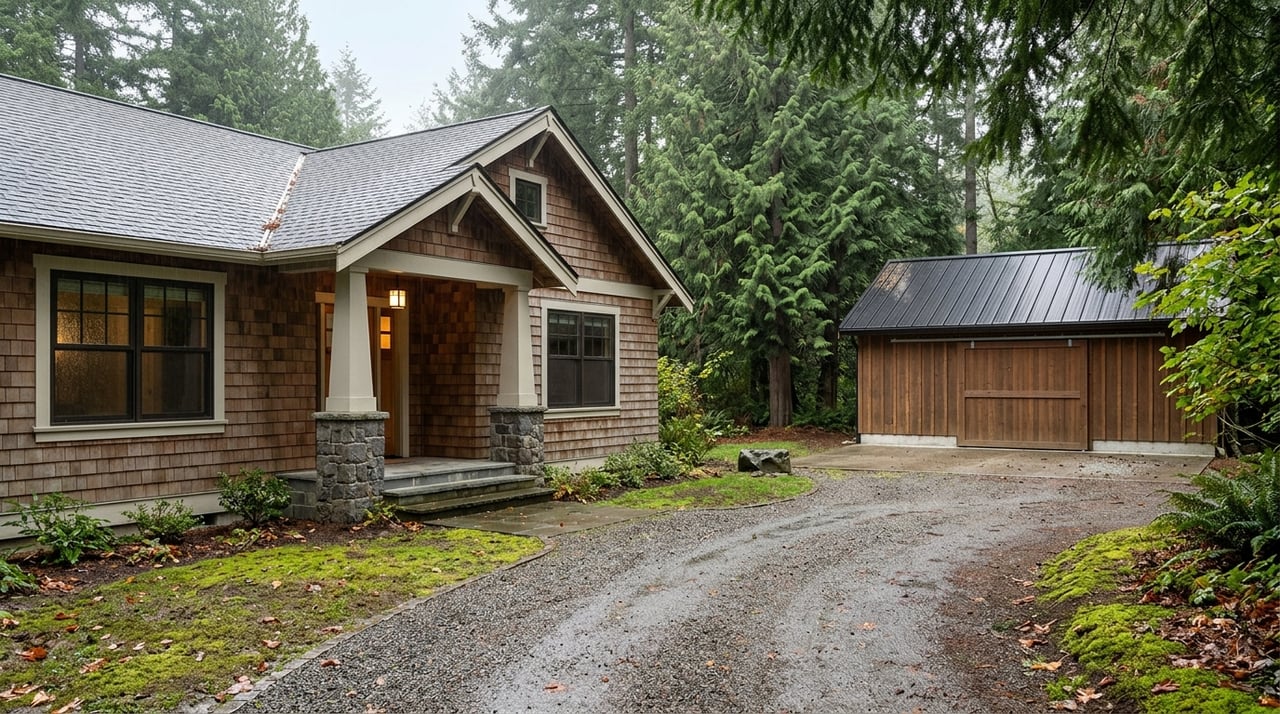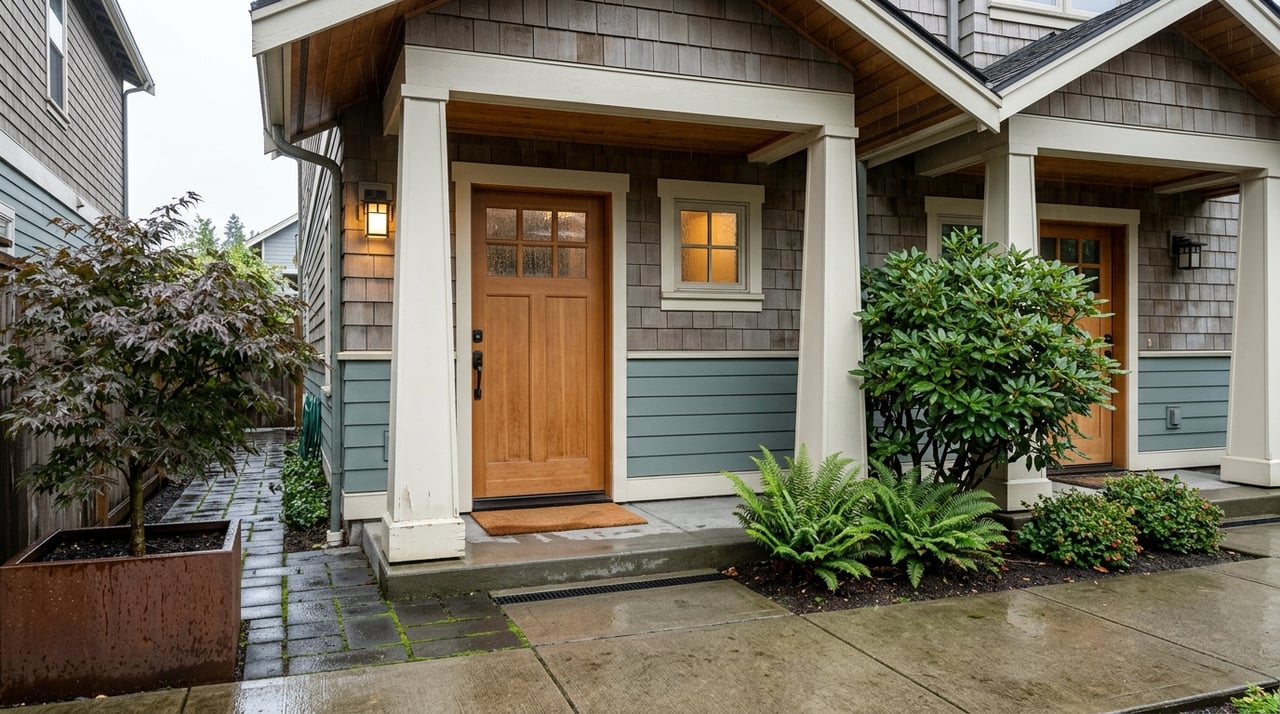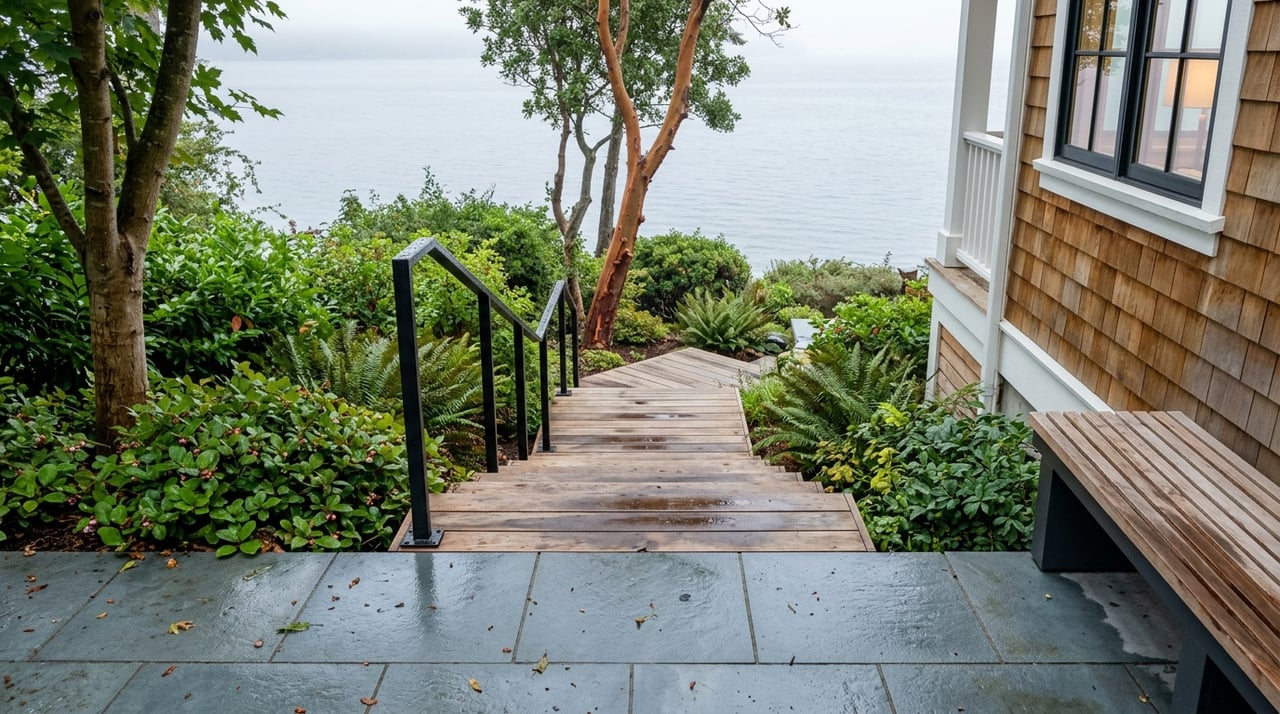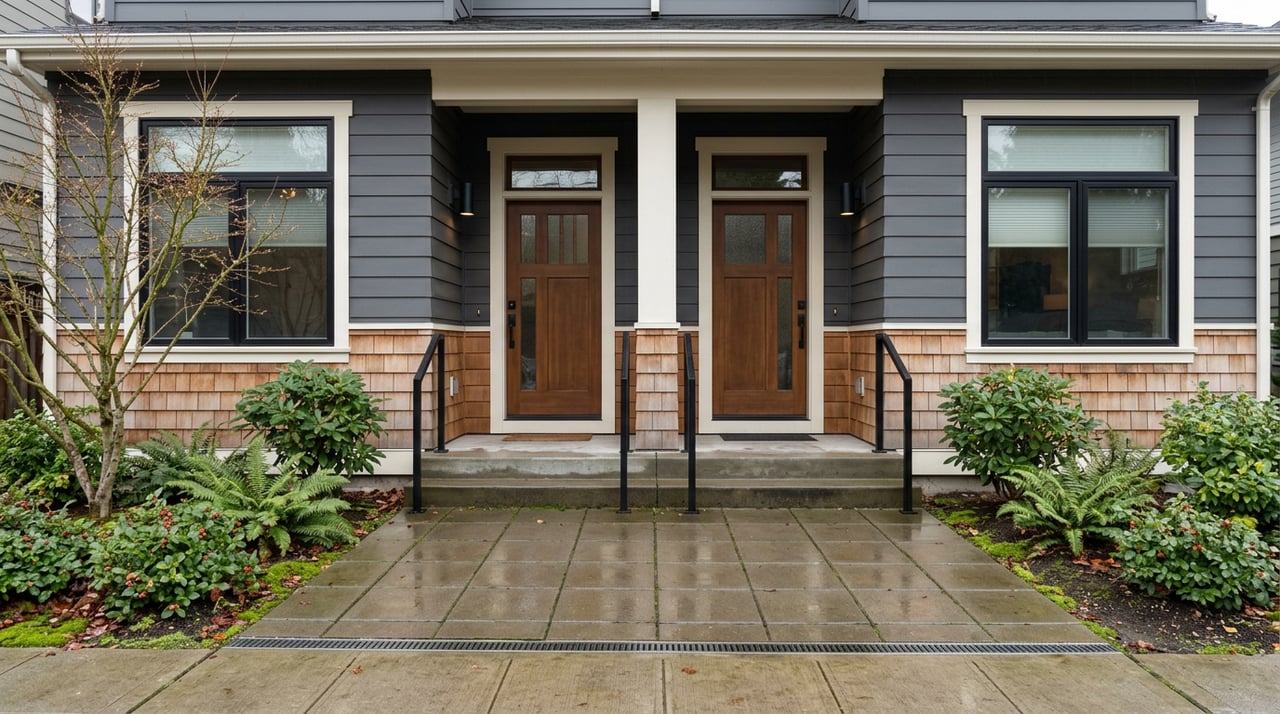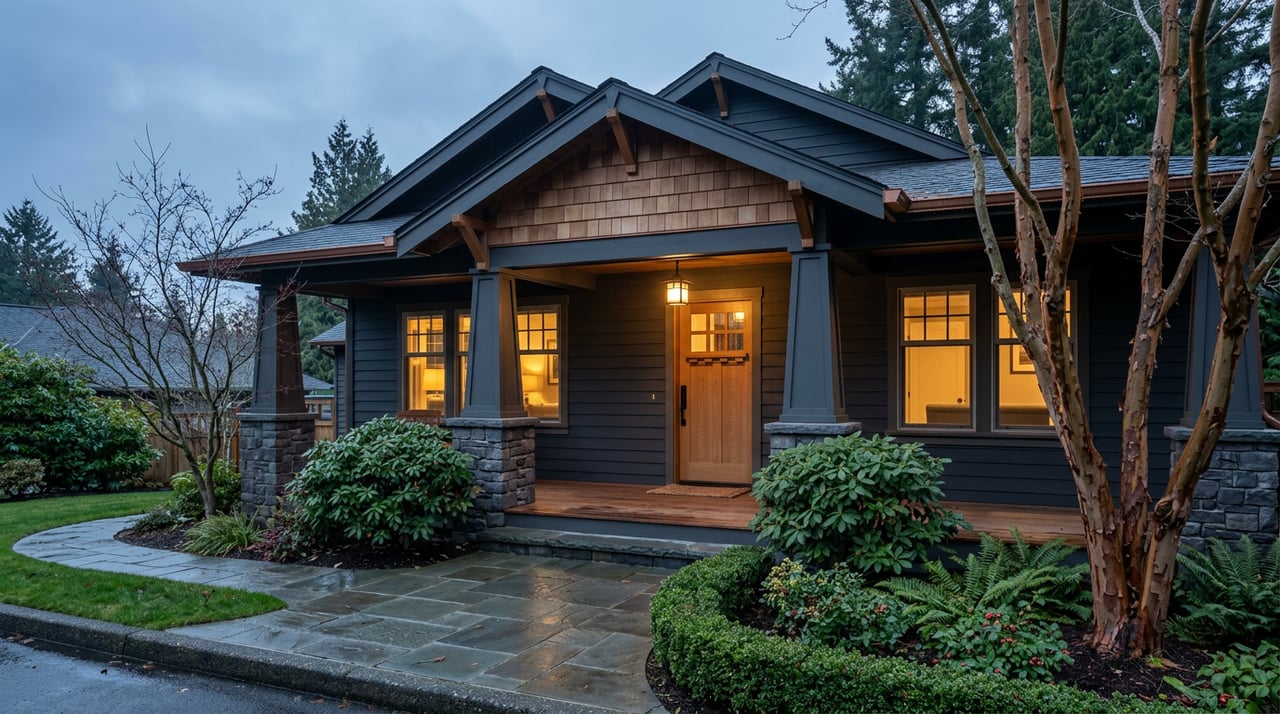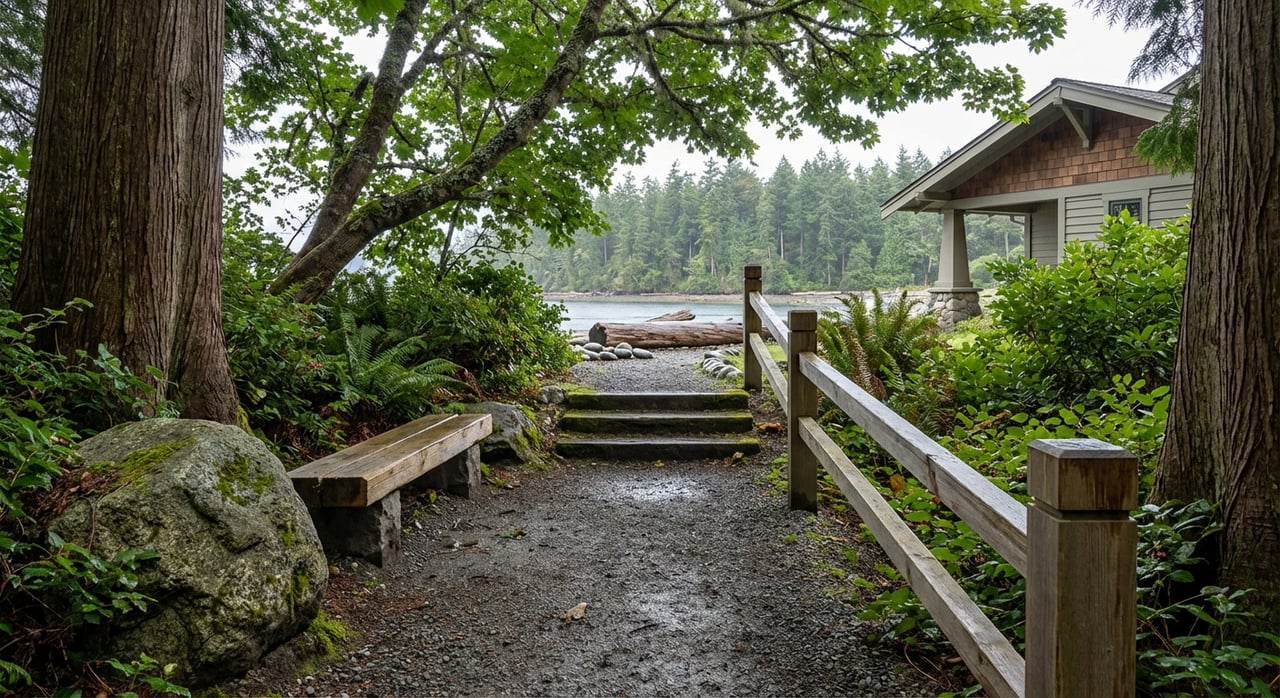
The Bainbridge Island Japanese American Exclusion Memorial is built around a 276-foot wall of old-growth red cedar, granite and basalt at the old Eagledale Ferry Dock. The wall carries the name and age of each of the island's 276 Japanese American residents in 1942. The outdoor memorial is open every day from dawn to dusk.
Since October 11, the memorial has had a building with its own hours, and those hours are short. The new Visitor Center's regular hours are Friday through Sunday, 10 a.m. to 4 p.m., and weekday hours are being phased in. As November ends and the light gets shorter, the weekend afternoon becomes the window that matters for anyone who wants the full visit.
What Opened on October 11
The Bainbridge Island Review reported that more than 200 guests came to the dedication. They included incarceration survivors, U.S. Sen. Maria Cantwell, Mayor Clarence Moriwaki and memorial executive director Ellen Sato Faust. Survivor Lilly Kodama, who was seven years old in March 1942, spoke during the ceremony.
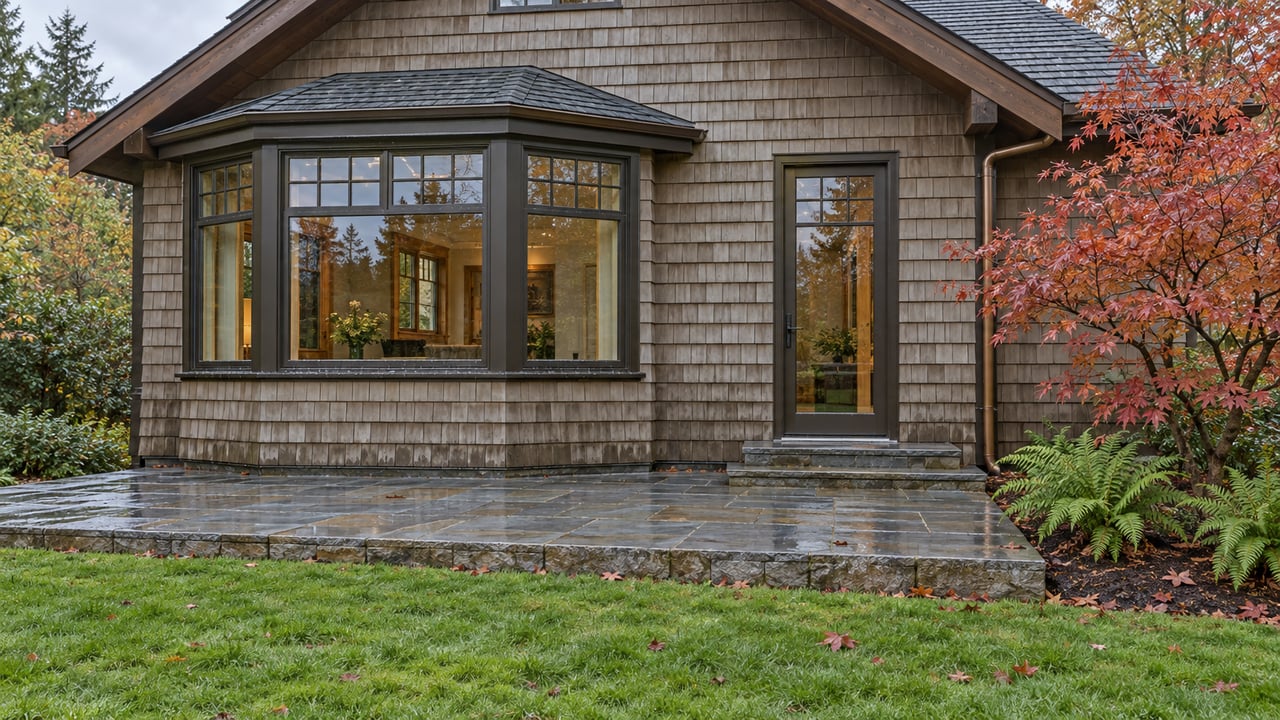
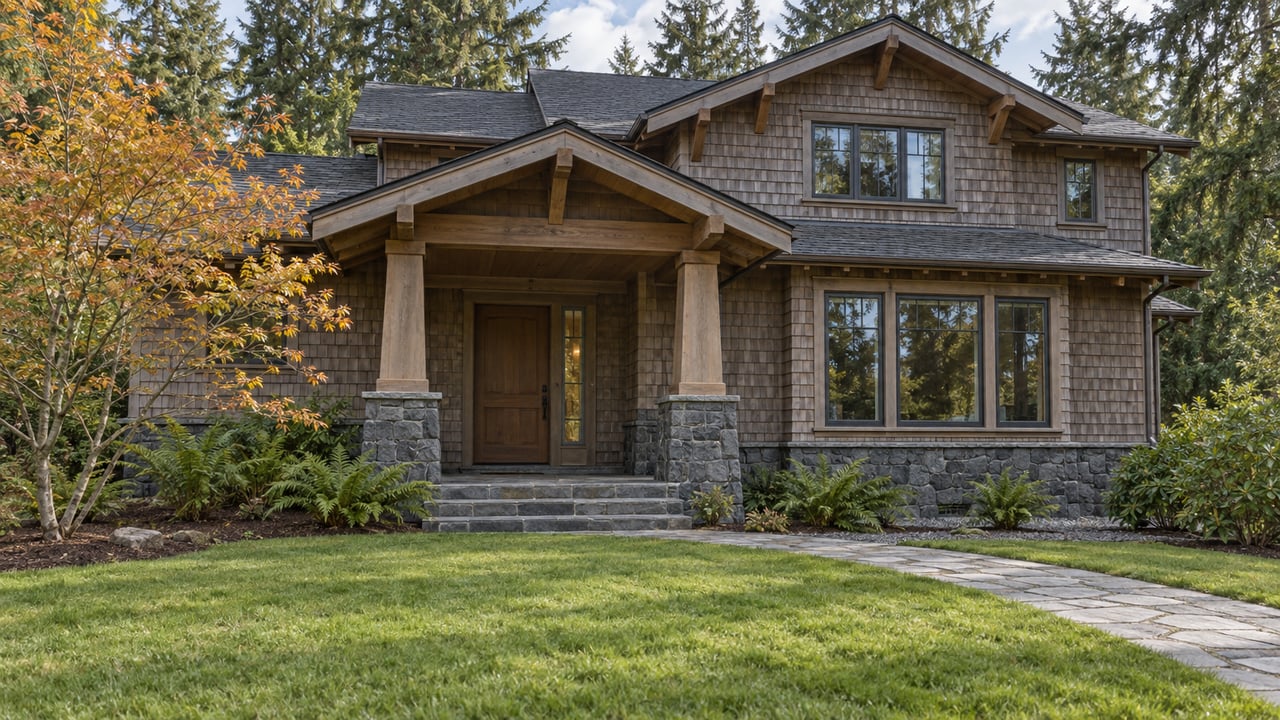
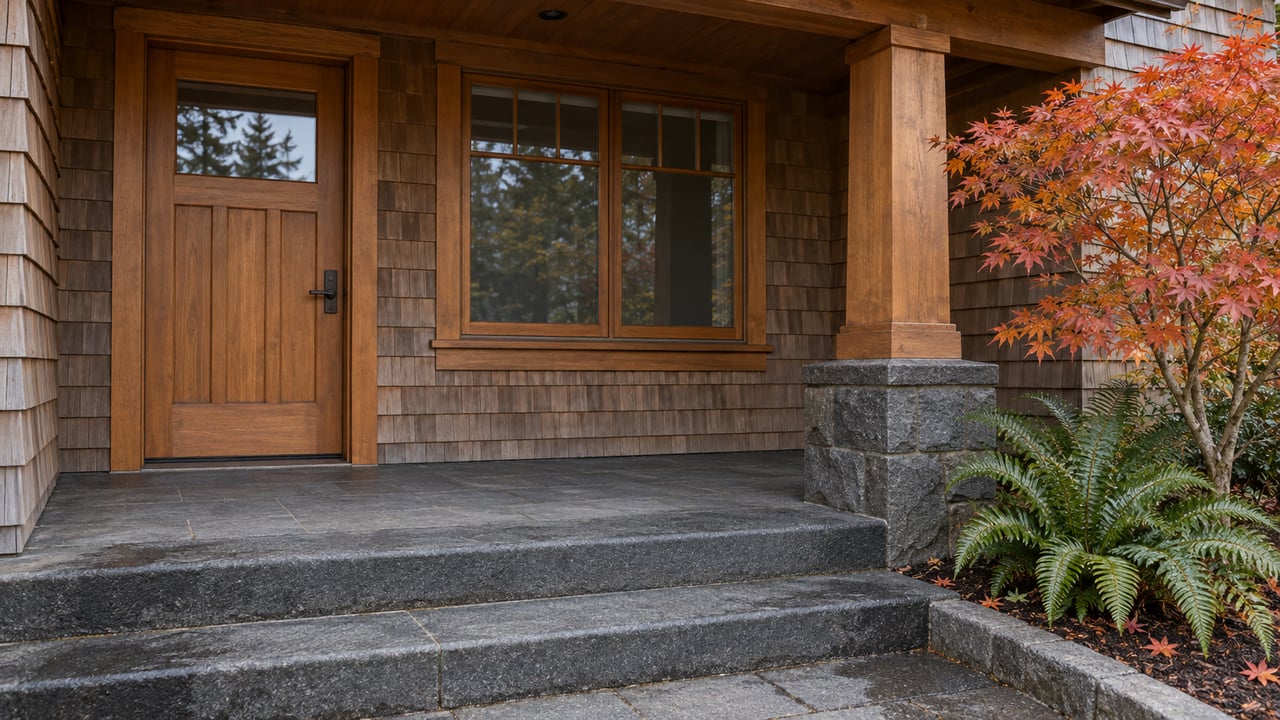
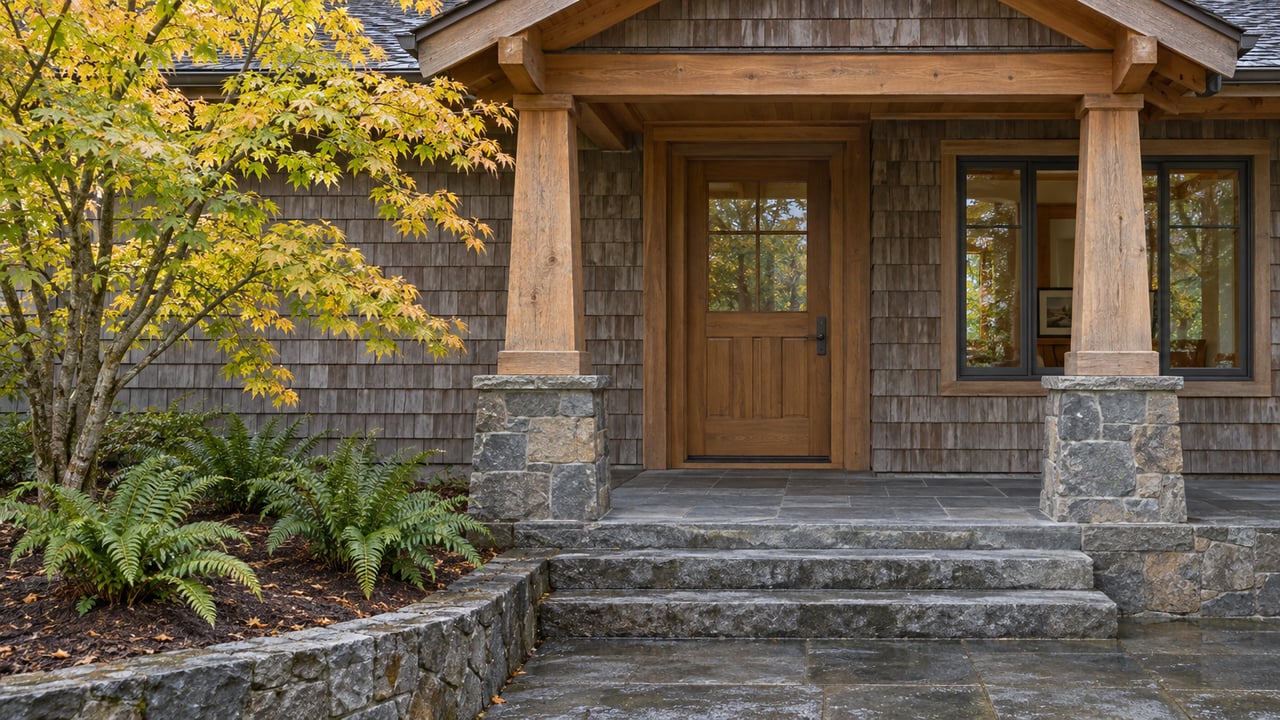
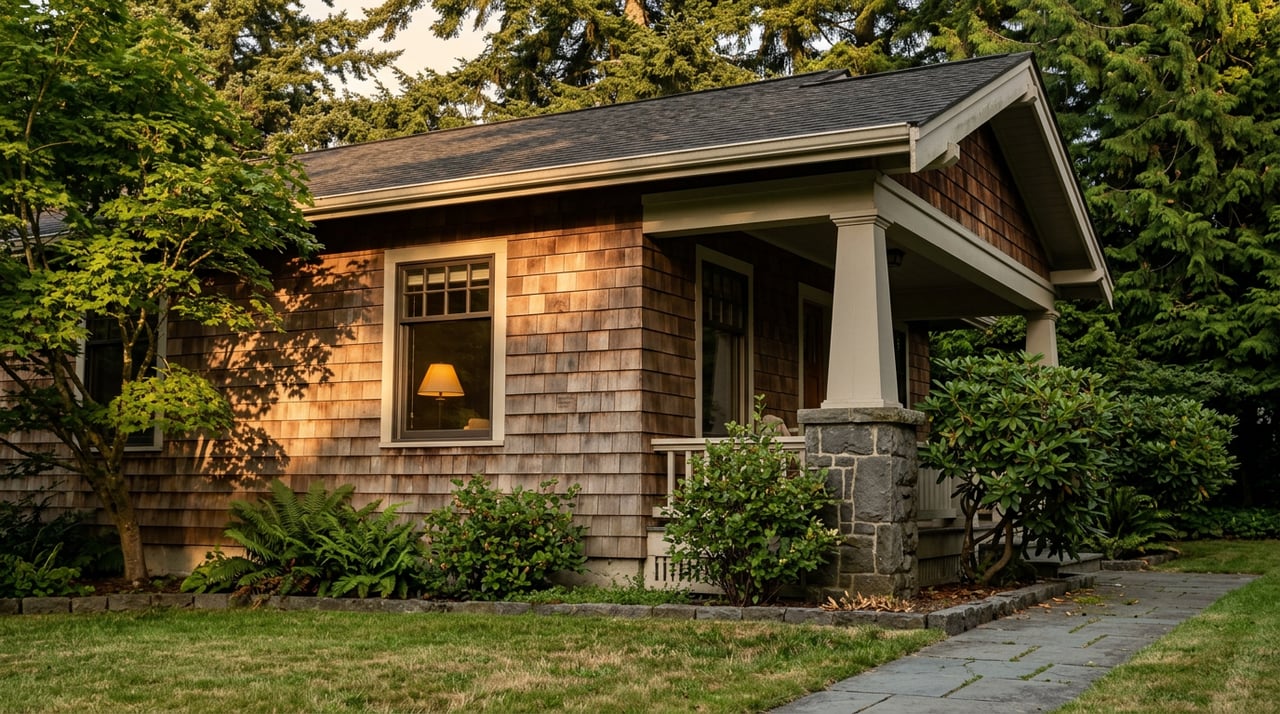
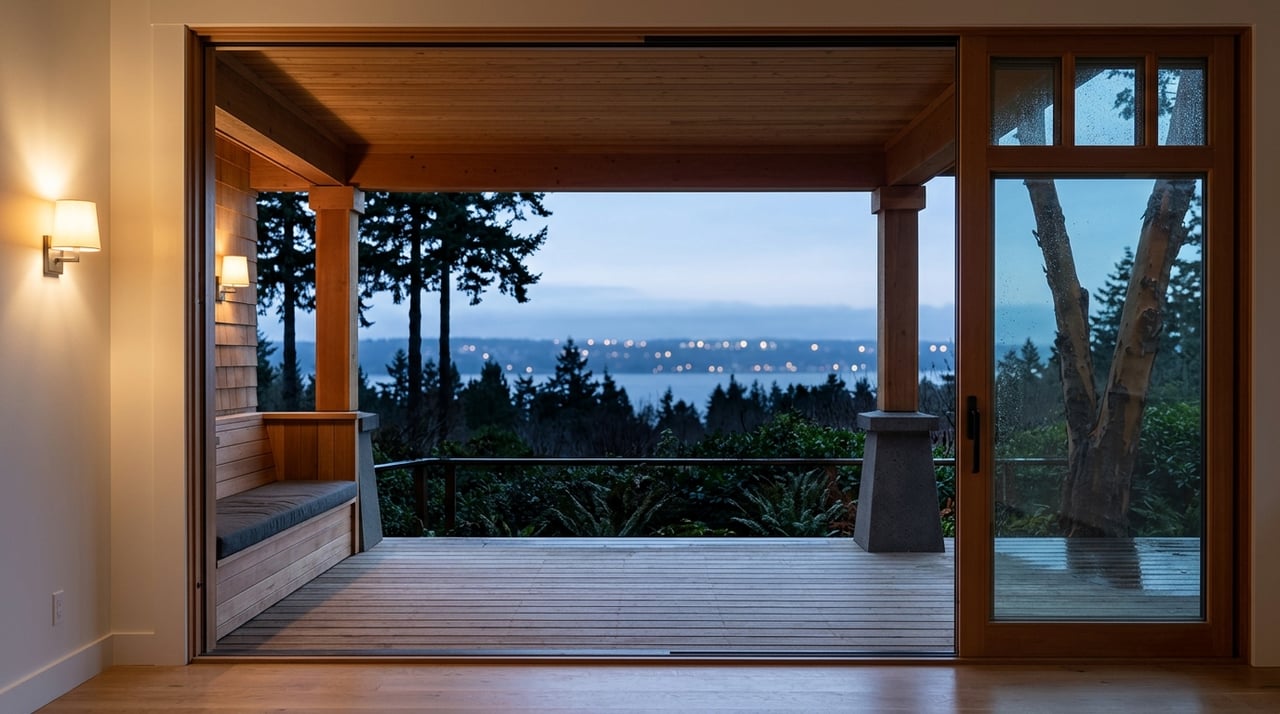
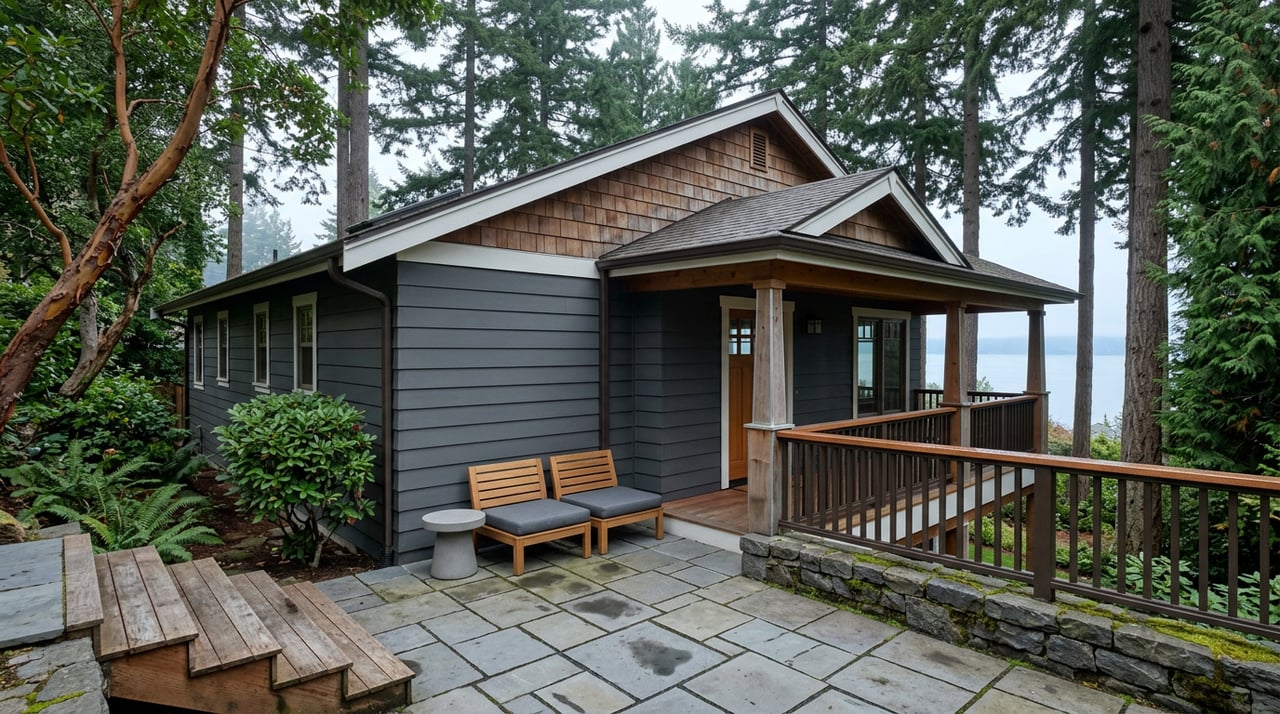
The building is 1,545 square feet and was designed by Seattle architect Johnpaul Jones. The memorial association's capital campaign page lists what the project was built to include:
- A sheltered gathering space with restrooms next to it
- A paved plaza and amphitheater, with improved accessibility
- Flexible indoor seating for up to 75 people
- Audio/video equipment and internet for educational programs
- Interpretive exhibits and historic artifacts
- Office space for National Park Service and memorial staff
Those were the plans going in. The exhibit confirmed so far comes from the Kitsap Sun's opening coverage. It tells one island family's story of forced removal to Manzanar through photos and written descriptions. Before opening, Faust told the Review that many artifacts the association had collected over the years would be housed in the new center. She also said the space was meant to host guest lectures, film screenings and other programs.
That's why the schedule matters. The exhibits are inside, and for now the building's posted regular hours are on weekends.
Two Schedules, One Site
As of late October, the site runs on several clocks at once. All of them come from the memorial's own Visit page, last updated October 18.
| What | When | Notes |
|---|---|---|
| Outdoor memorial and wall | Daily, dawn to dusk | Free; leashed dogs allowed outdoors |
| Visitor Center | Friday–Sunday, 10 a.m.–4 p.m. | Free; no pets inside; weekday hours being phased in |
| National Park Service ranger | Generally Thursday–Sunday, March through November | Hours vary; ranger has the NPS stamp and Jr. Ranger booklets |
| NPS app audio tour | Anytime | 16 stops, about 1.5 hours |
| Guided group tours | By request | Submit at least 2 weeks ahead; depends on volunteer docents |
The ranger row is the one with a deadline. The memorial is a National Historic Site with a seasonal National Park Service ranger. The ranger season generally runs March through November, so the weekends between now and the end of November are the last stretch of 2026 when the ranger, the official ink stamp and the printed Jr. Ranger booklets are likely to be on site together. Families visiting after that can use the digital Jr. Ranger booklet or request printed copies by emailing [email protected].
The audio tour works in any season and is a little hard to find. Download the National Park Service app and search for "Klondike Gold Rush-Seattle Unit National Historical Park," not the memorial's name. Then open Self-Guided Tours and choose the Japanese American Exclusion Memorial Audio Tour. At about an hour and a half, it fills most of a short December afternoon on its own.
To visit on a weekday, call 360-386-2114 and ask about availability outside the regular hours.
Why the Building Took Twenty Years and an Extra $2 Million
The limited hours make more sense once you know how hard it was to finish the building at all.
According to the Review's dedication coverage, Debra Grindeland, who teaches at Woodward Middle School, attended the ceremony. She traced the memorial back to her uncle, Frank Kitamoto, who began sharing stories of Japanese American exclusion and incarceration in the 1990s through presentations at schools, churches and conferences. She described that outreach as the start of the grassroots effort that became the memorial. The Visitor Center is the final phase of that project, and the Review describes it as completing more than two decades of work.
The last stretch was costly. In its July construction update, the Review reported that a major permitting delay left a $2 million budget gap when the costs became clear in October 2025, pushing the budget from $4.5 million to $6.5 million. New city requirements for water service to the memorial also called for a new water main along Eagle Harbor Drive. Sen. Cantwell helped secure $767,000 in federal funding toward completion, working with Sen. Patty Murray and former Rep. Derek Kilmer.
At the ceremony, Cantwell called the center "a new addition to our National Historic Sites, which is part of our National Park Service, to tell a story Americans should never forget," as the Review reported.
The memorial runs on donations and volunteers. Guided tours depend on docents from the Bainbridge Island Japanese American Community, and the association describes the extra weekday hours as being "phased in." For now, Friday through Sunday are the posted regular hours, and anything else depends on a phone call.
Getting There Once the Season Turns
The site is at Pritchard Park, 4192 Eagle Harbor Drive NE, 3.8 miles from the Winslow ferry terminal. Here are the options, roughly from easiest to hardest:
- Drive. The memorial says the trip from the ferry terminal takes about 11 minutes by car.
- BI Ride. Kitsap Transit's on-demand service can be booked with two hours' notice at 844-424-7433. The memorial's page says BI Ride doesn't run on Sundays, while Kitsap Transit's BI Ride page links to separate Sunday on-demand information. If your guests arrive on the ferry for a Sunday visit, check with Kitsap Transit before counting on a ride.
- Bike. It can be done, but the memorial describes the route as hilly, and some stretches have no bike lane.
- Walk. The memorial strongly discourages it. There are no sidewalks, and it's about 1.5 hours each way from the ferry terminal.
Parking needs a quick check before you go. In July, the Review reported that the main memorial lot would stay closed during construction until September. As of its October 18 update, the memorial's Visit page still directs drivers to the alternate area. Turn left off Eagle Harbor Drive at Taylor Avenue before the Pritchard Park entrance, then park along the curb at the circle drive or the gravel entry road. Don't continue down the hill to the marina, which is private. Look at that page the morning you go so you know which lot to use.
The grounds are ADA-compliant, with packed gravel paths, gentle slopes and wooden bridges that can get slippery when wet. In a Puget Sound winter, that means good shoes and an unhurried pace on the way down to the water.
Planning a Winter Visit
Put together, the schedule makes the plan simple. Arrive on a Friday, Saturday or Sunday between 10 a.m. and 4 p.m., or call ahead about a weekday. Start inside the Visitor Center, then walk the wall while there's still daylight. The building closes at 4, and on the shortest December days the outdoor memorial's dawn-to-dusk hours end soon after. For a school, scout, family or community group, request a docent tour at least two weeks ahead. Tours depend on docent availability, and the memorial confirms each one by email.
The memorial's guiding message, Nidoto Nai Yoni, translates as "Let It Not Happen Again." The Visitor Center's regular hours are Friday through Sunday, 10 a.m. to 4 p.m., and admission is free.
If you're hosting family this winter and want help building an island itinerary around the memorial's weekend hours, McLaughlin & Co is happy to share what we know. Make time for coffee and we'll talk it through.