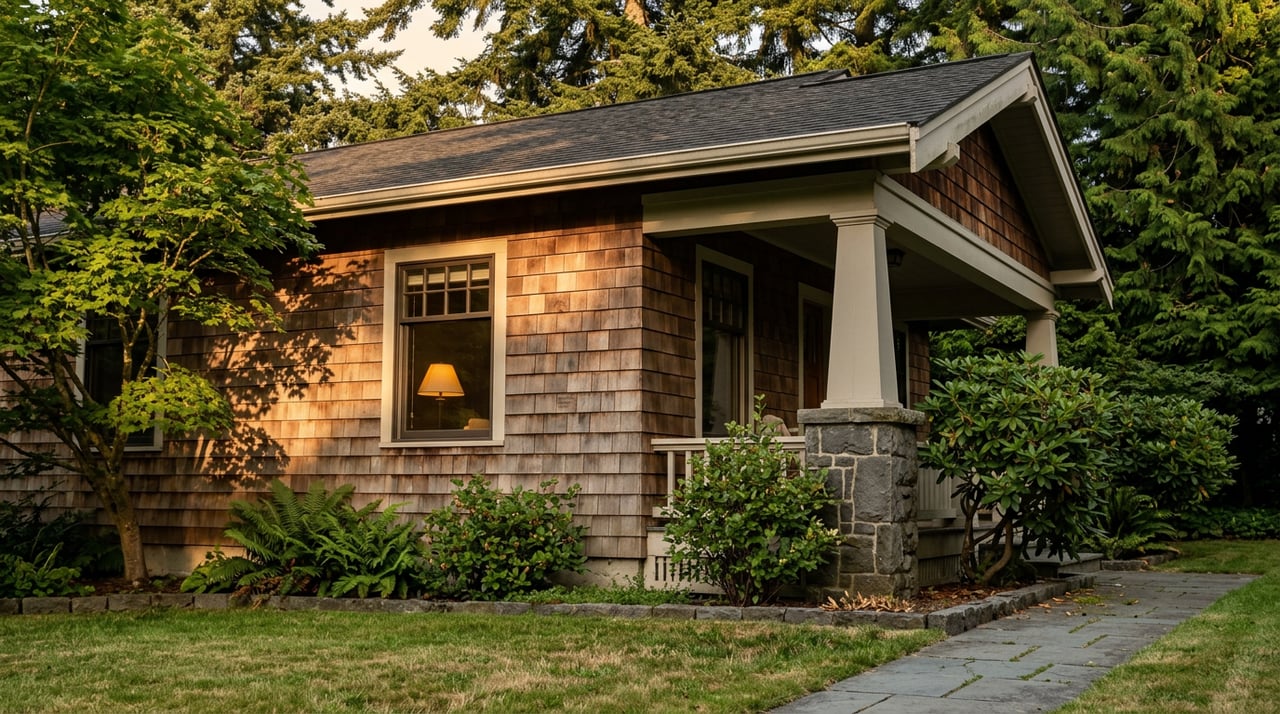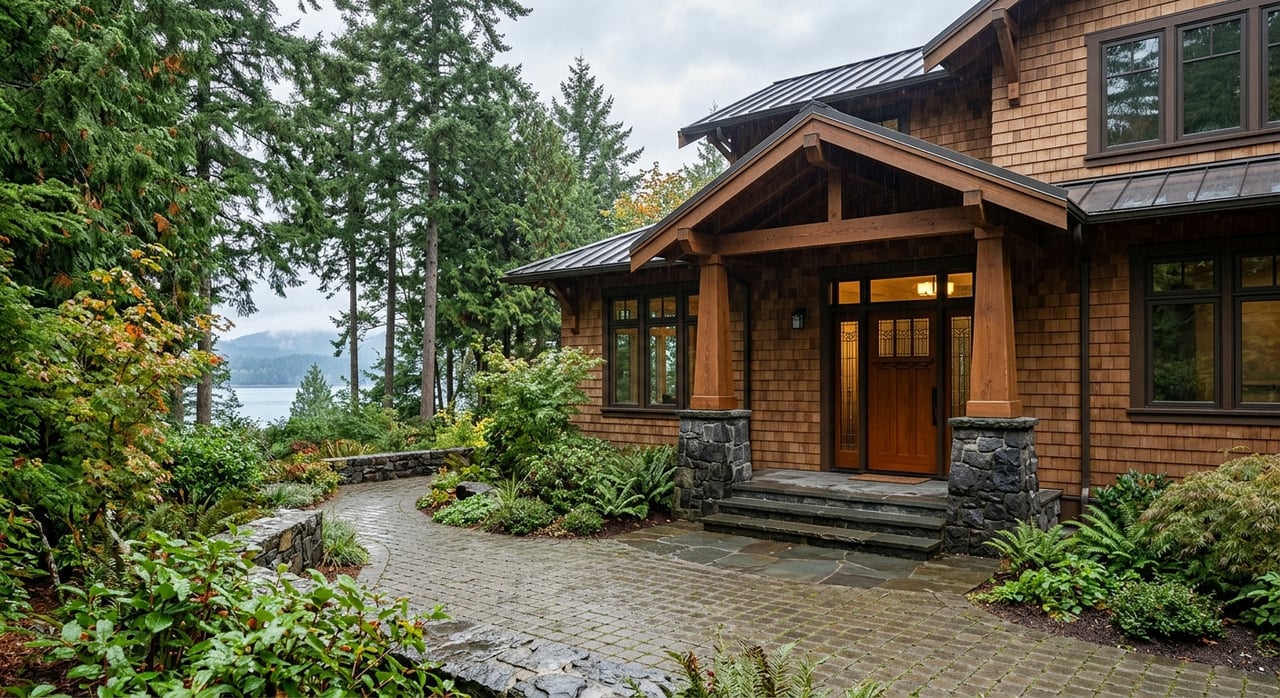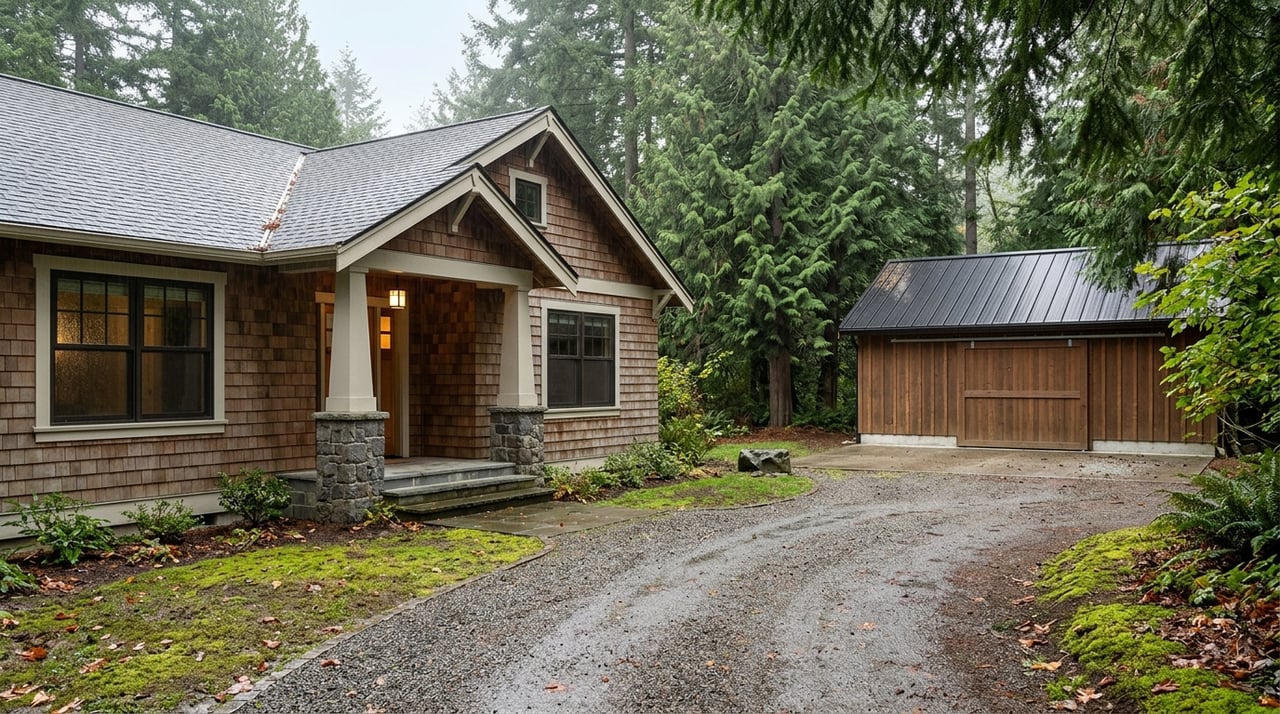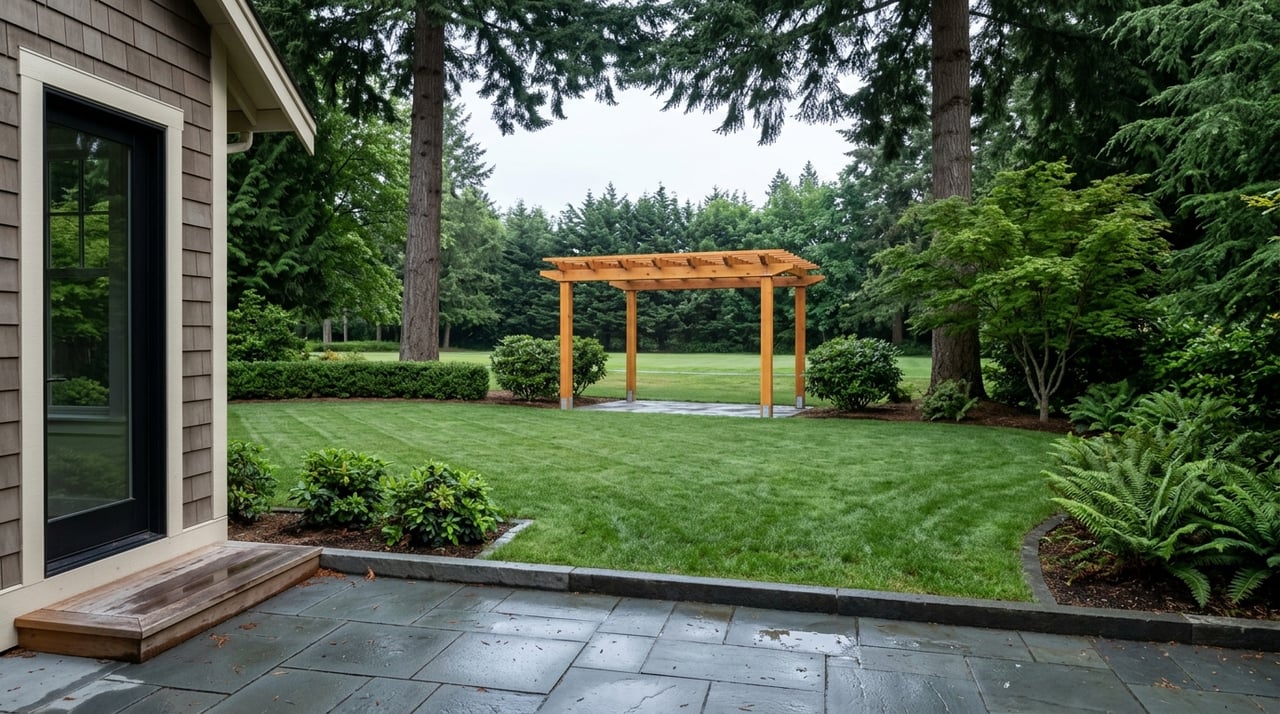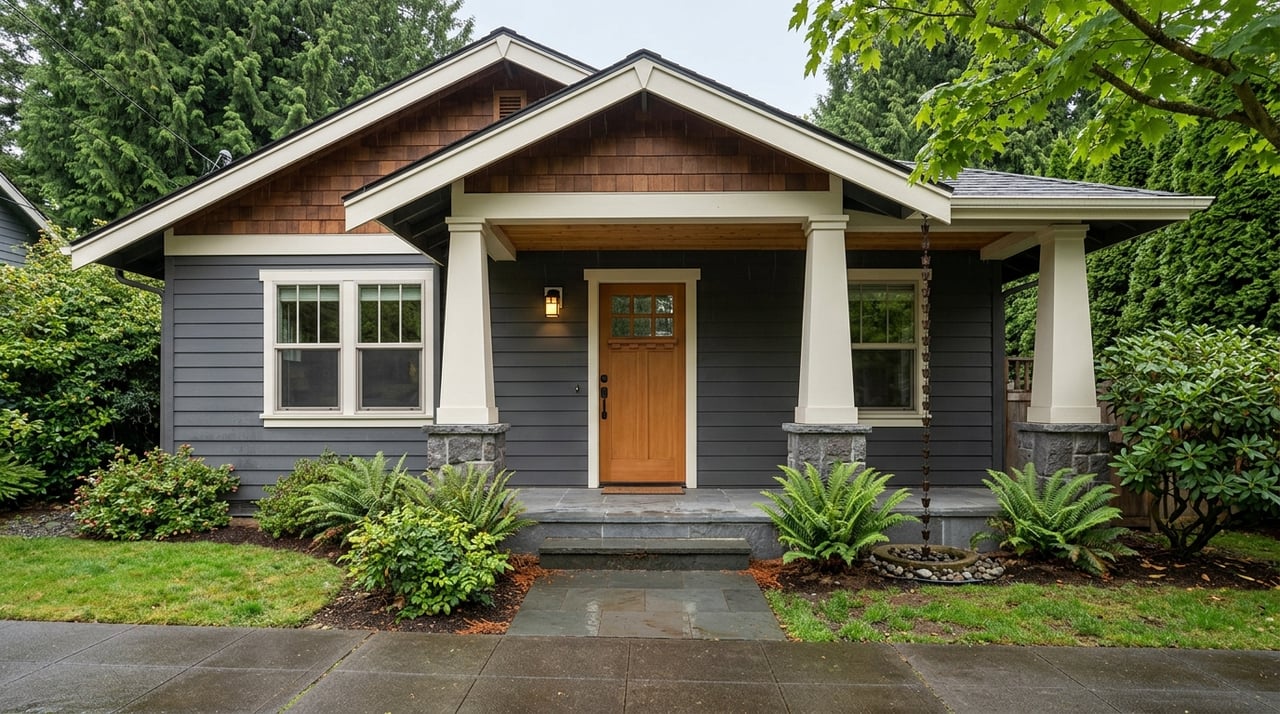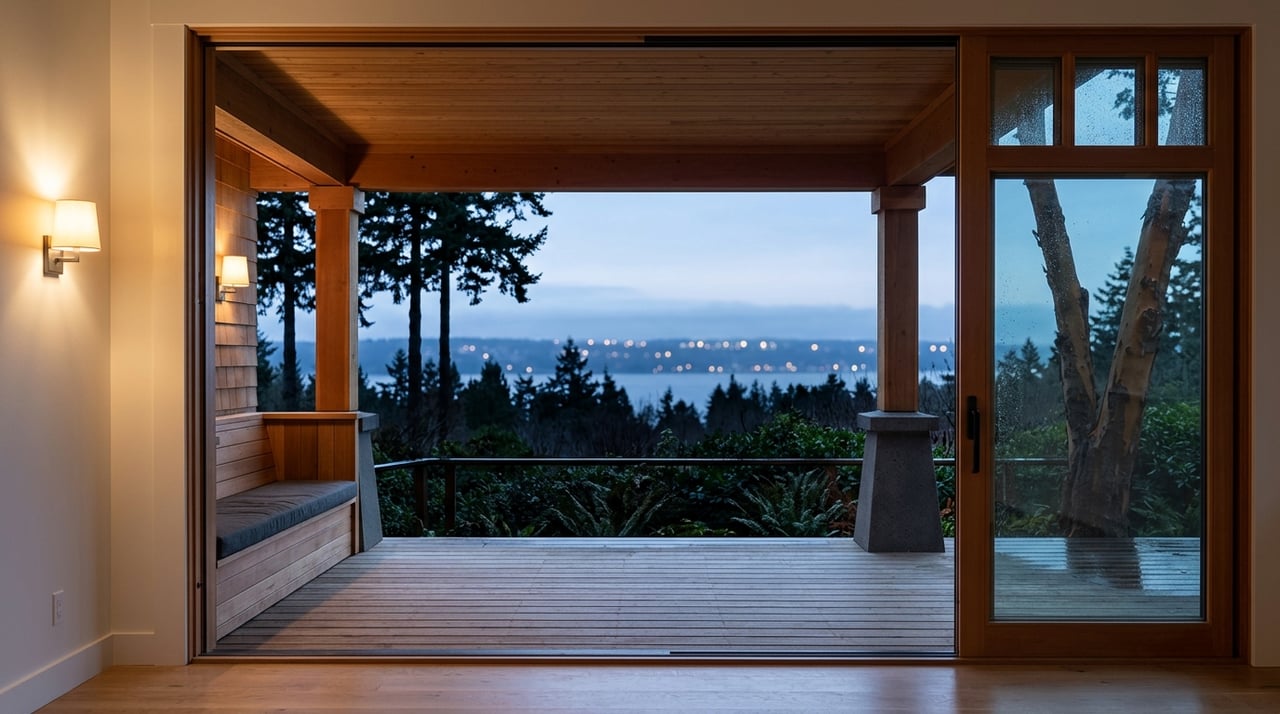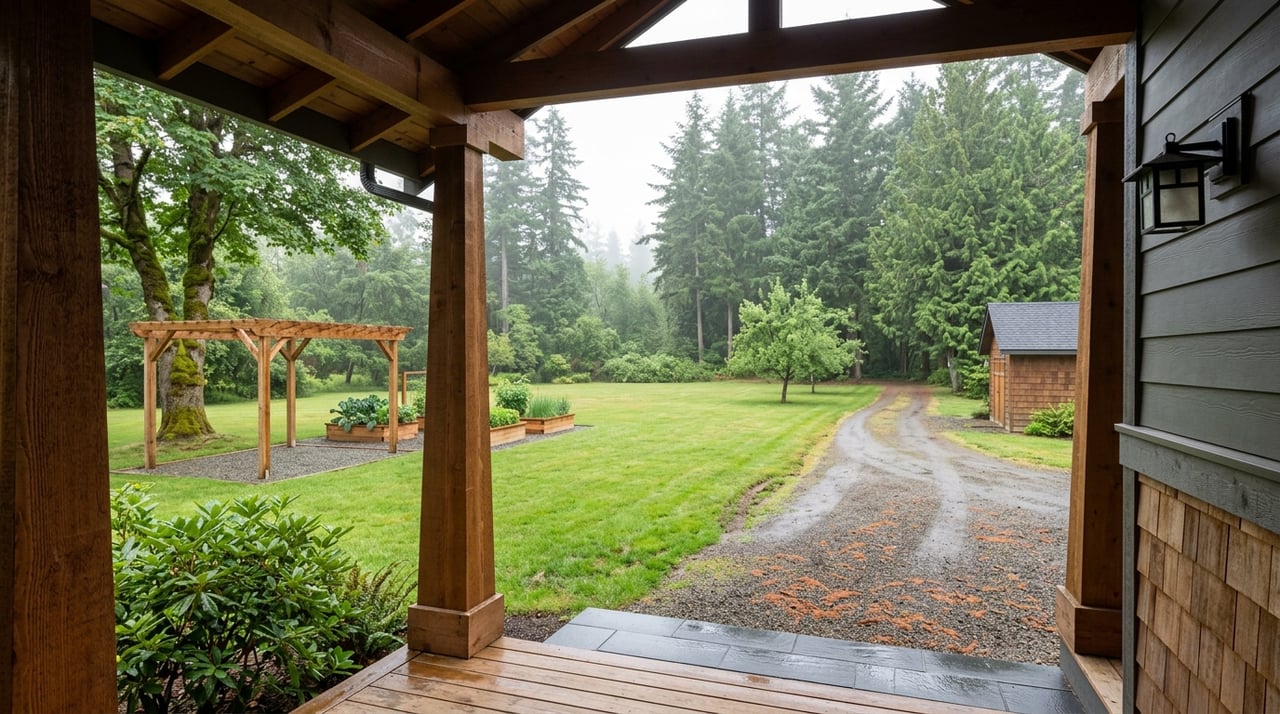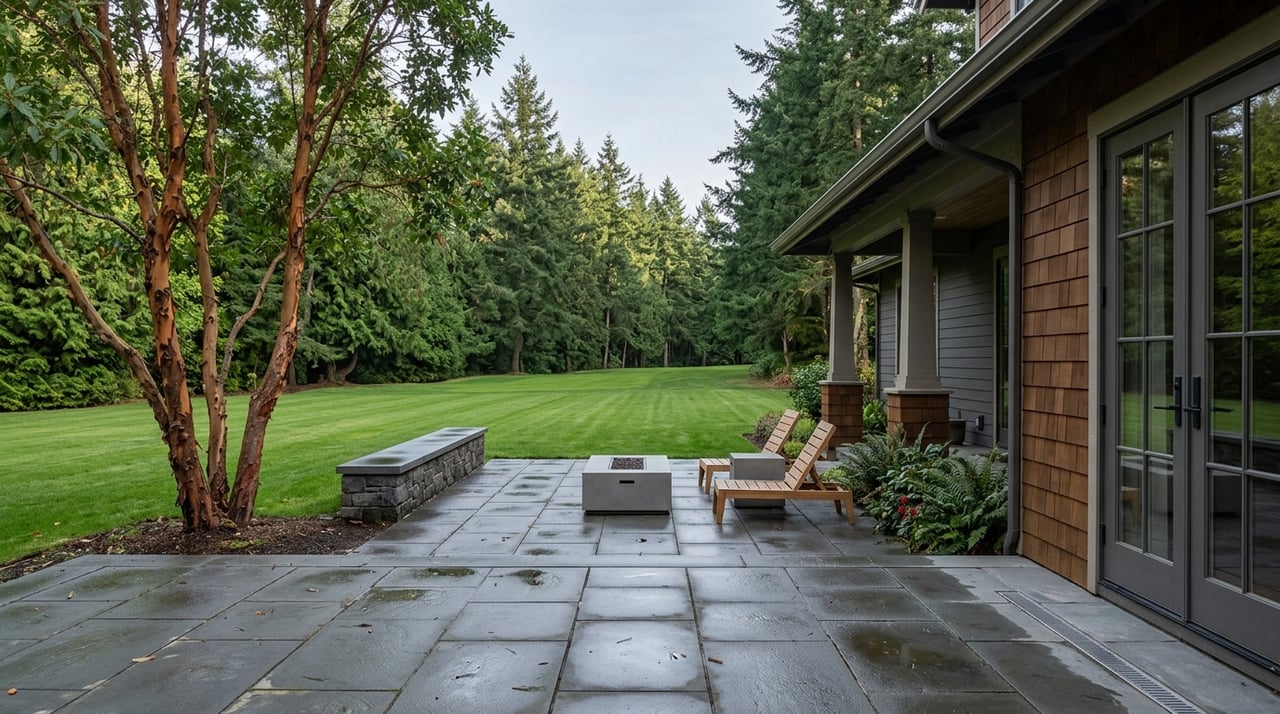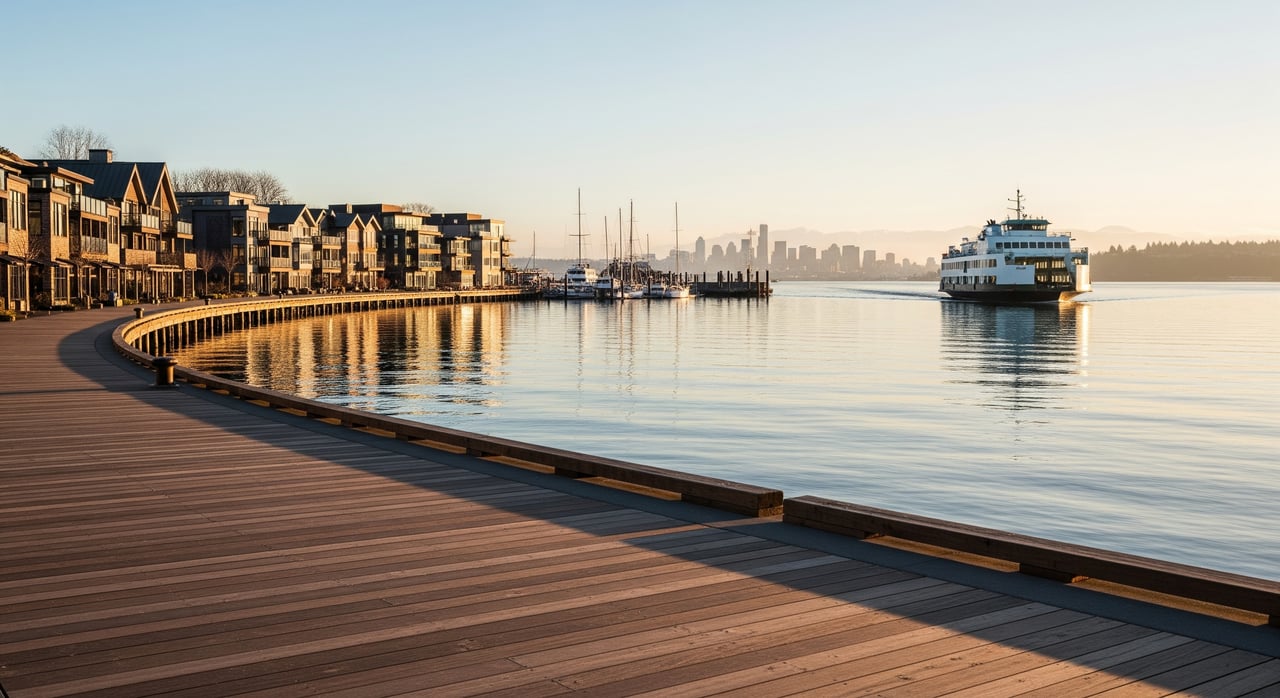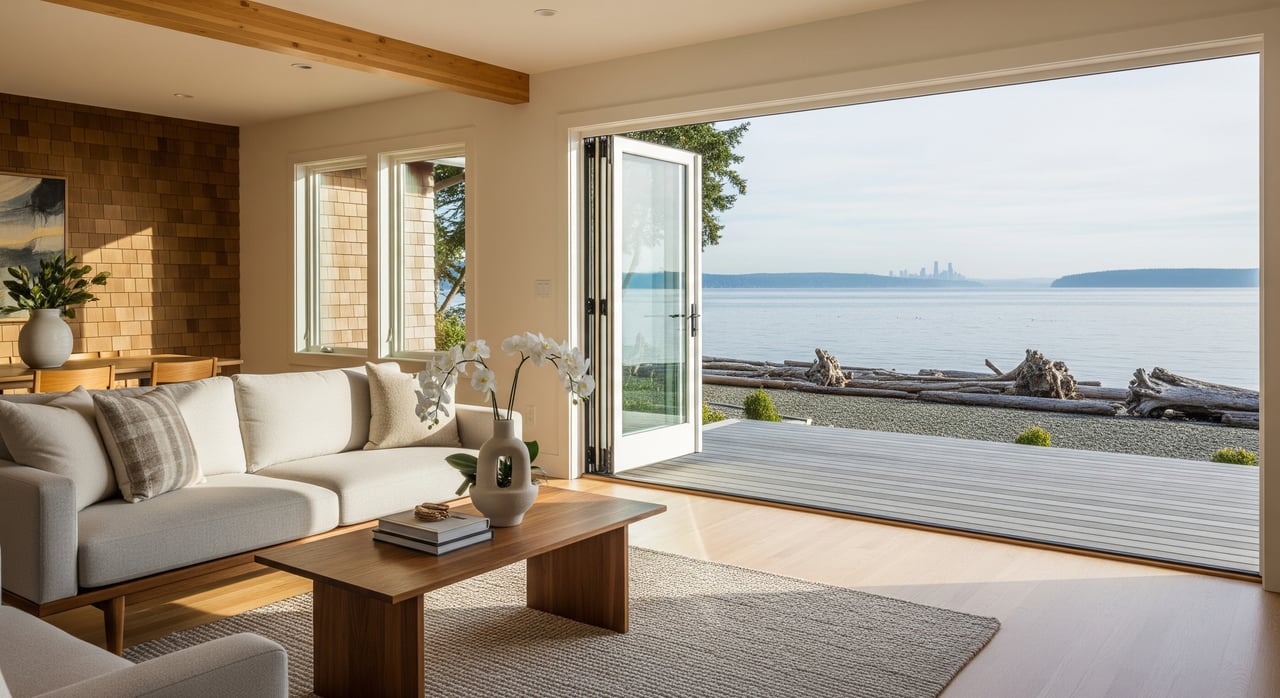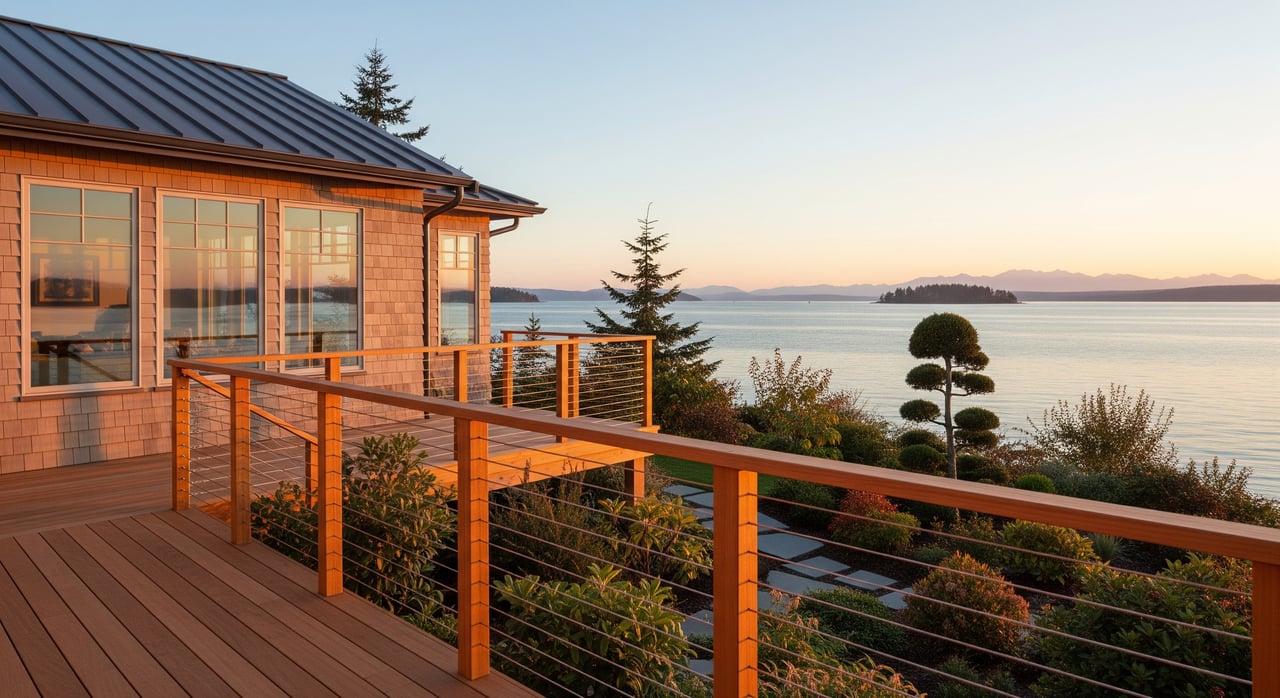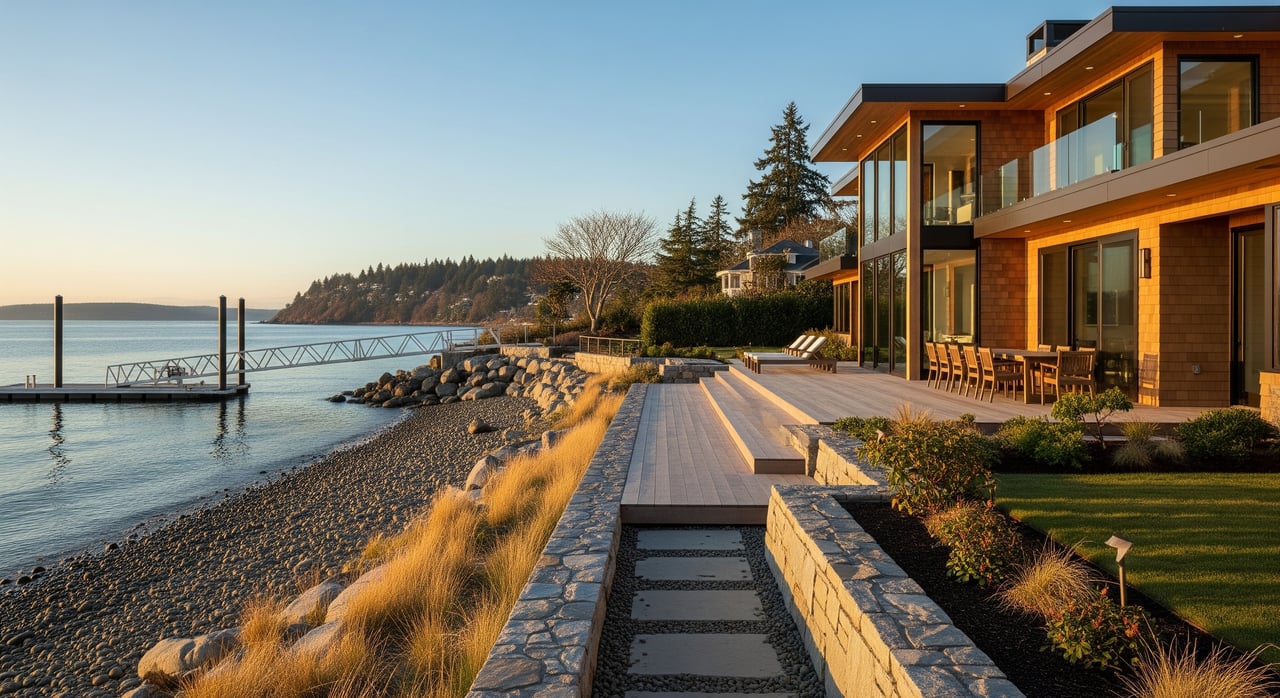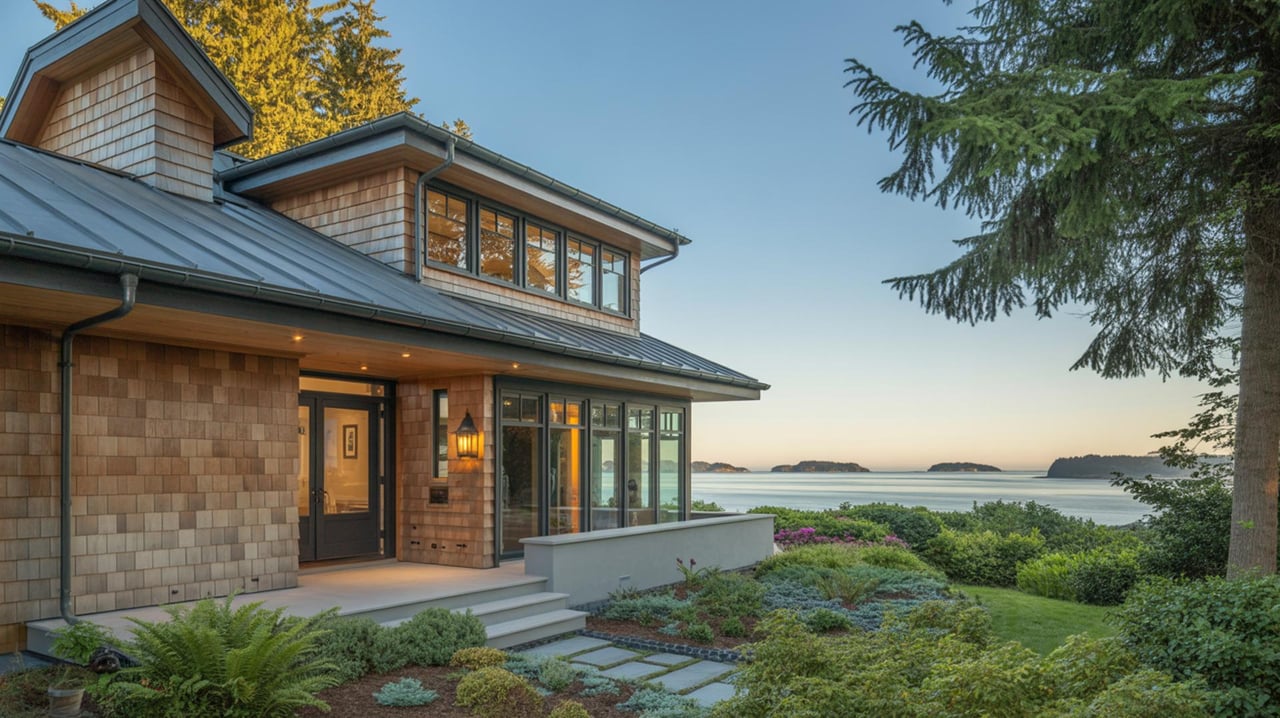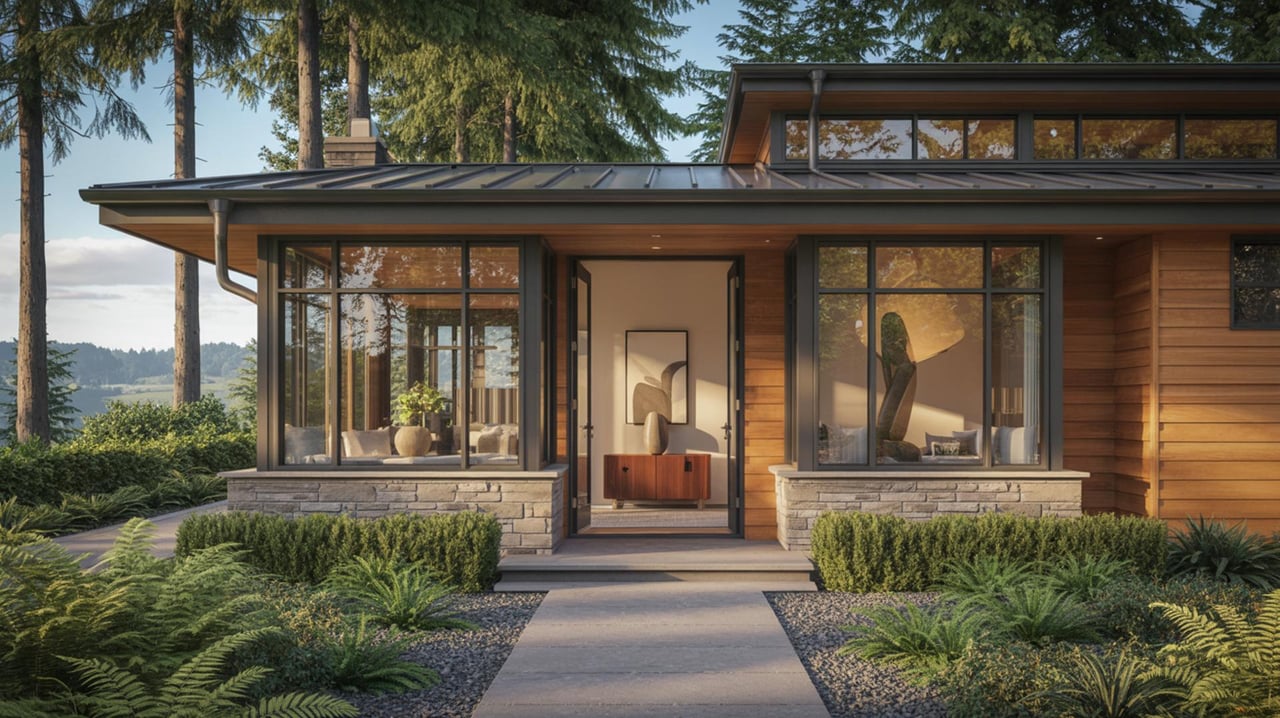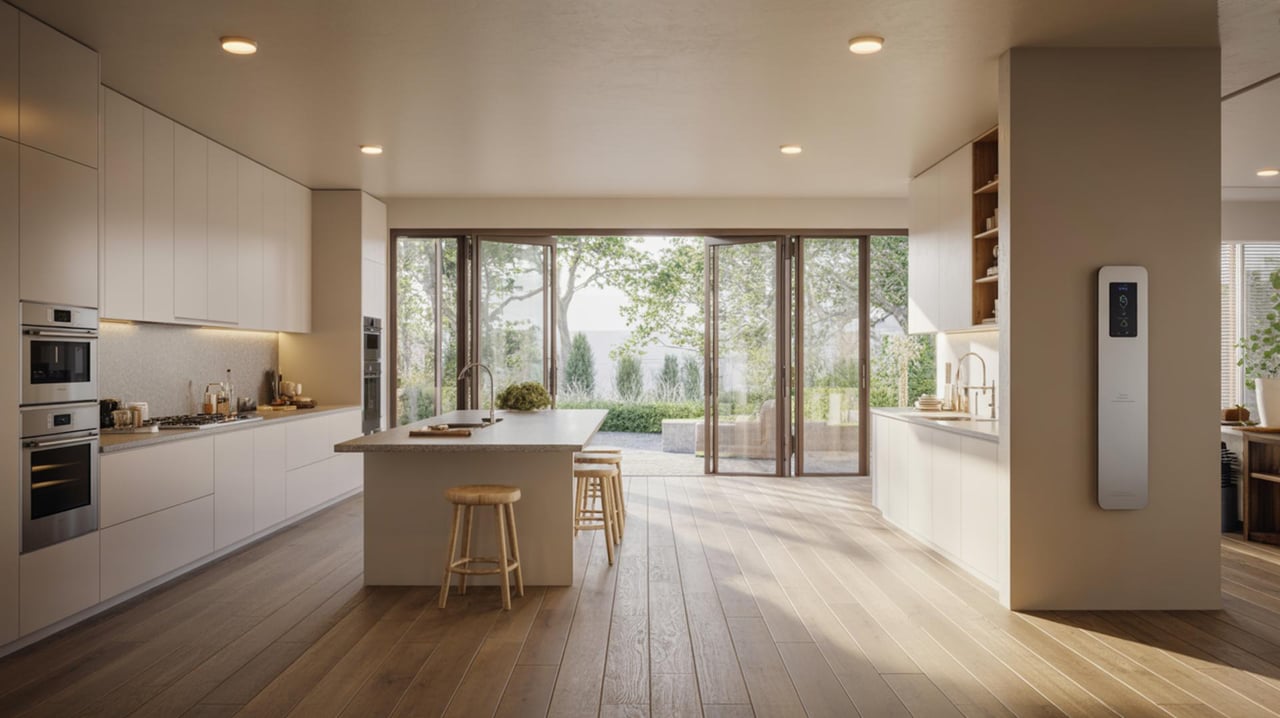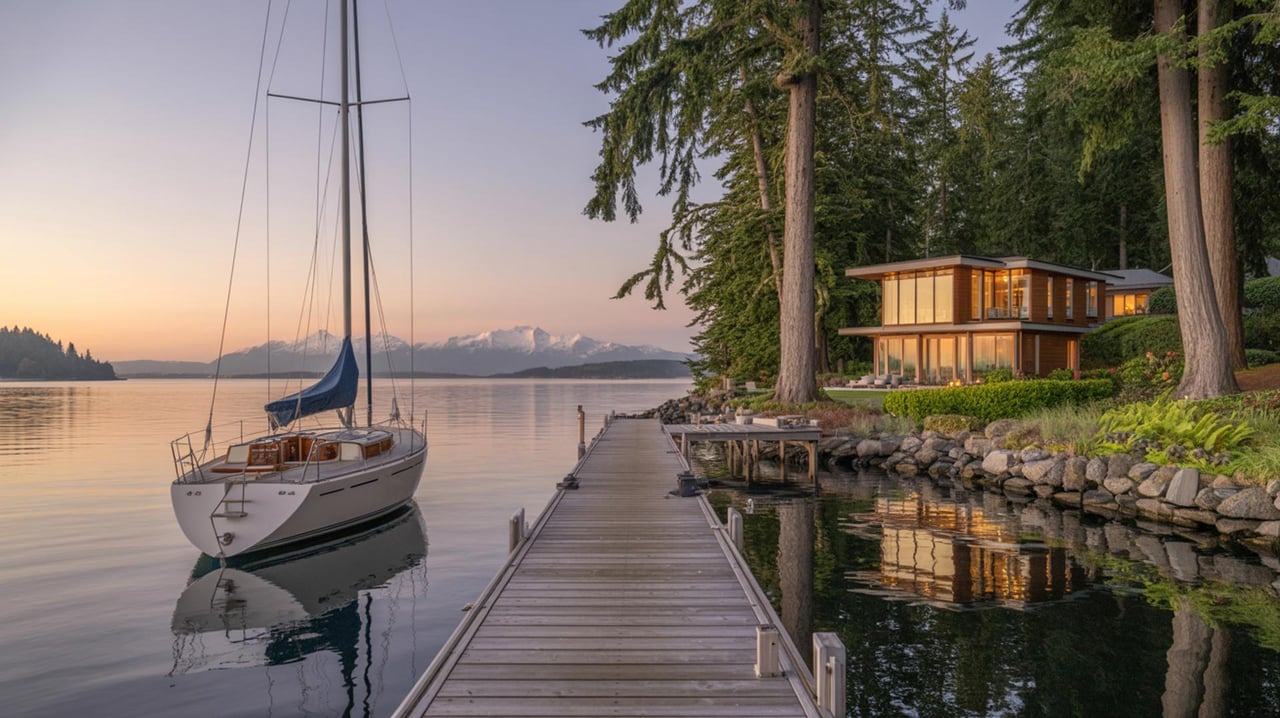
Washington eliminated one of the biggest barriers to building an accessory dwelling unit in 2023, when the legislature passed a law that stripped cities of the power to require owner-occupancy, set a floor on how small a city can force an ADU to stay, and told local governments they can no longer use parking as an excuse to say no near transit. On most of Bainbridge Island, though, the agency that actually decides whether a homeowner can add a rentable second unit was never the city planning department. It's the Kitsap Public Health District, and its yes or no depends on a tank and a gravel bed buried in the yard long before anyone in Olympia wrote that bill.
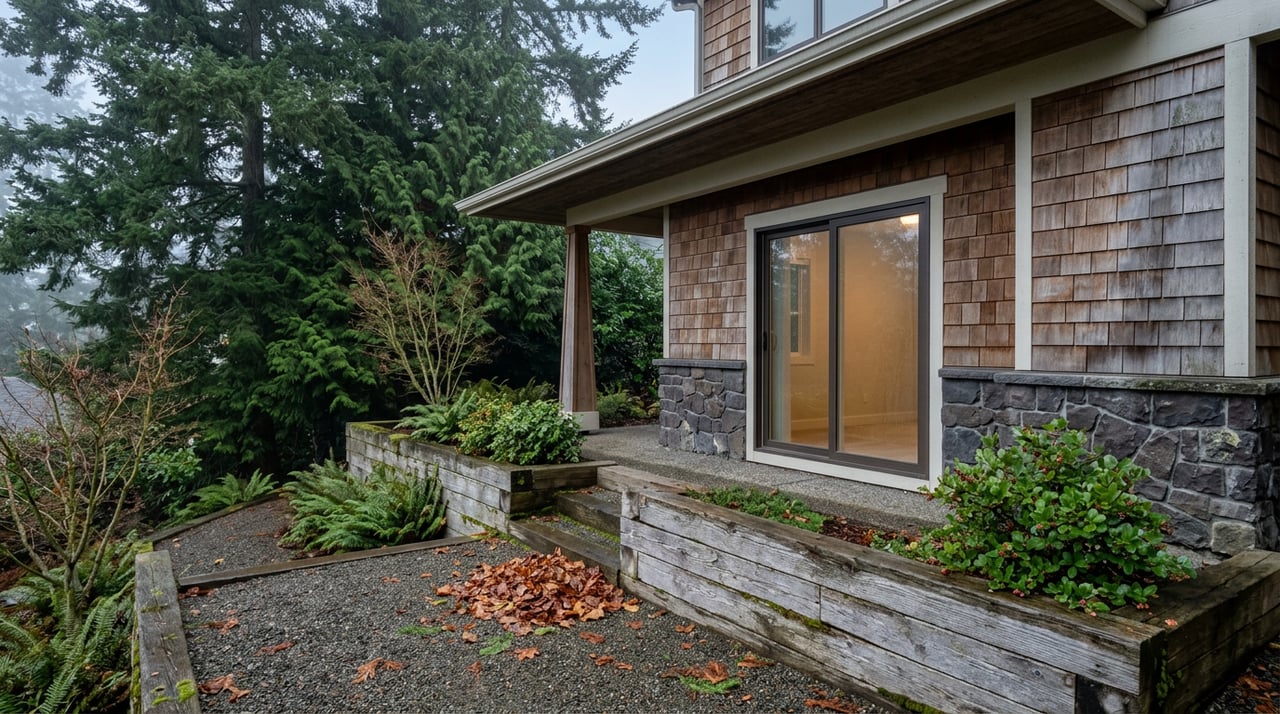
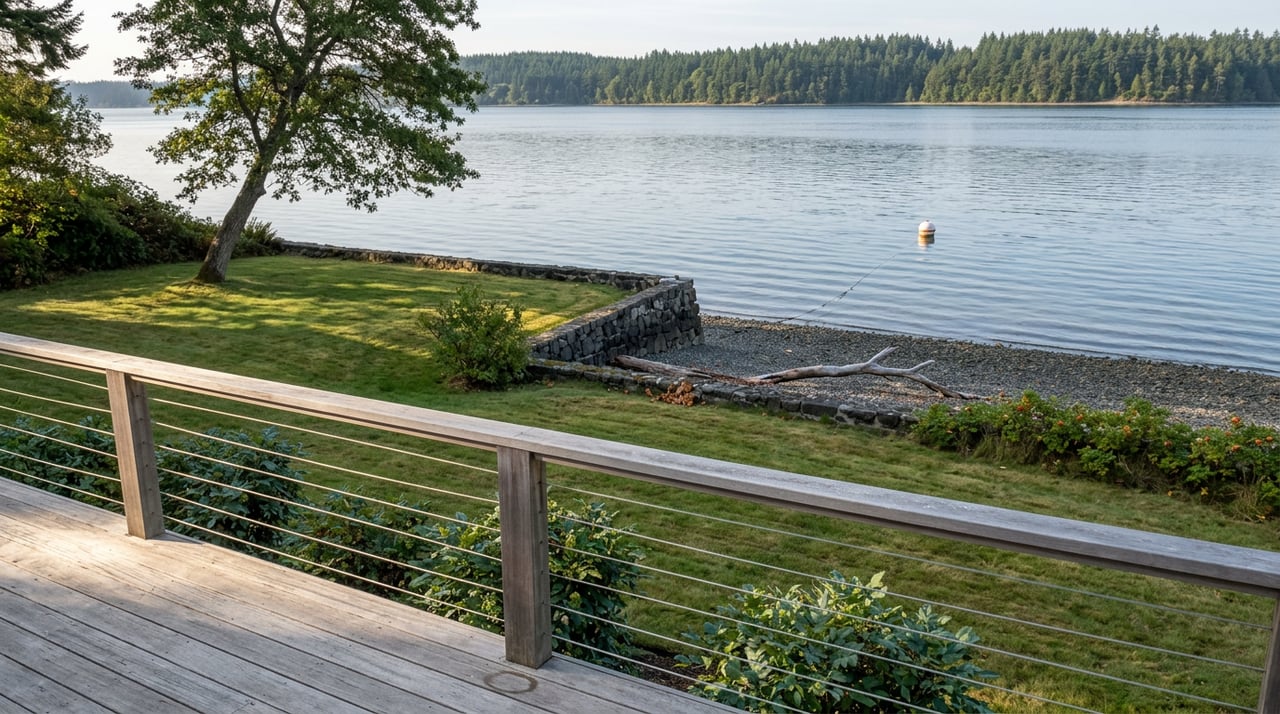
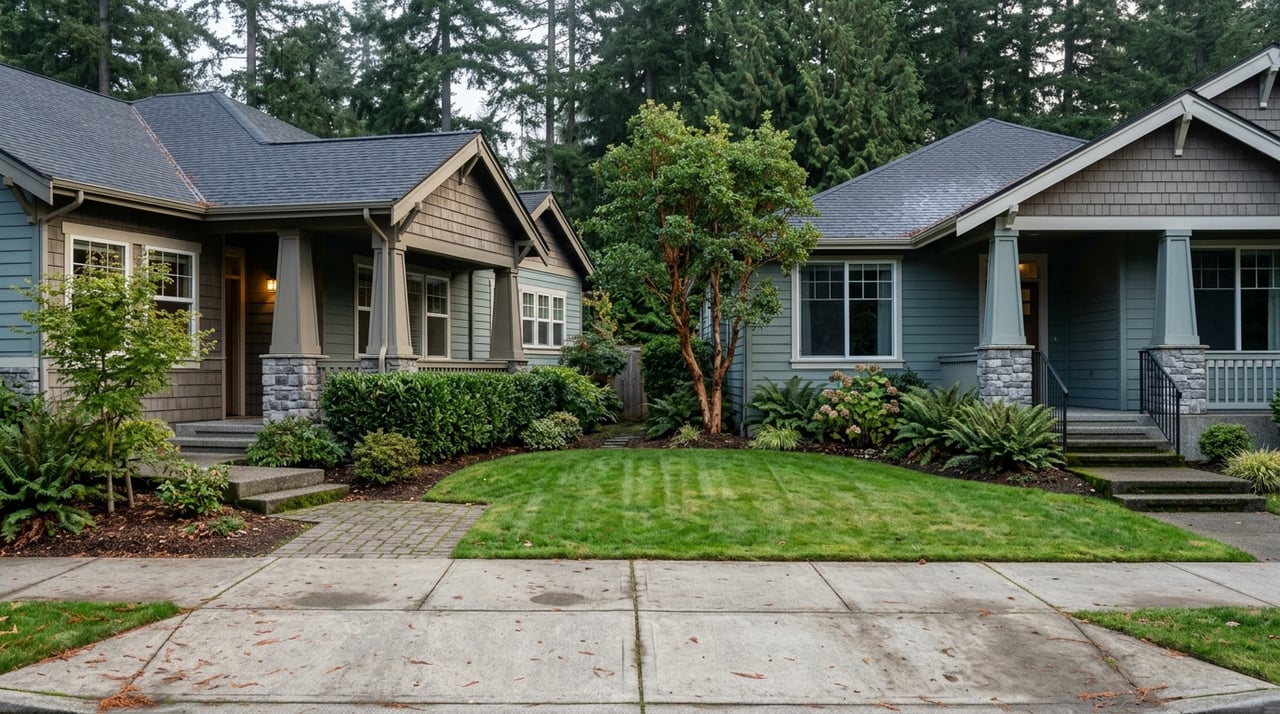
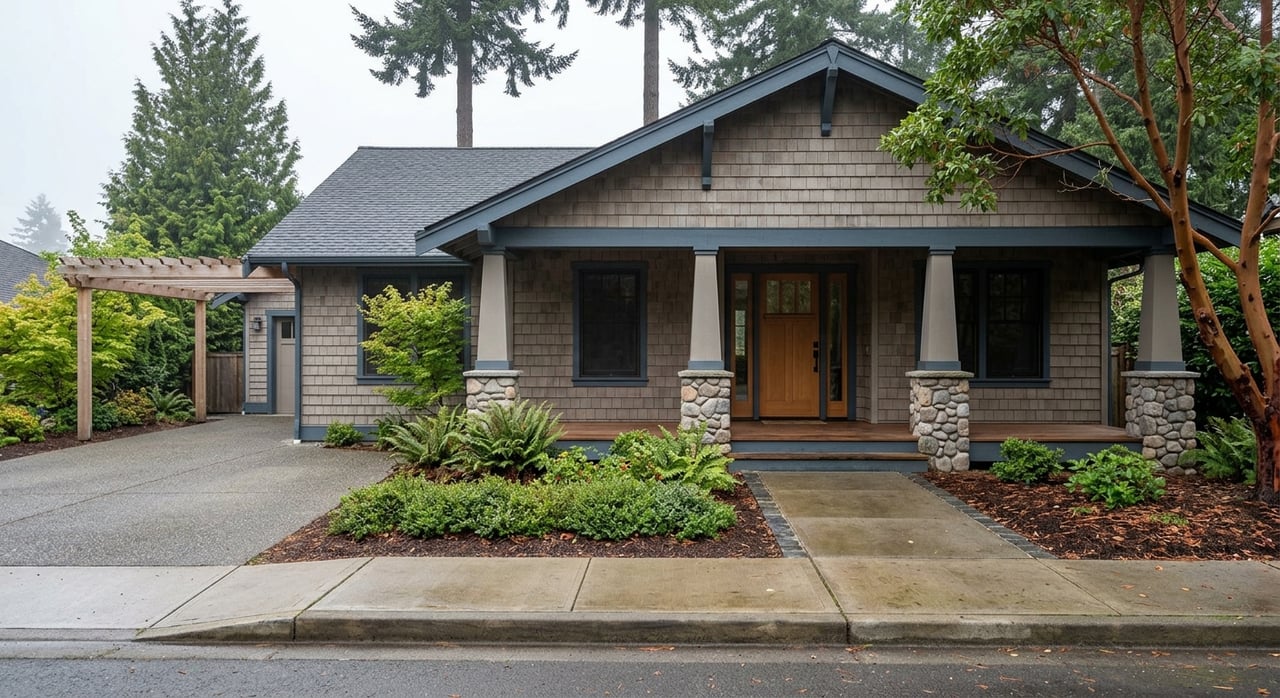
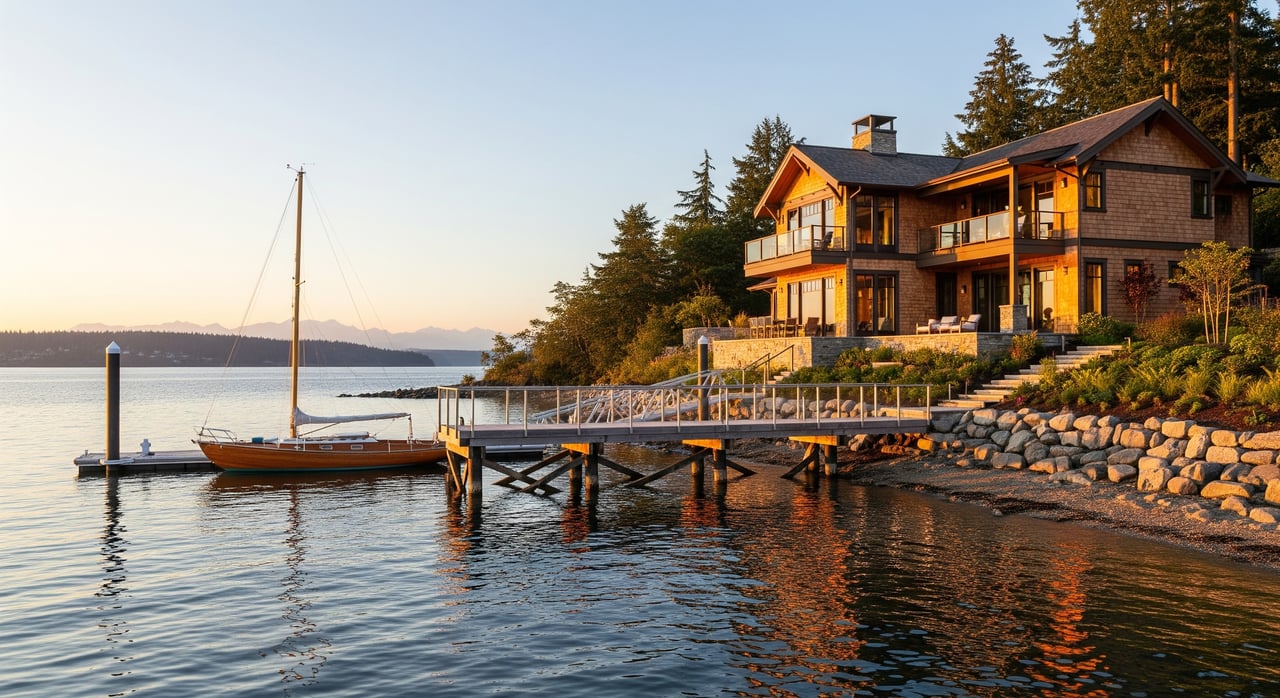
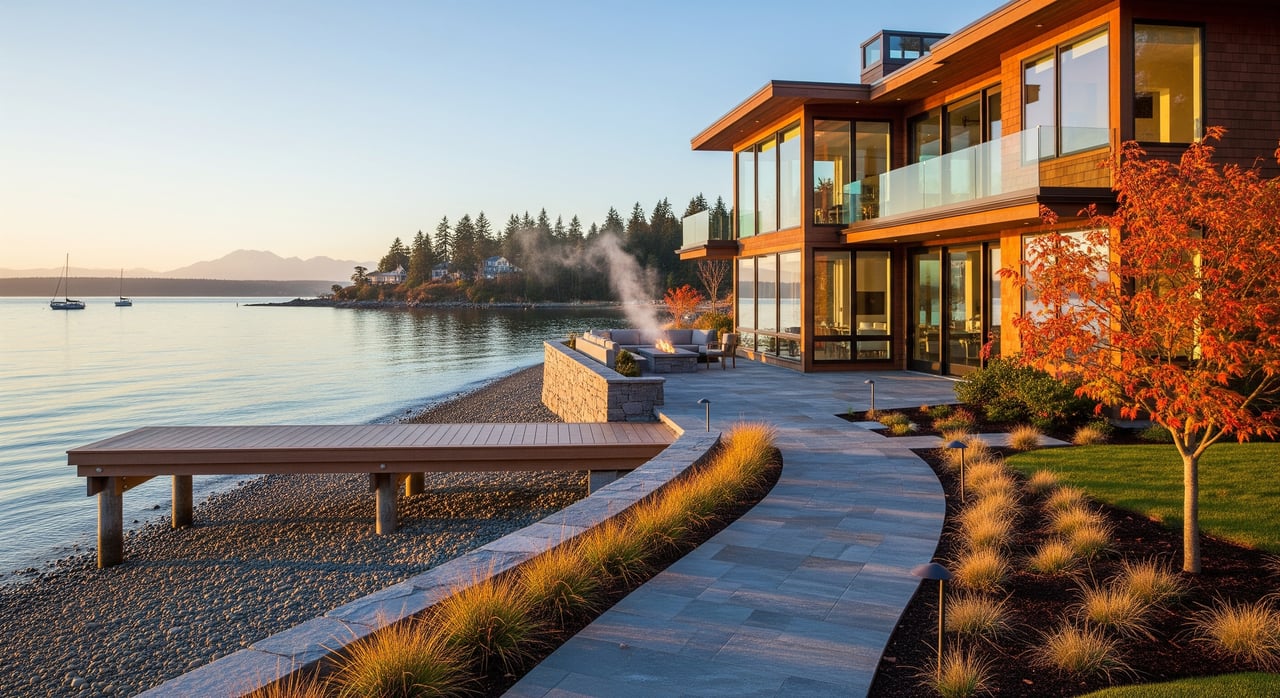
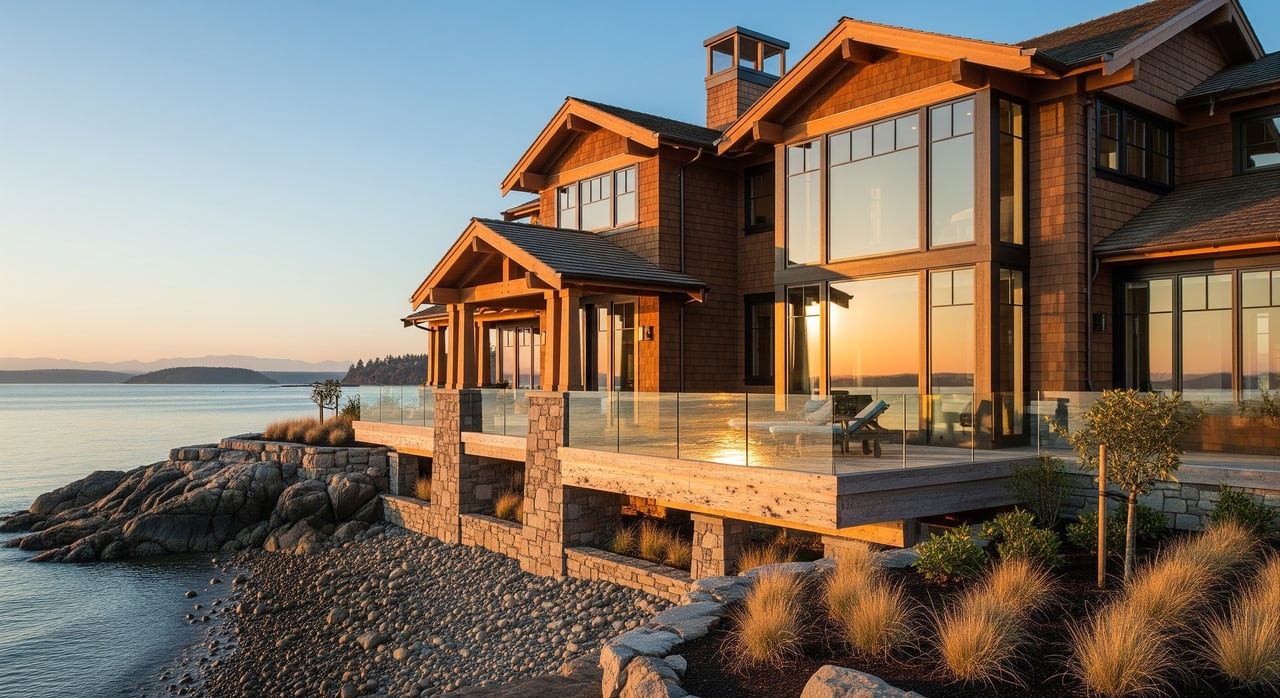
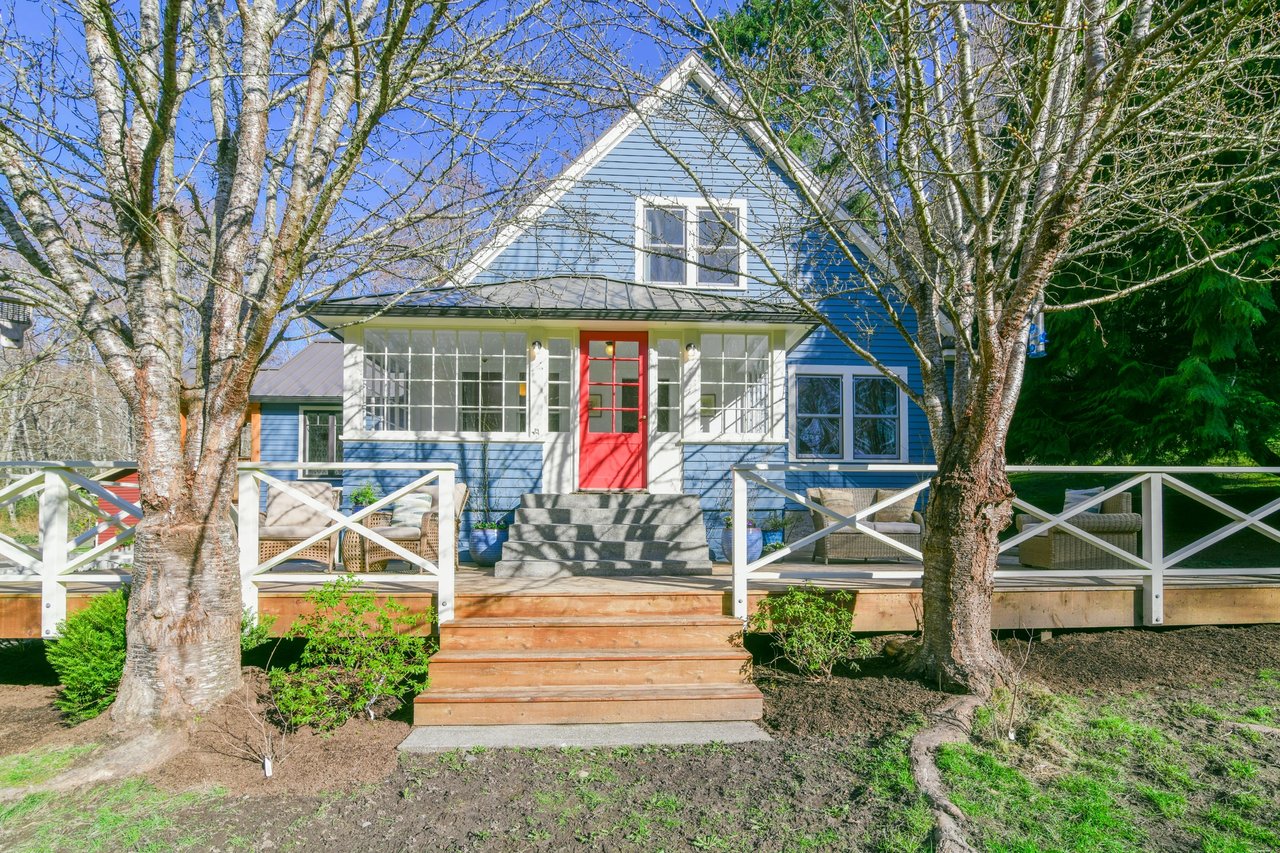
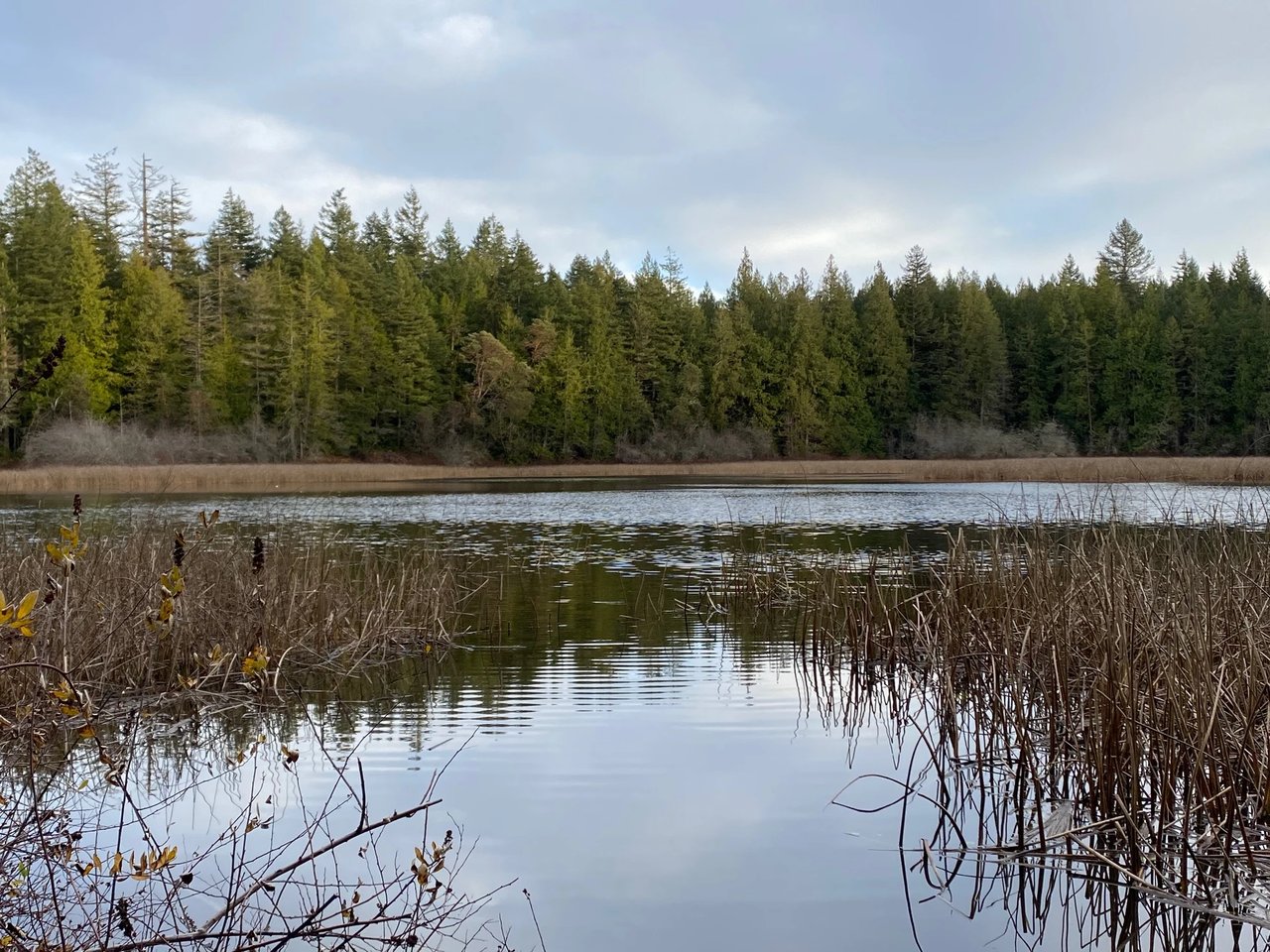
Battle Point is a useful place to watch this play out. The neighborhood sits outside both of the city's municipal sewer service areas: the Winslow Sewer System, which covers the historic downtown core, and the South Island Sewer System, which reaches Lynwood Center, Point White, Pleasant Beach, Emerald Heights, Blakely School and Rockaway Beach. Battle Point isn't on either list. Recent listings along Battle Point Drive NE confirm what that omission means on the ground: septic tank for wastewater, an individual well for water, the same combination showing up on lot after lot in this part of the island. As of early 2026, only about one in five homes on Bainbridge Island connects to a public sewer line. On Battle Point, the private system isn't the exception. It's close to the default.
What the State Actually Guaranteed
Washington's 2023 ADU law rewrote the floor for every city in the state, Bainbridge Island included. A city can no longer require that the owner live in either the main house or the ADU, a rule that used to keep a lot of would-be landlords out of the market entirely. Cities also have to allow ADUs of at least 1,000 square feet, and they can't demand off-street parking for a unit sitting within half a mile of major transit. None of that is optional for the city to grant. It's the minimum the state now requires cities to permit.
None of it touches what happens underground.
The Approval That Comes After
Bainbridge Island's own ADU guidance is direct on this point: a property must connect to public sewer and water where that service is available, and if it isn't, and the home runs on a septic system, the applicant needs a separate sign-off from the Kitsap Public Health District before the city moves the permit forward. That review isn't a formality. A septic system is sized for a specific number of bedrooms and a specific daily flow, calculated when the tank and drainfield went in, sometimes decades before anyone on the property thought about adding a second kitchen and a second bathroom on the same lot.
Add a bedroom's worth of new plumbing and you're asking a system built for less to handle more than it was designed for. The health district's review exists to catch that mismatch before the drainfield does. On septic-served lots, this is the step that decides whether an ADU stays a straightforward remodel or turns into a project that also needs a new or expanded system, additional drainfield area, or in some cases a different design altogether.
Lot size adds another layer specific to septic. Local ADU designers working on Bainbridge routinely flag a minimum lot size of 20,000 square feet for a detached unit unless the property already has a sewer connection, a threshold tied to the room a septic system and its drainfield need to keep a safe distance from wells, buildings, and property lines. On a neighborhood built around half-acre to multi-acre parcels, that number rarely rules anyone out on its own. It's still a reminder that the constraint shaping a detached cottage in Battle Point isn't the same constraint a downtown Winslow condo owner never has to think about.
One Property, Done Right
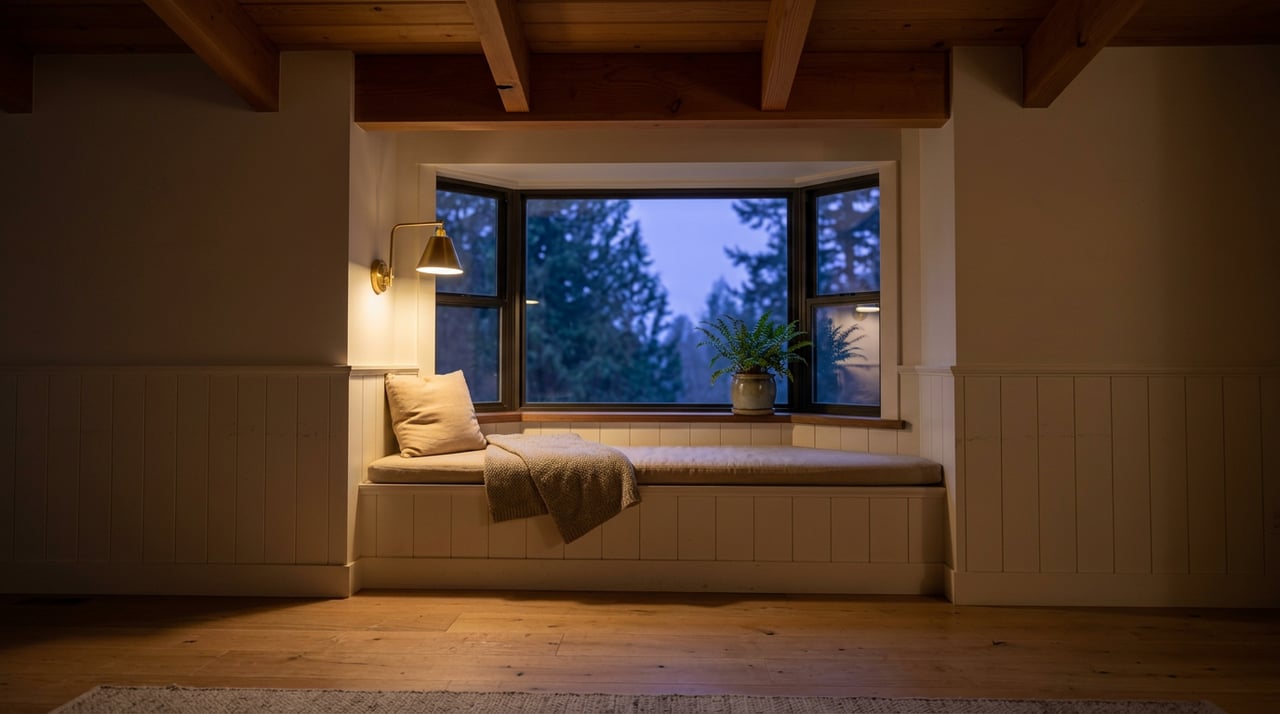
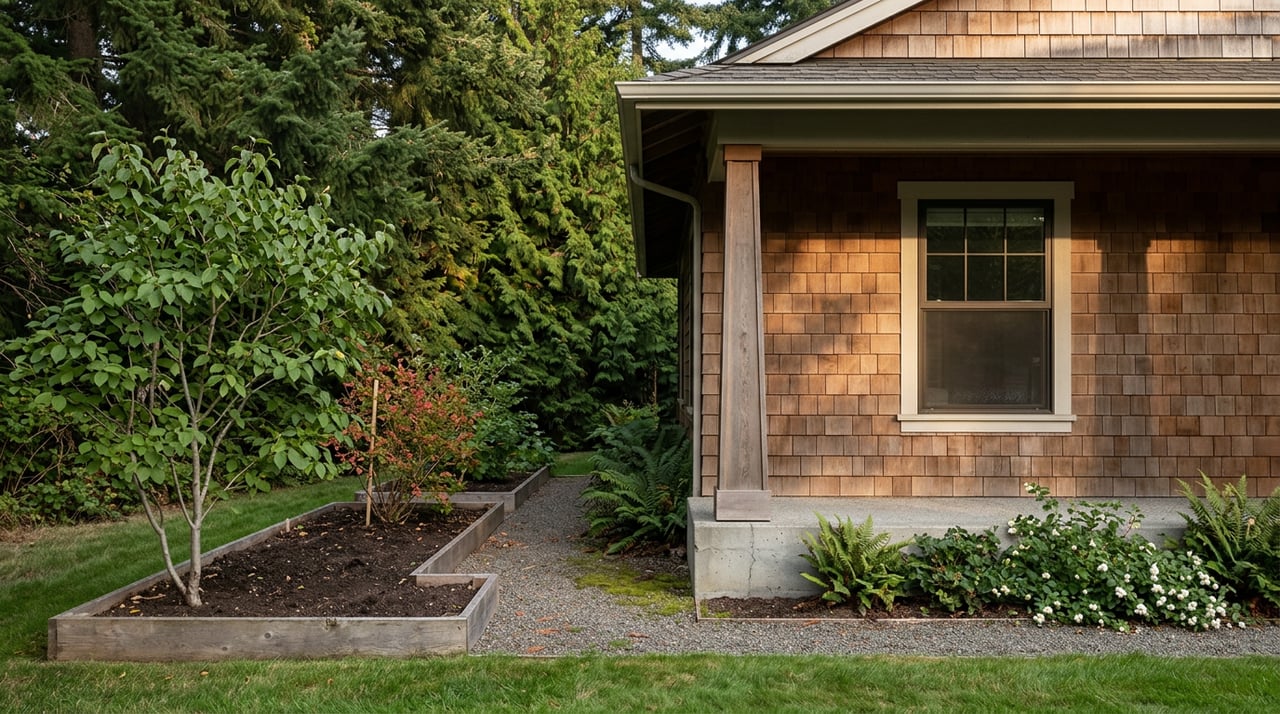
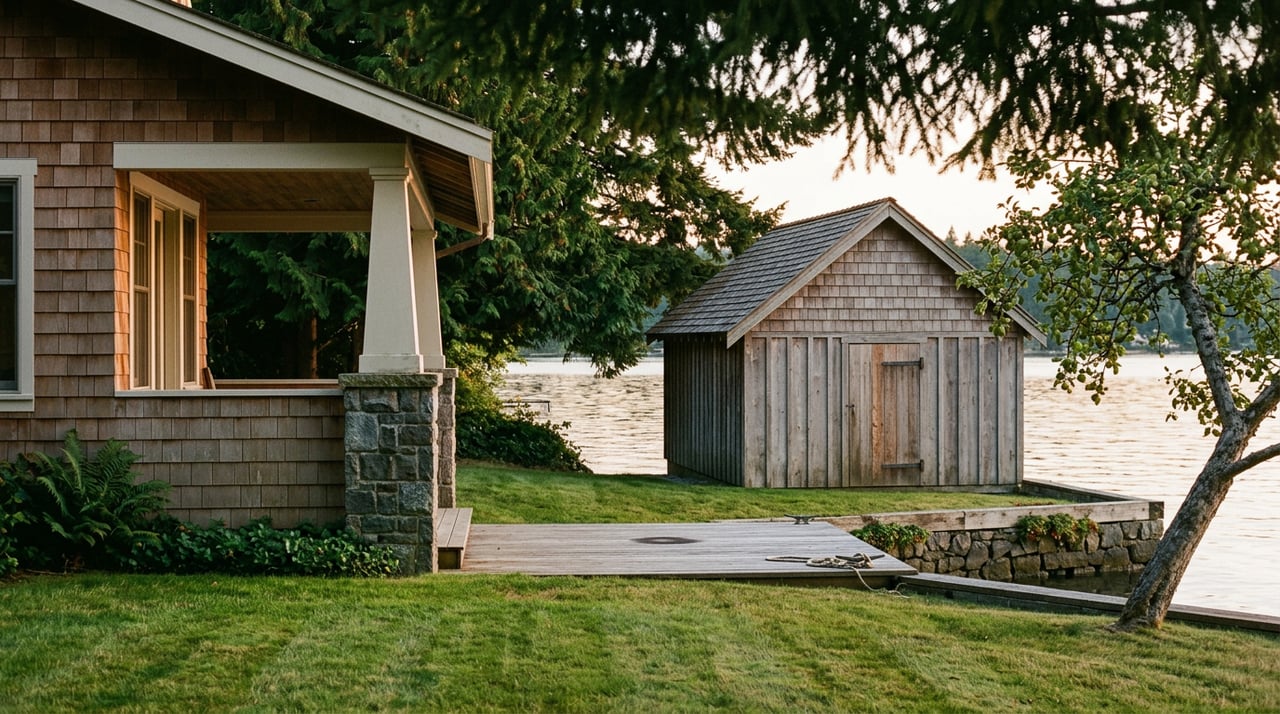
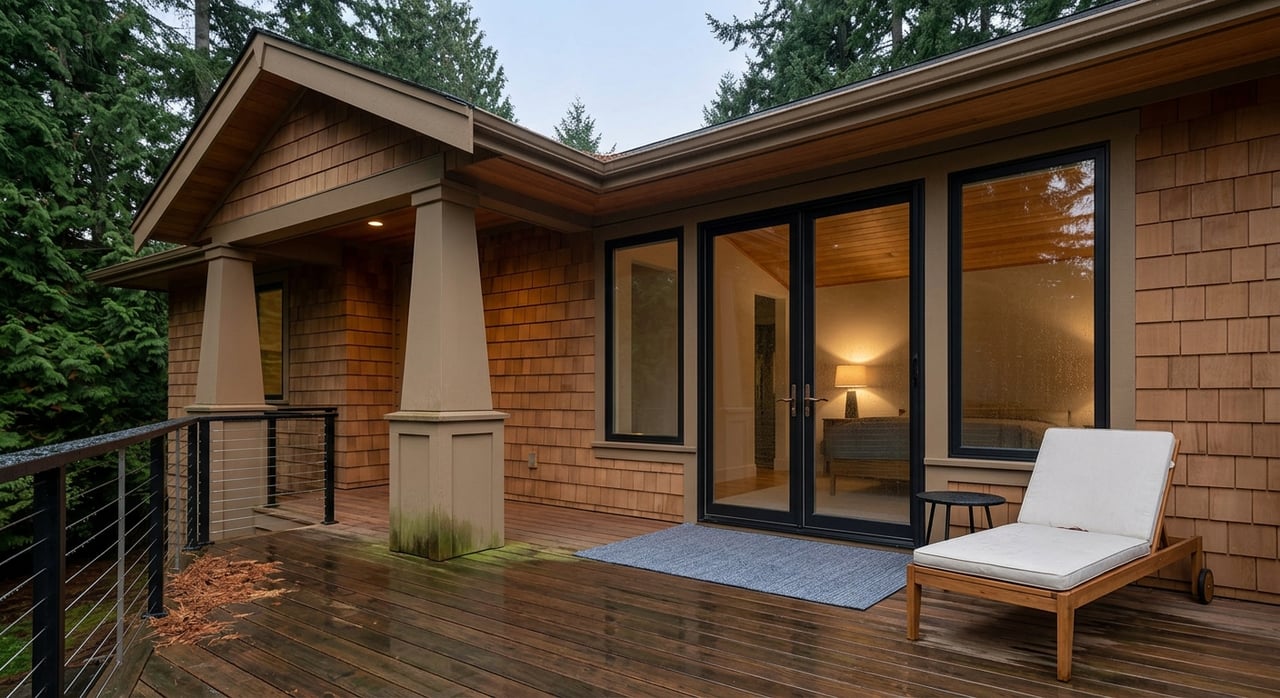
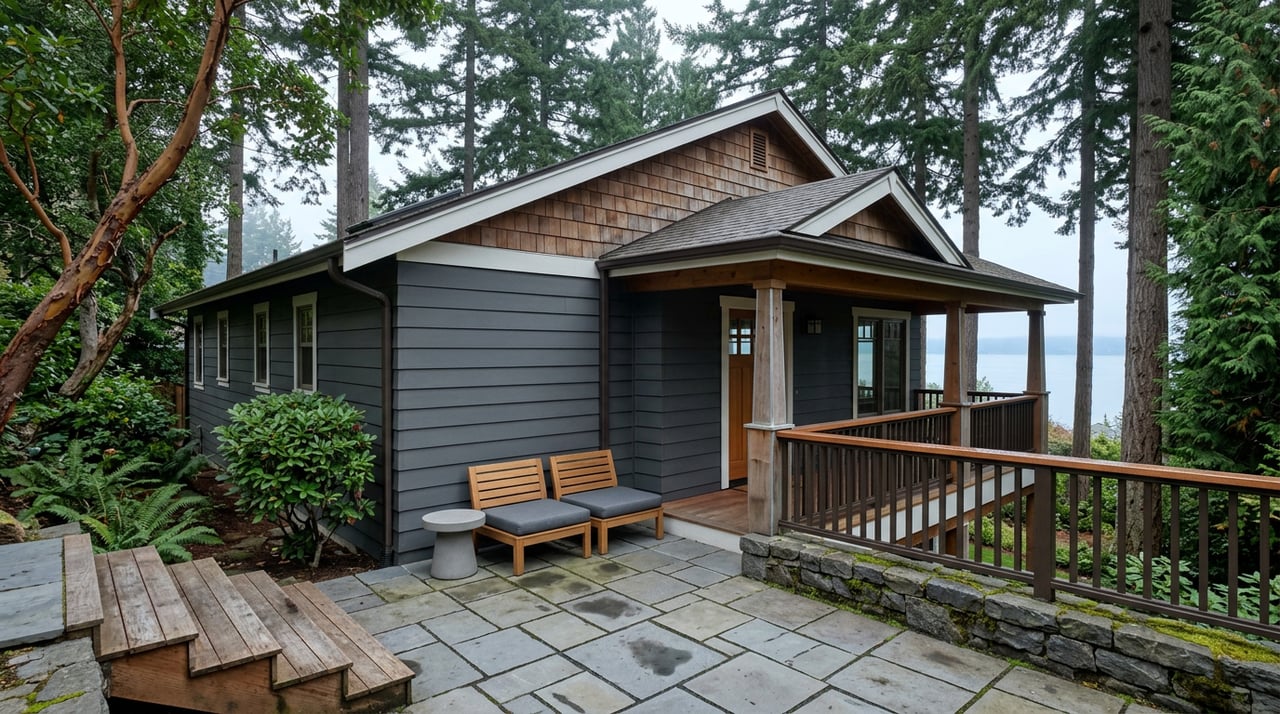
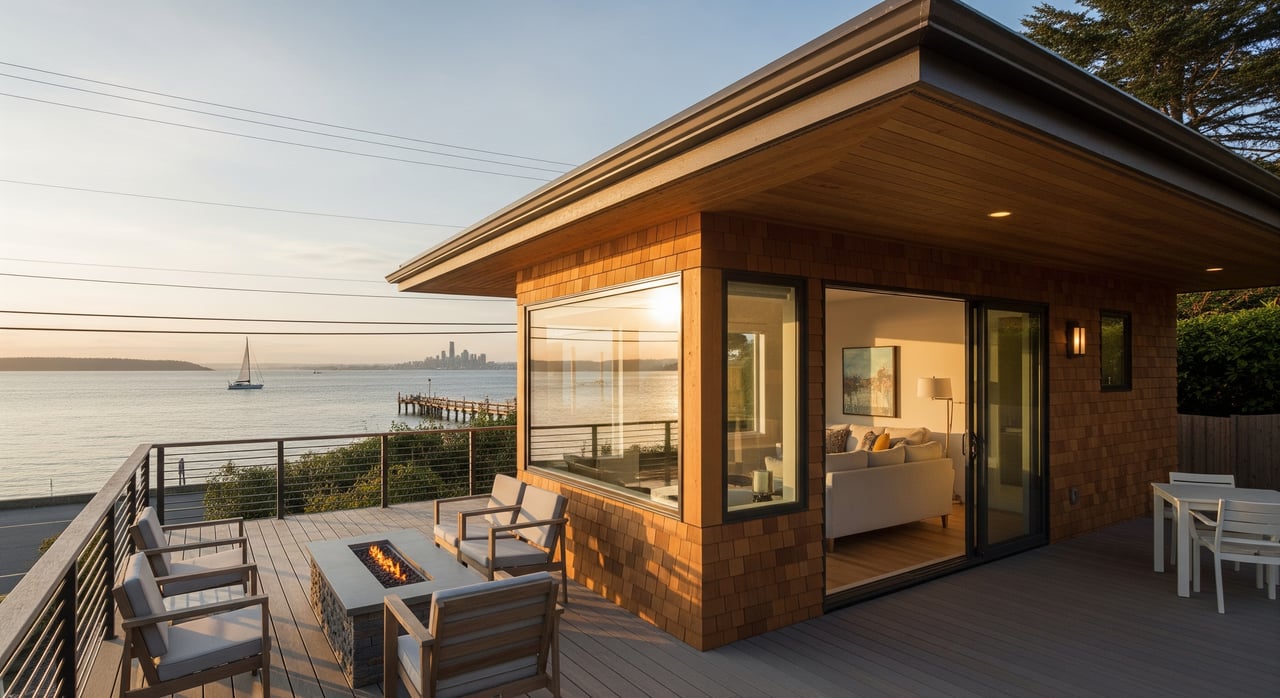
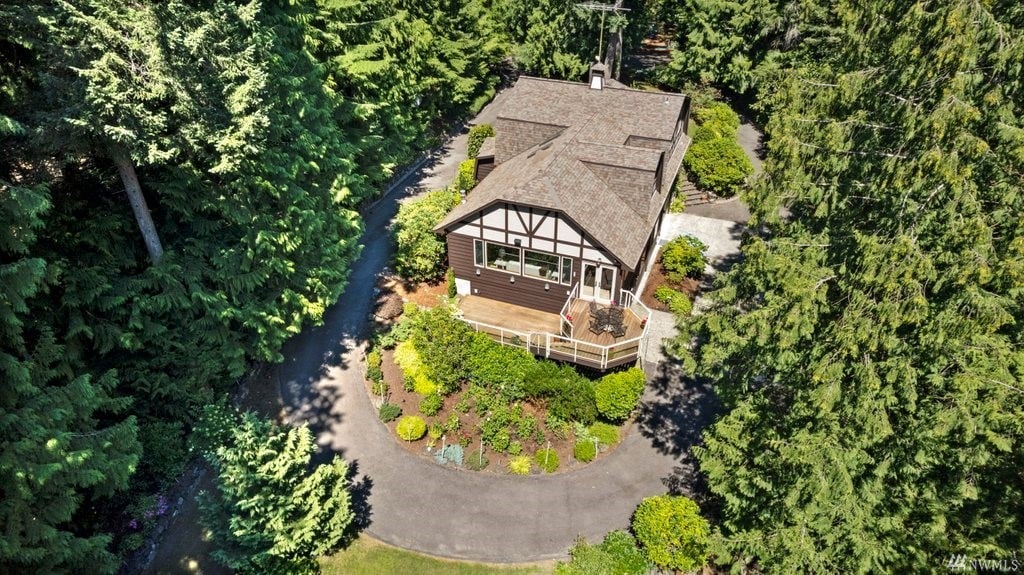
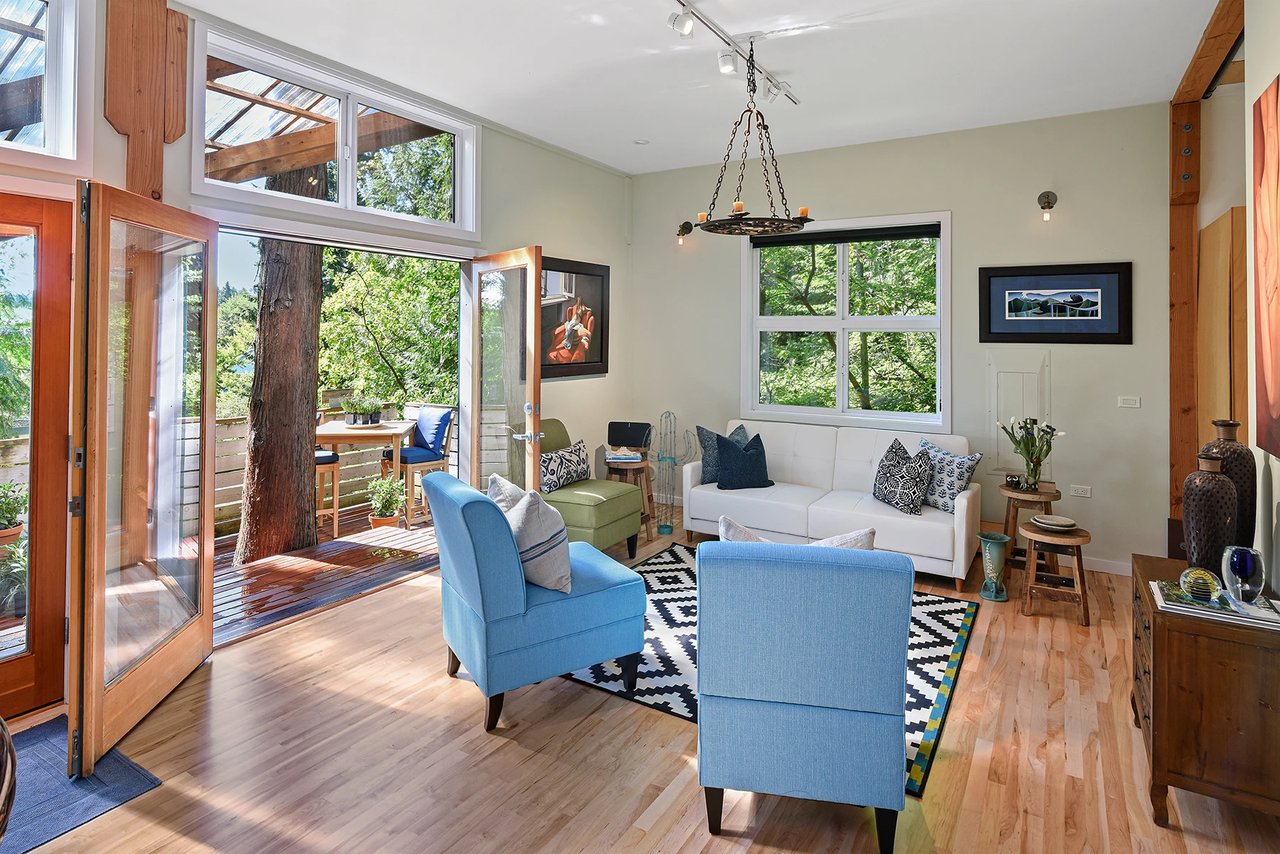
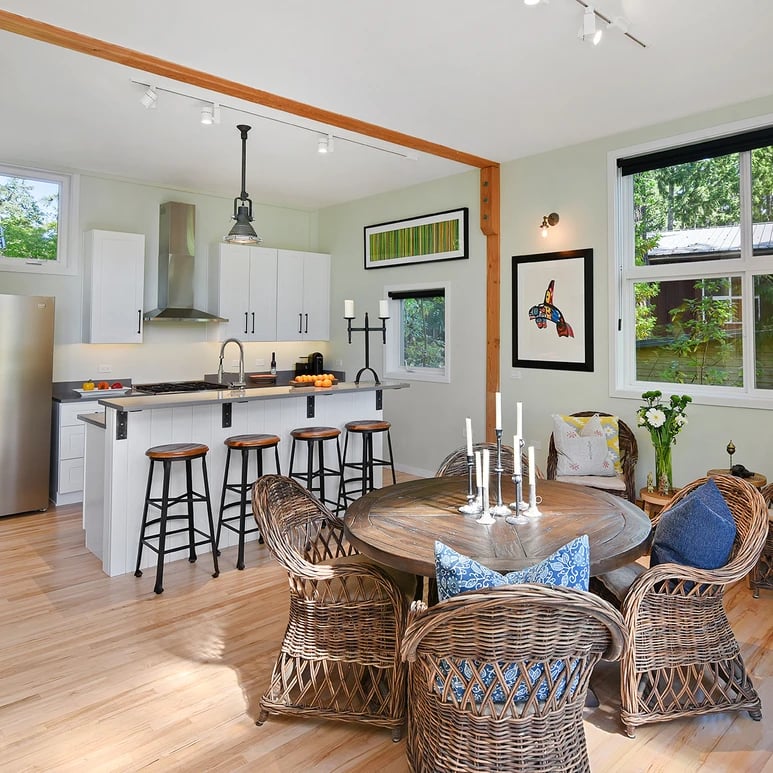
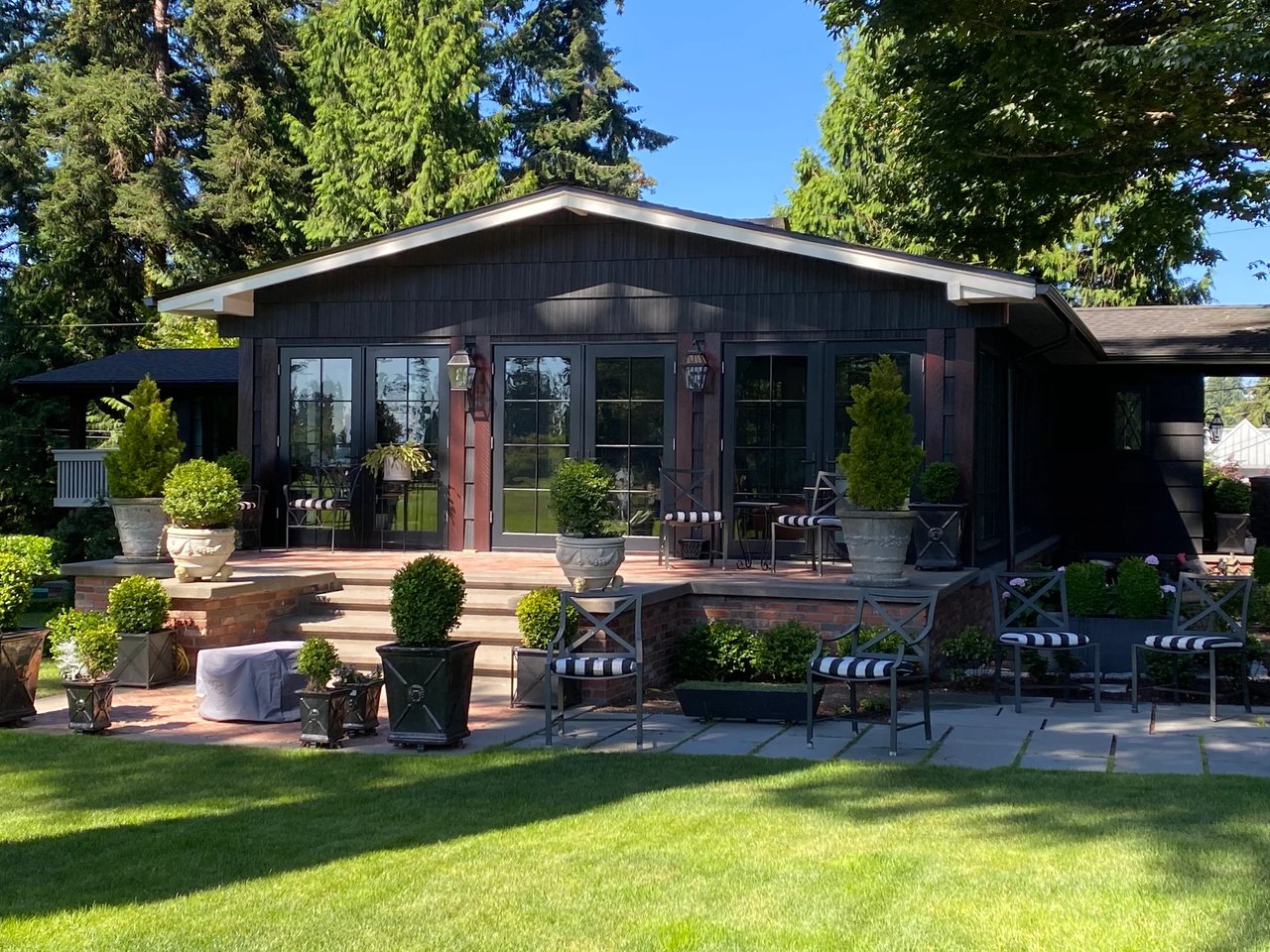
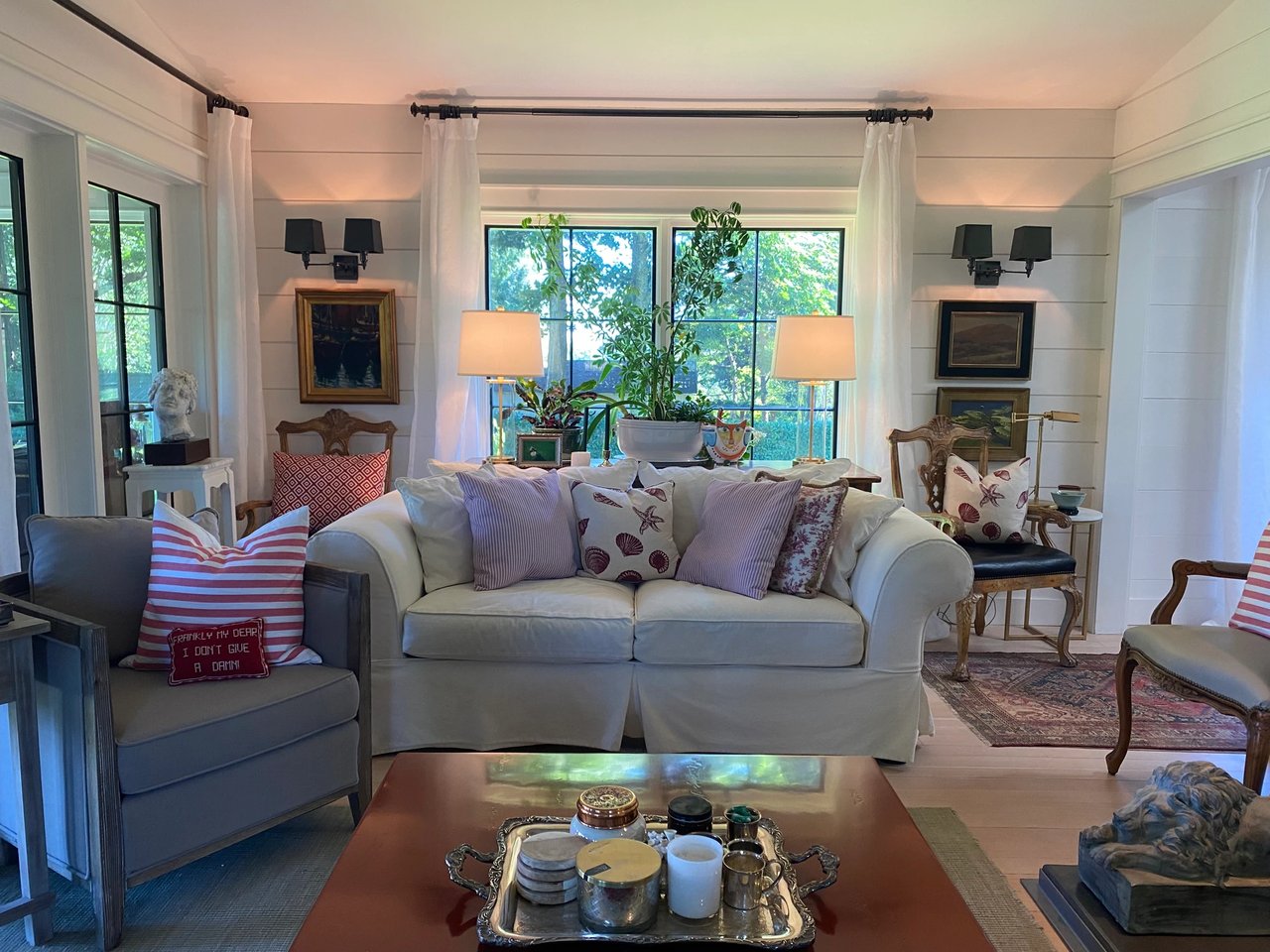
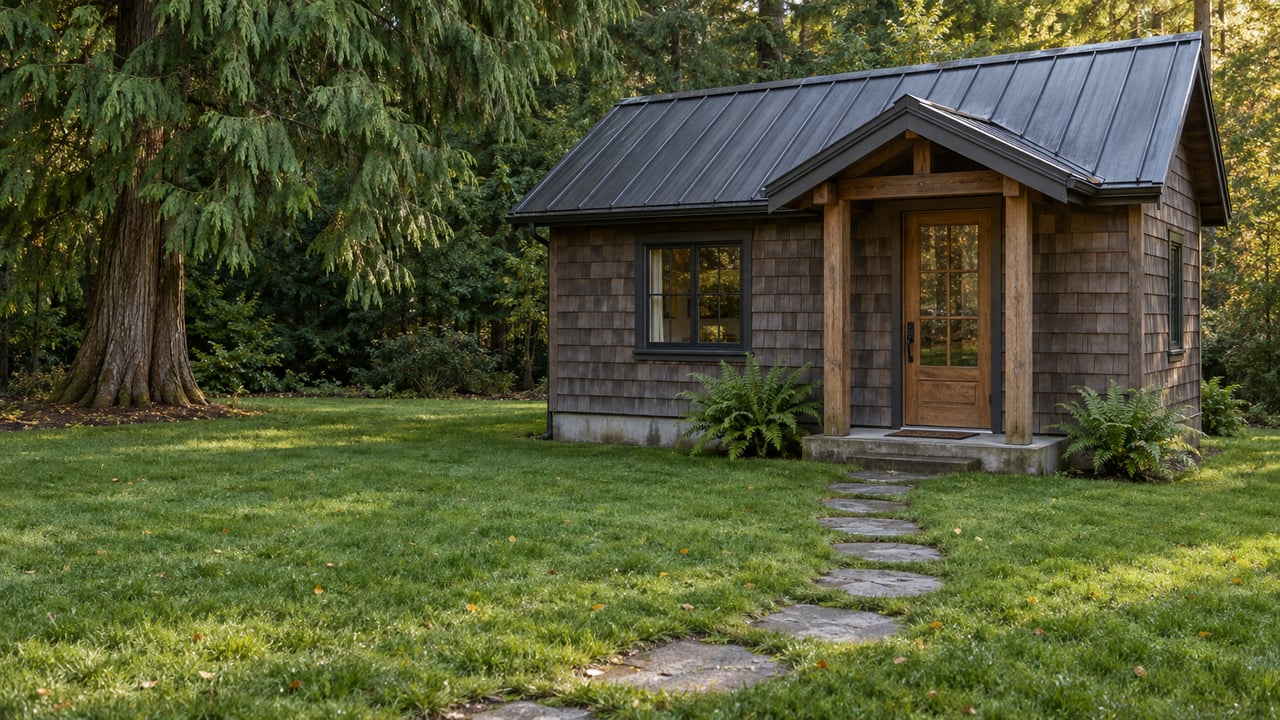
A property currently on the market in Battle Point shows what clearing that bar looks like in practice. The main house runs on solar power with a Tesla battery for backup, sits on its own well and septic system, and shares the lot with a detached 798-square-foot guest suite, complete with its own laundry. That configuration didn't happen by accident. It reflects a septic system, a well, and a permit file that were all sized and reviewed to support two separate living spaces rather than one, which is the exact sequence the health district review is meant to confirm before a second unit goes in anywhere else on a comparable lot.
What Bainbridge Still Requires on Top
Clearing the septic review doesn't end the checklist. The city's current guidance layers its own conditions over whatever the health district approves:
- One ADU, attached or detached, per parcel. A basement conversion uses up that allowance. A homeowner can't add a second detached unit later on the same lot.
- Maximum size of 1,000 square feet under current city guidance, matching the floor the state now requires.
- Connection to public water and sewer wherever that service exists. Septic use is what triggers the Kitsap Public Health District review described above.
None of these city rules override the septic question. They apply after a system is confirmed adequate, or after it's upgraded to be.
What the Septic Line Item Actually Costs
Recent cost estimates specific to Bainbridge, current as of late 2025, put a basic interior ADU conversion, like finishing a basement, at roughly $50,000 to $150,000. An attached addition or a small detached cottage tends to run $150,000 to $350,000. A high-end detached unit or a complicated site pushes past $300,000, sometimes past $500,000. Septic review or an upgraded system gets called out separately in those estimates, because it's the line item that doesn't surface until the health district has weighed in, and it's the one most likely to stretch a six-month timeline into something longer. Builders on the island generally plan three to six months from submittal to approval for a detached ADU, with septic upgrades, critical area review, or a variance request adding to that window rather than running alongside it.
A Few Questions Worth Asking Before You Draw Plans
Does connecting to sewer solve the problem? If a Battle Point lot could tie into a sewer main, it would remove the septic question entirely. Neither the Winslow Sewer System nor the South Island Sewer System reaches this part of the island, so that option isn't on the table for most properties here.
Can a septic system sized for a three-bedroom house automatically support an ADU too? Not automatically. The system was sized for a specific bedroom count and flow. The Kitsap Public Health District review is what determines whether the existing tank and drainfield have capacity to spare or whether an addition or new system is required first.
Does the state's 2023 law override the septic requirement? No. The law sets what a city can and cannot require in its own zoning code. It doesn't reach the separate health and environmental review that septic-served properties go through at the county level.
If you're weighing an ADU on a Battle Point lot, or looking at one that already has a permitted second unit, the septic file is worth reading before the floor plan is. Kimberly and Jack McLaughlin have walked Battle Point clients through exactly this sequence, health district review first, design second. Make time for coffee and bring the septic report.
This article is general information, not legal, tax or financial advice. Consult a qualified professional about your situation.